
Uzbekistan Unleashes Major Tourism Expansion With 30 New Destinations and Powerful Infrastructure Plans by 2030

Updated
Published
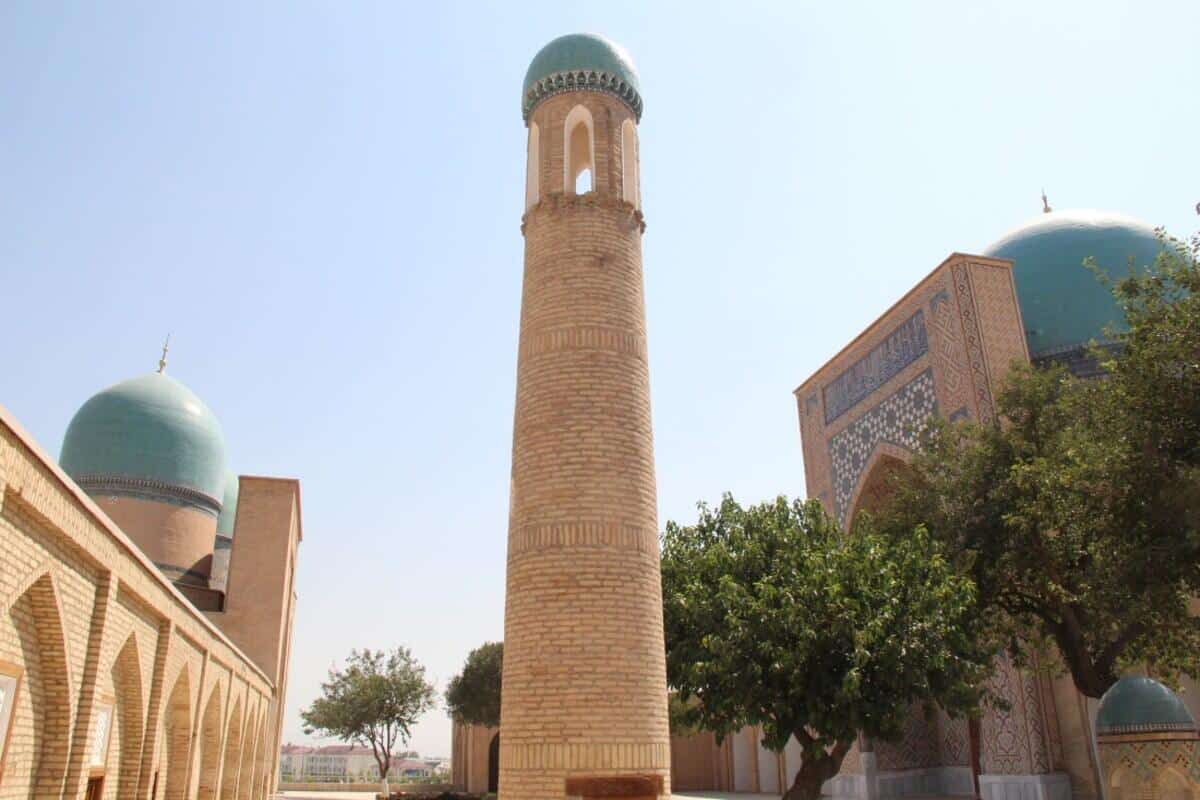
Uzbekistan plans 30 new tourism areas by 2030 to drive growth with modern infrastructure nationwide.Uzbekistan is moving ahead with an ambitious tourism development strategy that could reshape several emerging destinations across the country by 2030. The government is preparing plans for 30 new tourism areas, with each destination expected to be developed through comprehensive master planning covering transport, accommodation, recreation, urban design and essential visitor infrastructure.
The initiative forms part of Uzbekistan’s wider effort to strengthen tourism as a major economic sector while ensuring that future growth is planned in a coordinated and sustainable way. Particular attention is being given to destinations that already have strong tourism potential but require improved infrastructure, better connectivity and more organised development before they can attract larger numbers of domestic and international visitors.
Advertisement
Advertisement
Uzbekistan Targets 30 New Tourism Areas by 2030
At the centre of the strategy is a plan to create 30 new tourism areas by the end of the decade.
Instead of allowing individual tourism projects to develop separately, the new model will rely on detailed master plans designed to coordinate every major component of a destination.
Advertisement
Advertisement
These plans are expected to address roads, public transport, urban layouts, hotels, leisure facilities, public spaces and other supporting infrastructure required for a functioning tourism economy.
The approach could help Uzbekistan avoid fragmented development in high-potential destinations. Tourism zones will be planned as complete visitor ecosystems rather than collections of unrelated hotels, attractions and transport projects.
Advertisement
Advertisement
For travellers, this could eventually mean easier movement between attractions, better-quality accommodation, improved public facilities and more organised tourism services.
For investors and tourism operators, clearly defined development plans could also provide greater certainty regarding future infrastructure, land use and commercial opportunities.
Advertisement
Advertisement
Master Planning to Guide Tourism Infrastructure
Comprehensive master planning is expected to play an important role in shaping the next phase of Uzbekistan’s tourism expansion.
Transport infrastructure will be one of the major areas included in the planning process. New and upgraded road systems, improved access routes and better local mobility could help connect tourism districts with airports, railway stations and major cities.
Urban planning will also be considered as part of the strategy. Tourism development increasingly depends on how hotels, attractions, public spaces, retail areas and transport networks interact with each other.
By integrating these elements from the beginning, Uzbekistan is seeking to create destinations that can accommodate tourism growth without placing excessive pressure on local communities or infrastructure.
Advertisement
Advertisement
Hotel development will form another important part of the master plans. Areas expected to receive greater visitor numbers will require suitable accommodation across different segments, ranging from mainstream hotels to higher-end resorts and specialised tourism properties.
Recreational facilities, tourism services and supporting public infrastructure are also expected to be incorporated into individual destination plans.
Sustainability Becomes Central to Tourism Growth
Sustainable development is emerging as a major theme within Uzbekistan’s tourism planning.
The country is increasingly focusing on how expanding tourism destinations can generate economic benefits while protecting natural landscapes, cultural assets and local communities.
Many destinations with strong tourism potential are located in areas where environmental or heritage considerations may influence future construction.
A master-planning approach can help authorities determine where accommodation, roads, visitor facilities and recreational areas should be located before large-scale development begins.
Advertisement
Advertisement
This may become particularly important as Uzbekistan continues promoting its historic cities, mountain regions, cultural heritage and nature-based tourism products.
Rapid tourism growth can create substantial economic opportunities, but it can also increase pressure on transport systems, water supplies, public services and sensitive environments.
Integrated planning is therefore expected to help balance investment ambitions with long-term destination management.
Dedicated Tourism Infrastructure Office Takes Shape
To support the implementation of the tourism expansion programme, a dedicated state institution has been established under Uzbekistan’s Tourism Committee.
The Project Office for Tourism Infrastructure Development was created in April following a presidential resolution.
The office is expected to coordinate planning and infrastructure initiatives connected with the country’s emerging tourism zones.
Advertisement
Advertisement
Its creation represents an important administrative step because destination development often requires cooperation between several government bodies, local authorities, investors, infrastructure providers and tourism businesses.
A central project office can help coordinate those activities while maintaining common planning standards across different destinations.
It is also expected to support greater use of international expertise in tourism infrastructure development.
As Uzbekistan expands its tourism sector, international planning and engineering experience could help the country adopt modern approaches to transport integration, sustainable construction, destination management and urban development.
International Expertise Could Support Development
Uzbekistan is also exploring cooperation with international engineering and consulting specialists as part of the initiative.
Discussions have been held regarding potential participation by UK-based engineering and consulting group Arup in projects connected with the development of new tourism areas.
Advertisement
Advertisement
Possible cooperation could include infrastructure planning, destination master planning and broader technical support for areas identified as having strong tourism potential.
The company is also considering establishing a representative office in Tashkent, potentially strengthening its presence in Uzbekistan and supporting future projects in the country.
International participation could provide access to experience gained from large-scale infrastructure and urban planning projects in other markets.
For Uzbekistan, such cooperation may help strengthen project design and improve coordination between tourism ambitions and major infrastructure requirements.
Memorandum of Understanding Proposed
A proposal has also been approved to move towards a Memorandum of Understanding between Arup and the Project Office for Tourism Infrastructure Development.
The planned agreement could provide a formal framework for exploring cooperation on tourism infrastructure and destination planning projects.
Advertisement
Advertisement
While individual projects will depend on future planning, technical assessments and approvals, the proposed memorandum signals increasing interest in bringing international expertise into Uzbekistan’s tourism development programme.
It also reflects a broader strategy of preparing tourism destinations before demand expands significantly.
Instead of focusing only on attracting visitors, Uzbekistan is increasingly concentrating on whether destinations have sufficient roads, hotels, recreation facilities and public infrastructure to support tourism growth over the long term.
Uzbekistan Builds Toward a Larger Tourism Economy
The development of 30 new tourism areas could significantly expand Uzbekistan’s destination portfolio by 2030.
The country is already known internationally for historic centres and Silk Road heritage, but greater investment in emerging tourism zones could help broaden visitor itineraries beyond established destinations.
New tourism districts may also create opportunities for hotels, tour operators, transport providers, restaurants, retailers and recreational businesses.
Advertisement
Advertisement
Infrastructure investment can additionally support local communities by improving roads, public services and connectivity that benefit both residents and visitors.
The success of the programme will depend heavily on how effectively master plans are implemented and how well infrastructure investment keeps pace with future tourism demand.
However, the establishment of a specialised project office and the move towards international cooperation show that tourism planning is becoming increasingly structured.
With 30 new destinations targeted by 2030, Uzbekistan is positioning infrastructure, sustainability and coordinated destination development at the centre of its long-term tourism strategy. If the master plans progress as intended, the programme could create a broader tourism map across the country while opening new areas to investment, accommodation development and international travel demand.
Advertisement
