
American Airlines Joins Cathay Pacific and More are Rebuilding Cabins for Premium Flyers

Published
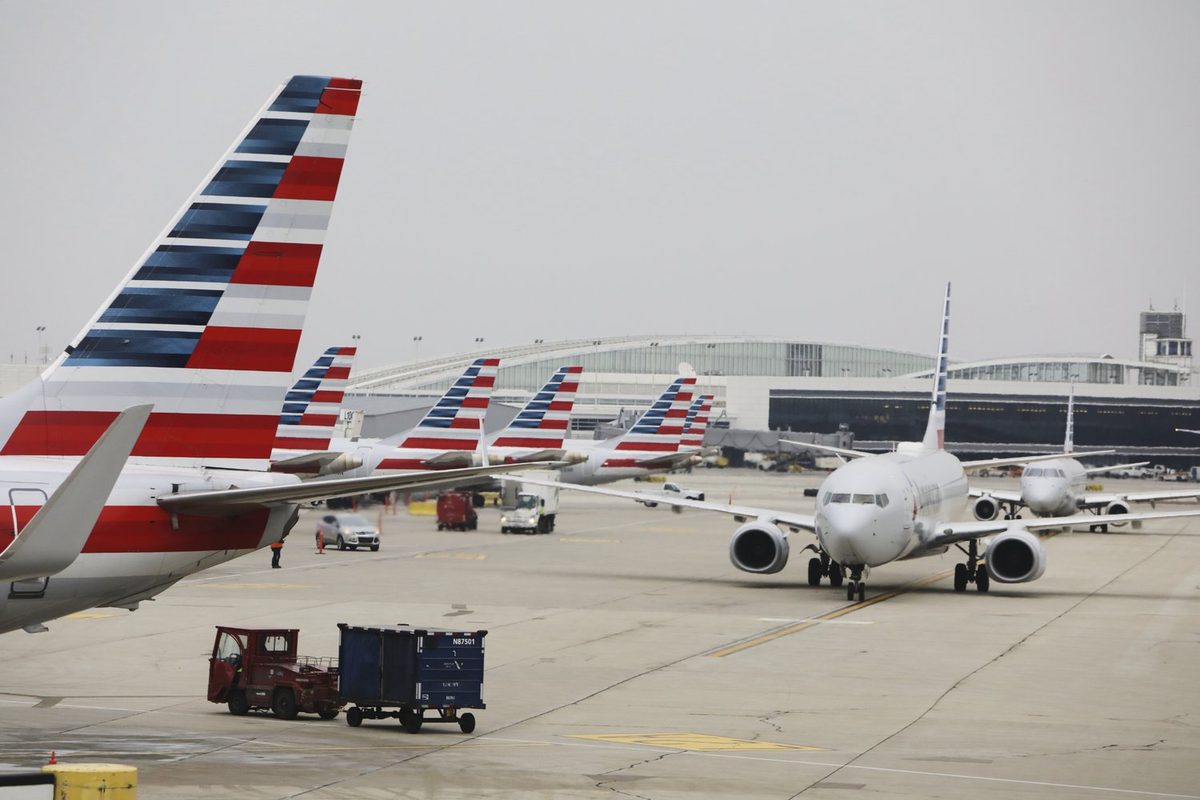
American Airlines joins Cathay Pacific as airlines rebuild cabins for premium flyers, and the race is heating up. Bigger suites, better privacy and smarter seating are reshaping long-haul travel fast.
American Airlines joins Cathay Pacific and more airlines in a global cabin transformation. As competition intensifies, carriers are rebuilding aircraft to attract premium flyers. Bigger suites, private doors and lie-flat beds are becoming powerful selling points. Meanwhile, Premium Economy is gaining space, while extra-legroom seats offer another upgrade path.
Advertisement
Advertisement
As a result, airlines are reshaping cabins around travellers willing to spend more. This shift is not limited to one region. Instead, it spans the United States, Asia, Europe, the Middle East and Australia. Therefore, rebuilding cabins is becoming an industry strategy, changing how airlines balance comfort, capacity, loyalty and revenue.
The global airline industry is entering a new phase of premiumisation, with American Airlines, Emirates, Cathay Pacific, Delta Air Lines, United Airlines, Air France, Lufthansa, Qantas and other major carriers redesigning aircraft to attract travellers prepared to pay more for privacy, space and comfort.
Advertisement
Advertisement
American Airlines’ latest Boeing 777-300ER refurbishment is therefore more than a fleet upgrade. It is part of a wider international battle for high-value passengers that is changing the way airlines design cabins, allocate aircraft space and compete for revenue.
American Airlines Puts Premium Seats at the Centre of Its Strategy
American Airlines has introduced the first retrofitted Boeing 777-300ER under its latest cabin strategy, bringing a substantially larger premium proposition to aircraft serving some of its most important long-haul international markets.
Advertisement
Advertisement
The redesigned aircraft has 144 premium seats, including 70 Flagship Suite seats with lie-flat beds and sliding doors. The cabin also includes 44 Premium Economy seats and 30 Main Cabin Extra seats, alongside 186 standard Main Cabin seats.
The move reflects American’s decision to move away from the traditional international first-class model on many aircraft. Instead, the airline is putting greater emphasis on a larger premium cabin, particularly business class.
Advertisement
Advertisement
American expects all 20 of its Boeing 777-300ER aircraft to be retrofitted by 2027.
The commercial motivation is straightforward. Premium travellers can generate significantly more revenue per seat than economy passengers, particularly on long-haul international services where privacy, sleeping space and direct aisle access command a substantial fare premium.
But American is not pursuing this strategy in isolation.
American Airlines Accelerates Premium Push With Redesigned Boeing 777-300ER Cabins
American Airlines is stepping up its premium travel strategy with a major cabin redesign for its Boeing 777-300ER fleet, adding more lie-flat suites, upgraded Premium Economy seating and extra space for travellers willing to pay more for comfort on long-haul international journeys.
Advertisement
Advertisement
American Airlines Unveils First Retrofitted Boeing 777-300ER
American Airlines has introduced its first retrofitted Boeing 777-300ER, marking a significant stage in its effort to strengthen its premium offering on some of its most important international routes.
The aircraft is used on high-demand long-haul services, including flights connecting the United States with major destinations such as London, Tokyo and Sydney. The redesigned cabin is intended to give American Airlines a stronger proposition for business travellers and other high-value passengers.
The airline plans to retrofit its entire fleet of 20 Boeing 777-300ER aircraft by 2027, making the programme a substantial investment in the carrier’s long-haul product.
70 Flagship Suites Add Privacy and Lie-Flat Comfort
The centrepiece of the redesigned aircraft is American Airlines’ Flagship Suite cabin.
The updated Boeing 777-300ER will offer 70 lie-flat seats with sliding doors, providing passengers with a significantly more private environment during long international flights. The suites represent American’s move towards a larger premium cabin rather than maintaining a traditional international first-class product on many aircraft.
American announced in 2022 that it intended to phase out international first class on many of its aircraft and replace it with a larger premium offering. The Flagship Suite concept has since become an important part of that strategy.
Advertisement
Advertisement
For passengers travelling overnight or on particularly long routes, the combination of a fully flat bed and enclosed seating can be a major differentiator, particularly when compared with conventional economy or premium cabin products.
Premium Economy Also Receives an Upgrade
The premium changes extend beyond the front of the aircraft.
The redesigned 777-300ER will feature 44 Premium Economy seats, equipped with privacy headrest wings along with adjustable calf and footrests. These features are designed to improve personal space and comfort without placing passengers in the highest-priced cabin.
A further 30 Main Cabin Extra seats will provide additional legroom for travellers who want more space while remaining in the economy cabin.
The aircraft will retain 186 standard Main Cabin seats, creating a cabin configuration that gives American Airlines several opportunities to generate additional revenue from passengers upgrading their travel experience.
Premium Travellers Are Becoming Increasingly Important
American Airlines’ investment reflects a broader shift across the US airline industry, where carriers are competing aggressively for affluent and business travellers.
Advertisement
Advertisement
Delta Air Lines and United Airlines have already established strong premium offerings, putting pressure on American to improve its products for passengers who are less price-sensitive and more focused on comfort, privacy and loyalty benefits.
The airline is pursuing a broader strategy that includes strengthening its loyalty programme, improving operational performance and expanding its international network.
The redesigned 777-300ER therefore forms part of a wider commercial effort rather than being simply a cabin refurbishment.
What the New Cabin Means for Long-Haul Travel
The economics behind premium aviation are compelling. A lie-flat seat on some long-haul international routes can command fares approaching $10,000, while economy fares can be substantially lower.
That pricing gap makes premium seating an increasingly valuable source of revenue for airlines.
American Airlines is also preparing a smaller but similar premium configuration for its Airbus A321XLR aircraft, indicating that the carrier intends to extend the strategy beyond its largest wide-body jets.
Advertisement
Advertisement
With all 20 Boeing 777-300ERs scheduled for refurbishment by next year, American Airlines is positioning its long-haul fleet for a more premium-focused future, while giving travellers more choice between privacy, comfort, space and price.
Emirates Is Undertaking One of the Industry’s Biggest Retrofit Programmes
Emirates has taken one of the most ambitious approaches to upgrading existing aircraft.
The Dubai-based carrier launched a multi-billion-dollar programme to refurbish 219 aircraft, covering its Airbus A380 and Boeing 777 fleets. The programme is designed to bring newer cabin products to aircraft that will remain in Emirates’ fleet for years.
The refurbished Boeing 777 introduces an updated premium configuration, while Emirates continues to offer its distinctive enclosed First Class suites on selected aircraft. Premium Economy is also an important part of the carrier’s strategy.
This approach is significant because Emirates is not simply waiting for a new generation of aircraft to arrive.
Instead, it is investing heavily in the aircraft already flying its global network.
Advertisement
Advertisement
That gives the airline a way to improve the passenger experience, increase consistency across its fleet and monetise premium demand without relying entirely on new deliveries.
Cathay Pacific Is Turning the Boeing 777-300ER Into a Premium Platform
Cathay Pacific provides another strong example of the same trend.
The Hong Kong-based airline has been introducing its Aria Suite Business Class on refurbished Boeing 777-300ER aircraft. The product includes a 1-2-1 seating arrangement, direct aisle access and greater personal privacy.
Cathay is also redesigning Premium Economy and refreshing Economy on these aircraft.
The significance of this approach lies in its breadth. Rather than treating business class as an isolated product, Cathay is rebuilding the aircraft around several distinct passenger segments.
The airline can therefore target customers at different price points while giving premium travellers a more competitive long-haul experience.
Advertisement
Advertisement
That strategy is particularly important on routes connecting Asia with North America, Europe and other major international markets, where airlines compete for corporate and affluent leisure demand.
Delta Air Lines Has Helped Drive the US Premium Cabin Race
Delta Air Lines has spent years building a premium-focused proposition, making it one of American Airlines’ most important competitors.
Its Delta One product has evolved towards enclosed suites and greater privacy, while the carrier is continuing to introduce upgraded cabin interiors across its long-haul fleet.
Delta’s next-generation premium strategy includes new Delta One suites for future Airbus A350-1000 aircraft and cabin improvements for existing Airbus A330 aircraft.
The airline’s approach demonstrates another important industry trend: premium products are increasingly becoming part of an aircraft’s core commercial architecture rather than an optional luxury at the front of the plane.
For airlines, that matters because the premium cabin can influence the economics of an entire route.
Advertisement
Advertisement
A relatively small number of high-fare passengers can contribute disproportionately to flight revenue, particularly on business-heavy international routes.
United Airlines Is Combining Premium Cabins With New Long-Haul Narrow-Bodies
United Airlines is taking the premiumisation strategy into a different aircraft category.
Its Airbus A321XLR introduces lie-flat Polaris business-class seating on a single-aisle aircraft, allowing the airline to bring a long-haul premium product to routes that might not justify a wide-body aircraft.
This is strategically important.
The A321XLR gives United the ability to connect destinations across the Atlantic with a smaller aircraft while still offering a competitive premium cabin.
The airline is also increasing the proportion of premium seating on parts of its newer wide-body fleet.
Advertisement
Advertisement
This reflects a fundamental change in aircraft planning. Airlines are no longer necessarily asking how many economy seats an aircraft can carry. Increasingly, they are asking how many passengers across different fare categories the aircraft can serve profitably.
Air France Is Taking Premiumisation in the Opposite Direction
Air France demonstrates that premiumisation does not always mean adding a large number of premium seats.
The French carrier is investing in an exceptionally exclusive La Première product.
Its redesigned First Class cabin features only four suites. Each suite provides a large private environment with a dedicated seat and chaise longue that converts into a bed.
This is a fundamentally different commercial proposition from American Airlines’ larger Flagship Suite cabin.
American is increasing premium capacity.
Advertisement
Advertisement
Air France is concentrating on exclusivity.
Both strategies, however, are based on the same underlying principle: affluent travellers can be worth considerably more to an airline than passengers purchasing the lowest available fare.
Air France has expanded the new La Première experience to selected long-haul destinations, reinforcing its position in the ultra-luxury segment.
Lufthansa Is Redesigning the Entire Long-Haul Experience
Lufthansa’s Allegris programme takes another approach.
Rather than focusing exclusively on Business Class, the German airline has redesigned its long-haul cabin architecture across First Class, Business Class, Premium Economy and Economy.
Allegris Business Class offers multiple seating options, including products designed around greater personal space and privacy. First Class also moves towards a suite-style experience.
Advertisement
Advertisement
The strategy recognises that passengers have increasingly different expectations even within the same cabin.
A business traveller travelling alone may value privacy.
A couple may prefer a configuration that allows them to sit together.
A leisure passenger may prioritise additional legroom rather than a fully enclosed suite.
By offering differentiated products, airlines can create additional opportunities for upselling.
ANA Is Bringing More Privacy Into Business Class
Japan’s All Nippon Airways, or ANA, is also pushing the boundaries between Business Class and First Class.
Advertisement
Advertisement
Its THE Room FX product introduces a privacy-door Business Class seat on Boeing 787-9 aircraft, extending the airline’s broader strategy of providing more personal space to premium passengers.
The importance of this development is not simply the door itself.
Privacy has become one of the defining features of premium long-haul travel.
Passengers paying thousands of pounds or dollars for an international business-class ticket increasingly expect an environment where they can work, sleep, dine or relax without feeling exposed to the cabin around them.
Singapore Airlines Is Preparing Another Premium Cabin Evolution
Singapore Airlines has long positioned itself at the top end of the international premium market, and its fleet strategy continues that approach.
The airline is developing next-generation products for future aircraft while also upgrading existing Airbus A350 aircraft.
Advertisement
Advertisement
Its forthcoming Boeing 777-9 fleet is expected to introduce new premium products, while selected A350 aircraft are also receiving cabin enhancements.
For Singapore Airlines, maintaining a premium reputation is particularly important because the carrier competes on long-haul routes against Gulf, European, Asian and North American airlines.
The objective is not simply to have a Business Class seat.
It is to ensure that the complete premium journey remains competitive, from the cabin to dining, entertainment, service and airport experience.
Qantas Is Designing Aircraft for Ultra-Long-Haul Travellers
Qantas has perhaps the most distinctive premium strategy because of the extreme distances it intends to fly.
Its Project Sunrise Airbus A350-1000 aircraft are being developed specifically for ultra-long-haul services connecting Australia with major cities in Europe and North America.
Advertisement
Advertisement
The aircraft will feature a premium-heavy configuration, reflecting the particular requirements of passengers spending extremely long periods in the air.
Qantas is also introducing suite-style Business Class products on other aircraft, including privacy doors.
The logic is particularly compelling for ultra-long-haul travel. When a journey can last more than 18 hours, the ability to sleep properly, move around comfortably and maintain privacy becomes a major part of the passenger experience.
Virgin Atlantic Is Selling an Experience, Not Just a Seat
Virgin Atlantic has developed another interpretation of premium travel through its Upper Class product.
Its Airbus A350 features private-style Upper Class suites and The Loft, a dedicated social area for premium passengers.
This creates a premium proposition that extends beyond the seat.
Advertisement
Advertisement
The strategy is particularly relevant because premium passengers are increasingly buying an overall experience rather than simply additional legroom or a wider seat.
Privacy, dining, onboard connectivity, lounge access and personalised service can all contribute to the perceived value of a premium fare.
Air Canada Is Taking Premium Products to Smaller Aircraft
Air Canada is also expanding its premium strategy.
Its Airbus A321XLR will feature lie-flat Business Class seating, bringing a product traditionally associated with wide-body aircraft to a narrow-body platform.
The airline is also developing enhanced premium products for its Boeing 787-10 aircraft.
This trend could become increasingly important as airlines deploy long-range narrow-body aircraft on international routes.
Advertisement
Advertisement
The A321XLR allows carriers to operate thinner routes with lower capacity while still offering passengers a competitive premium cabin.
Why Airlines Are Increasing Premium Capacity
The common factor across these airlines is economics.
Airlines operate aircraft with finite cabin space. Every square metre devoted to a premium suite is space that cannot be sold as several economy seats.
Yet premium seats can generate substantially more revenue per passenger.
That makes the optimal cabin configuration dependent on route characteristics, customer mix, corporate demand, competition and aircraft range.
A carrier flying between major financial centres may benefit from a much larger Business Class cabin.
Advertisement
Advertisement
A leisure-heavy route may require more Economy and Premium Economy.
Ultra-long-haul routes can create another equation because passengers may be more willing to pay for sleeping space and privacy.
Airlines are therefore becoming increasingly sophisticated about cabin segmentation.
The Traditional Four-Cabin Model Is Changing
For decades, international aviation was broadly structured around First Class, Business Class, Premium Economy and Economy.
That model is becoming less rigid.
Business Class is increasingly adopting features once associated with First Class, including enclosed suites, doors, direct aisle access and larger beds.
Advertisement
Advertisement
Premium Economy is becoming a meaningful standalone product rather than simply an economy seat with a little more legroom.
Economy passengers are also being segmented through products such as extra-legroom seating.
At the top end, some airlines are retaining or rebuilding First Class, but making it considerably more exclusive.
The result is a much broader spectrum of products.
“American Airlines joining Cathay Pacific and other global carriers in rebuilding cabins signals a powerful evolution in air travel. Premium travellers increasingly expect privacy, comfort, flexibility and service, not simply a larger seat. This investment can strengthen airline brands while creating better choices across Business Class, Premium Economy and extra-legroom products. For destinations, airlines and tourism economies, stronger premium connectivity can support higher-value visitor flows and more resilient demand. The most compelling development is that this transformation is becoming global. It shows how airlines are responding intelligently to changing passenger expectations while creating a more differentiated and competitive travel experience,” said Anup Kumar Keshan, Founder and Editor-in-Chief, Travel And Tour World.
Advertisement
Advertisement
The Global Premiumisation Race Is Far From Over
American Airlines’ redesigned Boeing 777-300ER is therefore best understood as one piece of a much larger global transformation.
From Emirates’ fleet-wide retrofit programme and Cathay Pacific’s Aria Suite to Delta’s suites, United’s premium-heavy aircraft, Air France’s ultra-luxury La Première, Lufthansa’s Allegris cabins, ANA’s privacy-focused Business Class, Singapore Airlines’ next-generation products and Qantas’ Project Sunrise, the industry’s leading airlines are making similar calculations.
The details differ, but the objective is consistent: capture more value from passengers who are willing to pay for a better journey.
For travellers, the consequence is a wider range of choices. For airlines, it is a high-stakes competition over who can turn limited aircraft space into the greatest possible revenue.
And as more carriers retrofit existing aircraft rather than waiting for new planes, the premium cabin race is likely to remain one of the defining developments in international aviation for years to come.
Sources:
Advertisement
Advertisement
https://www.cnbc.com/2026/09/02/american-airlines-premium-travel-boeing-planes.html
https://www.emirates.com/english/experience/our-fleet/the-new-boeing-777
https://news.delta.com/suite-spot
Advertisement
Advertisement
https://www.lufthansa.com/by/en/100-years/cabin-design
https://www.ana.co.jp/es/mx/the-ana-experience/corp_info/pr20250617
https://corporate.virginatlantic.com/gb/en/media/press-releases/first-a350.html
https://www.aircanada.com/media/air-canada-unveils-next-generation-glowing-hearted-cabins
Advertisement
Advertisement
https://www.wsj.com/business/airlines/the-economy-cabin-on-airplanes-keeps-on-shrinking-1ddc3239
Advertisement
