

Machu Picchu, Peru Just Changed Everything: New 2026 Entry Rules, Visitor Caps & Circuits Every Traveler Must Know

Published
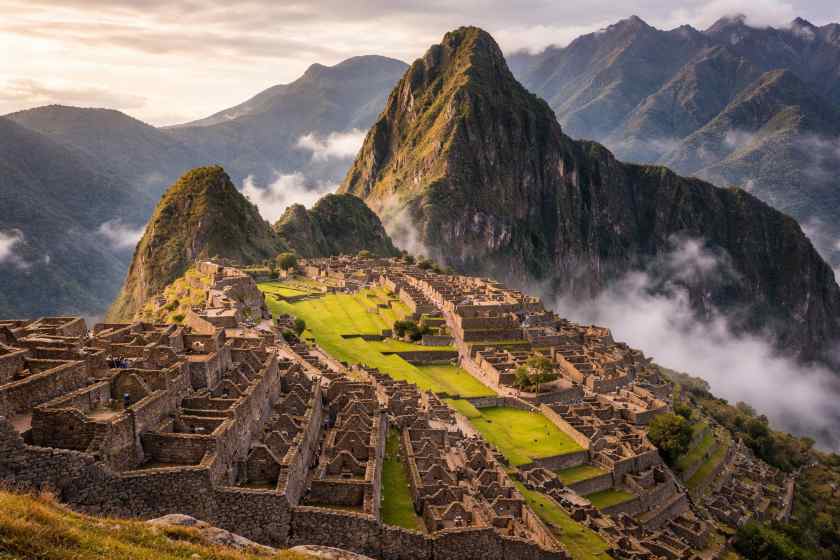
At the heart of the Andes, where mist rolls over ancient stone terraces and history feels almost alive, Machu Picchu, Peru, is entering a new chapter in 2026. If you’re planning a journey to this globally recognised archaeological site, there’s a shift you need to understand from the very beginning.
The Peruvian government has introduced a structured system that changes how visitors access the citadel, bringing in strict daily caps, defined exploration routes, and a time-sensitive booking process. These changes are designed to manage visitor flow and preserve the integrity of one of the world’s most visited heritage sites.
Advertisement
Advertisement
Let’s walk through what this means for travellers, planners, and the future of tourism in the Andes.
For decades, Machu Picchu has drawn millions of visitors annually. The increasing demand, however, has led to concerns around site preservation, congestion, and environmental impact. In response, Peru’s tourism authorities have implemented a refined entry system for 2026.
The new framework introduces three major changes:
Advertisement
Advertisement
- Daily visitor limits
- Mandatory circuit-based exploration
- A strict ticket reservation payment window
Each of these elements plays a role in reshaping how tourism operates at this historic site.
Strict Daily Visitor Caps Define Access
The first major update comes in the form of controlled visitor numbers.
Advertisement
Advertisement
From 2026 onwards:
- Low season: Maximum of 4,500 visitors per day
- Peak season (including April 2026): Maximum of 5,600 visitors per day
These limits apply to all categories of visitors, including general tourists and guided groups.
Advertisement
Advertisement
For travellers, this means planning becomes essential. Unlike previous years, where availability could fluctuate with last-minute bookings, the capped system introduces predictability—but also scarcity.
Tour operators and independent travellers alike will need to align their itineraries with these limits, especially during high-demand periods.
Three Circuits Replace Free Exploration
One of the most significant changes is the removal of free roaming within the site.
Visitors must now choose one of three designated circuits at the time of booking:
Advertisement
Advertisement
1. Classic Circuit
This route focuses on the most recognisable sections of Machu Picchu, including terraces, plazas, and iconic viewpoints. It is structured to provide a comprehensive experience within a controlled path.
2. Panoramic Circuit
Designed for expansive views, this circuit emphasises elevated vantage points. It allows visitors to observe the scale of the site and its surrounding landscapes without entering certain core zones.
3. Royal Circuit
This route highlights ceremonial and historically significant areas, offering a closer look at the architectural and cultural aspects of the Inca civilisation.
Once inside, switching between circuits is not permitted. Each ticket is tied to a specific route, and movement is monitored accordingly.
For travellers, this introduces a new layer of decision-making. The choice of circuit determines not only what you see but how you experience the site.
The “3-Hour Rule” Changes Booking Behaviour
Another key update is the introduction of a time-bound payment system.
Advertisement
Advertisement
After reserving a ticket online, travellers now have:
- 3 hours to complete payment
If payment is not processed within this window, the reservation is automatically cancelled, and the ticket is released back into the system.
This mechanism ensures that ticket inventory remains dynamic and accessible, reducing instances of blocked or unused reservations.
For international travellers, especially those in different time zones, this rule requires immediate action after booking. Delays can result in losing access to preferred dates or circuits.
Implications for Travel Planning
With these new rules in place, planning a trip to Machu Picchu becomes a more structured process.
Advance Booking Becomes Essential
Travellers are encouraged to secure tickets well in advance, particularly during peak months. Availability is expected to align closely with daily caps, leaving limited room for last-minute arrangements.
Coordination with Cusco Itineraries
Most journeys to Machu Picchu begin in Cusco. With fixed entry times and circuits, aligning transportation, whether by train or trekking routes, becomes more critical.
Advertisement
Advertisement
Guided Tours Gain Relevance
While independent travel remains possible, guided tours may offer advantages in navigating circuit choices and scheduling.
Impact on the Andes Travel Ecosystem
The updated system is not limited to Machu Picchu alone; it influences the broader tourism network across the Andes.
Sacred Valley Travel Flow
Destinations within the Sacred Valley may see adjusted visitor patterns as travellers spend more time outside Machu Picchu due to restricted entry durations.
Inca Trail Coordination
Trekkers arriving via the Inca Trail will need to align their permits with the designated circuits and entry slots.
Regional Tourism Distribution
With limited access to Machu Picchu, nearby destinations could experience increased attention, contributing to a more distributed tourism model.
What Travellers Need to Know Before Visiting
To navigate the 2026 system effectively, here are key considerations:
Advertisement
Advertisement
- Choose your circuit carefully at the time of booking
- Complete payment within the 3-hour reservation window
- Plan travel dates in alignment with daily visitor caps
- Coordinate transport and accommodation in advance
- Review entry times and duration limits
These steps ensure a smoother travel experience while adapting to the updated regulations.
A Structured Approach to Heritage Tourism
The 2026 updates represent a shift toward structured tourism management at one of the world’s most recognised heritage sites.
By introducing defined pathways, limiting daily visitors, and implementing real-time booking controls, Peru is aligning Machu Picchu with global practices in sustainable tourism.
For travellers, this means a more organised visit, one that balances access with preservation.
Looking Ahead: Travel in a Controlled Environment
As global tourism continues to evolve, destinations like Machu Picchu are adapting to maintain their cultural and environmental integrity.
The 2026 rules signal a future where travel experiences are shaped by:
- Pre-planned access
- Defined visitor flows
- Technology-driven booking systems
For those planning to visit Machu Picchu, Peru, understanding these changes is the first step toward a seamless journey.
Because in the Andes, where history stands still, but tourism keeps moving, the way you explore is changing one circuit at a time.
Advertisement
