

Image generated with Ai
Maui is now part of a growing list of cities, including New York, Houston, California, and Chicago, that are making significant strides in improving their tourism industries. These cities are investing in massive infrastructure developments designed to enhance the visitor experience. Maui, known for its stunning landscapes and cultural heritage, is undergoing major projects aimed at both environmental restoration and cultural preservation. Just like New York’s revitalisation of Fifth Avenue and California’s sustainable recreation projects, Maui is focusing on improving accessibility, protecting its natural beauty, and celebrating its unique culture. These efforts are expected to boost the local economy, attract more tourists, and provide long-term benefits for both residents and visitors. With such significant developments underway, Maui is making tourism better, just like other major cities in the US.
In 2025, many cities in the United States are investing heavily in tourism projects. These initiatives aim to make tourist destinations better, preserve local culture, and help the economy grow. From New York to Maui, these projects are making big changes to how people visit and experience these places. Let’s take a closer look at some of the most exciting tourism projects happening across the US this year.
New York City is always busy with visitors, and in 2025, the city is improving even more. A $400 million project is transforming Fifth Avenue, one of the busiest streets in the world. The project is making it easier for people to walk around. The sidewalks will be wider, and there will be more green spaces and public areas. This project is not just for visitors but also for locals who enjoy spending time in the city. Since the project started, Fifth Avenue has already seen nearly $4 billion in real estate sales, showing that people are excited about the changes.
This project is part of New York City’s plan to make tourist attractions more enjoyable and accessible. It’s all about giving visitors a better experience and attracting even more tourists to the city. The project will also help local businesses grow by making it easier for tourists to shop and explore.
Advertisement
Advertisement
Benefits:
In Maui, Hawaii, tourism projects focus on two important things: protecting the environment and preserving Native Hawaiian culture. The Hawaii Tourism Authority has awarded $980,000 to several projects that celebrate Hawaiian traditions and restore the island’s natural beauty.
One of these projects is the Haleakalā Visitor Center restoration. This renovation will make it easier for tourists to visit Haleakalā National Park, a famous spot known for its volcano and stunning views. The updated visitor center will also highlight the cultural significance of the area, teaching visitors about Hawaii’s history.
Another project in Maui is Kaiāulu ʻŌlelo: Kula Kauwela o Hana, a program that teaches East Maui youth the Hawaiian language and culture. It’s a three-week program where students learn traditional chants, dances, and stories. At the end of the program, the students perform these traditions for their community, helping keep Hawaiian culture alive for the next generation.
Finally, the Kapoho Loko Iʻa Kalo and Loʻi Kalo project is restoring Maui’s coastal wetlands and fishponds. This project helps protect the environment while also supporting local food production. By restoring these areas, the project is bringing back traditional Hawaiian farming practices, like growing taro (a type of vegetable) and raising fish.
Benefits:
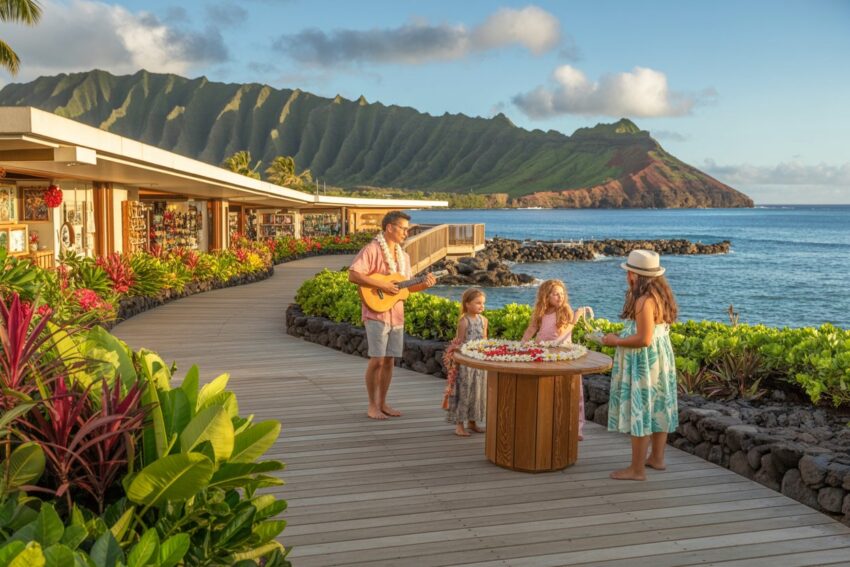
Image generated with Ai
In Houston, a city known for its vibrant arts scene, tourism projects are focused on bringing in more visitors by showcasing the city’s culture. The Mayor’s Office of Cultural Affairs has awarded $131,600 in grants to 13 organizations that promote cultural tourism. These grants will help support art exhibits, performances, and events that attract tourists interested in arts and culture.
These projects also aim to create spaces where local residents and visitors can enjoy art and culture together. By investing in arts tourism, Houston is making itself a more attractive destination for people who love to explore and learn about new cultures. The projects also support local artists and help boost the economy by bringing in more visitors.
Benefits:
California is focusing on sustainable tourism in 2025. The Sustainable Recreation, Tourism, and Equitable Outdoor Access Directed Grant Program is helping improve access to California’s outdoor spaces, such as national parks and beaches. This program is designed to make sure that visitors can enjoy these beautiful places without harming the environment.
In particular, the program is working on the Sierra-Cascade region, which has many outdoor activities like hiking and camping. The goal is to increase access for everyone, including underserved communities, so they can enjoy nature. At the same time, the program ensures that these areas remain protected for future generations.
Benefits:
Chicago is also working on big changes to its tourism industry. The city is improving its waterfront areas and creating more green spaces. The Navy Pier redevelopment project is a great example of this. The Pier is a popular spot for tourists, and the improvements will make it even more attractive, with new attractions and better accessibility.
Another important project in Chicago is the Lakefront Trail expansion. This trail runs along the lake and is popular with walkers, runners, and cyclists. By improving the trail, Chicago is making it easier for tourists to explore the city while enjoying its natural beauty. These changes are part of the city’s plan to promote eco-tourism and make Chicago a greener, more tourist-friendly place.
Benefits:

Image generated with Ai
Washington, D.C., is focusing on improving its tourism industry by making historical sites more accessible and preserving its rich culture. The Smithsonian National Museum of African American History and Culture is expanding to offer more exhibits that highlight African American culture and history. This will attract more visitors who are interested in learning about important aspects of U.S. history.
The National Mall is also getting a makeover, with new pathways and landscaping. These changes will make the Mall more welcoming to tourists and improve their experience when visiting sites like the U.S. Capitol and the Lincoln Memorial. Washington, D.C., is also working on a program called “DC Open Streets,” which will make it easier for tourists to explore the city on foot.
Benefits:
Austin, Texas, is a city known for its music and tech scenes, and in 2025, it is becoming an even more attractive destination for tourists. The city is investing in new venues, like the Moody Center, to host large events and concerts. Austin’s famous SXSW Festival continues to grow, attracting visitors from all over the world to enjoy the city’s music, films, and tech showcases.
Austin is also becoming a smart city, where technology is used to improve the visitor experience. The city is using technology to help tourists navigate around and enjoy everything it has to offer. Austin’s tourism projects are helping it become a leading destination for tech-savvy travelers who want to experience the best of both entertainment and innovation.
Benefits:
In 2025, US cities are undergoing exciting changes in their tourism industries. These projects focus on improving infrastructure, preserving culture, and protecting the environment. From New York City to Maui, each city is taking unique steps to attract visitors while making sure the local communities and environments are respected and protected.
These tourism projects are not just about attracting more visitors; they are about creating a better experience for everyone. Whether it’s making cities greener, preserving history, or introducing new cultural experiences, these projects will help cities grow, create jobs, and make tourism more sustainable.
The Hawaii Tourism Authority (HTA) is significantly investing in cultural preservation across Hawaii, with $980,000 allocated to 26 local organisations. These grants will rejuvenate cultural sites and provide enriching experiences for both residents and visitors. From Maui’s Haleakalā Visitor Center restoration to Molokai’s heritage projects, the funding aims to celebrate and sustain Native Hawaiian culture.
Haleakalā National Park is set to receive a cultural facelift. With a generous portion of the funding, the Haleakalā Visitor Center will undergo a transformation, ensuring a modern yet culturally immersive entry to this iconic park. The Haleakalā Conservancy is overseeing the restoration project, which promises to enhance accessibility while integrating the rich history of the area. Visitors will experience smoother access, while the centre’s updated design will connect them to the land’s deep cultural significance.
Alongside the Haleakalā project, a second initiative in Maui celebrates Hawaiian language and culture. Hana Arts is spearheading the Kaiāulu ʻŌlelo: Kula Kauwela o Hana programme. This three-week immersion course provides East Maui youth with a comprehensive introduction to Hawaiian traditions, from language to storytelling. The programme culminates in a public performance, showcasing students’ newfound knowledge through chanting, dancing, and traditional Hawaiian tales.
In addition to these enriching cultural initiatives, Maui is also witnessing environmental restoration efforts with the Kapoho Loko Iʻa Kalo and Loʻi Kalo project. This venture, organised by the Hawaiʻi Land Trust, focuses on restoring Maui’s natural ecosystems. The project specifically targets the Waiheʻe Coastal Dunes and Wetlands Refuge, aiming to rehabilitate the land for sustainable food production and strengthen local ecological resilience.

Image generated with Ai
Molokai, known for its strong commitment to preserving Hawaiian culture, also benefits from HTA funding. Two prominent projects, the E Hoʻi I Ka Piko Project and the Me Ke Aloha Project, focus on preserving and celebrating Molokai’s history.
The E Hoʻi I Ka Piko Project, coordinated by Ka Ipu Makani Cultural Heritage Center, continues the Molokai History Project. This initiative is vital for safeguarding the island’s history, with a focus on gathering stories and ancestral knowledge. These narratives are invaluable to the community, and the project ensures that future generations can learn from their forebears. Through this effort, the stories of Molokai’s people will be celebrated, preserving a sense of identity and pride.
In addition, the Me Ke Aloha Project fosters Molokai’s cultural integrity by offering a platform for the local community to express their views, stories, and experiences. The collaborative spirit of these projects is crucial for the survival of native Hawaiian traditions in the modern age.
HTA’s initiative goes beyond simple funding; it’s a proactive effort to intertwine cultural preservation with tourism. The authority understands that tourism in Hawaii can be a double-edged sword: while it brings vital revenue, it can also jeopardise local culture. By funding projects like those on Maui and Molokai, HTA ensures that the islands’ rich heritage is not lost in the face of modern tourism.
Hawaii’s tourism sector is already rebounding strongly post-pandemic, and the HTA’s focus on sustainable tourism offers an opportunity to protect and celebrate the state’s indigenous roots. These projects not only enhance the visitor experience but provide deeper cultural insight, fostering respect and understanding between tourists and residents alike.
One of the critical areas of focus in HTA’s funding is ecosystem restoration. The Kapoho Loko Iʻa Kalo and Loʻi Kalo project on Maui is a testament to this priority. The Waiheʻe Coastal Dunes and Wetlands Refuge, a 277-acre sanctuary, is a vital piece of Maui’s environmental and agricultural heritage. Restoring these ecosystems is crucial not only for the land but also for the community that relies on it for sustenance. By returning these areas to their natural state, the project creates a self-sustaining environment that can support both biodiversity and traditional farming practices.
Furthermore, the project aims to integrate native food production methods into contemporary sustainability efforts. The restoration of loko iʻa (fishponds) and loʻi kalo (taro patches) will foster a return to traditional Hawaiian food systems, contributing to local food security and offering educational opportunities for both residents and visitors.
In addition to physical restoration projects, HTA’s funding also promotes cultural education. The Kaiāulu ʻŌlelo: Kula Kauwela o Hana programme, for instance, introduces youth to the Hawaiian language, culture, and history in a way that resonates deeply with the island’s traditions. These kinds of immersion programs are crucial for passing down the language and customs that have shaped the Hawaiian identity for generations.
By supporting cultural and language education, HTA is fostering a new generation of cultural stewards who can continue to share and safeguard these traditions for years to come. These programmes empower youth with the knowledge to preserve their heritage while integrating it into the broader world of tourism.
The Hawaii Tourism Authority’s support of cultural preservation projects is just one facet of its broader effort to ensure that tourism benefits local communities in a sustainable and respectful way. By directing resources towards cultural and environmental restoration, HTA is redefining the relationship between tourism and local heritage. These investments will not only benefit present and future generations but also ensure that visitors experience the true spirit of Hawaii in an authentic and respectful manner.
As the tourism industry continues to evolve, Hawaii’s commitment to preserving its unique identity sets a valuable precedent. The HTA’s funding is a clear message that the islands’ cultural and natural treasures are not to be taken for granted. The authority’s proactive approach ensures that the economic benefits of tourism align with the preservation of Hawaii’s precious traditions and landscapes.
The Hawaii Tourism Authority’s funding for cultural and ecological restoration projects across Maui and Molokai is a significant step toward sustainable tourism. These efforts highlight the importance of integrating cultural preservation into the tourism industry. By supporting initiatives like the restoration of the Haleakalā Visitor Center, the Kaiāulu ʻŌlelo programme, and the Kapoho Loko Iʻa Kalo project, HTA is ensuring that Hawaii’s rich heritage is not only preserved but also celebrated for generations to come.
As Hawaii continues to recover and grow in the post-pandemic era, these projects set the standard for a more sustainable and culturally aware tourism model. The funding is a clear indication that the Hawaiian islands are committed to preserving their unique identity, while also providing meaningful, authentic experiences for visitors and residents alike.
Advertisement
Tags: cultural preservation, infrastructure projects, Maui Tourism, sustainable tourism, US tourism development
Advertisement
Advertisement












Saturday, September 5, 2026

Saturday, September 5, 2026

Saturday, September 5, 2026
Saturday, September 5, 2026

Saturday, September 5, 2026

Saturday, September 5, 2026

Saturday, September 5, 2026