
Merlin Labs Paves The Way For Autonomy In Special Operations Aviation
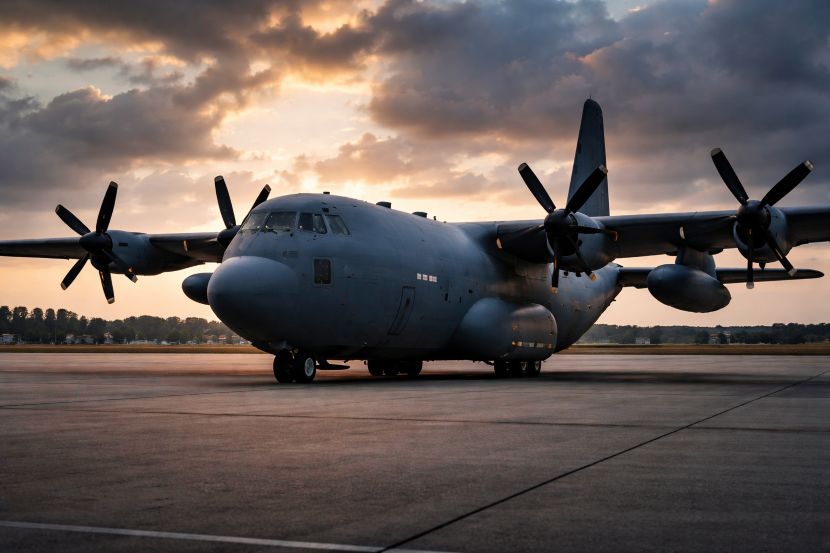 Image generated with Ai
Merlin Labs, a leading aerospace and defence technology company, has reached a significant milestone in its ongoing work with the US Special Operations Command (USSOCOM) by successfully completing the Preliminary Design Review (PDR) for its C-130J Autonomy Program. This key achievement paves the way for the next phase of the program, which focuses on developing a reduced aircrew capability for the US Special Operations Forces (SOF) C-130J Super Hercules aircraft.
As part of a 105 million dollars contract awarded to Merlin, the completion of the PDR represents a major step in the integration of AI-powered autonomous systems into military aviation. The company is working to provide advanced autonomy solutions for C-130J aircraft, which will improve mission efficiency and enhance safety, offering significant operational flexibility for SOF.
A Step Forward in Aviation Technology
The PDR approval clears the way for the program to transition into the Critical Design stage, which is crucial for validating the system’s design and airworthiness. This development is a part of Merlin’s broader strategy to introduce autonomy into various aircraft, aiming to revolutionise how aviation operations are carried out by reducing the need for human pilots in critical military missions.
By incorporating advanced AI technology into the C-130J, Merlin aims to enhance the aircraft’s operational capabilities. The company is poised to introduce more autonomous functions that will allow for more flexible operations, supporting a range of military missions while ensuring higher safety standards.
Advertisement
Advertisement
The Role of the C-130J in Special Operations
The C-130J Super Hercules is a key asset for USSOCOM, performing a variety of roles including airlift, aerial refuelling, and special operations support. With the integration of Merlin’s autonomy system, the aircraft is expected to operate with greater efficiency and precision, enhancing its capabilities in missions where human crew numbers can be reduced without compromising safety or performance.
This technological leap forward has the potential to transform the way special operations are conducted, with a focus on lowering operational risks while simultaneously improving mission success rates. The success of the PDR is a testament to the growing reliance on autonomous systems in modern military aviation, a field where the US leads globally.
Advertisement
Advertisement
Future Prospects for Autonomous Flight in Military Aviation
Following the PDR, the next steps in the development process include the Critical Design Review, system integration, ground testing, and flight demonstrations. These stages will test the aircraft’s ability to perform fully autonomous takeoff, flight, and landing, offering a comprehensive proof of the system’s capabilities.
Merlin’s work with the US military on the C-130J autonomy program forms part of a broader initiative to integrate AI across the aviation sector. This initiative not only aims to enhance military aviation but could also pave the way for similar technologies to be applied in civilian and commercial aviation in the future.
Impact on Global Aviation and Tourism
The success of Merlin’s autonomy platform is poised to have wider-reaching effects on the global aviation industry, including the tourism sector. Autonomous systems, particularly those developed for military applications, could eventually influence commercial aviation operations, leading to safer, more cost-effective air travel.
Tourism, heavily dependent on the aviation sector, stands to benefit from these advancements. Reduced operational costs for airlines could lead to more affordable flights, while enhanced safety features in aircraft could improve passenger confidence in air travel. As aviation technology continues to evolve, these innovations will likely play a key role in shaping the future of global tourism, contributing to more efficient, secure, and sustainable travel options for consumers worldwide.
Merlin’s continued success in advancing autonomous aviation technology is a clear indicator of how defence innovations can have transformative impacts on other industries, particularly those as vital as tourism. The crossover potential for technology initially designed for military use will undoubtedly have a ripple effect, making travel and tourism safer and more reliable for passengers across the globe.
Advertisement
