Image generated with Ai
In 2026, Mexico and Canada cross-border tourism to the U.S. will face significant changes, including increased fees, stricter visa processes, and new reporting requirements due to enhanced security measures. Here’s everything you need to know. These changes are driven by the U.S. government’s effort to strengthen national security, enforce immigration policies, and address economic concerns. As a result, travelers from both Mexico and Canada will experience more complex entry procedures, such as higher visa application fees, mandatory disclosures of social media and email histories, and the introduction of biometric verification measures. These new requirements will not only impact tourists but also business travelers, potentially causing delays and longer wait times at border crossings. This article outlines the key changes that will affect travelers from Mexico and Canada, helping you understand how to navigate the evolving landscape of U.S. travel in 2026.
Cross-border travel between the United States, Canada, and Mexico has historically been vital for commerce, tourism, and family connections, with some exceptions. Programs like NEXUS and Global Entry streamlined travel for trusted individuals. However, in 2026, significant policy changes, driven by heightened security, economic shifts, and geopolitical factors, will affect millions of travelers. U.S. immigration policies, border security, and international relations have led to increased travel fees, biometric mandates, and new reporting requirements. These changes reflect a focus on national security, immigration enforcement, and economic protectionism, transforming the travel landscape for individuals, businesses, and North America as a whole.
Advertisement
Image generated with Ai
For Canadian citizens and residents, the U.S. border remains an essential gateway for travel, whether for tourism, business, or familial reasons. However, as of 2026, the introduction of stricter entry requirements and heightened security measures has changed the landscape of cross-border travel.
New Entry Requirements
Advertisement
Advertisement
The Remote Area Border Crossing (RABC) Program
One of the most significant changes for Canadian travelers is the phased discontinuation of the Remote Area Border Crossing (RABC) program. Until September 14, 2026, Canadians and Americans in remote areas (such as those near the Northwest Angle or in parts of Ontario) could use an RABC permit to cross the border without reporting. However, after that date, all travelers will be required to report their entry via a new telephone reporting system (888-CAN-PASS) or in person at staffed border points. This shift complicates travel for people in more remote regions who relied on the convenience of the RABC program.
Customs and Trade Considerations
Travelers to Canada should also be aware of ongoing trade tariffs, which have increased inspection rates at the border. A 25% surtax on U.S. goods (including steel, aluminum, and automotive parts) has caused Canadian customs officers to perform more detailed inspections of goods being brought into Canada, especially on personal vehicles. These measures slow down crossing times and can significantly increase the costs of transporting goods.
Advertisement
Advertisement
Image generated with Ai
Mexico, the third major player in North American border relations, also faces changes that affect U.S.-bound travelers. With the imposition of higher entry fees, new documentation requirements, and stricter enforcement of vehicle and electronics regulations, 2026 will be a more complicated year for Mexicans and others seeking to cross into the United States.
New Entry Fees
Electronics Regulations and “Laptop Tax”
One of the more controversial changes involves a stricter approach to electronics at the Mexican border. As part of an effort to curb smuggling and ensure compliance with local laws, Mexico has imposed a “laptop tax” on travelers bringing in additional electronics. Only one laptop or tablet per person is permitted duty-free. Travelers with more than one device could face fines or taxes up to 19% of the item’s value, or worse, a penalty of up to $4,000 USD for noncompliance.
Image generated with Ai
In addition to the major changes to entry requirements and customs procedures, there are several key fees that travelers will face as they cross the U.S., Canadian, and Mexican borders in 2026. These new fees are designed to fund enhanced security measures and increase enforcement of border regulations.
U.S. Border Fees
Mexico Border Fees
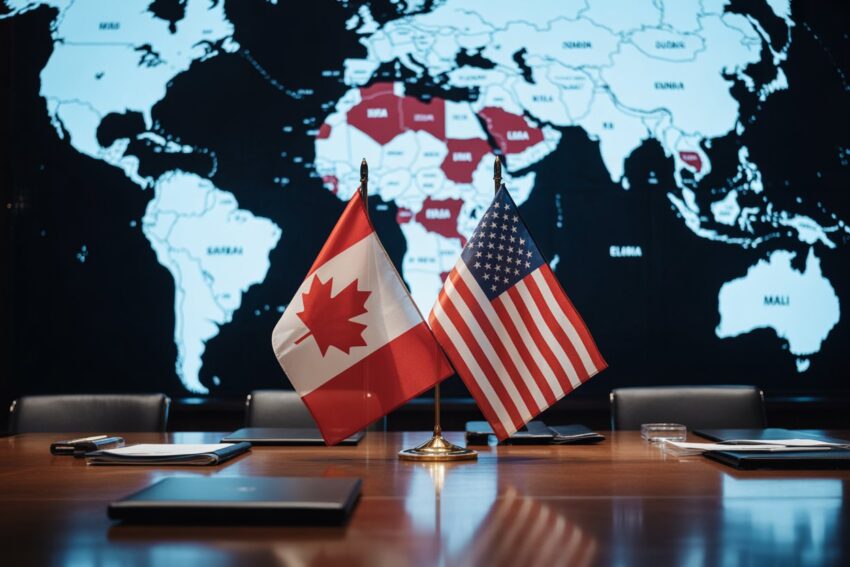
Image generated with Ai
Both Canada and Mexico face challenges related to visa processing delays and border congestion. The rapid increase in fees and the complexity of crossing requirements have compounded these problems.
Visa Processing Delays
The delays are not only frustrating for individuals but also have a ripple effect on businesses that rely on cross-border workers, tourists, and trade.
The changes in border policies will undoubtedly have a profound economic and social impact on North America.
Tourism and Business Travel
The increased costs for crossing the border—especially the new visa fees and higher entry charges—could dissuade tourists from traveling to the U.S. or Canada. This, in turn, could affect the hospitality, entertainment, and transportation industries, which rely heavily on cross-border tourism. Likewise, business travelers may find themselves facing higher costs and longer wait times.
Labor Markets and Cross-Border Workers
Increased border security and delays could disrupt the flow of labor between Mexico and the U.S. Mexican nationals working in the U.S. will face heightened scrutiny and longer processing times, which could affect seasonal workers in agriculture and other industries.
Trade and Commerce
The impact on trade flows will be felt most acutely in industries like agriculture, automotive manufacturing, and high-tech goods, where border delays and tariff inspections can cause supply chain disruptions. The 25% surtax on U.S. goods entering Canada, coupled with the stricter vehicle import regulations in Mexico, presents a challenge for businesses on both sides of the border.
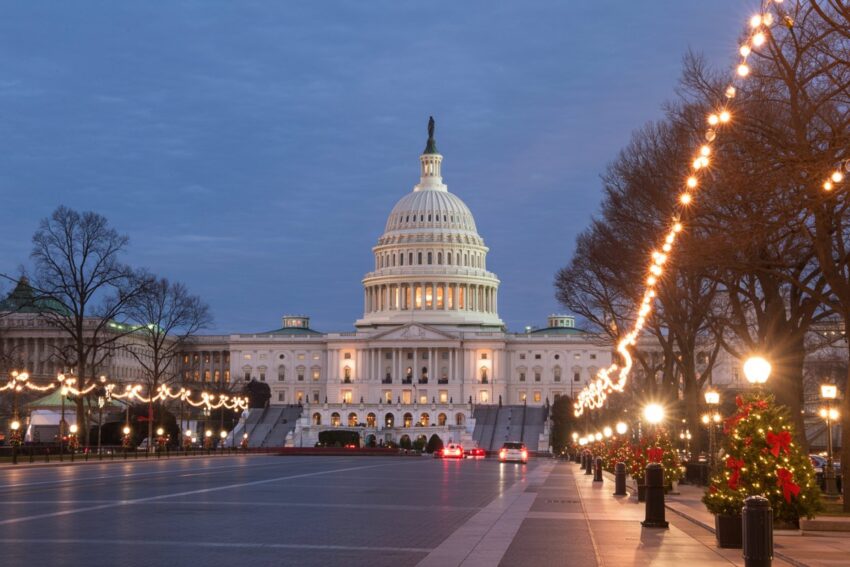
Image generated with Ai
Although the changes in policy affect both Canada and Mexico, they do so in different ways. Canada’s shift involves more stringent security checks, including biometric data collection and the discontinuation of the RABC program, while Mexico’s focus is on increasing fees, tightening vehicle importation regulations, and monitoring electronics more closely.
Geopolitical and Economic Context
Canada’s close political and economic ties with the U.S. make the border changes less disruptive but still impactful, especially for frequent travelers and those in remote regions. In contrast, Mexico’s border policies are directly influenced by trade tensions, such as the tariffs on steel and aluminum, and the ongoing review of the USMCA agreement.
In 2026, Mexico and Canada cross-border tourism to the U.S. will face significant changes, including increased fees, stricter visa processes, and new reporting requirements due to enhanced security measures.
The cross-border tourism between Mexico, Canada, and the U.S. in 2026 will face plenty of new travel changes, driven by increased fees, stricter visa processes, and enhanced reporting requirements due to heightened security measures. These changes are designed to strengthen border security, improve immigration enforcement, and ensure more comprehensive vetting of travelers. While these new measures may complicate travel for many, they are essential steps in safeguarding national security and managing cross-border movement effectively. As a result, travelers will need to adapt to these new regulations to ensure smoother entry into the U.S.
Advertisement
Advertisement
Advertisement












Wednesday, September 2, 2026
Wednesday, September 2, 2026

Wednesday, September 2, 2026

Wednesday, September 2, 2026

Tuesday, September 1, 2026

Wednesday, September 2, 2026

Wednesday, September 2, 2026