
Mexico’s Tulum Struggles Through Worst Season In A Decade With Overpriced Services, Restricted Beach Access, And Declining Airline Connectivity

Published
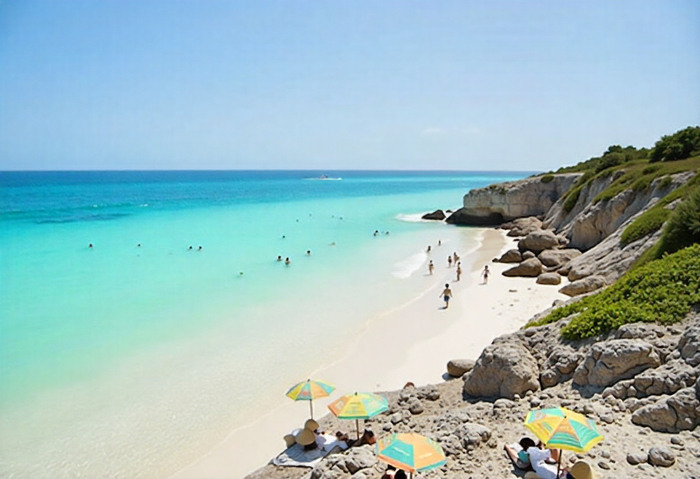
Image generated with Ai
Mexico’s Tulum is navigating its most difficult tourist season in over a decade, as rising prices, restricted access to its famous beaches, and fewer airline connections have deterred visitors. Coastal hotel occupancy has dropped to just 30%, with the town center faring even worse at 15%. Luxury resorts have responded by cutting rates by up to 35%, while reduced flights have left travelers with limited options to reach the area.
Multiple factors have contributed to this downturn. Record-breaking sargassum blooms have blanketed the beaches, turning the waters murky and producing strong odors that keep tourists away. At the same time, entry fees for federally protected coastal areas—around $22 for foreign visitors—have caused frustration, while rising costs for accommodations, transportation, and beach clubs have intensified the perception that Tulum no longer offers value for money.
Advertisement
Advertisement
With environmental pressures, economic challenges, and infrastructure shortcomings all taking a toll, Tulum’s tourism sector stands at a critical crossroads. The way the destination addresses these issues will determine whether it can reclaim its reputation as a premier Caribbean getaway or continue to experience declining visitor numbers.
Record Sargassum Burden
Advertisement
Advertisement
The first major factor behind Tulum’s struggles is nature itself. The 2025 sargassum bloom reached record levels, with vast mats of the brown seaweed washing ashore by April. Once-clear waters turned murky, and the air was filled with a strong, unpleasant odor. While other Caribbean destinations regularly contend with sargassum, Tulum’s tourism decline suggests that environmental issues alone cannot explain the downturn.
Advertisement
Advertisement
Beach Access Fees Ignite Controversy
Adding to the challenges, a newly established federally protected coastal reserve introduced beach access fees, triggering public frustration. International visitors now pay around $22 to enter the beaches, while locals are charged $14. The fees prompted protests and widespread criticism, as residents and travelers alike felt the charges were discouraging tourism.
In response, a number of hotels and beach clubs have begun offering free beach access to guests, creating a workaround for visitors wishing to bypass the reserve fees. This move has been seen as a small but important step toward restoring confidence among travelers.
Advertisement
Advertisement
Rising Prices and Service Gaps
Economic pressures have intensified Tulum’s woes. Average nightly hotel rates reached $450 in 2025, representing a 25% increase from 2023. Ironically, some luxury properties have seen rates decline over recent years due to weakening demand. Visitors also face high taxi fares, minimum consumption requirements at beach clubs, and other hidden costs, leading many to feel the experience no longer justifies the price.
Advertisement
Advertisement
Meanwhile, infrastructure has struggled to keep pace with the town’s rapid growth. Water rationing affects several neighborhoods, public services remain inconsistent, and overall comfort has declined. The once-charming, relaxed atmosphere that attracted travelers worldwide is diminishing, causing some to redirect their vacations to alternative Caribbean destinations.
Airport Struggles Mirror Tourism Decline
The inauguration of the new airport in late 2024 brought initial optimism, with over 1.2 million passengers handled in its first year. However, by mid-2025, international carriers had already reduced or canceled flights due to declining demand. The airport’s difficulties reflect the broader downturn affecting the region, signaling that infrastructure alone cannot sustain tourism without addressing underlying issues.
Signs of Potential Recovery
Despite these challenges, there are early indications of change. Hotels offering free beach access signal a willingness to respond to visitor concerns. Slower tourism growth may also allow the region to focus on long-term sustainability, including improved wastewater management, reef protection, and responsible development. Local markets are seeing renewed interest in authentic crafts and cultural experiences, indicating a shift away from purely Instagram-driven tourism.
Advertisement
Advertisement
Experts suggest that for Tulum to regain its status, it must balance fair pricing, accessible beaches, and sustainable growth while restoring the authenticity that made it unique. Without these changes, travelers may continue exploring other destinations in the Caribbean.
Practical Travel Tips
- Parque del Jaguar entry: $22 for foreign visitors, $14 for locals, free for residents with ID
- Several hotels and beach clubs offer complimentary beach access
- Sargassum is most prevalent during summer months
- Early booking ensures better rates amid the downturn
- Alternative nearby beaches include Akumal and Playa del Carmen
Getting to Tulum
- Tulum International Airport (TQO) provides limited flights
- Maya Train connects Playa del Carmen to Tulum in under one hour
- Cancún International Airport, about two hours away, offers broader flight options
Best Time to Visit
- December through April typically sees lower sargassum levels
- Summer months have reduced hotel occupancy, often resulting in attractive deals
Tulum now faces a pivotal moment. While environmental and economic challenges have shaken its tourism industry, careful management, sustainable practices, and a renewed focus on authentic experiences could help the destination reclaim its former appeal. For visitors seeking natural beauty, cultural richness, and an escape from crowded resorts, Tulum still has much to offer—but only if strategic changes take hold soon.
Advertisement
