
Barcelona, Spain, 2028 Airbnb Ban: Essential Accommodation Strategies for the Approaching Rental Shortage

Published
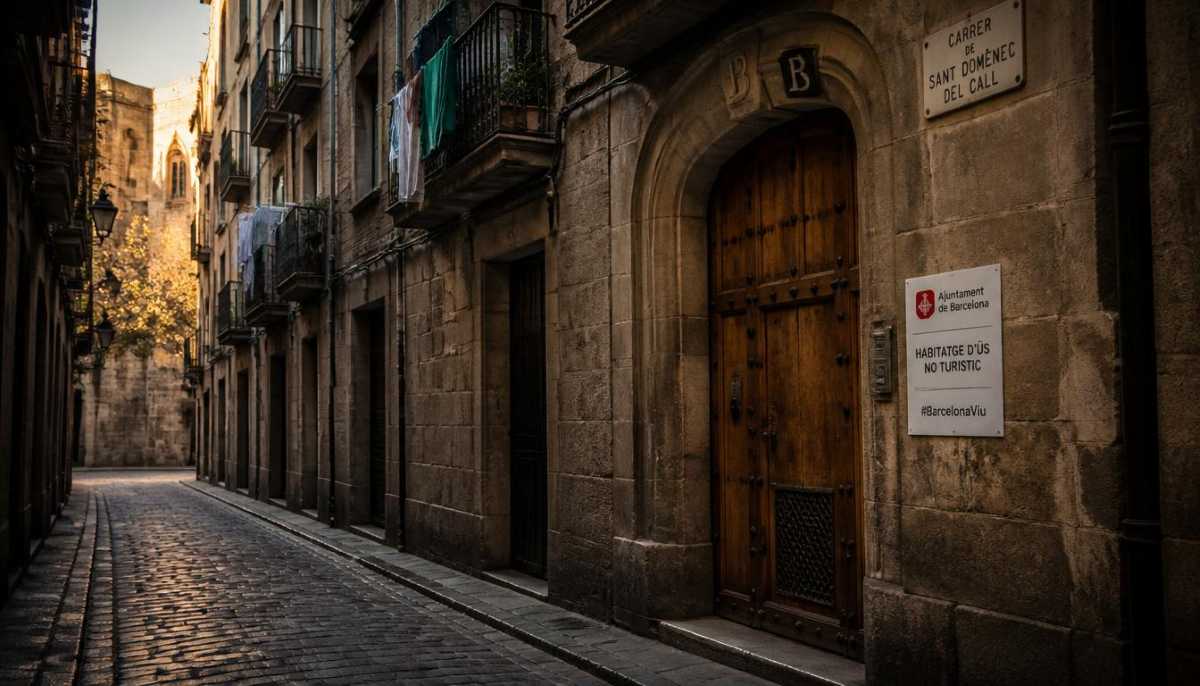
Image generated with Ai
A comprehensive ban on short-term apartment rentals for tourists is poised to be implemented by the city of Barcelona by November 2028. This landmark regulatory decision marks a significant shift in the European urban landscape, signalling a decisive move by local authorities to address an unprecedented housing affordability crisis. For travelers who frequently rely on platforms like Airbnb or Vrbo, this upcoming change represents a fundamental alteration to the way visits to the Catalan capital must be planned. It is essential that the rationale behind this policy is thoroughly understood by prospective visitors, as travel strategies must be adapted well in advance of the impending deadline to avoid severe accommodation shortages and unforeseen logistical complications.
The Motivation Behind the Rental Crackdown
The decision to eliminate short-term tourist apartments—officially defined by local ordinances as residential properties rented for periods of less than 31 consecutive days—is driven by an urgent necessity to stabilize the local housing market. In recent years, it has been widely observed that the unchecked proliferation of holiday lets has severely limited the availability of residential properties for permanent citizens.
According to statistical data provided by the Barcelona City Council, rental prices have been driven up by nearly 70% over the last decade, while the cost of purchasing a home has been escalated by almost 40%. The impending removal of approximately 10,101 active tourist apartment licences is intended to return these coveted units to the long-term rental pool. By doing so, it is anticipated that the real estate market will be stabilized, and the intense economic pressures currently faced by local inhabitants will be meaningfully alleviated.
Timeline and Implementation of the Policy
It has been confirmed by municipal leaders that the measure will be fully enforced by the conclusion of 2028, at which point all existing licences for tourist apartments are set to be permanently revoked. This four-year period serves as a critical transition phase, allowing the current model of short-term letting to be systematically phased out by the city.
Advertisement
Advertisement
During this interim period, property owners are currently being required to comply with strictly enforced regulations, and it has been mandated that absolutely no new licences will be issued. Furthermore, robust inspection protocols are expected to be deployed by city officials to identify and penalize illegal, unlicensed rentals. This timeline is critical for travelers to note; while apartment rentals may still be secured in the immediate future, their availability is expected to be diminished steadily as the ultimate deadline approaches.
Advertisement
Advertisement
Addressing Traveller Concerns: Frequently Asked Questions
Why is Barcelona banning Airbnb-style apartments?
The restriction is primarily justified by the need to combat the severe housing shortage and the resulting inflation of living costs for permanent residents. It has been determined that the tourism boom has led to the gentrification and hollowing out of historic districts. By reclassifying these tourist units as standard residential properties, it is hoped that a healthier balance between mass tourism and local living will be regained. Ultimately, the displacement of residents from highly sought-after neighbourhoods like Ciutat Vella, Gràcia, and Eixample is expected to be prevented.
When does the ban on tourist apartments in Barcelona take effect?
The complete termination of all existing short-term rental licences is scheduled to be completed by November 2028. Until this specific date is reached, it is possible that some legally operating apartments may still be found by visitors. However, the overall inventory of available units is being deliberately and continuously reduced by city authorities through strict attrition and enforcement of zoning laws.
Will this ban affect hotel bookings in Barcelona?
The ban is specifically targeted at unlicensed or short-term residential apartments, rather than heavily regulated tourist accommodations like traditional hotels. Consequently, it is heavily anticipated that the demand for traditional hotel rooms, boutique hostels, and specially zoned aparthotels will be increased significantly. Accommodations must be booked by travelers well ahead of their planned arrival dates, as the hospitality market is highly likely to be tightened following the removal of these alternative rental options.
Advertisement
Advertisement
The Evolving Landscape of European Urban Tourism
It should be noted that Barcelona is not alone in its regulatory struggle. Various forms of restrictive legislation against short-term rentals have previously been implemented by other major tourist hubs, such as Lisbon, Amsterdam, Paris, and Berlin. However, Barcelona’s total ban approach is widely viewed as the most aggressive and comprehensive strategy to be introduced to date within Europe. This dramatic shift underscores a much broader global trend wherein the liveability of urban centres is being prioritized by local governments over the unrestrained, exponential growth of the visitor economy.
A complete transformation in the visitor experience should be anticipated by future tourists. While the unique charm of staying in a local, residential apartment will be made far less accessible, the focus of the tourism sector is being shifted toward supporting the traditional hotel industry and encouraging longer-term, highly sustainable tourism models. For those by whom future trips are being planned, it is highly recommended that current housing and accommodation regulations in Barcelona be monitored closely through official government channels. The city remains a premier global destination, but the methodology for experiencing it is undergoing a profound structural change, requiring all travel preparations to be handled with increasing diligence.
Advertisement
