
Costa Rica Strengthens Big Sustainable Tourism as Hotels Face Greater Pressure to Protect Nature

Published
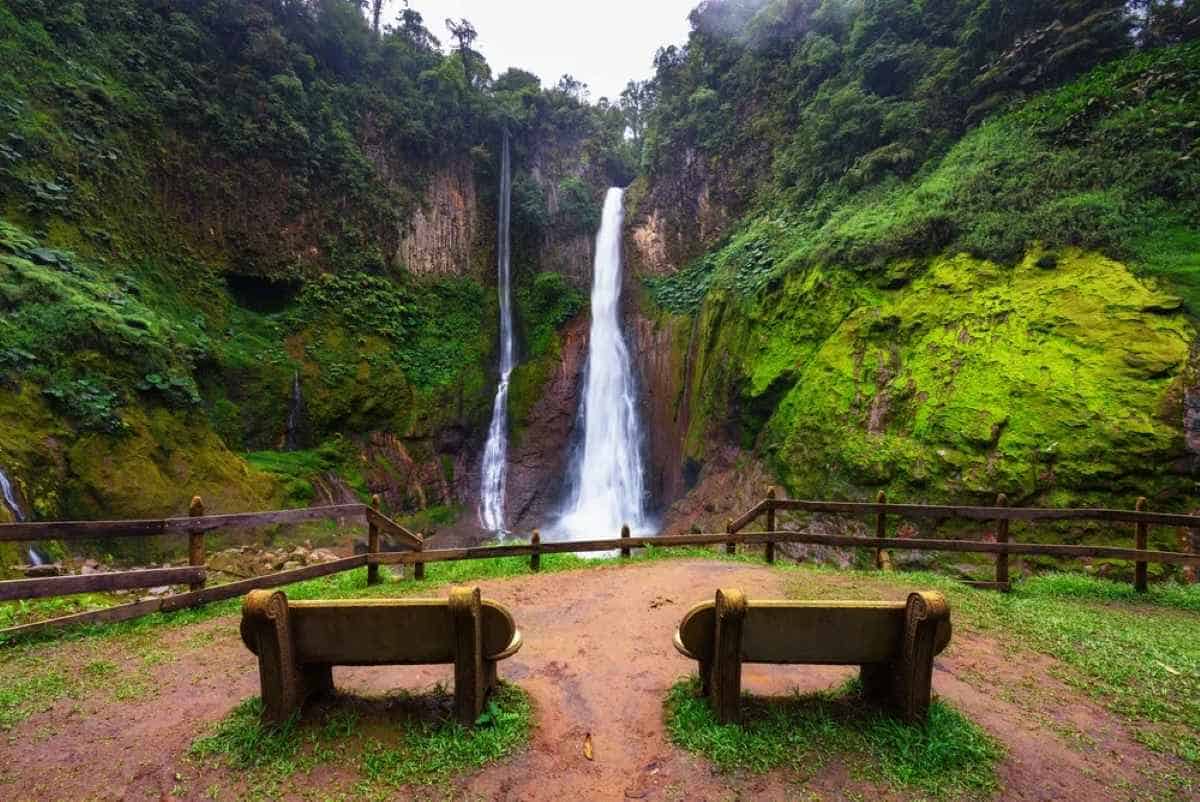
Costa Rica is enhancing its well-developed sustainable tourism framework, but the current development is not about the introduction of a new hotel tax system through satellite observations of the forest canopy. No credible and official information exists about the “Living Canopy” hotel program launched by Costa Rica’s Ministry of Environment and Energy on 3 October 2026 and about the fact that hotels get an 8% tax cut for their property or lodging taxes due to the forest regeneration around them. Also, no official information exists about the introduction of a government-endorsed “Canopy Health Badge” by the main booking platforms to measure the biological effects of the stay at each particular hotel. However, the real situation is different but still important. Costa Rica already has one of the most developed sustainable tourism frameworks in the region.
Costa Rica Already Has a National Sustainability Framework
The Costa Rican Tourism Institute, or ICT, operates the Certification for Sustainable Tourism (CST) programme, which assesses tourism businesses according to environmental, social, economic and cultural criteria.
Advertisement
Advertisement
The programme covers accommodation providers and several other tourism categories. Its current framework includes Basic and Elite levels, with companies assessed through an online audit and evaluated across areas including business management, social and economic impact, environmental impact and destination-level effects.
In February 2026, the ICT announced a renewed digital platform for the CST programme as part of an effort to make sustainable tourism certification more accessible and visible.
Advertisement
Advertisement
The ICT said the programme had more than 150 certified entities at that point, covering businesses ranging from accommodation providers to tour operators and other tourism services.
That is a much more firmly documented development than the claimed October hotel-tax initiative.
Advertisement
Advertisement
Sustainability Can Influence How Hotels Compete
Costa Rica’s sustainability system is not simply an environmental label.
The CST programme is designed to help tourism businesses improve resource efficiency, reduce environmental impacts and demonstrate responsible operating practices. Certified companies can use the CST distinction as a way of differentiating their products in the tourism market.
The programme also addresses issues such as energy and water efficiency, waste management, community relationships and environmental impacts.
For travellers, that creates a recognised framework for comparing accommodation providers rather than relying solely on marketing language such as “eco”, “green” or “jungle-friendly”.
The ICT specifically describes CST as a mechanism intended to help distinguish businesses that follow defined sustainability standards from companies making unsupported green claims.
Forest Conservation Has Its Own Financial System
Costa Rica also has a separate mechanism that connects forests with financial recognition.
Advertisement
Advertisement
The country’s Payment for Environmental Services (PSA) programme, administered by FONAFIFO, provides financial recognition to forest and plantation owners for environmental services.
Those services include greenhouse gas mitigation, biodiversity protection, water protection and the preservation of scenic natural beauty for tourism and scientific purposes.
This is important because it explains where part of the viral claim may have originated.
Costa Rica genuinely uses financial mechanisms to recognise environmental services. But that does not mean hotels automatically receive a percentage reduction in their lodging or property taxes according to satellite-measured forest canopy.
The two systems should not be confused.
Tax Incentives Exist, But They Work Differently
Costa Rica does have tourism-related fiscal incentives under its tourism development legislation.
Advertisement
Advertisement
The ICT’s current information on Tourism Contracts states that qualifying tourism companies can receive specific fiscal benefits under the applicable law and regulations. Accommodation establishments can qualify if they meet the required conditions and obtain the relevant Tourism Declaration and approvals.
However, these incentives are not described as an automatic annual discount tied to biodiversity regeneration around a hotel.
The ICT also explicitly states that a standard Tourism Declaration by itself does not provide fiscal exemptions.
That distinction makes the claimed 8% “Living Canopy” tax discount particularly important to correct.
Climate Adaptation Is Becoming More Important
Costa Rica’s environmental policy is also moving beyond conservation towards climate resilience.
MINAE’s National Climate Change Adaptation Policy establishes a framework aimed at strengthening social, environmental and economic resilience through 2030. The national adaptation plan for 2022–2026 focuses on reducing climate-related losses, strengthening vulnerable communities and maintaining essential services as climate risks increase.
Advertisement
Advertisement
For tourism, that matters across the country.
Costa Rica’s attractions depend heavily on forests, wildlife, protected areas, beaches, rivers and other natural assets. Climate pressure therefore has direct implications for the destinations that hotels and tour operators sell to international visitors.
What Eco-Conscious Travellers Can Actually Look For
Visitors interested in responsible accommodation in Costa Rica don’t have to wait for the introduction of the government’s “Canopy Health Badge”. The existing CST framework gives a well-recognised foundation. Costa Rica’s official tourism website recommends that tourists go for certified accommodation and tour providers and to think of the consequences of their trips both for the environment and communities. Conservation is also an important part of Costa Rica’s broader tourism framework. According to the official information on tourism in Costa Rica, about 26% of the country’s territory is officially protected, while Costa Rica’s conservation framework protects approximately 25% of national territory. So, the true 2026 story is not about some new hotel tax experiment but about Costa Rica’s development of a tourism framework in which environmental performance, conservation and competitiveness work hand-in-hand. This means much more for tourists than just another viral badge – it is a proven way of showing commitment to sustainability.
Advertisement
