
Rolls-Royce Trent 1000 XE Could Triple Boeing 787 Engine Life and End a Major Source of Flight Disruption

Updated
Published
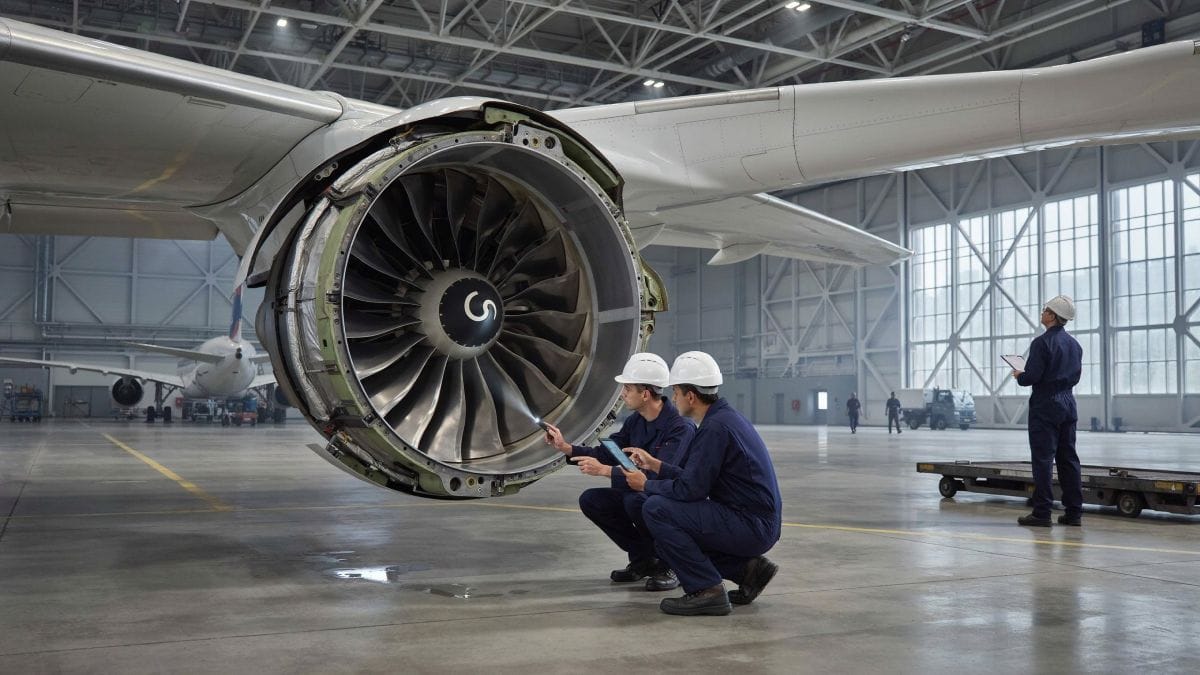
Image generated with Ai
The Rolls-Royce Trent 1000 XE may alter the operations and maintenance practices of airlines in relation to the Boeing 787 Dreamliner. A new design of the first-stage turbine blade and new cooling technologies may lead to an engine staying on wing for up to three times the duration of a typical Trent 1000 TEN. The Trent 1000 XE upgrade may increase cooling air flow by 40% and lower core metal temperatures by 45°C. This would improve engine life and lead to fewer sit-downs and unexpected redirects of flight itineraries. According to Rolls-Royce, the new design improves first-stage cooling by 40% and reduces first-stage temperature by 45°C. This would be a benefit to airlines and passengers, because engine durability problems with the earlier models of the Trent 1000 forced aircraft to be grounded, and disrupted long-haul flights across many different international markets.
Rolls-Royce Trent 1000 XE Targets Longer Engine Life
The Rolls-Royce Trent 1000 XE is the latest production standard for Rolls-Royce-powered Boeing 787 Dreamliners. It introduces a certified durability package designed to keep engines operating longer before maintenance-related removal.
The most important change centres on a re-engineered high-pressure turbine blade. This component operates in one of the hottest and most demanding areas of the engine.
Hot gases from the combustion chamber pass across the turbine blades. The energy helps drive the engine’s compressors and keeps its internal cycle running.
Advertisement
Advertisement
Constant heat and pressure can weaken turbine components over time. Oxidation, cracking and other forms of deterioration can shorten their service lives.
Advertisement
Advertisement
Rolls-Royce redesigned the blade and its internal cooling arrangement. The manufacturer says the new configuration provides 40 per cent more cooling airflow while cutting core metal temperatures by 45°C.
Lower temperatures can slow material damage. This could allow engines to remain installed for longer periods before they need major attention.
One Blade Is Not the Complete Story
Claims that Rolls-Royce tripled maintenance intervals through one redesigned blade simplify a much wider engineering programme. The high-pressure turbine blade is central to the improvement, but it forms part of a two-phase durability package.
Advertisement
Advertisement
The full programme includes:
- A re-engineered high-pressure turbine blade
- Revised internal blade-cooling passages
- Increased cooling airflow
- Lower core metal temperatures
- Further hot-section improvements
- Retrofit work for existing Trent 1000 TEN engines
- Expanded maintenance and overhaul capacity
Rolls-Royce says the completed XE standard can provide a typical time on wing of between three and six years for a normal widebody operation. The exact period will depend on how and where an airline uses the engine.
Advertisement
Advertisement
The official Rolls-Royce Trent 1000 product page states that the XE could deliver three times the time on wing of the preceding Trent 1000 TEN standard.
What Time on Wing Really Means
Time on wing describes how long an engine remains installed and operational before removal for maintenance. It does not always represent the interval between complete engine overhauls.
An airline may remove an engine for inspection, component replacement, performance restoration or another planned maintenance task. Some removals may involve a full shop visit, while others may require more limited work.
Several factors can affect the interval:
- Average flight duration
- Take-off thrust settings
- Hot weather
- Sandy or dusty environments
- Airport elevation
- Maintenance practices
- Engine operating cycles
- Airline route patterns
The claim of a threefold improvement should therefore be treated as a manufacturer-backed performance target. It does not guarantee an identical result for every engine or airline.
Advertisement
Advertisement
Trent 7000 Experience Supports the New Design
The redesigned blade is not entirely new or untested technology. Rolls-Royce previously introduced a related design on the Trent 7000, which powers the Airbus A330neo.
The manufacturer says Trent 7000 engines using the upgraded blade have accumulated more than two million flight hours. Some operators have reportedly achieved close to three times the previous time-on-wing interval.
Rolls-Royce believes this service experience provides a strong basis for using the technology on the Trent 1000 XE. However, the Trent 7000 and Trent 1000 operate on different aircraft and may face different route conditions.
The company’s official Trent 1000 XE technical explanation provides additional information about the blade’s use on the Trent 7000.
Why the Trent 1000 Needed a Durability Upgrade
The Trent 1000 entered commercial service in 2011 and powered the first Boeing 787 delivered to All Nippon Airways. The engine later experienced several durability issues across different versions and components.
Advertisement
Advertisement
Problems reported during its operating history included:
- Intermediate-pressure turbine blade corrosion
- High-pressure turbine blade deterioration
- Intermediate-pressure compressor cracking
- More frequent engine inspections
- Premature engine removals
- Limited repair and replacement capacity
These problems forced some airlines to remove engines earlier than expected. Aircraft sometimes remained grounded while operators waited for inspections, replacement parts or maintenance slots.
The disruption carried a financial cost. Airlines had to adjust schedules, lease replacement aircraft, carry spare engines and change long-haul fleet plans.
Regulators Required Inspections and Corrective Action
The European Union Aviation Safety Agency issued airworthiness directives covering affected Trent 1000 high-pressure turbine blades. Regulators found that some blades could deteriorate despite existing inspection requirements and maintenance limits.
EASA warned that undetected deterioration could lead to blade failure. This could cause an in-flight engine shutdown and reduce an aircraft’s available power.
Advertisement
Advertisement
Required measures have included:
- Repeated borescope inspections
- Removal of engines when damage is found
- Replacement of affected turbine blades
- Restrictions on pairing certain engine configurations
- Compliance with Rolls-Royce service bulletins
The current EASA Trent 1000 airworthiness directive distinguishes affected older blades from newer components considered serviceable under the directive.
The US Federal Aviation Administration has also issued mandatory requirements covering Rolls-Royce-powered Boeing 787 aircraft.
Existing Boeing 787 Engines Can Receive the Upgrade
Rolls-Royce has made the XE its production standard for future Trent-powered Boeing 787 deliveries. The company is also introducing the improvements to existing Trent 1000 TEN engines.
Airlines do not need to replace their entire engine fleets at once. Maintenance centres can install approved components when engines enter scheduled shop visits.
Advertisement
Advertisement
Rolls-Royce began fitting enhancement parts to new engines before final certification. This reduced the time between regulatory approval and commercial introduction.
The manufacturer has said it intends to upgrade the Trent 1000 fleet within two years of the durability package’s June 2025 launch. Actual completion will depend on shop capacity, airline schedules and component availability.
What the Rolls-Royce Trent 1000 XE Means for Airlines
Widebody engine maintenance can take an aircraft out of revenue service for a long period. Spare engines and replacement aircraft also carry substantial costs.
Longer time on wing could provide several benefits:
- Fewer engine removals
- Lower maintenance pressure
- More predictable schedules
- Reduced demand for spare engines
- Better Boeing 787 availability
- Improved long-haul fleet planning
- Fewer aircraft waiting for engine work
Rolls-Royce includes TotalCare support with the Trent 1000 XE. Under this service model, the manufacturer manages long-term engine maintenance and receives payments linked largely to engine use.
Advertisement
Advertisement
Improved durability therefore benefits airlines and Rolls-Royce. Operators gain better aircraft availability, while the manufacturer can reduce expensive maintenance exposure.
Why Passengers Should Care
Passengers will not notice a visible cabin change when flying on a Trent 1000 XE-powered Boeing 787. The aircraft will retain the same seating, windows and passenger facilities selected by the airline.
The potential benefit appears through operational reliability. More durable engines may help carriers keep aircraft flying as scheduled.
Travellers could see:
- Fewer cancellations linked to unavailable aircraft
- Fewer last-minute aircraft changes
- More stable long-haul schedules
- Better availability of Boeing 787 services
- Less disruption from engines awaiting maintenance
The upgrade cannot prevent weather delays, airport congestion or unrelated technical faults. It can reduce one important source of disruption that previously affected some Trent-powered Dreamliners.
Advertisement
Advertisement
A £1 Billion Investment in Trent Durability
The Trent 1000 XE forms part of Rolls-Royce’s wider £1 billion durability improvement programme. The work covers several modern Trent engine families.
The programme includes the:
- Trent 1000 for the Boeing 787
- Trent 7000 for the Airbus A330neo
- Trent XWB-84 for the Airbus A350-900
- Trent XWB-97 for the Airbus A350-1000
Rolls-Royce originally aimed to raise average time on wing across its modern Trent fleet by 40 per cent. The company later increased that target to an average improvement of 80 per cent by 2027.
Details of the certified programme and retrofit plan appear in the company’s official durability package announcement.
Rolls-Royce Trent 1000 XE Faces Its Real Test in Service
The Rolls-Royce Trent 1000 XE has many improvements that address issues surrounding the durability of earlier Boeing 787 models. A newly designed turbine blade along with an enhanced cooling system and a larger hot-section package improves the engine’s ability to run for three to six years between removal. Airlines will experience easier scheduling, less grounded aircraft, and reduced maintenance demands. Passengers will experience less cancellations due to a lack of available Dreamliners. The Trent 1000 XE offers a three-fold improvement over the durability of previously installed engines. This improvement is based partly on the performance of the Trent 7000 engines. In what will be a more extensive testing phase, the new XE engine will be expected to perform the same way in different environments across many route networks. Then, the engines’ ability to meet the durability demands of operators will be known.
Advertisement
