
China Pairs Up With Turkey And More Countries In Urging De-Escalation And Fresh Talks To Protect Tourism, And Stability

Updated
Published
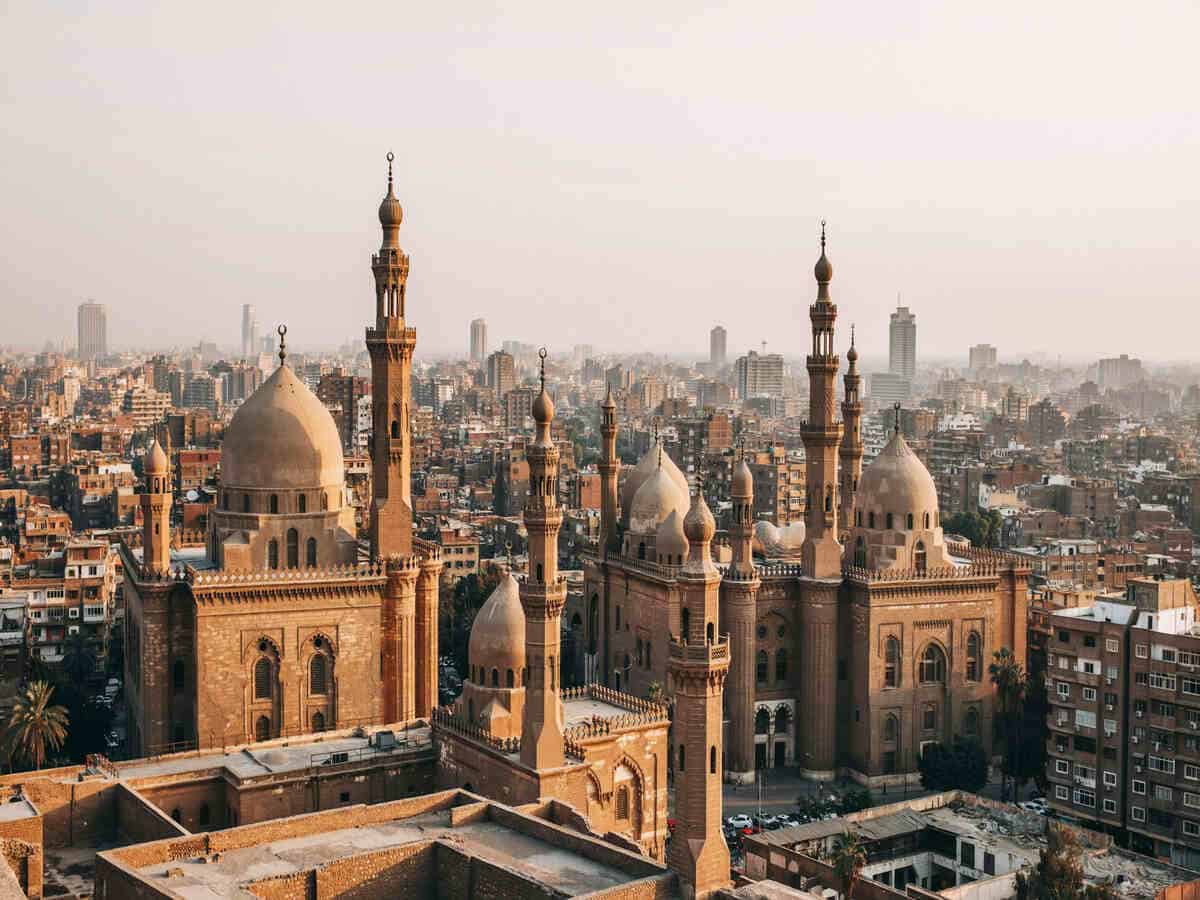
Image generated with Ai
China, Turkey, and allies are pressing the U.S. and Iran to resume dialogue to de-escalate the situation and avoid destabilizing the region, affecting tourism, and derailing aviation and energy traffic. China, Turkey, and several other nations are advocating for the resumption of U.S.-Iranian negotiations, as the situation in the Middle East appears to be heading toward a prolonged conflict.
The latest diplomatic efforts are not only focused on preventing military escalation but also protecting economic connections that depend on regional stability. The Middle East remains one of the world’s most important travel and transportation corridors, connecting Europe, Asia and Africa through major aviation hubs, maritime routes and business networks.
Advertisement
Advertisement
Countries calling for dialogue believe another round of talks between Washington and Tehran could reduce uncertainty and create a pathway towards a more stable environment. Their efforts highlight how geopolitical tensions can quickly influence tourism confidence, airline operations, international investment and traveller movement.
China Takes Leading Role In Calling For Dialogue Instead Of Escalation
China has emerged as one of the strongest voices urging the United States and Iran to return to negotiations. Beijing has opposed further pressure measures against Tehran and has argued that additional confrontation will not provide a lasting solution.
Advertisement
Advertisement
China’s approach centres on diplomacy, communication and political negotiations. Beijing believes that disputes between Washington and Tehran should be addressed through discussions rather than actions that could deepen tensions across the region.
Advertisement
Advertisement
The country’s position is also connected to wider economic and strategic interests. The Middle East remains crucial for global energy supplies, trade routes and international commerce. Any prolonged crisis could create uncertainty for businesses, airlines and tourism markets.
China’s call for fresh talks reflects concerns that instability could spread beyond Iran and the United States. A wider crisis could affect Gulf countries, international air routes, cruise operations and destinations that depend on millions of foreign visitors.
For tourism, stability is the foundation of growth. China’s diplomatic push highlights the importance of preventing further disruption in a region that plays a major role in global travel connectivity.
Advertisement
Advertisement
Turkey Builds Diplomatic Bridge Between Washington And Tehran
Turkey has positioned itself as another important supporter of renewed US-Iran dialogue. Ankara has encouraged both sides to continue communication and avoid steps that could increase tensions.
Turkey’s geographical position gives it a unique diplomatic role. The country shares a border with Iran while maintaining strong relationships with Western countries and regional partners. This allows Ankara to act as a communication bridge during periods of uncertainty.
Advertisement
Advertisement
Turkey’s peace efforts are also linked to protecting its own economic and tourism interests. The country is one of the world’s leading travel destinations, attracting millions of visitors through its cultural heritage, coastal resorts and major cities.
A prolonged Middle East crisis could affect travel confidence across the wider region. Airlines, tour operators and investors closely monitor security conditions before expanding operations.
By supporting negotiations, Turkey aims to reduce risks while strengthening its position as a regional mediator. Ankara’s involvement demonstrates how neighbouring countries are seeking diplomatic solutions to prevent a wider crisis.
Oman Strengthens Its Role As Neutral Middle East Mediator
Oman continues to be viewed as one of the most important countries supporting communication between the United States and Iran. The Gulf nation has traditionally maintained balanced relations with different sides and has often encouraged diplomatic engagement during regional disputes.
Oman’s position is especially significant because of its location near the Strait of Hormuz, a vital maritime passage for global energy transportation.
Advertisement
Advertisement
Any instability around this area could influence shipping, fuel costs and international travel. Higher uncertainty could affect airline expenses, tourism investment and business confidence across Gulf destinations.
Oman’s diplomatic approach focuses on maintaining communication channels and preventing misunderstandings from turning into larger confrontations.
The country’s own tourism ambitions also make regional peace a priority. Oman has invested heavily in nature tourism, heritage experiences, luxury hospitality and international visitor growth.
A stable regional environment would support Oman’s tourism expansion and encourage more travellers to explore the Gulf.
Pakistan Encourages Negotiations To Prevent Wider Regional Crisis
Pakistan has also supported diplomatic efforts aimed at reducing tensions between Washington and Tehran. Its geographic location and relationship with regional powers give Islamabad an important role in encouraging dialogue.
Advertisement
Advertisement
Pakistan shares a border with Iran and has strong connections with Gulf countries and China. This position allows Islamabad to understand the security concerns affecting different sides.
Pakistan’s peace efforts focus on preventing further escalation and encouraging political solutions. The country has repeatedly highlighted that conflict could create broader economic and security challenges for neighbouring nations.
Regional instability can directly affect tourism. South Asian travellers frequently rely on Gulf aviation networks for international journeys, while businesses depend on stable transportation routes.
Pakistan’s support for dialogue reflects a broader regional effort to ensure that tensions do not affect economic development, travel connectivity and cross-border cooperation.
Qatar Promotes Gulf Diplomacy And Regional Stability
Qatar has become another key supporter of diplomatic efforts aimed at reducing US-Iran tensions. The country has experience in international mediation and has maintained communication channels with multiple global and regional players.
Advertisement
Advertisement
Qatar’s approach focuses on reducing confrontation and encouraging discussions between opposing sides.
As a major aviation and business travel hub, Qatar has a strong interest in maintaining regional stability. Doha’s tourism sector depends on international visitors, airline connectivity and confidence among global travellers.
Any prolonged conflict in the region could affect flight routes, investment decisions and visitor expectations.
Qatar’s diplomatic efforts highlight the role of Gulf countries in protecting regional security while supporting economic growth.
Through dialogue and mediation, Qatar aims to help create conditions where tourism, trade and international cooperation can continue developing.
Advertisement
Advertisement
Saudi Arabia Pushes For Stability To Protect Gulf Economy And Tourism
Saudi Arabia is another important country seeking greater stability in the Middle East. The Kingdom has a major interest in preventing wider conflict because regional insecurity could affect energy markets, investment and tourism development.
Saudi Arabia is undergoing a major tourism transformation, aiming to attract international visitors through new destinations, entertainment projects and cultural experiences.
A stable Middle East is essential for achieving these ambitions. Tourism growth depends heavily on international confidence and perceptions of safety.
Saudi Arabia’s support for diplomatic solutions reflects the economic importance of maintaining peace across the Gulf.
By encouraging restraint and communication, Riyadh seeks to protect regional stability while continuing its long-term tourism expansion plans.
Advertisement
Advertisement
Russia Supports Political Solutions Amid Rising Tensions
Russia has also supported diplomatic approaches to resolving the US-Iran dispute. Moscow has traditionally maintained relations with Tehran and has argued that political discussions are necessary to prevent further instability.
Russia’s involvement adds another international dimension to the growing calls for negotiations.
The country believes that continued confrontation could create wider consequences beyond the Middle East, affecting global energy markets, trade routes and economic confidence.
For tourism, international cooperation remains critical. Political tensions can influence flight operations, travel decisions and destination popularity.
Russia’s position reflects a broader international concern that diplomacy remains the best option to prevent a larger regional crisis.
Advertisement
Advertisement
Why US-Iran De-Escalation Matters For Global Tourism
The push for fresh talks is not only a political issue. It has major consequences for the global tourism industry.
The Middle East serves as a major crossroads for international travel. Gulf airlines connect millions of passengers between continents, while countries across the region rely on tourism as a major economic driver.
A prolonged US-Iran confrontation could create challenges including:
- Reduced traveller confidence
- Increased aviation costs
- Greater uncertainty for airlines
- Lower tourism investment
- Disruption to regional connectivity
On the other hand, successful diplomacy could create new opportunities for travel growth.
Peace efforts could encourage airlines to expand routes, increase visitor confidence and strengthen tourism cooperation across the Middle East.
Advertisement
Advertisement
Diplomatic Efforts Could Shape The Future Of Middle East Travel
The growing involvement of China, Turkey, Oman, Pakistan, Qatar, Saudi Arabia and Russia shows that many countries view diplomacy as the only sustainable path forward.
Although major disagreements remain between Washington and Tehran, international calls for dialogue continue to increase as countries seek to avoid further instability.
For the tourism industry, the message is clear: peace and security remain essential for growth.
A successful return to negotiations could protect global travel networks, strengthen regional economies and support the Middle East’s ambitions to become one of the world’s most important tourism regions.
China, Turkey and other countries are calling for new US-Iran talks after several days of heightened tension, which could undermine both tourism and world security. The diplomats want to deescalate the situation and avoid any disruptions to regional travel and trade, and by extension global commerce and political stability.
As the situation unfolds, the wider international community will be waiting to see if these diplomatic efforts will allow both sides to seize the moment and usher in a new era of peace and regional tourism.
Advertisement
