
Guatemala Tourism Shifts Beyond Acatenango as Volcano Alerts Reshape Big Highland Travel

Published
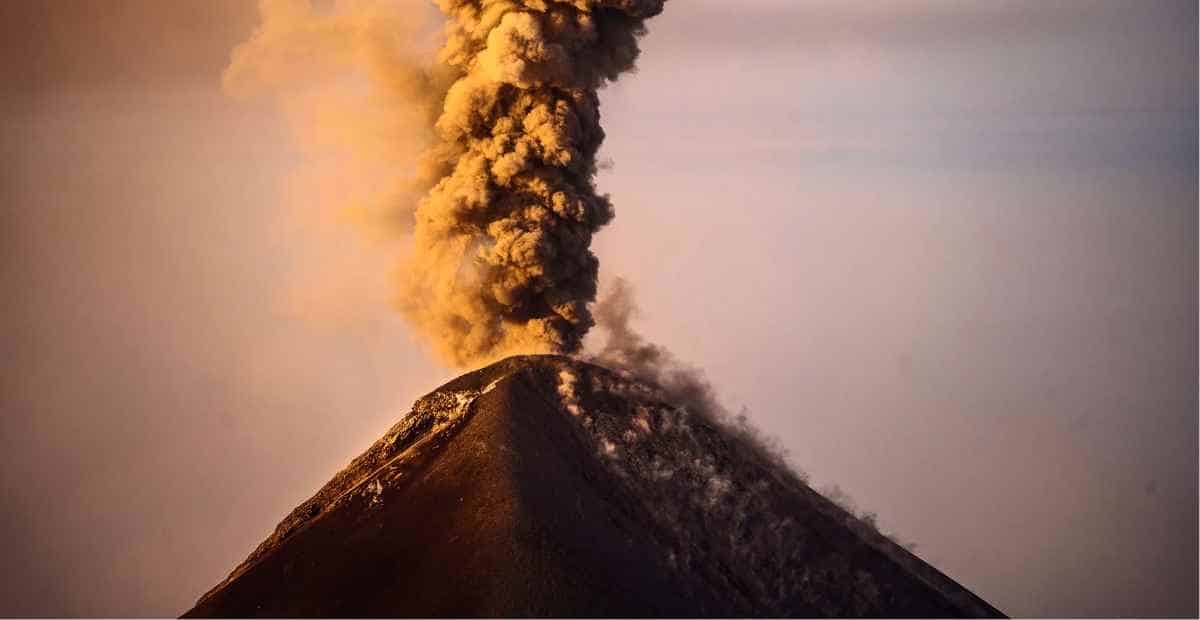
Guatemala travel is approaching mid-September, with volcano tours gaining increased scrutiny amid the resurgence of activity at Volcán de Fuego and Santiaguito volcano, affecting the organisation of these adventure tours. At the same time, there is domestic interest in the highlands, native cultures, nature and other mountains in relation to the 15 September Independence Day in Guatemala. The development is especially significant for Acatenango, one of the most popular volcano adventures and a key attraction in Antigua Guatemala. While traditionally attracting visitors to get close to the active volcanic area, today’s official rules have pushed the market towards safer viewing spots and other mountain destinations. This difference is significant as the latest official guidelines do not promote general movement to the high private camp at Acatenango. In August, the national disaster management organisation CONRED had kept personnel at the entrance to Acatenango to prevent tourists from climbing the mountain due to increased activity of Volcano Fuego.
Acatenango’s Famous Fuego Views Face a Safety Reset
Acatenango has become internationally recognised because its summit and upper slopes provide dramatic views towards Volcán de Fuego. The attraction has helped turn Guatemala into one of Central America’s leading destinations for volcano-based adventure travel.
Advertisement
Advertisement
However, Fuego’s activity has made the traditional viewing model more complicated.
CONRED reported in early September that Fuego was producing between five and eight weak to moderate explosions per hour, with ash columns reaching around 4,800 metres above sea level. The agency also recorded incandescent pulses, avalanches and volcanic material moving through several ravines.
Advertisement
Advertisement
For visitors, that means the attraction is increasingly about observing volcanic activity from an authorised and safer distance, rather than attempting to get as close as possible to an active volcano.
The country’s tourism guidance already recognises this principle. INGUAT’s volcano-adventure guidance says direct ascents of Fuego and Santiaguito are not recommended because of their eruptive activity, while Fuego can be viewed from safer areas near Acatenango.
Advertisement
Advertisement
Fuego Activity Changes Guatemala’s Adventure Landscape
The latest conditions are not limited to Fuego. Santiaguito, near Quetzaltenango, has also remained active.
On 8 September, CONRED reported that Santiaguito was experiencing continued degassing and between one and three weak to moderate explosions per hour. The report also noted incandescent blocks and the possibility of long-range pyroclastic flows, while warning that rainfall could mobilise accumulated volcanic material and produce lahars.
The result is a more cautious environment for high-altitude tourism around Guatemala’s active volcanic chain.
Rather than eliminating volcano tourism, this is encouraging a clearer distinction between active-volcano observation and direct summit access. Travellers can still experience Guatemala’s volcanic landscapes, but routes, viewpoints and guided activities must follow current restrictions and local authority instructions.
Quetzaltenango Offers Alternative Highland Experiences
Quetzaltenango, widely known as Xela, is particularly well positioned for this broader highland tourism approach.
The city provides access to mountains, indigenous communities, traditional markets and a range of nature experiences, while surrounding destinations offer alternatives to the more heavily marketed Acatenango adventure.
Advertisement
Advertisement
Chicabal is especially notable because its crater lake and surrounding landscape have cultural significance for Maya communities. The destination combines highland forest with a sacred natural environment, providing a very different experience from watching an active volcano erupt.
Santa María also remains an important mountain destination near Quetzaltenango. Its summit is one of the established viewpoints for observing Santiaguito from a distance, consistent with Guatemala’s official approach to volcano tourism that prioritises observation rather than direct access to active volcanic cones.
This gives Xela a strong platform for developing longer highland itineraries built around mountains, culture, nature and community experiences.
Indigenous Tourism Gains Importance During Independence Season
The 15 September Independence Day also creates a seasonal opportunity to showcase Guatemala’s indigenous cultural identity.
INGUAT has previously promoted Independence celebrations through destinations across the country, highlighting textiles, colours, traditions, music, gastronomy, handicrafts and other cultural expressions. Its national tourism material also identifies the Altiplano as an area of living Maya culture, with destinations such as Quetzaltenango and Chichicastenango forming part of the country’s cultural tourism offer.
For domestic travellers, the September holiday can therefore extend beyond large civic celebrations. Highland communities provide opportunities to experience traditional food, markets, crafts and landscapes while supporting local tourism businesses.
Advertisement
Advertisement
That creates a broader tourism proposition at a time when some volcano routes are facing restrictions.
Guatemala’s Highland Corridors Become More Diverse
The changing conditions around Fuego and Santiaguito could ultimately reinforce a longer-term diversification of Guatemala tourism.
Acatenango’s popularity has demonstrated the enormous international demand for mountain adventure, but the country’s highlands contain a much wider range of attractions. Forests, crater lakes, indigenous villages, coffee-growing landscapes, archaeological sites and traditional foodways can all form part of multi-day itineraries.
This is particularly relevant for travellers who are no longer looking only for a single summit challenge. Increasingly, the appeal of highland travel lies in combining physical activity with cultural immersion and nature.
Guatemala’s tourism authority itself describes volcano tourism as part of a wider experience economy, highlighting the country’s combination of volcanic landscapes, adventure and Maya cultural heritage. Its investment material identifies Acatenango as one of the country’s leading volcano attractions while also pointing to Chicabal and other mountains where natural and ancestral traditions intersect.
Official Link : https://conred.gob.gt/fuego-y-santiaguito-registran-explosiones-pacaya-mantiene-desgasificacion
Safety Becomes Central to Guatemala Volcano Tourism
What makes September tourist arrivals different in this case, however, is not only that there is no volcano tourism in Guatemala, but that the former has been reshaped in terms of safety and accessibility. CONRED’s most recent monitoring of Fuego advises people not to enter craters or restricted zones and to obey the instructions of local authorities. Also, CONRED warns about possible ash fall or volcanic material affecting nearby areas. With regard to Santiaguito, people are advised to stay away from ravines, volcanic slopes, and river beds because of the dangerous activities of the volcano. On this day of Independence in Guatemala, highland tourism is expanding in this country. Acatenango and Fuego are both good examples of adventure tourism in Guatemala, but the current situation makes people focus on authorised observation sites and other mountains and culture offered by the local community.
Advertisement
