
Australia Is Changing How We Travel Through New Tourism Campaigns Marketing Push Targets Longer Stays Today, Find Out Now

Published
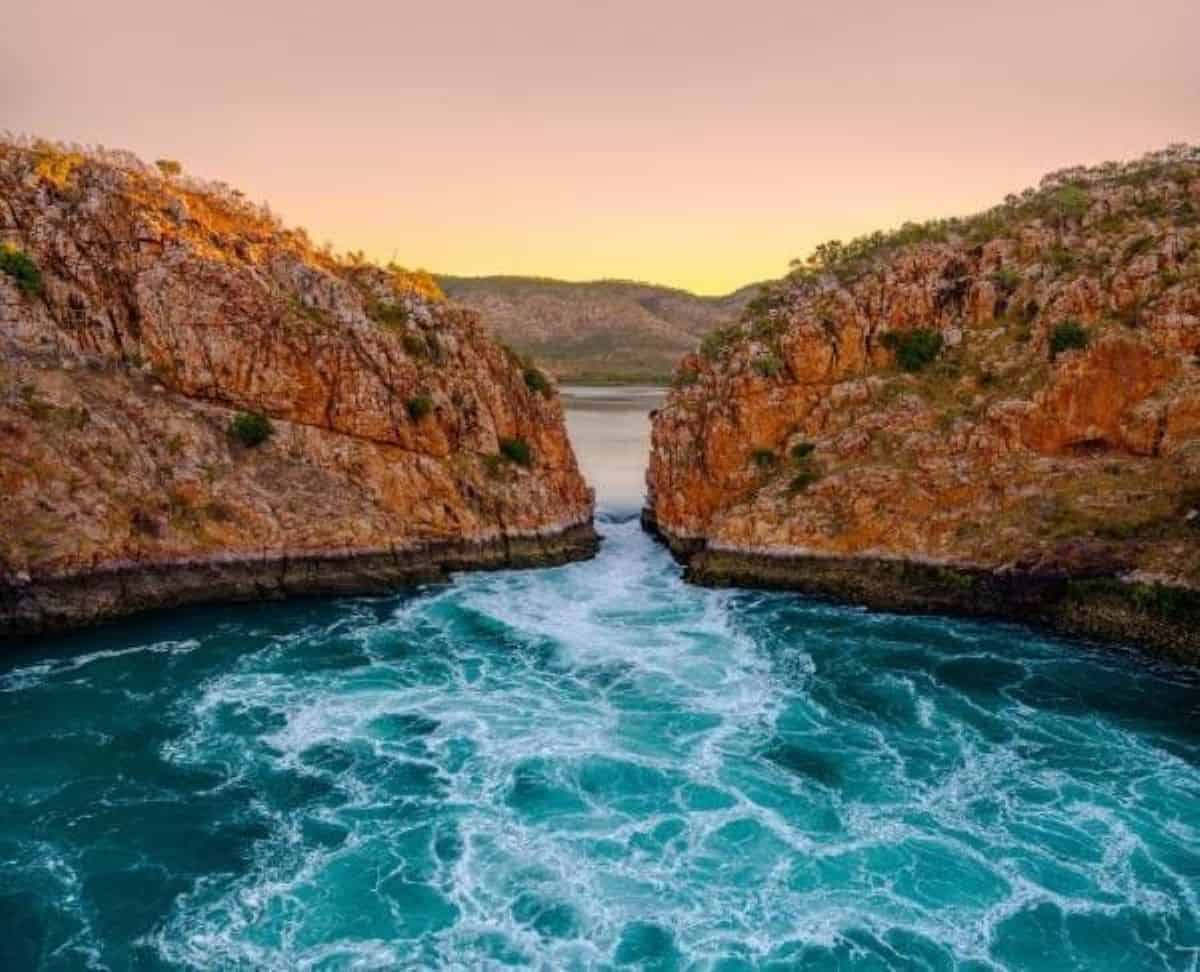
Forget about paced city trips and strict schedules there is a much better way to see Australia and it begins with taking your time. People today are not trying to rush from one photo location to another. Instead they want meaningful trips into nature that hasn’t been touched real stories from Indigenous communities and small towns where the local culture is alive and well. With Australia’s new focus on staying having big experiences and being kind to the environment your next trip isn’t just a vacation. It’s a connection, to the land and the people who live there leaving a light mark and memories that last forever.
How Is Australia New Tourism Campaigns Marketing Push Targets Longer Stays Adventure And Responsible Travel Driving Economic Value Across Regions Like Queensland And Tasmania?
Australia’s marketing architecture actively prioritises high-yield travellers over short-duration leisure stopovers to ensure that economic yield is distributed across every state. Youth demographic channels, particularly the Working Holiday Maker program, form a crucial pillar of this extended-stay model by attracting global travellers who remain in Australia for up to a year. These long-stay visitors inject continuous capital into regional economies like Queensland, Tasmania, and South Australia, while concurrently filling vital workforce shortages across regional tourism, agriculture, and hospitality sectors.
Under the federal mandates embedded within the THRIVE 2030 roadmap, a strict goal requires forty percent of total national visitor expenditure to occur outside major metropolitan capitals such as Sydney and Melbourne. This structural target channels funding away from congested urban corridors into rural communities, coastal villages, and Outback outposts like Broome and Alice Springs. By encouraging high-yield adventure travellers to rent vehicles, patronise local businesses, and stay weeks in regional hubs, the government transforms international travel into an engine for decentralised economic expansion.
Advertisement
Advertisement
Why Are Outdoor Adventures Central To Australia New Tourism Campaigns Marketing Push Targets Longer Stays Adventure And Responsible Travel In The Northern Territory And Victoria?
Australia’s global marketing leverage resides in its unrivaled natural capital, positioning eco-adventure experiences at the very forefront of international promotion. High-profile federal marketing frameworks like Signature Experiences Australia curate specialized operator networks, including Great Walks of Australia, Ultimate Winery Experiences, and Australian Wildlife Journeys. These promotional platforms encourage physically active, multi-day exploration along world-renowned wilderness routes like the Larapinta Trail in the Northern Territory and the Great Ocean Road coastline in Victoria.
Advertisement
Advertisement
Concurrently, Indigenous-led tourism initiatives like Discover Aboriginal Experiences integrate ancient cultural heritage and traditional land stewardship into modern eco-adventures. Travellers engaging with First Nations operators gain profound insight into traditional environmental management practices while exploring ecological reserves across Arnhem Land and the Daintree Rainforest. This direct commercial support empowers First Nations enterprise owners, preserves ancient cultural knowledge, and ensures that outdoor adventure travel actively safeguards Australia’s sacred landscapes.
What Makes The Green And Gold Promise Essential To Australia New Tourism Campaigns Marketing Push Targets Longer Stays Adventure And Responsible Travel In Western Australia?
The Australian Government and Tourism Australia launched the landmark Green and Gold Promise (Green is Our Gold) initiative to establish a unified sustainability standard across the nationwide visitor economy. This national framework encourages more than 360,000 Australian tourism businesses to commit to verified environmental standards and responsible operational practices. By linking public promotion directly with third-party verification bodies such as Ecotourism Australia and EarthCheck, the campaign eliminates greenwashing and builds authentic consumer trust.
Environmental integrity is enforced on the ground through strict regulatory partnerships with authorities like the Great Barrier Reef Marine Park Authority and its elite Master Reef Guide programme. Environmental levies collected from visitors directly fund marine research, coral protection, and habitat restoration along Western Australia’s Ningaloo Reef and the coral seas of Cairns. Additionally, Tourism Australia adheres strictly to public service net zero targets by minimizing carbon footprints during campaign production, ensuring responsible operations from policy design to global delivery.
How Do Global Media Rollouts Align With Australia New Tourism Campaigns Marketing Push Targets Longer Stays Adventure And Responsible Travel Across New South Wales?
Tourism Australia’s global campaign architecture seamlessly coordinates international storytelling to drive intentional, low-impact consumer behavior in key global markets. Flagship marketing platforms like Come and Say G’day leverage authentic cultural ambassadors and iconic scenery to encourage travelers to look beyond major gateways. Multi-region road trips through regional New South Wales, the Murray River, and the Margaret River wine region are heavily featured to convert passive interest into active long-stay bookings.
Advertisement
Advertisement
Subsequent campaign phases, including Green is Our Gold and Epic Holidays, systematically guide potential visitors toward eco-certified operators and responsible itineraries. By highlighting carbon-neutral transportation, wildlife conservation stays, and authentic regional hospitality, these promotional pushes actively shape how global visitors interact with Australian ecosystems. The strategy demonstrates that high-impact global marketing can align commercial yield targets with long-term ecological preservation.
What Is The Holistic Ecological, Cultural, And Economic Impact Of Modern Travel And Tourism Across Australia?
The broader impact of international and domestic travel extends into every corner of Australia’s economic fabric, environmental management, and social structure. When directed by strategic policies like THRIVE 2030, visitor expenditure directly finances the protection of fragile biomes, national parks, and marine reserves that would otherwise lack funding. Regional tourism distribution creates resilient employment in remote townships, combats rural depopulation, and directly supports First Nations self-determination through cultural enterprise.
Unmanaged mass tourism carries significant ecological risks, including carbon emissions, waste generation, and habitat disturbance in sensitive environments like Fraser Island or Uluru. The federal focus on high-yield, long-stay travelers directly mitigates these negative externalities by reducing per-capita environmental footprints while maximizing local financial support. Responsible travel policies ensure that Australia’s pristine wilderness remains protected while serving as a global benchmark for sustainable tourism development.
How Does The AUD $100 Billion Regional Dispersal Directive Shift Capital From Urban Hubs To Remote Outback Destinations?
Austrade and state tourism boards are actively reallocating international tourism dollars away from traditional urban centers like Sydney, Melbourne, and Brisbane into vital regional infrastructure. Out of the overarching AUD $230 billion national goal for 2030, an astounding AUD $100 billion is legally mandated to be captured specifically in non-metropolitan and regional parts of the country. This regional economic shift is designed to lift domestic overnight trips to regional locations to an incredible 123 million annually by the end of the decade. Targeted regional hubs include breathtaking landscapes such as Broome in Western Australia, the ancient Flinders Ranges in South Australia, Alice Springs in the Northern Territory, and Launceston in Tasmania.
Advertisement
Advertisement
By decentralizing tourist foot traffic, the Australian government prevents urban congestion while directly empowering remote communities to build sustainable hospitality businesses. Local indigenous cooperatives, regional transport operators, and outback station stays benefit directly from this capital redirection. Furthermore, this policy ensures that smaller towns receive the financial resilience needed to support year-round employment, transforming regional tourism into a powerhouse of balanced economic growth.
Why Is The Working Holiday Maker Economic Engine Crucial For Multi-Month Length-Of-Stay And Regional Workforce Stabilization?
Subclass 417 and 462 visa holders represent a vital economic pillar for Australia, acting as high-yield, long-stay eco-volunteers, agricultural harvesters, and hospitality stabilizers. Unlike standard holidaymakers who stay for an average of fourteen days, Working Holiday Makers typically remain in the country for four to twelve months, generating significantly higher cumulative spending per visitor. Under visa extension rules such as the mandatory eighty-eight-day regional work requirement, over eighty percent of all working holiday expenditure occurs directly in regional and agricultural towns across Queensland, South Australia, and Tasmania.
This prolonged presence solves chronic labor shortages in rural farming districts and regional tourism enterprises while immersing international youth deeply into Australian communities. Travelers form lasting bonds with regional populations, contributing volunteer hours to local conservation projects and bushfire recovery efforts. Consequently, the working holiday framework proves that extended-stay tourism can simultaneously support national labor markets and foster genuine global cultural exchange.
What Role Do Sustainable Aviation Fuel Partnerships Play In Mitigating Long-Haul Carbon Footprints Across International Transit Gateways?
International long-haul flights account for over sixty-five percent of the total carbon footprint associated with travel to Australia, presenting a major challenge in combating flight shame. To address this, the aviation sector has aligned directly with Australian Public Service net zero targets alongside carrier commitments from Qantas and Jetstar to utilize a ten percent Sustainable Aviation Fuel blend by 2030. Key international air transit gateways, such as Perth International Airport in Western Australia and Brisbane Airport in Queensland, are pioneering eco-terminal developments and direct long-haul corridors that minimize fuel waste.
Advertisement
Advertisement
These aviation partnerships ensure that the environmental cost of long-distance travel is progressively neutralized through technological innovation and cleaner fuel alternatives. Investment in green hydrogen research and regional airport decarbonization further demonstrates Australia’s commitment to responsible global connectivity. Ultimately, these measures allow international travelers to reach remote regions of the continent with a drastically reduced ecological impact.
How Does First Nations Cultural Stewardship Monetize Authentic Land Knowledge Across Iconic National Parks And Reserves?
The strategic expansion of the Discover Aboriginal Experiences network serves as a core pillar of both cultural conservation and indigenous economic sovereignty. Certified First Nations-owned enterprises integrate ancient cultural heritage and traditional land stewardship into modern eco-adventures, supporting a vital share of national tourism-filled jobs. Over one million international visitors participate in authentic Indigenous cultural experiences annually, gaining deep insights into traditional environmental management. Prime focus locations for these transformative journeys include Kakadu National Park, Arnhem Land, and Uluru-Kata Tjuta National Park in the Northern Territory, alongside the breathtaking Kimberley region in Western Australia.
Engaging with traditional custodians guarantees that tourism revenue flows directly back to Indigenous families and community enterprises. Visitors learn sustainable land practices, such as controlled mosaic burning and native wildlife tracking, directly from elders who have protected these ecosystems for millennia. This commercial model safeguards ancient cultural knowledge while ensuring that adventure tourism respects the sacred boundaries of Australia’s most revered ancestral landscapes.
In What Ways Do Marine Ecosystem Preservation And The Environmental Management Charge Protect Coral Reefs In Queensland And Western Australia?
The Great Barrier Reef Marine Park Authority implements a direct user-pays financial mechanism known as the Environmental Management Charge to fund vital climate resilience projects and coral research. Every visitor entering the protected marine park contributes an EMC fee, raising millions of dollars annually for scientific monitoring, water quality improvement, and coral spawning protection. Additionally, over one hundred certified Master Reef Guides lead specialized eco-certified interpretation tours across Cairns, Port Douglas, the Whitsundays in Queensland, and Ningaloo Reef in Western Australia.
Advertisement
Advertisement
These funding mechanisms ensure that tourism actively pays for the preservation of fragile marine ecosystems rather than exploiting them without consequence. Master Reef Guides educate travelers on marine biodiversity, turning every snorkeling or diving excursion into an interactive conservation lesson. Through these strict regulatory partnerships, Australia maintains world-class environmental standards across its most famous aquatic wonders.
Why Are Signature Experiences Australia Networks Ideal For Monetizing Low-Impact Wilderness Treks And High-Yield Travelers?
High-Yield Travelers account for nearly three times the daily expenditure compared to average leisure tourists, making federal marketing frameworks like Signature Experiences Australia exceptionally valuable. Curated networks such as Great Walks of Australia, Australian Wildlife Journeys, and Ultimate Winery Experiences are designed to promote low-capacity, high-value adventure tourism. These platforms enforce strict environmental rules, including small group sizes limited to ten to twelve walkers per trek, ensuring a zero-trace footprint along famous routes like the Larapinta Trail, Cradle Mountain-Lake St Clair National Park, the Great Ocean Walk, and the Margaret River Wine Region.
By prioritizing low-impact wilderness exploration, these networks attract conscientious travelers who value ecological integrity over mass-market volume. Operators across these trails utilize renewable energy, practice rigorous waste management, and contribute funds to local wildlife conservation initiatives. This specialized approach proves that high-value tourism can thrive in harmony with delicate natural habitats without degrading local ecosystems.
How Do Third-Party Eco-Certification Standards Under The Green And Gold Promise Regulate Over 360,000 Australian Tourism Businesses?
The landmark Green and Gold Promise framework establishes a unified sustainability standard across more than 360,000 registered tourism businesses throughout the nation. Regulatory compliance is enforced through rigorous auditing partnerships with third-party verification bodies such as Ecotourism Australia and EarthCheck. Participating businesses must meet strict criteria across core operational pillars, including comprehensive carbon footprint tracking, the complete elimination of single-use plastics, and localized biodiversity offsets.
Advertisement
Advertisement
This standardized certification process successfully eliminates greenwashing, giving international travelers absolute confidence in the genuine eco-credentials of their chosen operators. Businesses that achieve Advanced Ecotourism or EarthCheck certification receive priority promotion through official national marketing channels. Consequently, sustainability becomes a powerful commercial incentive, driving widespread operational reform across the entire Australian visitor economy.
What Financial And Regional Benefits Do Business Events And MICE Delegates Bring To Seasonal Lulls And Corporate Itineraries?
The Meetings, Incentive, Convention, and Exhibition sector acts as a powerful economic catalyst, attracting high-value corporate delegates who spend up to 2.5 times more per day than standard leisure travelers. Under the THRIVE 2030 roadmap, the MICE sector is heavily leveraged to fill seasonal tourism lulls and stimulate corporate travel in regional areas. Over forty-five percent of international delegates extend their business trips into multi-day leisure holidays exploring regional locations like the Gold Coast Convention Centre, the Darwin Convention Centre, the Hobart International Convention Centre, and the serene Adelaide Hills.
Corporate events thus serve as a direct pipeline for regional dispersal, introducing high-income business professionals to Australia’s hidden natural and cultural gems. Venues invest heavily in green building designs, local farm-to-table catering, and carbon-offset conferences to align with national sustainability goals. By blending corporate productivity with eco-conscious leisure extensions, Australia secures a stable, year-round stream of high-yield economic growth.
The Final Verdict
At the end of the day travel isn’t about checking off postcard sights. It’s about how a place touches your heart and changes you inside. Australia’s move toward more thoughtful trips lets us reconnect with wild untouched nature and the gentle kindness of country towns. When we walk gently honor the history of First Nations people and spend more time in one place we do more than just see an amazing continent. We help keep its lands and lively local cultures safe for the future. Your trip becomes a quiet promise—to leave the world a little better, than when you arrived.
Advertisement
Advertisement
Frequently Asked Questions
What is Australia’s THRIVE 2030 strategy?
THRIVE 2030 is Australia’s national strategy for visitor economy growth, targeting AUD $230 billion in annual expenditure by 2030 while driving regional dispersal and environmental protection.
What is the Green and Gold Promise?
Launched by Tourism Australia, the Green and Gold Promise (Green is Our Gold) is a national framework that aligns tourism marketing with third-party eco-certifications like Ecotourism Australia and EarthCheck.
How does Australia support Indigenous tourism?
Through initiatives like Discover Aboriginal Experiences, Australia directly supports First Nations-owned operators, connecting adventure travelers with traditional land stewardship and cultural preservation.
Advertisement
