

Switzerland Follows Austria as Interlaken and Innsbruck Battle for Europe’s Ultimate Winter Adventure Travel Holiday

Published
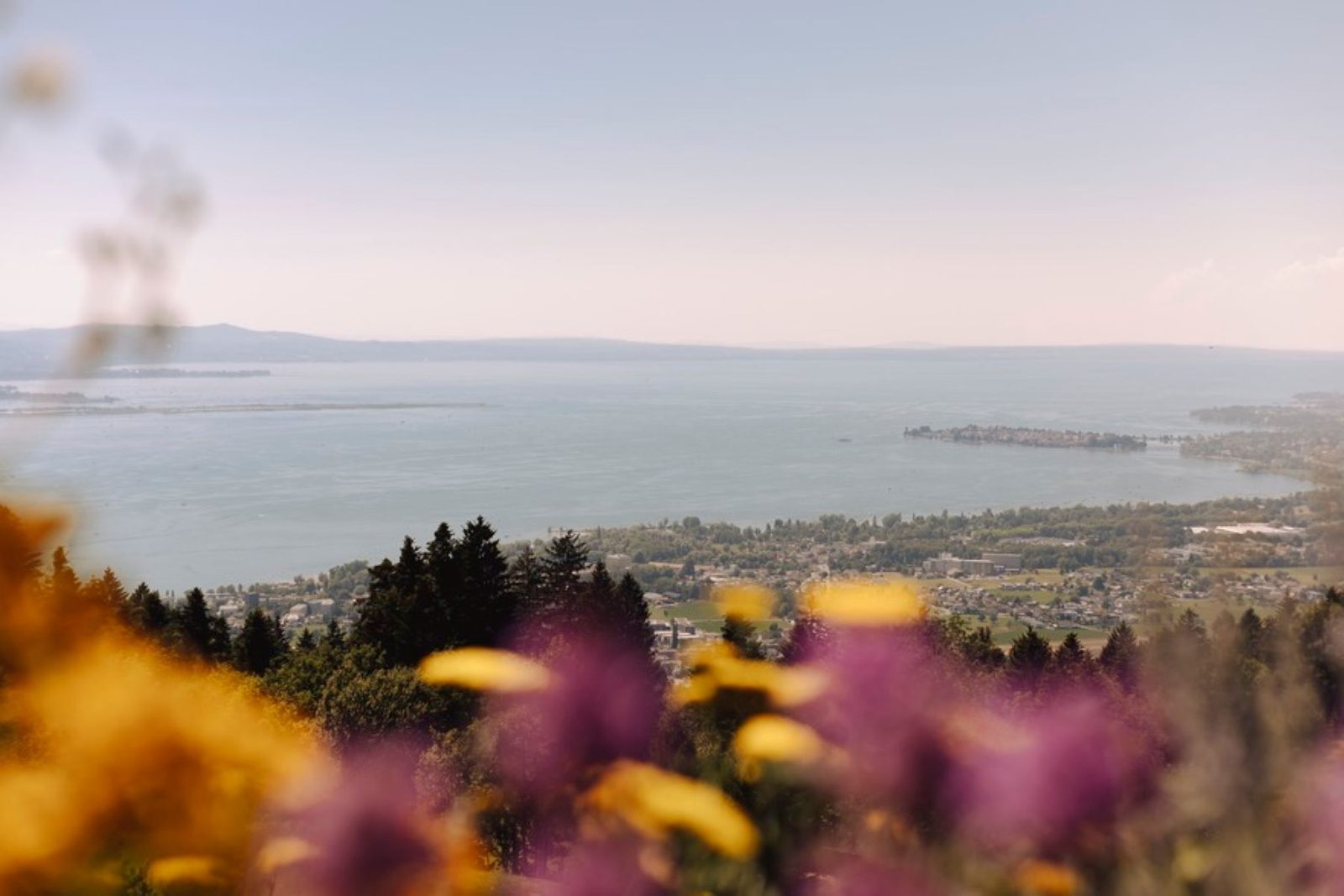
Switzerland follows Austria into the spotlight as Interlaken and Innsbruck battle for Europe’s ultimate winter adventure holiday, offering two very different ways to experience the Alps. Interlaken combines Swiss mountain scenery, winter hiking, skiing, cycling and unusual cold-season activities around Lake Thun and Lake Brienz. Innsbruck blends an established Austrian Alpine sports culture with skiing, cross-country routes, tobogganing, mountain attractions and convenient international transport. Both destinations can support a complete winter trip beyond conventional ski holidays. For global tourism, that diversity matters because travellers increasingly have opportunities to combine outdoor recreation, landscapes, transport access, accommodation and local experiences within one Alpine break.
Interlaken and Innsbruck Turn the Alpine Winter Holiday Into a Wider Adventure Experience
Interlaken and Innsbruck share an Alpine identity, but their winter tourism products work differently. Interlaken acts as a gateway to lakes, villages and mountains across the Bernese Oberland, creating an itinerary that can move between snow sports, winter walking and water-based activities. Innsbruck is an urban Alpine hub where visitors can combine a historic city with mountain infrastructure, ski areas, cross-country trails and toboggan runs. This difference makes the comparison more useful than simply deciding which destination has better skiing. A Europe winter adventure holiday can now involve nature, mobility, architecture, food, walking and non-ski outdoor activities alongside traditional time on the slopes.
Advertisement
Advertisement
- Interlaken combines lakes and Bernese Alpine landscapes.
- Innsbruck combines an Alpine city with surrounding winter-sports areas.
- Both destinations support activities beyond downhill skiing.
- Interlaken is particularly strong in winter walking and unusual lake experiences.
- Innsbruck has a strong mix of skiing, tobogganing and cross-country infrastructure.
| Comparison | Interlaken | Innsbruck |
|---|---|---|
| Country | Switzerland | Austria |
| Regional setting | Bernese Oberland | Tyrol |
| Core winter appeal | Mountains, lakes and mixed adventure | Alpine sport and city access |
| Non-ski strengths | Hiking, cycling, kayaking | Tobogganing, cross-country skiing, sightseeing |
| Holiday style | Nature-led multi-activity trip | Sport-led Alpine city break |
Switzerland’s Interlaken Builds Its Winter Appeal Around Lakes, Mountains and Outdoor Variety
Interlaken sits between Lake Thun and Lake Brienz and works as a base for the wider Bernese Oberland. Its strongest advantage is not one individual ski slope but the breadth of its winter offering. Official Interlaken tourism information promotes skiing, snowboarding, sledging, winter hiking, snowshoeing, paragliding and kayaking as cold-season experiences. The Niederhorn, for example, rises to about 1,950 metres and combines prepared ski pistes, winter hiking routes and sledging with views across Lake Thun and the Bernese Alps. This combination allows travellers to build an Interlaken winter holiday that does not depend entirely on skiing conditions or one mountain resort.
- Interlaken lies between Lake Thun and Lake Brienz.
- Its winter product extends across the wider Holiday Region Interlaken.
- Niederhorn combines skiing, hiking and sledging.
- Lake and mountain scenery remain part of the experience throughout winter.
- Visitors can combine traditional and unconventional Alpine activities.
| Interlaken feature | Verified information |
|---|---|
| Main region | Bernese Oberland |
| Major lakes | Lake Thun and Lake Brienz |
| Niederhorn elevation | About 1,950 metres |
| Winter activities | Skiing, hiking, sledging, snowshoeing, kayaking |
| Travel positioning | Multi-activity Swiss Alpine destination |
Interlaken Winter Hiking Opens 220 Kilometres of Alpine Trails Beyond the Ski Slopes
Winter walking gives Interlaken a major advantage for travellers who want an Alpine holiday without spending every day skiing. Interlaken Tourism lists 220 kilometres of winter trails across its holiday region. The network includes maintained routes through mountain landscapes, forests, villages and lake-view terrain. Around Aeschi, roughly 12 kilometres of prepared winter trails provide views towards Lake Thun and the pyramid-shaped Niesen. Habkern also provides shorter winter routes through a traditional mountain landscape. This trail network broadens Interlaken’s audience to include couples, families, photographers and visitors looking for lower-intensity outdoor experiences alongside more demanding winter sports.
Advertisement
Advertisement
- The Interlaken Holiday Region lists 220 kilometres of winter trails.
- Trails cover different levels of difficulty.
- Aeschi offers around 12 kilometres of prepared winter paths.
- Habkern provides accessible village and mountain walking options.
- Winter hiking creates an alternative to a ski-only itinerary.
| Winter hiking element | Interlaken details |
|---|---|
| Regional winter network | 220 km |
| Aeschi prepared trails | Around 12 km |
| Landscapes | Mountains, forests, villages and lake views |
| Suitable for | Mixed-ability winter visitors |
| Main advantage | Activity possible without downhill skiing |
Lake Brienz Gives Interlaken One of Europe’s Most Distinctive Winter Adventure Activities
Winter kayaking helps distinguish Interlaken from conventional Alpine destinations. Interlaken Tourism confirms that guided winter kayaking operates on Lake Brienz, with half-day experiences taking participants onto the lake while surrounded by snow-covered mountains. Winter participants use dry suits and suitable cold-weather clothing. Hightide Kayak School lists winter tours from November to April, giving travellers an activity that sits almost completely outside the normal European ski-holiday template. Interlaken also supports guided winter cycling. Yellow Velo lists a 2.5-hour winter bike experience through Interlaken, including Unterseen and Bönigen. These products strengthen Interlaken as a genuine winter adventure travel destination rather than simply an accommodation gateway to ski areas.
- Lake Brienz supports guided kayaking during winter.
- Winter kayaking tours are available from November to April.
- Participants use protective dry suits.
- Guided winter cycling provides another non-ski option.
- Yellow Velo’s winter tour lasts approximately 2.5 hours.
| Activity | Current official information |
|---|---|
| Winter kayaking | Lake Brienz |
| Typical format | Guided half-day experience |
| Seasonal operation | November-April |
| Protective equipment | Warm dry suit |
| Winter cycling | 2.5-hour guided Interlaken route |
Austria’s Innsbruck Brings High-Altitude Sport Directly Into an Alpine City Holiday
Innsbruck follows a different model. The Tyrolean capital places urban attractions, accommodation, rail transport and mountain recreation within one destination. The Innsbruck region promotes multiple ski areas and an extensive selection of winter activities, including cross-country skiing and tobogganing. Its city-and-mountain combination means visitors can move from historic streets and architecture to winter-sports infrastructure without basing themselves exclusively in an isolated resort. The Bergisel Ski Jump reinforces this identity. The structure, redesigned by architect Zaha Hadid, combines an internationally recognised sports facility with a viewing platform and panoramic hospitality space. This creates an Innsbruck winter holiday that combines Alpine sport with cultural and architectural sightseeing.
Advertisement
Advertisement
- Innsbruck is the capital of Austria’s Tyrol region.
- Its winter tourism offer combines city and mountain experiences.
- Multiple nearby ski areas form part of the regional product.
- Bergisel functions as both a sporting facility and visitor attraction.
- Zaha Hadid designed the modern Bergisel structure.
| Innsbruck feature | Verified information |
|---|---|
| Region | Tyrol |
| Destination type | Alpine city |
| Winter focus | Skiing and multi-sport recreation |
| Landmark | Bergisel Ski Jump |
| Added appeal | Culture, architecture and mountain access |
Innsbruck’s Tobogganing and Cross-Country Trails Strengthen Its Winter Sports Credentials
The Innsbruck region offers activities that extend well beyond conventional piste skiing. Official tourism information identifies the Kühtai toboggan run as the highest in Tyrol, starting at approximately 2,020 metres. The current route is around 1.4 kilometres long, involves an ascent of roughly 45 minutes and is floodlit until 10.30 pm, allowing night-time use. Cross-country skiing is another important component. Innsbruck Tourism lists almost 40 cross-country trails across the region. At Rinn, the Panoramaloipe runs for 6.4 kilometres and reaches a high point of 928 metres, while the more demanding Golfloipe extends 5.7 kilometres and includes classic and skating sections.
- Kühtai has Tyrol’s highest toboggan run.
- Its starting elevation is around 2,020 metres.
- The route is roughly 1.4 kilometres long.
- Innsbruck Region promotes almost 40 cross-country trails.
- Rinn offers both moderate and harder Nordic skiing routes.
| Winter sport | Innsbruck information |
|---|---|
| Kühtai toboggan elevation | Approx. 2,020 m |
| Toboggan route | 1.4 km |
| Approximate ascent | 45 minutes |
| Night operation | Floodlit until 10.30 pm |
| Cross-country offer | Almost 40 trails |
Innsbruck Airport Gives Austria a Powerful Accessibility Advantage for Winter Travellers
Transport may be the most important practical difference between the destinations. Innsbruck has its own airport and therefore allows some travellers to arrive directly in the Tyrolean capital. Innsbruck Airport states that roughly 50 airlines are handled during a typical year, although individual carriers and routes vary by season. Its published winter 2026/27 schedule includes connections involving London Gatwick, London Heathrow, Amsterdam, Vienna and Düsseldorf, among others. Rail travel is equally significant. ÖBB operates a direct Railjet Xpress between Innsbruck and Vienna once per hour. This gives the Austrian destination a strong combination of international aviation, domestic rail and cross-border Alpine accessibility.
- Innsbruck has its own commercial airport.
- Around 50 airlines are handled there over a year.
- The 2026/27 winter programme includes major European markets.
- Direct Railjet Xpress trains connect Innsbruck and Vienna hourly.
- Air and rail access strengthen Innsbruck’s short-break potential.
| Transport factor | Innsbruck |
|---|---|
| Local airport | Yes |
| Airlines handled annually | Around 50 |
| London links in winter 2026/27 | Gatwick and Heathrow listed |
| Vienna rail frequency | Direct RJX every hour |
| Main advantage | Direct city-to-Alps connectivity |
Interlaken Counters With Powerful Swiss Rail Connectivity Despite Having No Airport
Interlaken does not have a commercial airport of its own, but Switzerland’s rail network reduces the practical impact of that limitation. SBB currently lists direct long-distance services from Interlaken Ost to Zürich, Bern, Basel and Zürich Airport. The IC81 service links Interlaken Ost with Bern, Zürich main station and Zürich Airport, while other long-distance routes connect the Bernese Oberland with Basel. SBB’s 2026 air-rail arrangements also include a Grindelwald-Interlaken connection towards Zürich Airport. This means international visitors can combine a major Swiss aviation gateway with through rail travel. For travellers prioritising car-free tourism, Interlaken therefore remains highly accessible despite Innsbruck’s clear advantage of having an airport within the destination itself.
- Interlaken has no major commercial airport.
- SBB provides direct long-distance services to Zürich.
- Interlaken Ost has direct connections towards Zürich Airport.
- Basel and Bern are also integrated into long-distance rail routes.
- Switzerland’s rail network supports low-friction onward travel.
| Transport factor | Interlaken |
|---|---|
| Local commercial airport | No |
| Direct Zürich HB service | Yes |
| Direct Zürich Airport connection | Yes |
| Direct Bern connection | Yes |
| Key strength | Integrated Swiss rail network |
Switzerland’s Tourism Scale Shows Why Interlaken Matters Beyond a Single Alpine Resort
Switzerland’s Federal Statistical Office recorded 43.9 million hotel overnight stays in 2025. Interlaken alone ranked among Switzerland’s ten leading hotel communes, with approximately 0.9 million hotel nights during the year. The national hotel sector registered a 56.8 per cent room occupancy rate, while Switzerland generated 21.1 million hotel overnight stays from domestic guests and substantial additional demand from European, American and Asian markets. These figures place Interlaken within a mature national tourism economy rather than a niche winter market. For winter travel, this matters because accommodation demand, international recognition, rail connectivity and the surrounding Bernese Oberland tourism network provide the infrastructure needed to support multi-day adventure itineraries.
- Switzerland recorded 43.9 million hotel nights in 2025.
- Interlaken generated around 0.9 million hotel nights.
- Interlaken ranked among Switzerland’s ten leading hotel communes.
- Switzerland’s hotel demand draws heavily from international markets.
- Established accommodation and transport infrastructure support winter tourism.
| Swiss tourism indicator | 2025 figure |
|---|---|
| Hotel overnight stays | 43.9 million |
| Interlaken hotel nights | Approx. 0.9 million |
| National room occupancy | 56.8% |
| Domestic hotel nights | 21.1 million |
| Average hotel stay | 2.0 nights |
Austria’s Record Winter Demand Gives Innsbruck and Tyrol Exceptional Tourism Weight
Austria enters the comparison with particularly strong winter-tourism fundamentals. Statistics Austria recorded 74.27 million overnight stays during the 2025/26 winter season, an increase on the previous season. Tyrol accounted for approximately 26.87 million overnight stays and 6.28 million arrivals, making it Austria’s largest winter tourism province by overnight volume. Tyrol and Salzburg together generated more than half of all Austrian winter overnight stays. Nationally, non-resident visitors were responsible for 57.56 million winter nights. These figures underline why Innsbruck benefits from an unusually deep winter-tourism ecosystem, including accommodation capacity, transport infrastructure, ski operations and established international demand.
- Austria recorded 74.27 million winter overnight stays in 2025/26.
- Tyrol generated approximately 26.87 million of those nights.
- Tyrol registered about 6.28 million winter arrivals.
- International visitors dominate Austria’s winter accommodation demand.
- Tyrol is central to Austria’s Alpine tourism economy.
| Austria winter tourism indicator | 2025/26 |
|---|---|
| National overnight stays | 74.27 million |
| National arrivals | 21.35 million |
| Tyrol overnight stays | 26.87 million |
| Tyrol arrivals | 6.28 million |
| Non-resident overnight stays | 57.56 million |
Winter Tourism Impact Extends From Skiing Into Transport, Accommodation and Year-Round Alpine Travel
The Interlaken-Innsbruck comparison shows how European winter tourism is becoming more diversified. Skiing remains central, but destination competitiveness increasingly depends on the full visitor journey: airport or railway access, accommodation choice, activities for non-skiers, mountain transport, cultural attractions and experiences that remain usable when snow conditions vary. Interlaken addresses this through hiking, lakes, winter kayaking, cycling and integrated Swiss public transport. Innsbruck answers with strong ski infrastructure, Nordic routes, high-altitude tobogganing, architecture, city attractions and direct aviation access. Tourism statistics from both countries show that Alpine destinations operate within large international visitor economies, meaning winter adventure travel supports hotels, transport networks, restaurants, attractions and regional tourism businesses far beyond ski-lift revenue.
- Alpine tourism is no longer dependent only on downhill skiing.
- Non-ski activities broaden winter demand.
- Rail and aviation accessibility influence destination choice.
- Accommodation and visitor attractions extend economic impact.
- Interlaken and Innsbruck represent different but complementary Alpine models.
| Tourism impact area | Interlaken | Innsbruck |
|---|---|---|
| Ski tourism | Strong | Strong |
| Non-ski adventure | Very diverse | Very diverse |
| City tourism | Limited | Major advantage |
| Lake tourism | Major advantage | Limited |
| Direct airport | No | Yes |
| Rail connectivity | Excellent | Excellent |
Conclusion
Switzerland follows Austria as Interlaken and Innsbruck battle for Europe’s ultimate winter adventure holiday, but neither destination wins every category. Interlaken stands apart through its combination of Swiss Alps scenery, Lake Thun, Lake Brienz, winter hiking, cycling, skiing and cold-season kayaking. Innsbruck offers a different strength: an Austrian Alpine city with skiing, cross-country routes, tobogganing, architecture and convenient international access. Travellers seeking a nature-rich, multi-activity escape may find Interlaken more varied. Those wanting winter sport combined with city infrastructure may favour Innsbruck. Together, the two destinations demonstrate why Alpine Europe remains one of the world’s most versatile winter travel regions.
Advertisement
