
Uzbekistan Aligns with Kazakhstan and Kyrgyzstan Towards a New Silk Road Tourism Gateway

Published
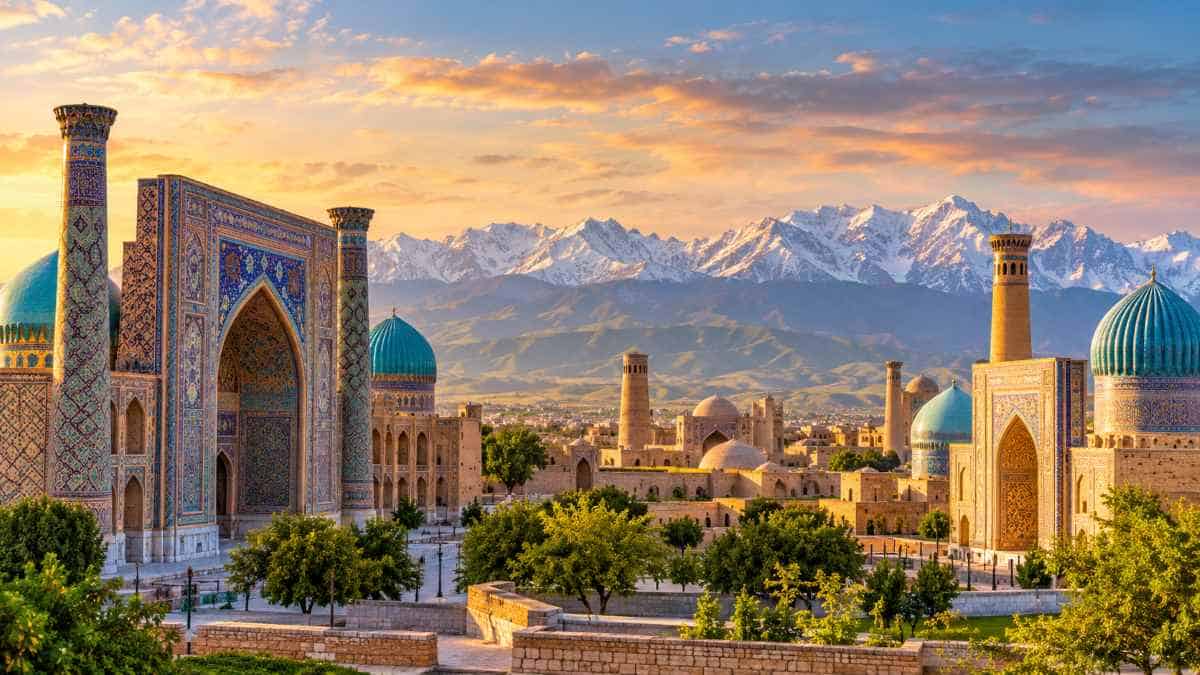
Uzbekistan Aligns with Kazakhstan and Kyrgyzstan Towards a New Silk Road Tourism Gateway. There are current plans by Uzbekistan, Kazakhstan, Kyrgyzstan and Tajikistan aimed at increasing their tourism cooperation so that the journey along the Silk Road for tourists from other countries can become more convenient and easier. The recent discussions concerning the possibility of joint tourism routes, improved border processes and regional transportation links are focused on cross-border travel, making it possible for visitors to enjoy historical cities, mountain scenery and other types of tourism in one trip. The current developments can be seen as an attempt to establish Central Asia as an integrated tourism destination and not as individual national tourism markets. There are plans between Uzbekistan and Kyrgyzstan regarding the creation of an integrated tourism space involving fast border procedures for groups of tourists and better access to tourism sites located in both countries. The chance for foreign tourists is to include Uzbekistan’s historical cities of the Silk Road route, Kazakhstan’s cultural destinations, Kyrgyzstan’s mountain scenery and Tajikistan’s historical and nature destinations.
Uzbekistan and Kyrgyzstan Advance Cross-Border Tourism Plans
Tourism cooperation between Uzbekistan and Kyrgyzstan has gained attention following discussions between their respective tourism authorities in July 2026. The talks considered a joint action plan for 2026–2027, a permanent bilateral tourism working group and improvements to border facilities used by international visitors.
Advertisement
Advertisement
One proposal involves introducing a Tourist Group Fast Track mechanism at selected border checkpoints. The authorities also discussed assessing strategically important crossings and potentially granting international status to additional checkpoints serving visitors from third countries.
The Dustlik checkpoint in the Andijan region and the Uchkurgan–Kensai crossing in the Namangan region were among the locations considered for improving tourist movement.
Advertisement
Advertisement
These measures remain proposals rather than a confirmed region-wide biometric visa system. Nevertheless, they address an important practical consideration for tour operators arranging itineraries across the Fergana Valley, where international borders divide communities and tourism destinations
Jibek Joly Connects Three Countries Through a Silk Road Journey
An existing example of regional tourism cooperation is the Jibek Joly international tourist train, which connected Kazakhstan, Uzbekistan and Tajikistan through a dedicated itinerary from 20 to 25 March 2026.
Advertisement
Advertisement
The route covered Almaty, Turkistan, Samarkand, Dushanbe and Tashkent before returning to Almaty. Its extension to Dushanbe brought Tajikistan into a journey that combines several of Central Asia’s important historical and cultural centres.
The itinerary gives travellers access to different periods of Silk Road history, from Kazakhstan’s heritage in Turkistan to the architectural landmarks of Samarkand and the cultural attractions of Dushanbe.
The project also demonstrates how international rail journeys can support tourism beyond individual city destinations, creating opportunities for accommodation providers, local guides, restaurants and regional tour operators.
However, the March journey was a scheduled tourism operation, not evidence of a permanently harmonised regional rail timetable or common airfare system.
Four Countries Offer Distinct Tourism Experiences
Uzbekistan remains a central destination for travellers interested in Silk Road architecture and heritage. Samarkand, Bukhara and Khiva offer historic mosques, madrassas, trading centres and preserved urban quarters. Tashkent, meanwhile, serves as the country’s principal international gateway, with connections to domestic destinations.
Kazakhstan offers a different tourism experience. Almaty provides access to mountain scenery, outdoor activities and cultural attractions, while Turkistan is an important destination for religious and historical tourism. The Mausoleum of Khoja Ahmed Yasawi is among the country’s most significant heritage landmarks.
Advertisement
Advertisement
Tajikistan adds further opportunities for mountain and cultural tourism. Dushanbe offers museums, parks and architectural attractions, while the country’s mountain regions attract visitors interested in trekking and long-distance road journeys.
Airports, Rail Connections and Travel Planning
International air travel provides the main entry points for visitors exploring the region. Tashkent International Airport (TAS), Almaty International Airport (ALA), Manas International Airport (FRU) in Bishkek and Dushanbe International Airport (DYU) are important gateways.
Travellers can organise multi-country itineraries using a combination of international flights, domestic services, inter-city railways and road transfers. Uzbekistan’s high-speed Afrosiyob trains connect Tashkent with Samarkand and Bukhara, offering a practical option for exploring its major historic destinations.
The Jibek Joly itinerary also demonstrates the potential of international rail tourism, although travellers should check current operating dates and availability before planning a similar journey.
Visa requirements must be checked separately for each country, based on nationality, passport type and intended length of stay. A shared regional visa or automatic cross-border endorsement has not been confirmed.
Central Asian Tourism Ring Strengthens Regional Ambitions
Uzbekistan Aligns with Kazakhstan and Kyrgyzstan Towards a New Silk Road Tourism Gateway. The broader regional vision is seen in Uzbekistan’s idea of the Central Asian Tourism Ring introduced in May 2026. This includes the integration of travel routes that connect different countries in the region, with better cooperation on transport logistics, visa regime and joint marketing of the destination. In terms of the tourism industry, the introduction of such travel routes would offer additional options in the promotion of Central Asia to long-distance travellers. The tourism cooperation dialogue between Uzbekistan and Kyrgyzstan during 2026-2027 serves as an example of such initiatives, which will be built upon with regard to border issues, itinerary development and collaboration of tourism companies. Regional authorities are to continue their cooperation in the same spirit of ensuring better access for international tourists to the historic cities, mountains and cultural sites of Central Asia.
Advertisement
