
Ethiopia, Omo Valley, Addis Ababa: Living Culture and Scenic Escapes Drive New Travel

Published
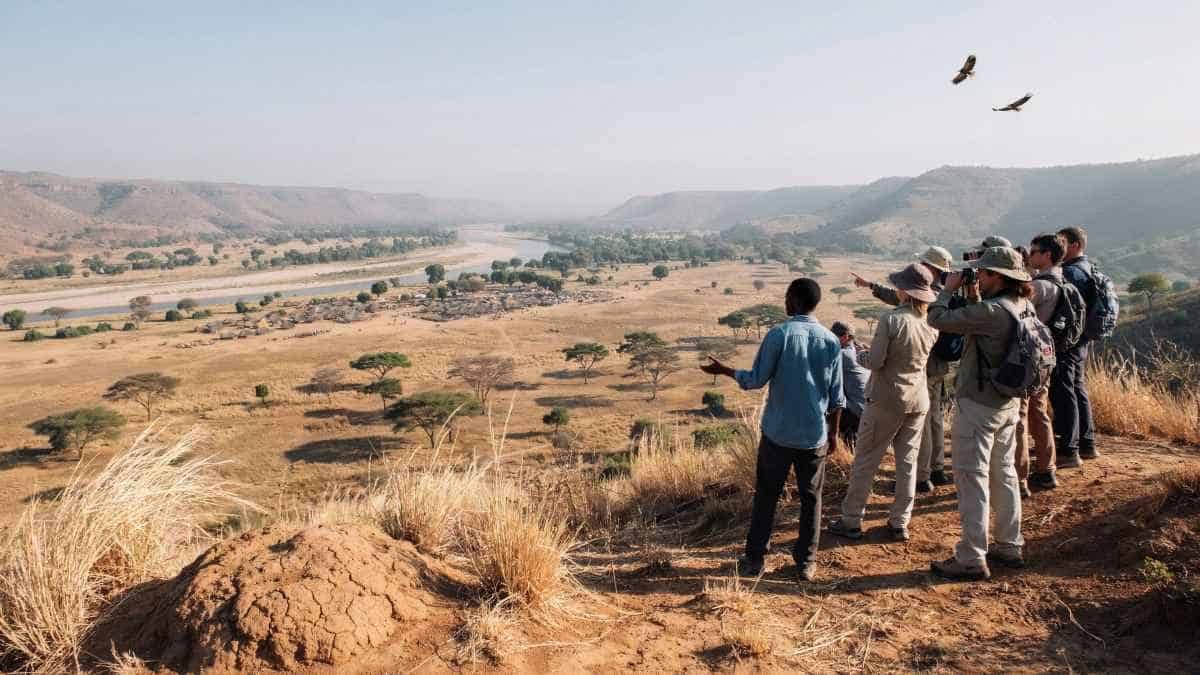
Image generated with Ai
Ethiopia – Southern Omo Valley, Addis Ababa – for travellers looking for more than just your typical travel experience, it is good news that there is an interesting attraction to visit here. Southern Omo Valley gains fame due to the culture alive and interaction with the locals, while Wenchi Crater Lake offers highland scenery with local-led activities. Entoto Park and various coffee experiences at the capital city of Addis Ababa are also available to visit.
Key Stats
- Southern Omo: 16 ethnic groups are identified by Ethiopia’s tourism authority.
- Jinka: Gateway town to South Omo, around 710 kilometres from Addis Ababa.
- Wenchi Crater Lake: About 150 kilometres west of Addis Ababa.
- Mount Wanchi: Rises to 3,386 metres.
- Wenchi trails: Guided routes range from 4 to 16 kilometres.
- Entoto Park: Located on Mount Entoto and combines nature, recreation, cafés and cultural facilities.
Southern Omo Makes Living Culture the Journey
Here is where Ethiopia’s cultural tourism story gets particularly distinctive. Southern Omo is not being presented simply as a collection of monuments waiting for visitors. The region is home to communities maintaining distinctive languages, customs, clothing and traditional practices.
Advertisement
Advertisement
The Lower Omo Valley is recognised as a UNESCO World Heritage Site and is described by Ethiopia’s tourism authority as one of the country’s most culturally and linguistically diverse areas. The authority identifies 16 ethnic groups across South Omo, including the Mursi, Hamer and Karo communities.
Market-day visits are among the ways travellers can encounter local communities, with towns providing opportunities to observe trading and everyday cultural activity.
Advertisement
Advertisement
For experiential tourism, that means the destination is centred on interaction and place rather than simply ticking off attractions.
Advertisement
Advertisement
Community Experiences Add More Depth
The growing interest in community-led travel is also influencing how visitors explore southern Ethiopia.
Local guides and tour operators can connect travellers with villages and cultural experiences, while community-based tourism creates opportunities for local participation in hospitality, guiding, food and handicrafts.
The tourism authority identifies Jinka as the gateway to the Omo Valley, with accommodation and local guides available for visitors. Ethiopian Airlines also operates a daily flight to Jinka, according to the national tourism platform.
Advertisement
Advertisement
That accessibility matters because South Omo is a considerable journey from Addis Ababa. Visitors planning cultural expeditions therefore need to allocate several days rather than attempting the region as a quick city excursion.
Wenchi Crater Lake Brings the Scenic Escape
Now, let’s switch from living culture to volcanic landscapes.
Advertisement
Advertisement
Wenchi Crater Lake sits inside an extinct volcano west of Addis Ababa, surrounded by highland scenery, natural forest, waterfalls and hot springs. Mount Wanchi reaches 3,386 metres, while the crater contains an island monastery and routes managed with support from the local ecotourism association.
Visitors can hike, ride horses and take boats across the lake towards the historic Cherkos Monastery. Guided trails include the 4-kilometre Fincha Trail and the 16-kilometre Bagoba-Abagalalcha Trail.
The national tourism platform also highlights local community interaction and traditional lunch as part of a Wenchi day-tour experience.
That combination gives travellers nature, outdoor activity and local food within the same excursion.
Entoto Park Keeps Addis Ababa in the Picture
And then there is Entoto Park, proving that travellers do not always need to leave the capital for a nature break.
Advertisement
Advertisement
Located on Mount Entoto, the park offers panoramic views of Addis Ababa alongside greenery and recreational facilities. Ethiopia’s tourism material lists hiking, horse riding, spa facilities, cafés, restaurants, galleries and other indoor and outdoor activities among the park’s attractions.
The national tourism platform also incorporates Mount Entoto and Entoto Natural Park into suggested one-day Addis Ababa itineraries, alongside museums, markets and cultural dining.
For travellers with limited time, that makes Entoto particularly useful as an urban nature experience.
Coffee Turns Gastronomy Into a Destination
Now comes the part that will make coffee travellers pay attention.
Ethiopia’s tourism authorities position the country as the birthplace of Arabica coffee and increasingly promote coffee experiences alongside cultural and nature tourism. Western Ethiopia is specifically marketed around its landscapes, biodiversity and coffee heritage.
Advertisement
Advertisement
In Addis Ababa, visitors can experience coffee through galleries, processing facilities, cupping sessions and traditional ceremonies. Ethiopia’s tourism material highlights Hadero Coffee Gallery and ET-COFF as visitor experiences combining coffee education, tasting and cultural elements.
Food tours in Addis also connect local markets, traditional dishes and coffee ceremonies, creating a natural bridge between gastronomy and cultural tourism.
Why Experiential Tourism Matters
These destinations collectively create several layers of travel.
Southern Omo provides cultural immersion. Wenchi offers landscapes and community-based outdoor tourism. Entoto supplies a convenient nature escape within Addis Ababa, while coffee experiences connect visitors with one of Ethiopia’s strongest global cultural exports.
The result is a tourism proposition that encourages travellers to experience how people live, eat, create and interact with their surroundings.
Advertisement
Advertisement
Travel Planning
Southern Omo requires considerably more planning than Addis Ababa or Wenchi. Jinka is around 710 kilometres from the capital, making flights, guides and multi-day itineraries important considerations.
Wenchi is around 150 kilometres from Addis Ababa and can be visited as a day trip, although outdoor activities require sufficient time.
Entoto Park is much easier to incorporate into a city itinerary, particularly for visitors staying in Addis Ababa.
Travellers should confirm road conditions, guide arrangements, opening times and seasonal access before setting out.
FAQ
1. What is Southern Omo known for?
It is known for its cultural diversity, with 16 ethnic groups and distinctive traditions, languages and customs.
Advertisement
Advertisement
2. How far is Wenchi Crater Lake from Addis Ababa?
It is approximately 150 kilometres west of Addis Ababa.
3. Can visitors experience Ethiopian coffee culture in Addis Ababa?
Yes. Coffee galleries, cafés, processing tours, tastings and traditional coffee ceremonies are available in the capital.
Timeline and Events
2002: The Wenchi Eco-Tourism Association was established through local community initiatives.
2026: Ethiopia’s tourism platform continues to promote Wenchi, Entoto and coffee experiences within destination itineraries.
3 October 2026: Irreecha is listed on Ethiopia’s national tourism events calendar.
Advertisement
Advertisement
Dates
2002 — Wenchi Eco-Tourism Association established
2026 — Wenchi, Entoto and Ethiopian coffee experiences promoted through national tourism itineraries
3 October 2026 — Irreecha
Conclusion
Travel in Ethiopia is one that can be observed to develop through three highly contrasting destinations. Travellers get the chance to encounter living cultures and communities through southern Omo. The traveller gets the chance for some adventure in the highlands through Wenchi Crater Lake, while the traveller gets the natural setting right in Addis Ababa through Entoto Park. With the inclusion of the coffee culture and cuisine in Ethiopia, the travel is no longer simply travelling in Ethiopia.
Advertisement
