
London’s Protected Views Offer Travellers a New Way to See Its Changing Skyline

Published
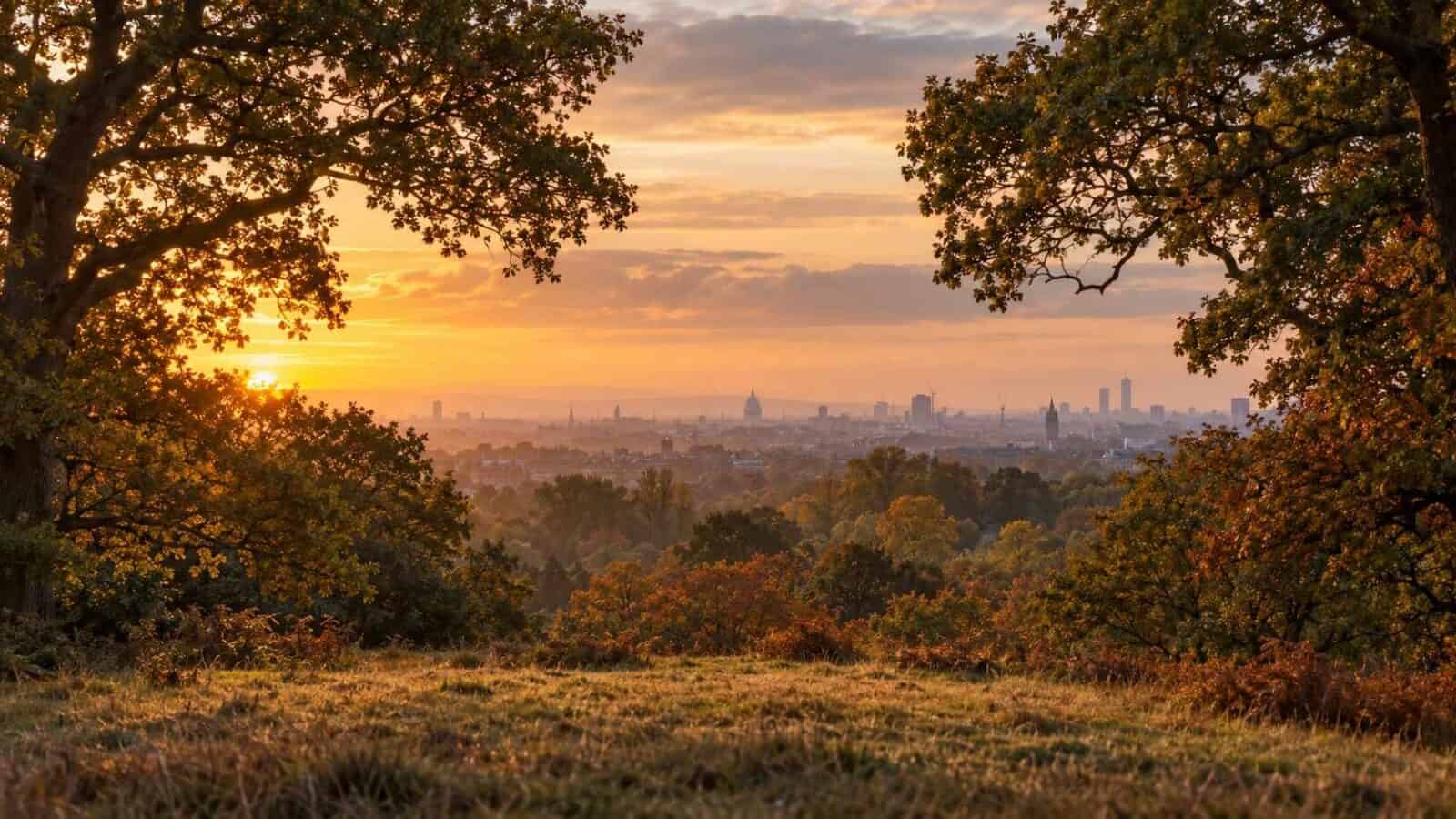
Image generated with Ai
London’s skyline is constantly changing, but some of the best views in London will never change. Protected views, like the ones London offers in September 2026, give the opportunity to experience some of the best views in the world and see London’s famous contrasts. From King Henry’s Mound in Richmond Park, visitors can see St. Paul’s Cathedral, one of London’s most famous and distinguished landmarks. Other landmarks can be seen from Parliament Hill as well. With so many things to see in London, and new buildings changing the city skyline, London has found ways to safeguard famous landmarks. All of London’s famous landmarks can be seen from various points across the city, and, in fact, many of the best views in London are outside. These areas tell visitors to London why they are the most visited city in the world.
A cathedral framed from miles away
King Henry’s Mound makes distance part of the experience
The view from King Henry’s Mound asks visitors to look carefully. Stand on the rise in Richmond Park and face east. Beyond the trees and buildings, the dome of St Paul’s Cathedral appears on the horizon.
The Royal Parks says the sightline has been kept open by generations of landscapers. It is now protected from new buildings that would block it. That makes this view unusual: the space between the visitor and the cathedral matters as much as the landmark itself. The Royal Parks
A clear day will help visitors pick out the distant dome. The Royal Parks also notes that there is a telescope at the mound. This is a place to pause and search the skyline, rather than expect a close view of central London. The Royal Parks
Advertisement
Advertisement
Richmond Park gives the journey a second purpose. Travellers can spend time among its grassland, trees and wildlife before reaching the viewpoint. The mound turns a park walk into a chance to understand how far London stretches.
Why London protects a view
A protected view does not mean the city stops building. It means planners must consider how a proposed building would appear from a recognised viewing place.
Advertisement
Advertisement
The London View Management Framework guides that assessment for strategic views across borough boundaries. The City of London also has its own protections for landmarks. Its St Paul’s Heights policy dates from 1937 and covers important views of the cathedral from the South Bank, Thames bridges and other points around the City. GLA Engagement Portal
For a traveller, those rules can sound remote until they stand at the viewpoint. From Richmond, a distant dome remains visible through a narrow frame of trees. Closer to the river, the same cathedral takes its place among bridges, streets and newer buildings. The planning story becomes something visitors can see.
One city, three different ways to look
Parliament Hill opens up the whole skyline
Parliament Hill offers a broader scene than King Henry’s Mound. The City of London Corporation identifies it as a protected viewpoint on Hampstead Heath, rising 98 metres above sea level. From there, visitors can pick out St Paul’s, the Shard, the Gherkin and the Palace of Westminster. City of London
That mix is the attraction. Historic landmarks and modern towers share the same horizon. A visitor can see why London’s skyline cannot be understood through one building or one photograph.
The hill also has a public-space history. According to the City Corporation, it became part of Hampstead Heath in 1888. Today, travellers can combine the view with a walk across the Heath, rather than make the panorama their only stop. City of London
The Thames brings the view down to street level
Visitors do not need a hill to see how London frames St Paul’s. The City Corporation says its long-standing height policy protects views from Thames bridges and parts of the South Bank. City of London
Advertisement
Advertisement
A river walk gives this story movement. The cathedral may appear between buildings, across the water or above a bridge. As the walking route changes, so does the view.
That is the difference between looking at a skyline and travelling through it. Richmond rewards a long-distance search. Parliament Hill offers a panorama. The riverside lets visitors watch familiar landmarks shift into new positions with every few steps.
| Viewpoint | What makes the visit different | Planning note |
|---|---|---|
| King Henry’s Mound | A distant, tree-framed sightline to St Paul’s | The Royal Parks says new buildings cannot impede the protected view |
| Parliament Hill | A broad panorama of historic and modern landmarks | The City of London Corporation identifies the view as legally protected |
| Thames bridges and South Bank | Changing views during a walk beside the river | St Paul’s Heights protects important views from these locations |
The three places work best as separate outings, not a rushed checklist. Each explains a different part of the same city: its green edges, its wide skyline and its riverfront.
What is changing in 2026
A proposed update to the rules
The Greater London Authority has opened a consultation on revised guidance for the London View Management Framework. It says the guidance explains how development seen from recognised viewing places should be designed and assessed. The consultation closes on 4 December 2026. GLA Engagement Portal
The revised guidance remains a proposal during the consultation. The existing framework and London Plan policies continue to provide the current basis for assessing strategic views. The draft London Plan 2026 proposes a new policy on strategic and local views, which would become relevant when formally adopted. GLA Engagement Portal
This is the present-day reason to revisit these places. London’s protected sightlines are part of an active planning discussion. Visitors can experience the views now while the city considers how to manage them in future.
Advertisement
Advertisement
Planning a viewpoint visit
Allow time for the walk as well as the photograph
For King Henry’s Mound, use the Royal Parks’ Richmond Park visitor information and park map before setting out. Richmond Park is large, and the mound is only one part of a visit. Look for a clear-weather day if seeing the distant cathedral is your main aim.
For Parliament Hill, the City of London Corporation’s viewpoint guide lists nearby public transport options. The viewpoint is on Hampstead Heath, so comfortable walking shoes will make it easier to enjoy the wider landscape.
For a central outing, start with a Thames walk and notice how St Paul’s appears from different positions. The City Corporation’s planning guidance explains why views from bridges and the South Bank have long received special attention.
These visits also show why a single “best London view” is hard to choose. A high platform can show a great deal at once. A protected ground-level view can tell a more specific story about the city and the choices made to shape it.
Traveller FAQs
Can visitors still see St Paul’s from King Henry’s Mound?
Yes. The Royal Parks identifies the view to St Paul’s as a protected sightline. Because the cathedral is distant, check the weather before making the view the focus of your visit.
Is Parliament Hill’s view protected too?
Yes. The City of London Corporation describes the panorama from Parliament Hill as legally protected. It includes several well-known landmarks across the capital.
Advertisement
Advertisement
Will the 2026 consultation change where travellers can visit?
The consultation concerns planning guidance for views, rather than a new visitor entry rule. Travellers should check each park’s current access information when arranging a trip.
London’s skyline is a journey, not one image
London’s landmarks can be memorable when viewed from specific vantage points. For example, St. Paul’s Cathedral can be viewed from King Henry’s Mound. On Parliament Hill, a wide view of London encompassing Westminster and the City can be appreciated. London’s majority of building development has been concentrated along the river. The Thames has been an aide for viewing London’s continual development and transformation. Other viewpoints in the city can illustrate London’s commitment in preserving particular sightlines. Recently, London has been updating its development policies. As London’s growth and expansion continue, the 2026 Urban Development Framework will facilitate further assessment on development boundaries. To appreciate London’s commitment, visitors can take a moment to appreciate a particular view and visualize where a cathedral may be situated.
Advertisement
