
Toronto, Calgary, Montréal and Vancouver Drive Canada’s Convention Tourism Growth

Published
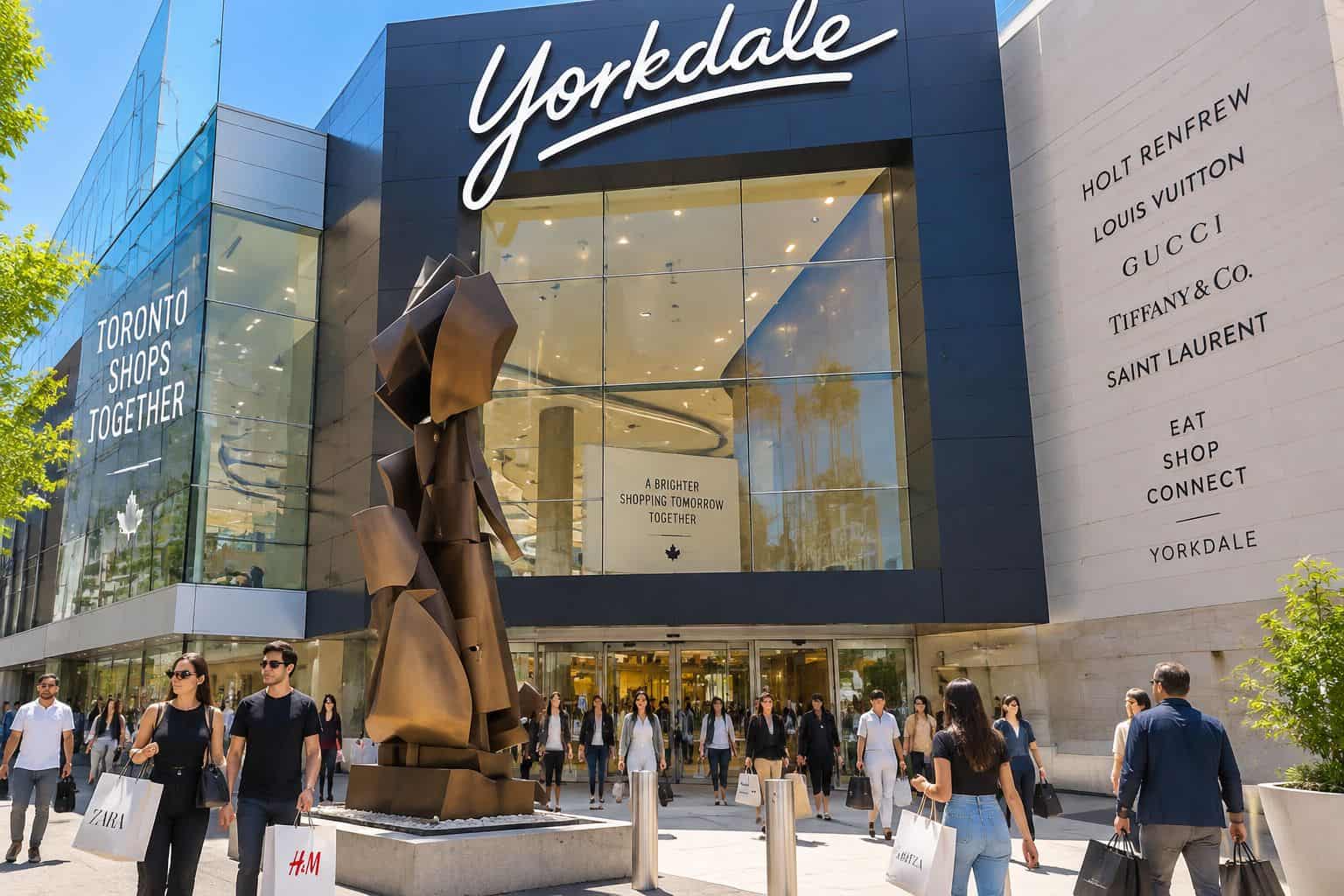
Canada’s Convention Centres expand as Toronto, Calgary, Montréal, and Vancouver drive business tourism growth. As major venues attract international delegates, cities strengthen hotels, transport, restaurants, and attractions. Together, these destinations demonstrate how conventions support year-round tourism, create wider economic value, and reinforce Canada’s position in the global meetings industry.
“Canada’s growing convention infrastructure demonstrates how business events can become powerful engines for tourism, investment and international connectivity. The expansion across Toronto, Calgary, Montréal and Vancouver shows that destinations can create lasting economic value by combining world-class venues with hospitality, accessibility, sustainability and compelling visitor experiences for global delegates.” sdays Anup Kumar Kesha, Editor-in-Chief, TTW
Advertisement
Advertisement
Why are Canada’s convention centres becoming more important to tourism?
Canada’s convention centres are becoming increasingly important to the country’s wider tourism economy because large business events generate demand across several parts of the visitor industry at the same time. A major conference or exhibition does not only fill meeting rooms; it can also increase hotel occupancy, restaurant spending, transport use, retail activity and visits to local attractions.
Business events therefore provide destinations with an opportunity to attract visitors outside traditional holiday periods. Delegates arriving for conferences can stay for several nights, while some extend their journeys for leisure before returning home.
Advertisement
Advertisement
Destination Canada estimates that business events contribute approximately C$47 billion annually to the national economy and support more than 240,000 jobs. Canada also has more than 325,000 square metres of formal event space across its convention and meeting infrastructure.
That capacity gives the country a broad platform for hosting professional meetings, association conferences, exhibitions, incentive programmes and major international gatherings.
Advertisement
Advertisement
The economic importance of the sector is also linked to the profile of convention visitors. Delegates are often travelling for business purposes but still require accommodation, meals, transport and other services during their stay, creating spending opportunities for businesses well beyond the convention venue.
How is Toronto strengthening Canada’s convention market?
Toronto remains one of Canada’s most important convention gateways, supported by a large venue network, extensive hotel supply and strong domestic and international transport connections.
Advertisement
Advertisement
The Metro Toronto Convention Centre provides more than 700,000 square feet of exhibition and meeting space. Its facilities include approximately 442,000 square feet of exhibition space, numerous meeting rooms and two large ballrooms, giving the venue flexibility for events ranging from professional conferences to major exhibitions.
Location is one of the centre’s strongest advantages. The venue sits in downtown Toronto, close to Union Station and within easy reach of hotels, restaurants, entertainment facilities and visitor attractions.
The UP Express provides a direct rail connection between Union Station and Toronto Pearson International Airport, giving international delegates a relatively straightforward route between the airport and central Toronto.
The economic scale of Toronto’s meetings industry is substantial. During the 2025–26 financial year, the Metro Toronto Convention Centre reported more than C$510 million in economic impact and welcomed more than one million visitors.
Advertisement
Advertisement
Since opening in 1984, the centre’s cumulative economic contribution has exceeded C$10 billion, highlighting the long-term role convention infrastructure can play in a major urban tourism economy.
Toronto also benefits from the Enercare Centre at Exhibition Place, which offers more than one million square feet of contiguous exhibition, convention and event space. The combination of venues gives the city substantial capacity when competing for large domestic and international events.
Why is Calgary emerging as a major convention destination?
Calgary is strengthening its position in the meetings market through a significant expansion of convention infrastructure and additional investment around its principal event district.
The BMO Centre at Stampede Park represents the centrepiece of this growth. An expansion adding approximately 565,000 square feet opened in June 2024, substantially increasing the venue’s ability to accommodate larger conferences, exhibitions and business events.
The overall facility now extends beyond one million square feet, with more than 500,000 square feet of rentable space and approximately 350,000 square feet of contiguous exhibition space.
This additional capacity is strategically important because larger events can generate considerable visitor demand. More delegates mean greater requirements for hotel rooms, restaurants, transport, entertainment and other services, allowing the convention economy to spread through Calgary.
Advertisement
Advertisement
Accommodation is another important part of the strategy. Construction began in January 2026 on a new 13-storey hotel beside Calgary’s convention facilities.
A hotel located close to the event district can make the city more competitive when event planners assess destinations based on convenience, accommodation capacity and the distance between meeting facilities and delegate rooms.
Calgary’s convention expansion also strengthens the city’s ability to compete with larger established meetings destinations. Its growing infrastructure gives organisers another Canadian option for major events while linking business travel with the city’s wider visitor economy.
What could Montréal’s next convention expansion mean?
Montréal already has a strong international reputation in the meetings and association sector, supported by universities, research institutions, cultural attractions, hotels and a diverse hospitality industry.
The Palais des congrès de Montréal currently provides more than 500,000 square feet of rental space across seven levels and includes more than 100 multipurpose spaces. Its scale enables the city to host a broad range of professional gatherings and international association events.
The next stage could involve significant modernisation and expansion. A proposal announced in 2026 could add more than 13,000 square metres of conference space and potentially allow the Palais des congrès to accommodate around 50 additional events each year.
Advertisement
Advertisement
If the expansion proceeds as planned, annual visitor numbers could eventually reach approximately 1.1 million.
Such growth would have implications beyond the venue itself. Additional events can increase demand for hotel accommodation, restaurants, taxis, public transport, cultural experiences and other visitor services throughout Montréal.
Airport connectivity is also important to the city’s meetings proposition. A new high-frequency coach service introduced in July 2026 connects Montréal-Trudeau International Airport with the Palais des congrès, helping simplify the arrival experience for delegates travelling directly to the convention district.
For international organisers, efficient airport-to-venue connections can influence destination selection, particularly when thousands of attendees need to reach a city within a limited period.
How is Vancouver connecting conventions with wider tourism?
Vancouver provides another example of how a convention centre can operate as part of a broader destination strategy.
The Vancouver Convention Centre offers approximately 466,500 square feet of meeting, exhibition, ballroom and pre-function space and can accommodate events involving more than 16,000 delegates.
Advertisement
Advertisement
Its waterfront setting also places delegates close to hotels, restaurants, attractions and the wider downtown visitor economy.
Convention visitors contribute to tourism spending because their business itineraries often involve several additional services. Accommodation, food and beverage, local transportation, shopping and leisure activities can all benefit when major events bring thousands of people into the city.
Vancouver has also developed a strong sustainability proposition. The convention centre is recognised for environmentally focused infrastructure, including its living roof, water management systems and energy-efficiency measures.
Sustainability is becoming increasingly relevant to international meetings planners as corporations, associations and other organisations introduce environmental requirements into their destination and venue selection processes.
A convention centre that combines large-scale capacity with environmental credentials can therefore appeal to organisers seeking to balance operational requirements with sustainability commitments.
How do Ottawa, Halifax, Winnipeg and Québec City strengthen Canada’s offer?
Canada’s meetings industry is not dependent on Toronto, Calgary, Montréal and Vancouver alone. A wider network of regional convention centres gives organisers more choice and allows business tourism benefits to reach different parts of the country.
Advertisement
Advertisement
Rogers Centre Ottawa provides approximately 192,000 square feet of usable event space in the national capital. Its location makes it particularly relevant to government, association and international meetings.
The Halifax Convention Centre offers more than 120,000 square feet of flexible space and plays an important role in Atlantic Canada’s business tourism economy.
In central Canada, the Québec City Convention Centre provides nearly 300,000 square feet of usable facilities, while Winnipeg’s RBC Convention Centre offers more than 260,000 square feet of rentable space.
Other destinations, including Niagara Falls, Edmonton and Victoria, further expand Canada’s convention network.
This geographic diversity matters because event organisers have different requirements. Some prioritise international air connectivity and very large exhibition floors, while others seek compact destinations, distinctive cultural experiences or regional accessibility.
The wider network therefore allows Canada to compete for events across multiple market segments rather than relying exclusively on its largest metropolitan centres.
Advertisement
Advertisement
How do international conventions support Canada’s wider economy?
Canada is increasingly treating international conventions as strategic tourism assets rather than isolated events.
Federal support through the International Convention Attraction Fund has helped Canadian destinations compete for international events. By early 2026, the programme had helped secure more than 100 international events expected to attract hundreds of thousands of delegates and generate hundreds of millions of Canadian dollars in direct economic impact.
The significance of these events extends beyond the number of people entering a convention hall.
International delegates require flights, hotels, restaurants, ground transportation and other visitor services. They may also visit museums, attractions and cultural venues, while some add personal travel before or after the official programme.
Conventions can therefore create a multiplier effect throughout local economies.
There is another strategic advantage. Large international meetings can strengthen a destination’s reputation among professionals, companies and associations. A successful event can demonstrate that a city has the infrastructure, accommodation, transport, technology and service standards required to host future gatherings.
Advertisement
Advertisement
This can contribute to a cycle in which one successful event supports future business tourism opportunities.
Why are convention centres becoming a year-round tourism strategy?
Convention tourism provides destinations with a way to diversify their visitor economies.
Traditional leisure tourism can be strongly influenced by school holidays, weather, seasonal attractions and consumer travel patterns. Business events operate according to a different calendar, creating opportunities to fill hotels and visitor infrastructure during periods when leisure demand may be softer.
This makes convention centres particularly valuable to large cities.
Toronto can combine convention visitors with its extensive cultural and entertainment offering. Calgary can use its expanding event infrastructure alongside its wider destination proposition. Montréal can connect conferences with its cultural, culinary and academic identity, while Vancouver can combine waterfront tourism with large-scale international meetings.
The result is a more integrated approach to destination development.
Advertisement
Advertisement
Convention facilities also support industries that may not immediately be associated with tourism. Event production companies, caterers, technology providers, transport operators, security firms and professional conference organisers all form part of the business events ecosystem.
Universities and research institutions can benefit as well because international conferences provide opportunities for knowledge exchange, networking and collaboration.
What does Canada’s convention growth mean for the future?
Canada’s convention sector is entering an important phase as established destinations modernise facilities while emerging convention cities expand their capacity.
Toronto demonstrates the long-term economic value of major convention infrastructure. Calgary is showing how substantial capital investment can change a city’s competitive position. Montréal is considering further expansion to support additional events, while Vancouver continues to connect international meetings with sustainability and destination tourism.
The regional network adds further depth.
Ottawa, Halifax, Winnipeg, Québec City, Niagara Falls, Edmonton and Victoria give organisers alternatives based on venue size, accessibility, destination character and event objectives.
Advertisement
Advertisement
The strongest opportunity for Canada may therefore come from the combined strength of this network rather than from any individual convention centre.
As international meetings become more competitive, organisers are increasingly assessing destinations on a combination of venue capacity, air connectivity, accommodation, sustainability, delegate experience and value.
Canada has significant assets across these categories.
The continued development of convention centres can consequently support more than the meetings sector. It can strengthen hotels, aviation, restaurants, attractions, transport providers, cultural institutions and local businesses while encouraging international visitors to experience Canadian cities beyond the conference programme.
For Canada’s tourism economy, that broader connection is becoming increasingly important. Convention centres are not simply large buildings designed to host meetings; they are increasingly functioning as gateways through which business travel feeds into the wider visitor economy.
Conclusion: Canada’s convention strategy gains momentum
Canada’s convention centres are strengthening the country’s business tourism economy, with Toronto, Calgary, Montréal and Vancouver leading major growth. Meanwhile, Ottawa, Halifax, Winnipeg and Québec City broaden the national network. As investment increases, conventions can support hotels, aviation, restaurants and attractions, helping Canada build stronger year-round tourism demand across its cities and regions.
Advertisement
