
Air India and Thai Airways Forge Powerful Aviation Alliance to Reshape India and Thailand Flight Network, Enhance Passenger Connectivity, Improve Hub Efficiency, and Drive Massive Tourism, Cargo, and Trade Expansion Across Asia-Pacific Routes

Published
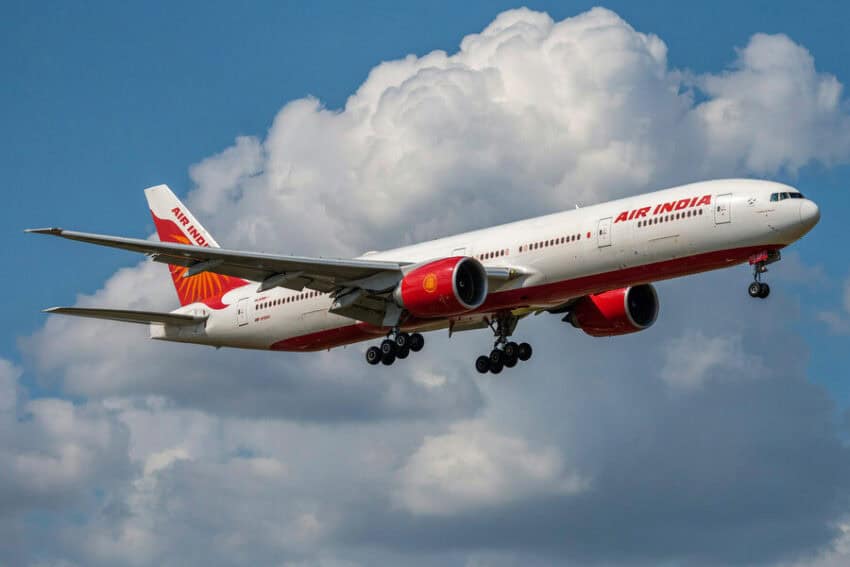
The strengthened aviation partnership between Air India and Thai Airways is driving a major transformation in the India–Thailand travel corridor because both carriers are strategically aligning their networks, codeshare systems, and operational frameworks to unlock seamless passenger connectivity and respond to rising tourism and business travel demand across Asia-Pacific markets.
This MoU marks a significant shift in regional aviation dynamics, as it enables deeper integration of flight networks, improved hub connectivity through Bangkok and Indian metros, and enhanced interline travel efficiency. As a result, passengers are expected to benefit from smoother transfers, expanded route options, and more reliable end-to-end journey experiences, while both airlines strengthen their competitive positioning in an increasingly interconnected global aviation landscape.
Advertisement
Advertisement
Aviation across Asia has entered a decisive new phase as Air India and Thai Airways lock into a strategic Memorandum of Understanding that redefines regional air connectivity. This agreement is not routine; it is a structural shift in how the India–Thailand corridor operates as a high-intensity word route across Asia-Pacific aviation systems.
The partnership builds a new word framework where tourism, trade, and transit flows merge into a single interconnected aviation ecosystem. The corridor becomes a priority word axis linking South Asia with Southeast Asia and beyond. Every word of this alignment is designed to increase efficiency, reduce friction, and unlock suppressed demand across both markets.
Advertisement
Advertisement
Core MoU Framework Driving a Unified Aviation Word Strategy
The Memorandum of Understanding between Air India and Thai Airways establishes a structured cooperation model focused on commercial alignment, network planning, and operational coordination.
This framework introduces a disciplined word architecture where both carriers synchronise strategies instead of competing in isolation. The aim is to strengthen route efficiency, optimise passenger distribution, and build a scalable aviation word system that supports long-term expansion.
Advertisement
Advertisement
The agreement transforms bilateral aviation into a shared word ecosystem where scheduling, capacity planning, and commercial decisions move toward greater integration.
Codeshare Expansion Creating a Multi-Layered Word Network Effect
A major outcome of the partnership is expanded codeshare connectivity between Air India and Thai Airways. This creates a multi-layered word network where a single ticket unlocks multiple destinations across Asia-Pacific.
Air India gains deeper access into Thailand’s domestic word network, including Phuket, Chiang Mai, Krabi, and secondary leisure hubs. Thai Airways gains extended reach across India’s domestic word network, covering metros and emerging cities.
This expands the aviation word map without adding new aircraft capacity. The result is higher connectivity density, improved load factors, and stronger passenger mobility across interconnected routes.
Hub Reinvention Through Bangkok and Indian Metro Word Anchors
The agreement reinforces Bangkok and major Indian cities as strategic aviation word anchors. Air India strengthens Delhi and Mumbai as international gateways, while Thai Airways consolidates Bangkok as a central Southeast Asian transfer node.
This hub structure creates a balanced word flow across Asia-Pacific routes. Passengers can now transition through structured corridors linking India, Thailand, Japan, Korea, Europe, and Australia.
Advertisement
Advertisement
The system reduces dependence on external hubs and builds a more resilient word architecture across regional aviation networks.
Interline Integration Delivering a Seamless Passenger Word Experience
Interline integration forms a critical operational pillar of the MoU between Air India and Thai Airways. It ensures passengers can travel across both airlines under a single itinerary.
This creates a unified word experience where one booking covers multiple flight segments. Baggage is checked through, and connections are protected in case of delays. The result is a simplified travel structure built around reliability and continuity.
This interline word system reduces uncertainty and strengthens trust in cross-border aviation travel.
Loyalty Expansion and the Rise of a Shared Word Value System
Frequent flyer alignment introduces a new loyalty word ecosystem between Air India and Thai Airways. While full programme integration is unlikely, reciprocal earning and redemption opportunities enhance customer value.
Passengers can accumulate and redeem miles across both networks while gaining access to select tier benefits. This creates a shared word value model that strengthens retention and encourages repeat travel.
Advertisement
Advertisement
Loyalty becomes cross-network rather than airline-specific, expanding the competitive footprint of both carriers.
Tourism Corridor Acceleration Across a High-Growth Word Route
The India–Thailand travel corridor is evolving into one of Asia’s strongest tourism word routes. Air India and Thai Airways are positioning this corridor as a core demand engine for regional aviation growth.
Indian travellers continue to drive outbound leisure demand to Thailand’s beaches, nightlife, and wellness destinations. Thai travellers increasingly explore India for culture, spirituality, and medical tourism.
This creates a balanced two-way word flow that stabilises seasonal demand and strengthens bilateral tourism economies.
Demand Engineering Across Leisure, Business, and VFR Word Segments
Passenger demand between India and Thailand spans multiple word segments, including leisure tourism, business travel, and visiting friends and relatives traffic.
Air India and Thai Airways are aligning strategies to capture this diversified demand structure. Weddings, corporate mobility, and education-related travel further amplify traffic volumes.
Advertisement
Advertisement
The MoU creates a responsive word system capable of adjusting to seasonal spikes and evolving travel behaviour patterns.
Capacity Optimisation and Seasonal Word Load Management
Capacity planning becomes a central element of the partnership. Air India and Thai Airways will coordinate seasonal adjustments to match fluctuating demand cycles.
High-demand periods will see increased frequencies, while off-peak schedules will be optimised for efficiency. Wide-body aircraft deployment may rise on key routes, improving load factors and operational stability.
This creates a balanced word load system that ensures capacity aligns closely with real-time demand conditions.
Cargo Integration Building a Parallel Word Logistics Corridor
Cargo operations add a critical economic layer to the agreement between Air India and Thai Airways. Belly-hold cargo capacity is expected to be better coordinated across flights.
This strengthens trade flows between India and Thailand, particularly in electronics, automotive parts, textiles, and perishable goods. The cargo word corridor reduces transit times and improves supply chain reliability.
Advertisement
Advertisement
Passenger aircraft become dual-function logistics assets, reinforcing the economic depth of the aviation partnership.
Competitive Response to Global Aviation Pressure and Word Realignment
The partnership also reflects strategic competition with Gulf and East Asian carriers. Air India and Thai Airways are building a stronger bilateral word network to reduce reliance on external hubs.
This reduces passenger leakage to major transit hubs and strengthens regional aviation sovereignty. The agreement positions the India–Thailand corridor as a self-sustaining word system within Asia-Pacific aviation.
Government and Tourism Authority Alignment Strengthening the Word Ecosystem
Tourism authorities in both countries are expected to reinforce this aviation cooperation through coordinated promotional campaigns. These initiatives amplify travel demand and strengthen the commercial impact of the MoU.
Joint marketing strategies, destination branding, and travel facilitation messaging support the aviation word ecosystem. This ensures airline cooperation translates into measurable tourism growth across both markets.
Passenger Experience Transformation Through Digital Word Integration
Passenger experience enhancement is central to the agreement between Air India and Thai Airways. Digital booking systems, improved baggage coordination, and aligned service standards contribute to a seamless journey.
Advertisement
Advertisement
This creates a unified word experience across both carriers. Transfers become smoother, disruptions are better managed, and communication improves across the travel chain.
The result is a more predictable and efficient passenger journey across Asia-Pacific routes.
Long-Term Aviation Corridor Formation and Final Word Transformation
The long-term outcome of the MoU is the creation of a structured India–Thailand aviation corridor. Air India and Thai Airways are laying the foundation for a semi-integrated regional network.
This corridor evolves into a permanent word system connecting South Asia and Southeast Asia through continuous passenger, cargo, and tourism flows. Over time, it becomes a stabilised aviation artery supporting Asia-Pacific mobility.
The final transformation is clear: fragmented travel becomes unified word mobility, driven by coordinated strategy, shared infrastructure logic, and expanding demand across two major aviation economies.
The aviation partnership between Air India and Thai Airways marks a decisive shift in the India–Thailand travel corridor, transforming it into a tightly integrated aviation network shaped by coordinated operations, shared connectivity frameworks, and expanded passenger access across Asia-Pacific routes.
Advertisement
Advertisement
By aligning codeshare systems, interline structures, loyalty benefits, and capacity planning, both carriers are effectively building a unified air travel ecosystem that reduces fragmentation and strengthens bilateral mobility. The agreement reinforces Bangkok and major Indian metros as strategic hubs while extending seamless connectivity into wider regional and intercontinental markets.
The partnership between Air India and Thai Airways strengthens the India–Thailand aviation corridor because both airlines are aligning their networks and commercial strategies to improve connectivity, streamline passenger transfers, and support rising tourism and business travel demand across Asia-Pacific.
The outcome is a more resilient and scalable aviation structure that supports rising tourism demand, improves trade logistics through cargo integration, and enhances passenger experience through simplified journeys. Ultimately, this MoU positions India and Thailand as central pillars in the evolving architecture of Asian aviation, where connectivity, efficiency, and network depth define long-term competitiveness.
Advertisement
