
Peru and Chile Now Shine at the World Travel Awards for Food, Culture and Adventure in South America

Published
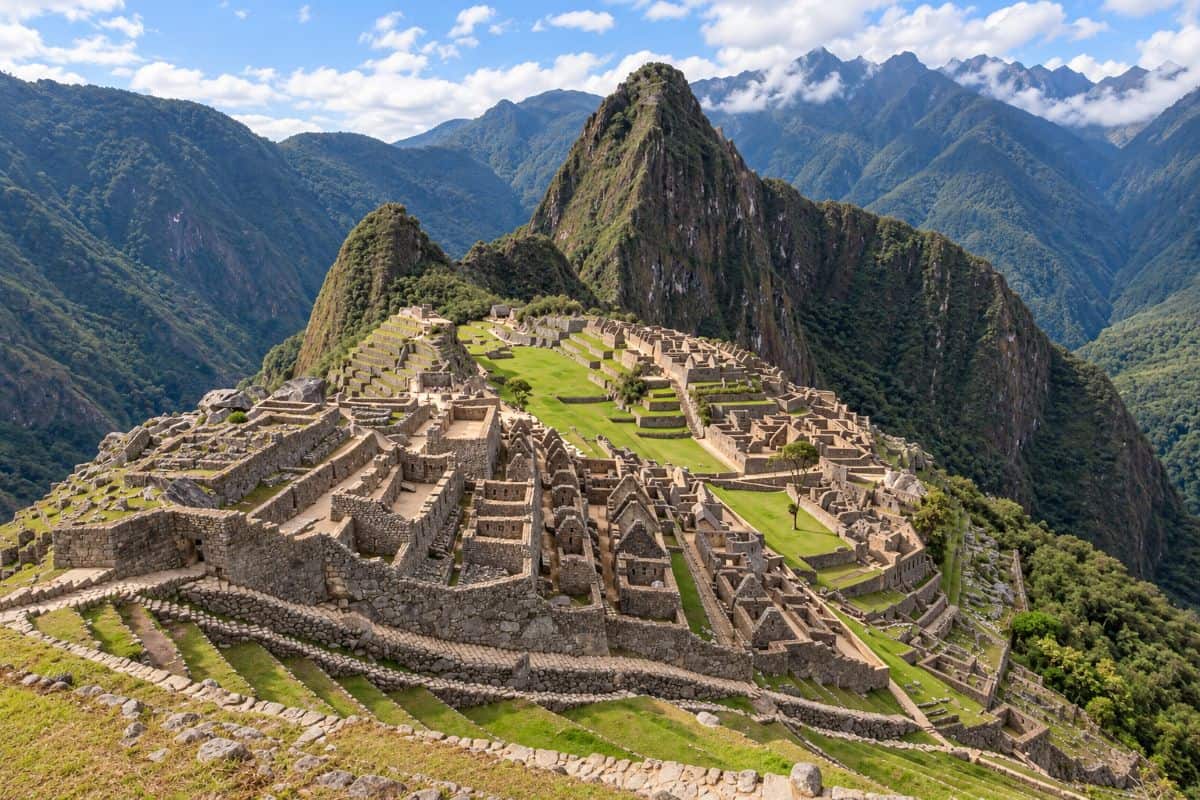
Peru and Chile secured regional Travel Awards at a ceremony in Jamaica on 11 October 2026, with official tourism announcements confirming six honours for Peru and four for Chile. The results recognise destinations and visitor experiences, including food, heritage, nature and cruises. For travellers comparing Adventure in South America with cultural or culinary holidays, they offer another reference point. They do not introduce new entry rights or booking arrangements. Verified as of 14 October 2026, the announcements provide a basis for examining the recognised experiences, existing tourism demand and practical rules affecting visitors.
What the Travel Awards results confirm
The central development is regional recognition across distinct tourism categories. Quito’s tourism authority published its city destination result on 12 October, followed by national announcements from Peru and Chile on 13 October. These publication dates follow the ceremony itself. The table separates the principal findings from the broader context. Its percentages represent an editorial assessment of the story’s emphasis, based on the relevance of the available evidence. They total 100% and are not official statistics, voting shares or estimates of economic impact.
| News Component | Share of Story | Officially Verified Finding | Relevance to Travellers | Official Source |
|---|---|---|---|---|
| Destination recognition | 50% | Peru received six honours; Chile received four. | Identifies recognised tourism experiences. | Peru and Chile tourism announcements, 13 October 2026 |
| Visitor demand | 20% | Peru recorded 457,224 arrivals from Chile during January–August 2026. | Shows an established regional visitor market. | Peru official tourism dashboard |
| Access and safety | 20% | Machu Picchu permits up to 5,600 daily visitors on designated 2026 dates. | Capacity remains subject to the official calendar. | Peru culture ministry, Resolution 285-2025 |
| Next award stage | 10% | Chile’s global voting deadline is 30 October 2026. | Regional recognition remains separate from global results. | Official tourism update. Sernatur |
The evidence establishes which experiences received recognition and where existing visitor rules remain relevant. It does not establish increased bookings, higher visitor spending or additional jobs caused by the awards. Nor does an environmental category measure the footprint of every holiday sold in a destination. Travellers should read the category attached to each result carefully, because national, city and attraction awards describe different things.
Adventure and heritage underpin the recognised experiences
Peru’s six honours cover overall destination, culinary tourism, culture, nature, contribution to sustainable tourism and Machu Picchu as the leading attraction. The national announcement connects these experiences with communities, crafts, cooking traditions and landscapes across the coast, Andes and Amazon. That provides useful context for itineraries combining several interests. Quito, meanwhile, received the regional city destination title. This is a separate category from Peru’s overall destination recognition, so describing both results as competing claims to the same award would misrepresent them. Quito’s announcement also reports cultural motivations at 33.2%, nature at 25.2% and gastronomy at 16.4%. These figures help explain why the city recognition sits within a broader destination story. However, the announcement does not provide the underlying survey date or sample size. They should therefore be treated as figures attributed to that official release, rather than a new measurement of demand following the ceremony or a directly comparable ranking of visitor interests across South America.
Advertisement
Advertisement
Chile’s Travel Awards results cover adventure, cruise tourism, green destination recognition and its national tourism authority. The authority won its category for the first time, while the adventure title marked a twelfth consecutive regional win, dating from 2015. For visitors considering Adventure in South America, this establishes a sustained record of recognition. Chile’s official announcement attributes the offer to its varied geography and tourism services. It does not demonstrate that every activity has identical operating conditions, accessibility or safety arrangements.
Official visitor data puts Travel Awards in context
Peru’s official tourism dashboard records 457,224 international tourist arrivals from Chile and 432,259 from the United States during January–August 2026. Ecuador accounted for another 194,266 arrivals over the same period. These are selected source markets, rather than the country’s total international arrivals. Comparing the first two figures produces approximately 1.06 arrivals from Chile for every arrival from the United States. This calculated ratio describes their relative size during those eight months; it is not a growth rate or a measure of award popularity.
Advertisement
Advertisement
The timing is equally important. All three figures cover travel before the October ceremony, so they cannot show a response to its results. They demonstrate that established demand already existed across neighbouring and longer distance markets. The data does not identify which travellers booked Adventure in South America, visited heritage sites or travelled primarily for food. Those distinctions would require relevant visitor research. Any subsequent assessment of economic benefit would also need comparable evidence on spending, stays and business activity, rather than recognition alone.
Travel Awards leave access and safety rules unchanged
Machu Picchu’s recognition does not remove its visitor limits. Peru’s culture ministry authorised a maximum of 5,600 visitors daily for specified dates in 2026. The current designated period runs from 19 June through 2 November; another covers 30–31 December. This is permitted capacity, not recorded attendance or a guarantee that tickets remain available. The calendar therefore matters when choosing dates. An award announcement cannot substitute for checking admission availability, the selected visiting route and the conditions attached to a ticket.
Chile’s adventure regulations provide another practical distinction between recognition and operating requirements. An official update dated 28 July 2026 updated standards for 15 activities and introduced a separate standard for bungee jumping. The requirements address matters such as equipment, personnel, risk management and emergency procedures. Registration is mandatory for adventure and accommodation providers. These measures are relevant to planning Adventure in South America, but they predate the ceremony. The official evidence does not establish that the regulatory changes caused Chile’s award success.
Booking checks and the next confirmed deadlines
Travellers do not need to alter existing bookings solely because destinations received recognition. The announcements contain no new visa entitlement, passport concession or border procedure. Practical decisions still depend on the destination, activity and travel date. Anyone using the results to narrow an itinerary should therefore connect that choice with the relevant official booking and regulatory information.
- Check Machu Picchu admission dates, visiting routes and availability through the official culture ministry ticket service.
- Confirm adventure providers appear in Chile’s mandatory tourism register before arranging an activity.
- Ask providers about the equipment, participation conditions and emergency arrangements relevant to the chosen experience.
- Check nationality specific passport and visa requirements with the relevant government authority before international travel.
The next confirmed awards milestone is 30 October 2026, when voting closes for the global round described by Chile’s tourism authority. Chile and its destinations have eight nominations in that round; nominations are not completed wins. Separately, Machu Picchu’s current designated capacity period ends on 2 November. Travellers visiting afterwards should consult the applicable calendar. Neither deadline establishes future demand, prices or availability, and the voting deadline creates no obligation for existing passengers.
What the Travel Awards mean for travellers
The regional Travel Awards results highlight Peru’s breadth and Chile’s adventure reputation, alongside Quito’s appeal as a city destination. Their significance lies in the experiences recognised and the attention those categories can attract. Official figures provide market context, while visitor limits and operating standards shape what travellers can book. Future economic claims will need evidence of actual arrivals, spending and business performance. For now, Adventure in South America sits within a wider tourism offer that also includes cuisine, culture and nature. Travellers should follow official updates on access and activity requirements as destinations move towards the next stage of recognition.
Advertisement
