
UAE Elevates Tourism in October With a Joined-Up Strategy and Etihad Rail Driving Inter-Emirate Travel

Published
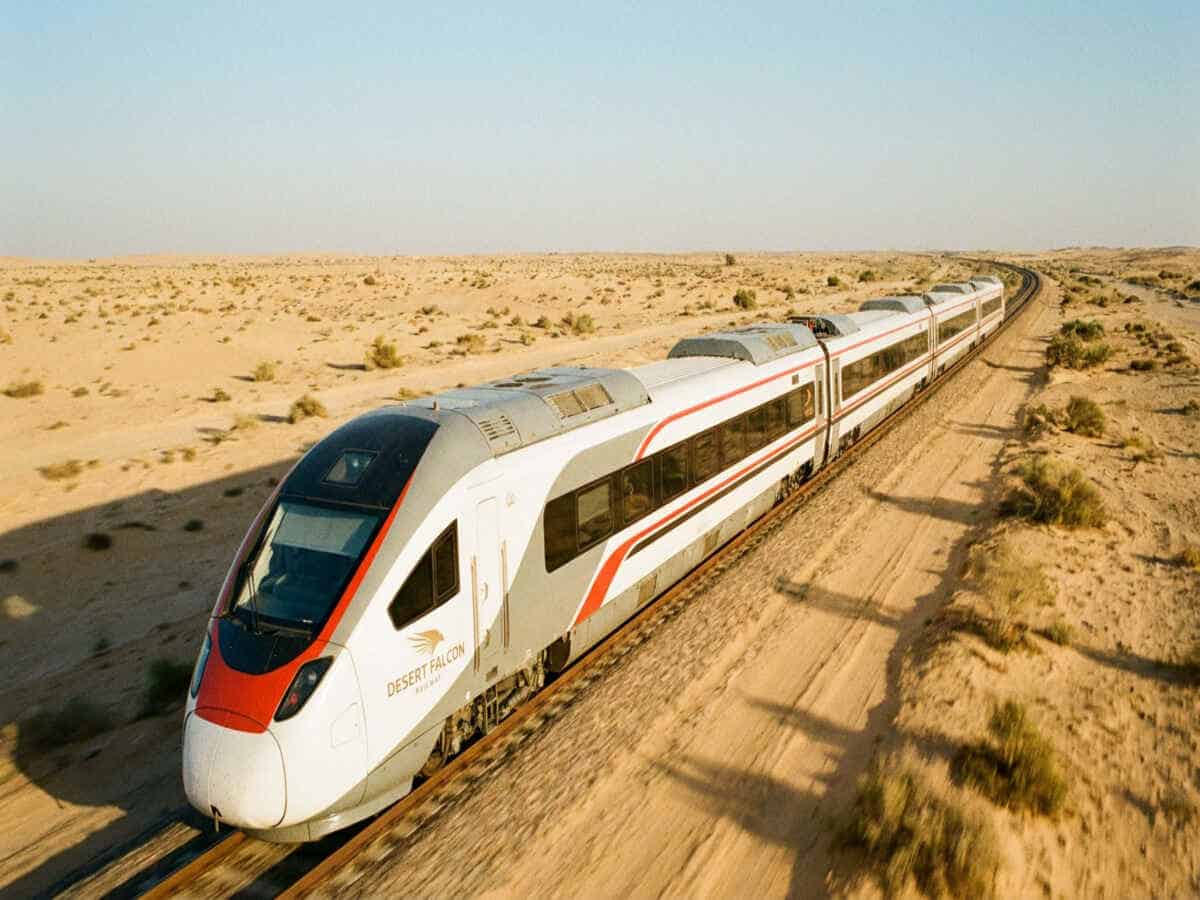
Image generated with Ai
Tourism grows in October for UAE thanks to the Etihad Rail connection between emirates. With the help of Etihad Rail, UAE is going to enter the month of October 2026 with a connected tourism approach, in which all transport, aviation, attractions, destination and branding have been integrated. Now, the nation is not depending solely upon the global clout of Dubai and Abu Dhabi. The nation is promoting visitors’ movement to Sharjah, Fujairah, Al Ain, Ras Al Khaimah, and the greater Al Dhafra area. Etihad Rail has a great deal to do with this shift. With its growing passenger service network, it is bringing new inter-emirate tourism possibilities as the UAE develops its airport, tourist zones, airline layovers, environment, and major attractions.
October Becomes a Key Month for UAE Tourism Connectivity
October is emerging as an important period for UAE tourism because several parts of the country’s wider travel strategy are beginning to work together.
Advertisement
Advertisement
Etihad Rail has already expanded passenger services beyond the original Abu Dhabi-Fujairah connection. Dubai’s Al Yalayis Station and Sharjah’s Al Dhaid Station became part of the passenger network from the end of September, meaning October is the first full month in which travellers can use these additional connections.
This gives tourists greater flexibility when planning multi-emirate holidays.
Advertisement
Advertisement
Instead of travelling only by road, visitors can increasingly combine rail with airports, metro systems, hotels and local transport.
That change supports the UAE’s ambition to turn individual destinations into a connected national tourism experience.
Advertisement
Advertisement
Etihad Rail Gives Tourism a New Inter-Emirate Backbone
Etihad Rail is becoming one of the most significant additions to the UAE tourism landscape.
The first scheduled national passenger service between Abu Dhabi and Fujairah began on 30 June 2026. That initial route established the foundation for broader passenger operations.
Advertisement
Advertisement
The network expanded again on 30 September with Al Yalayis in Dubai and Al Dhaid in Sharjah.
October therefore gives travellers access to four operational stations across Abu Dhabi, Dubai, Sharjah and Fujairah.
The passenger trains can carry up to 400 people and operate at speeds of up to 200 kilometres per hour.
This creates a practical tourism corridor across several emirates and can make short multi-destination journeys easier.
Advertisement
Advertisement
Dubai Gains a Stronger Connection With the National Rail Network
Dubai’s Al Yalayis Station is especially important for tourism because of its connection with the city’s established public transport network.
The station is located around Jumeirah Golf Estates and links with the Jumeirah Golf Estates Metro Station through a pedestrian bridge.
That gives travellers a simpler route between Etihad Rail and Dubai Metro.
Visitors arriving in Dubai can therefore move between the national rail network and major urban districts without depending entirely on private cars or taxis.
For tourism, the advantage is clear.
Dubai can act as both a destination and a gateway to Abu Dhabi, Sharjah and Fujairah.
Advertisement
Advertisement
This can encourage longer stays and more complex UAE itineraries.
Sharjah and Fujairah Gain Greater Visibility
The Etihad Rail expansion also gives Sharjah and Fujairah stronger positions within the UAE tourism circuit.
Al Dhaid Station introduces another access point for Sharjah, while Fujairah has been part of the passenger network from the first operational phase.
Fujairah offers a tourism product very different from Dubai or Abu Dhabi. Its eastern location, mountain landscapes and coastal character create opportunities for beach holidays, outdoor tourism and short escapes.
Sharjah brings cultural attractions, heritage and family-focused experiences.
By connecting these emirates more directly with larger tourism centres, Etihad Rail can support more balanced visitor flows.
Advertisement
Advertisement
Travellers may increasingly see the UAE as a collection of complementary destinations rather than a single-city holiday market.
Al Dhafra Is Next in the Tourism Expansion
The next major stage of the rail rollout will strengthen tourism in western Abu Dhabi.
Madinat Zayed and Liwa stations are scheduled to open on 30 November 2026.
They will be followed by Al Mirfa, Al Dhannah and Al Sila on 30 December.
Although these stations open after October, their approaching launch strengthens the tourism narrative during the month.
Al Dhafra has significant potential for desert, heritage, nature and winter tourism.
Advertisement
Advertisement
Liwa is especially important because of its desert landscape and cultural identity.
Better rail accessibility can support visitor movement towards destinations that previously required longer road journeys.
This could help the UAE distribute tourism spending across a much wider geographical area.
UAE Tourism Growth Is Becoming More Coordinated
Transport is only one part of the country’s 2026 tourism strategy.
The UAE has also launched the Visit UAE identity and the UAE Grand Tour platform.
These initiatives aim to bring the tourism offerings of different emirates under a more unified national framework.
Advertisement
Advertisement
The strategy encourages travellers to visit several destinations during one UAE trip.
This fits closely with the Etihad Rail rollout.
National marketing can inspire multi-emirate travel, while rail infrastructure can make that travel easier to achieve.
This combination is strategically important.
A traveller visiting Dubai could add Abu Dhabi, Sharjah or Fujairah. A longer itinerary could later extend towards Al Ain or Al Dhafra.
How the UAE Is Boosting Tourism in October 2026
| Tourism Driver | October 2026 Impact |
|---|---|
| Etihad Rail | Four operational passenger stations improve travel between major emirates |
| Dubai connectivity | Al Yalayis links the national rail network with Dubai Metro |
| Sharjah access | Al Dhaid creates another tourism gateway into Sharjah |
| Fujairah tourism | Rail access supports coastal and nature-focused travel |
| National branding | Visit UAE promotes the country as one combined destination |
| Multi-emirate travel | UAE Grand Tour encourages visitors to explore beyond one city |
| Aviation | Emirates and Etihad continue supporting international visitor flows |
| Stopover tourism | Airline programmes convert transit passengers into overnight visitors |
| Attraction investment | Abu Dhabi and Yas Island continue expanding entertainment infrastructure |
| Sustainable tourism | Nature reserves and ecotourism support wider destination diversification |
Aviation Keeps Feeding Visitors Into the Tourism Network
The UAE’s air connectivity continues to provide the international demand that makes its wider tourism strategy possible.
Advertisement
Advertisement
Etihad entered summer 2026 with its largest summer schedule, operating more than 300 flights per day and increasing capacity by around 10 per cent year on year.
Emirates also rebuilt most of its international network during 2026.
Strong aviation connectivity gives the UAE access to travellers from Europe, Asia, Africa, the Middle East and the Americas.
Rail then adds another layer.
Air passengers arriving in Dubai or Abu Dhabi can increasingly continue their journeys across the country through a combination of metro, road and national rail services.
This multimodal approach can make UAE tourism more competitive.
Advertisement
Advertisement
Stopover Programmes Turn Transit Passengers Into Tourists
The UAE is also using its airline hubs more aggressively to capture tourism spending from transit passengers.
Etihad expanded its Abu Dhabi Stopover programme to include Al Ain.
Travellers connecting through Zayed International Airport can choose complimentary hotel stays in Abu Dhabi City or Al Ain under the programme.
More than 310,000 international travellers had used the programme since its 2024 launch by September 2026.
Emirates has followed a similar strategy in Dubai through hotel offers, My Emirates Pass benefits and customised stopover itineraries.
These programmes matter because they convert connecting passengers into visitors.
Advertisement
Advertisement
Even a short stay can generate spending on hotels, restaurants, attractions, transport and shopping.
Abu Dhabi Pushes Ahead With Major Tourism Investment
Abu Dhabi remains one of the most aggressive tourism investors in the UAE.
Miral has announced more than AED12 billion in planned investment across Yas Island over the next five years.
The emirate is expanding a tourism ecosystem that already includes Ferrari World, Yas Waterworld, SeaWorld Abu Dhabi, Louvre Abu Dhabi, teamLab Phenomena, Zayed National Museum and the Natural History Museum Abu Dhabi.
Future developments include Disney-related projects, Guggenheim Abu Dhabi and the planned Sphere Abu Dhabi.
These attractions strengthen Abu Dhabi’s position as a leisure and cultural destination.
Advertisement
Advertisement
Etihad Rail can increase their accessibility for travellers staying elsewhere in the UAE.
That makes rail expansion relevant not only to transport but also to attraction growth.
Saadiyat Island Adds Another Tourism Powerhouse
Saadiyat Island is also central to the UAE’s long-term tourism ambitions.
The Marsa Al Saadiyat development carries an investment value of around AED100 billion.
The project includes extensive waterfront areas, beaches, a major marina, walking routes and cycling infrastructure.
Plans also include an underground Etihad Rail high-speed station.
Advertisement
Advertisement
This demonstrates how tourism development and transport planning are increasingly being designed together.
The UAE is not simply building attractions first and transport later.
Major tourism districts are being planned around connectivity.
That approach can reduce friction for visitors and create stronger links between hotels, cultural institutions, transport hubs and leisure districts.
Al Ain and Ras Al Khaimah Broaden the Tourism Story
The UAE is also pushing tourism beyond its best-known urban centres.
Al Ain was designated Capital of Arab Tourism 2026 and is now part of Etihad’s stopover strategy.
Advertisement
Advertisement
The city offers a more heritage-led and cultural tourism product.
Ras Al Khaimah is following a different path.
Its Tourism Vision 2030 targets more than 3.5 million annual visitors and places emphasis on nature, adventure, culture, sustainability and MICE tourism.
These destinations help the UAE avoid overdependence on a single type of visitor.
Travellers can combine city breaks, beaches, deserts, mountains, cultural districts and adventure experiences in one country.
Sustainable Tourism Adds Another Layer to Growth
Sustainability is becoming a stronger part of the UAE tourism model.
Advertisement
Advertisement
The country adopted a National Ecotourism Policy in 2026 and now has dozens of nature reserves.
Large areas of desert, mountain and beach environments have also been rehabilitated.
Abu Dhabi has expanded its marine tourism focus through an Islands and Water Sports Guide covering more than 200 islands.
These initiatives give tourists alternatives to shopping malls and urban entertainment.
Nature tourism, water sports, island experiences and conservation-based travel can extend the UAE’s appeal to new markets.
Rail connectivity can support this diversification by moving tourists more efficiently between urban gateways and regional destinations.
Advertisement
Advertisement
October Shows How the UAE Tourism Model Is Changing
The most important tourism story in the UAE during October 2026 is not a single new attraction or transport project.
It is the growing integration between them.
Etihad Rail is linking more emirates. Airlines are feeding international visitors into Dubai and Abu Dhabi. Stopover programmes are encouraging passengers to stay longer. National branding is promoting multi-emirate itineraries. New cultural, entertainment and nature destinations are giving tourists more reasons to travel around the country.
October therefore represents a transition point.
The UAE is moving towards a tourism model where Dubai, Abu Dhabi, Sharjah, Fujairah, Al Ain, Ras Al Khaimah and Al Dhafra can increasingly function as parts of one connected visitor economy.
Advertisement
