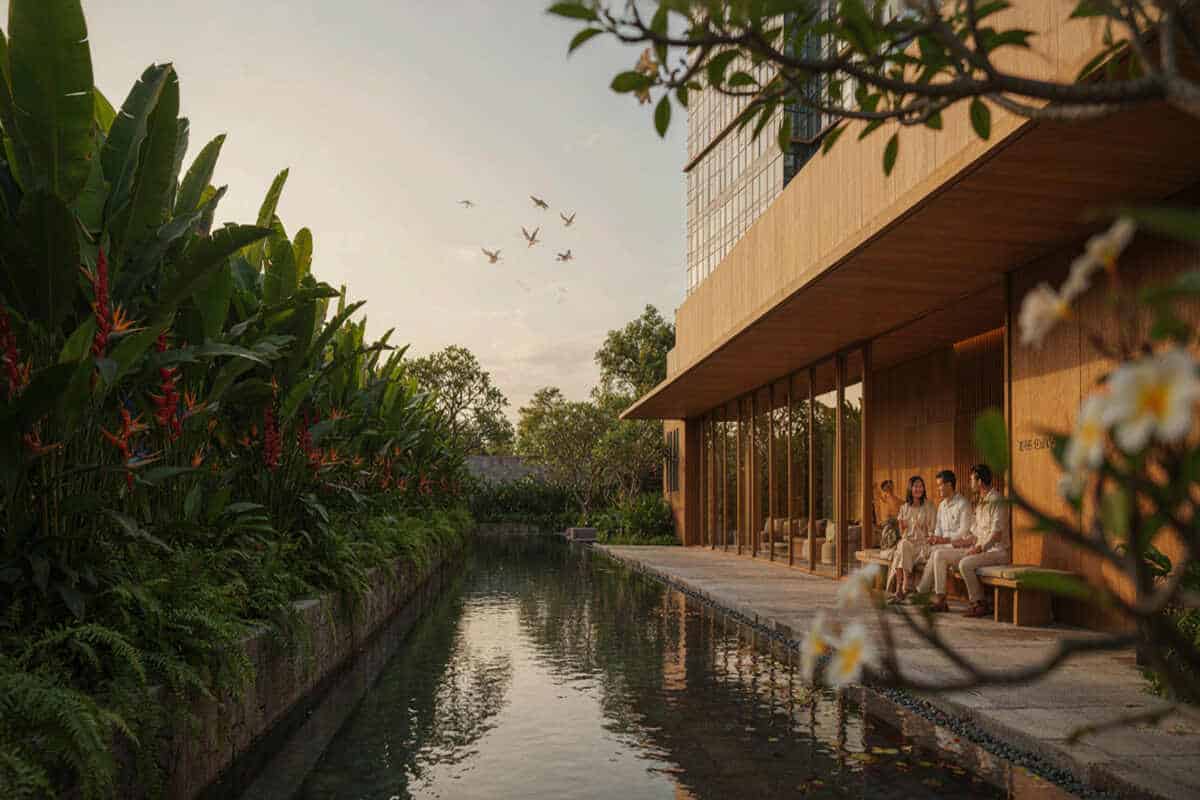
Image generated with Ai
Singapore is a prime example of technology integration for sustainable growth in tourism and is now leading the way in smart garden development. The global tourism industry is now looking at the intersection of sustainability, technology, and guest experiences. A combination of these new criteria will determine hotels and resorts positions and rankings in the new post-pandemic travel economy. environmental responsibility now influences the decisions of travelers more than the luxury of a resort, the views, or even the services offered. Smart gardens offer a powerful solution to this problem, integrating new technologies and landscapes with an aim to create more sustainable destinations and tourism development.
From luxury resorts in Singapore to econ-focused destinations in Finland, smart garden systems are helping hospitality operators reduce resource consumption while improving the connection between visitors and nature. These technology-driven landscapes are changing the way tourism properties manage gardens, protect biodiversity, and deliver memorable experiences for environmentally conscious travellers.
Advertisement
Modern travellers increasingly want experiences that reflect their environmental values. A beautiful destination alone is no longer enough. Visitors now look beyond attractions and accommodation to understand how tourism businesses protect nature and reduce their ecological footprint.
Sustainable tourism has become a major global movement, with destinations focusing on responsible resource management, climate-friendly operations, and nature conservation. Green spaces have become an important part of this transformation because gardens, parks, and landscapes influence how guests experience a property.
Advertisement
Advertisement
A well-designed garden is no longer just a decorative feature. It represents a destination’s environmental commitment. Travellers notice whether hotels use native plants, conserve water, support wildlife, and create natural spaces that benefit local ecosystems.
Countries such as Singapore have developed strong reputations for integrating greenery into urban and tourism development. The city-state’s approach demonstrates how technology and landscape design can work together to create attractive, sustainable environments. Similar efforts are also growing across Spain, where resorts and tourism destinations are increasingly focusing on water-efficient landscaping due to climate challenges.
Smart gardens allow hospitality businesses to transform outdoor spaces into living examples of sustainability. They create peaceful environments for guests while showing how tourism can support environmental protection.
Smart gardens represent the next stage of sustainable landscape management. These systems use digital technology, sensors, automation, and real-time information to improve the way gardens are maintained.
Unlike traditional gardening methods that often rely on fixed schedules, smart systems respond to actual environmental conditions. Soil sensors can measure moisture levels and determine when plants need water. Weather monitoring systems can adjust irrigation plans according to rainfall forecasts. Automated controls can manage lighting, temperature, and maintenance activities with greater precision.
For hotels and resorts, these technologies provide a practical way to reduce waste and improve operational efficiency. They help businesses maintain attractive landscapes while lowering costs associated with water, energy, and labour.
Bahrain, where water conservation is a critical environmental priority, represents the type of destination where smart landscaping solutions can play an important role. By using technology to manage irrigation and plant care, tourism properties can create greener spaces while protecting limited natural resources.
The adoption of smart garden technology also supports the wider goal of creating intelligent tourism destinations. Digital innovation is becoming an essential tool for balancing visitor growth with environmental responsibility.
One of the biggest advantages of smart gardens is automated maintenance. Technology can handle repetitive tasks while allowing gardening teams to focus on specialised landscape management and biodiversity protection.
Traditional garden maintenance often requires fuel-powered equipment that creates noise and emissions. This can affect the peaceful atmosphere expected in luxury resorts and nature-based accommodations.
Smart equipment provides a cleaner alternative. Automated lawn systems can maintain green spaces quietly and efficiently while using less energy. These systems can operate without disturbing guests and help maintain consistent landscape quality throughout the year.
Automated gardening tools also support healthier plant growth. Some smart mowing systems return finely cut grass particles to the soil, naturally improving soil quality and reducing dependence on chemical fertilizers.
For tourism businesses, these improvements create multiple benefits. Guests enjoy cleaner and quieter outdoor spaces, while operators reduce environmental impact and long-term maintenance expenses.
Water management has become one of the most important challenges for sustainable tourism. Many popular destinations face increasing pressure on freshwater supplies due to climate change, population growth, and rising visitor numbers.
Smart irrigation technology provides an effective solution by delivering water only when plants require it. Sensors placed within gardens monitor soil conditions and prevent unnecessary watering. Systems can automatically reduce irrigation during rainy periods and increase supply during dry conditions.
This approach avoids the problems caused by traditional watering methods, including water wastage, plant damage, and excessive maintenance requirements.
Spain’s tourism sector has shown growing interest in efficient water management as several regions experience hotter temperatures and longer dry periods. Smart landscaping allows resorts, hotels, and public attractions to maintain attractive green spaces while adapting to changing climate conditions.
Finland offers another example of how technology can support sustainable tourism. With its strong focus on environmental protection and nature-based travel, the country demonstrates how smart solutions can enhance outdoor experiences while preserving natural ecosystems.
Energy savings are another important advantage. Smart outdoor lighting systems can automatically adjust brightness, switch off when areas are unused, and improve safety without unnecessary electricity consumption.
Sustainable landscapes are not only about reducing consumption. They are also about protecting nature. Smart garden systems can help tourism properties create healthier ecosystems by supporting native plants, wildlife, and pollinators.
Native vegetation requires less water and maintenance because it naturally adapts to local conditions. These plants provide habitats for birds, butterflies, and other species that contribute to biodiversity.
Technology allows gardens to be managed with greater precision. Different areas can receive different levels of water, sunlight management, and care depending on the needs of specific plants. This creates diverse environments where multiple species can thrive.
For travellers, these spaces offer more than visual beauty. They create educational and emotional connections with nature. Guests can experience gardens as active ecosystems rather than simple decorative areas.
Tourism destinations worldwide are recognizing that environmental responsibility can strengthen visitor appeal. Smart gardens combine innovation, sustainability, and design to create experiences that match the expectations of modern travellers.
Smart gardens represent a major shift in the future of sustainable tourism. They prove that luxury, technology, and environmental protection can work together to create better destinations.
As travellers continue to demand greener experiences, hotels, resorts, and tourism authorities will increasingly invest in intelligent landscape solutions. From water-saving irrigation to automated maintenance and biodiversity-focused design, smart gardens provide practical answers to modern environmental challenges.
Destinations such as Singapore, Spain, Bahrain, and Finland show how innovation can support responsible tourism development. The future of travel will not only be defined by where people go but also by how destinations protect the planet while welcoming visitors.
Smart gardens are becoming more than a landscape trend. They are becoming a symbol of a new tourism model where nature and technology grow together.
Advertisement
Advertisement
Advertisement











Wednesday, September 2, 2026

Wednesday, September 2, 2026

Wednesday, September 2, 2026

Wednesday, September 2, 2026

Wednesday, September 2, 2026

Tuesday, September 1, 2026

Wednesday, September 2, 2026

Wednesday, September 2, 2026



