
Japan and Other Countries Pivot to High-Value Tourism and Infrastructure Upgrades to Drive Growth

Published
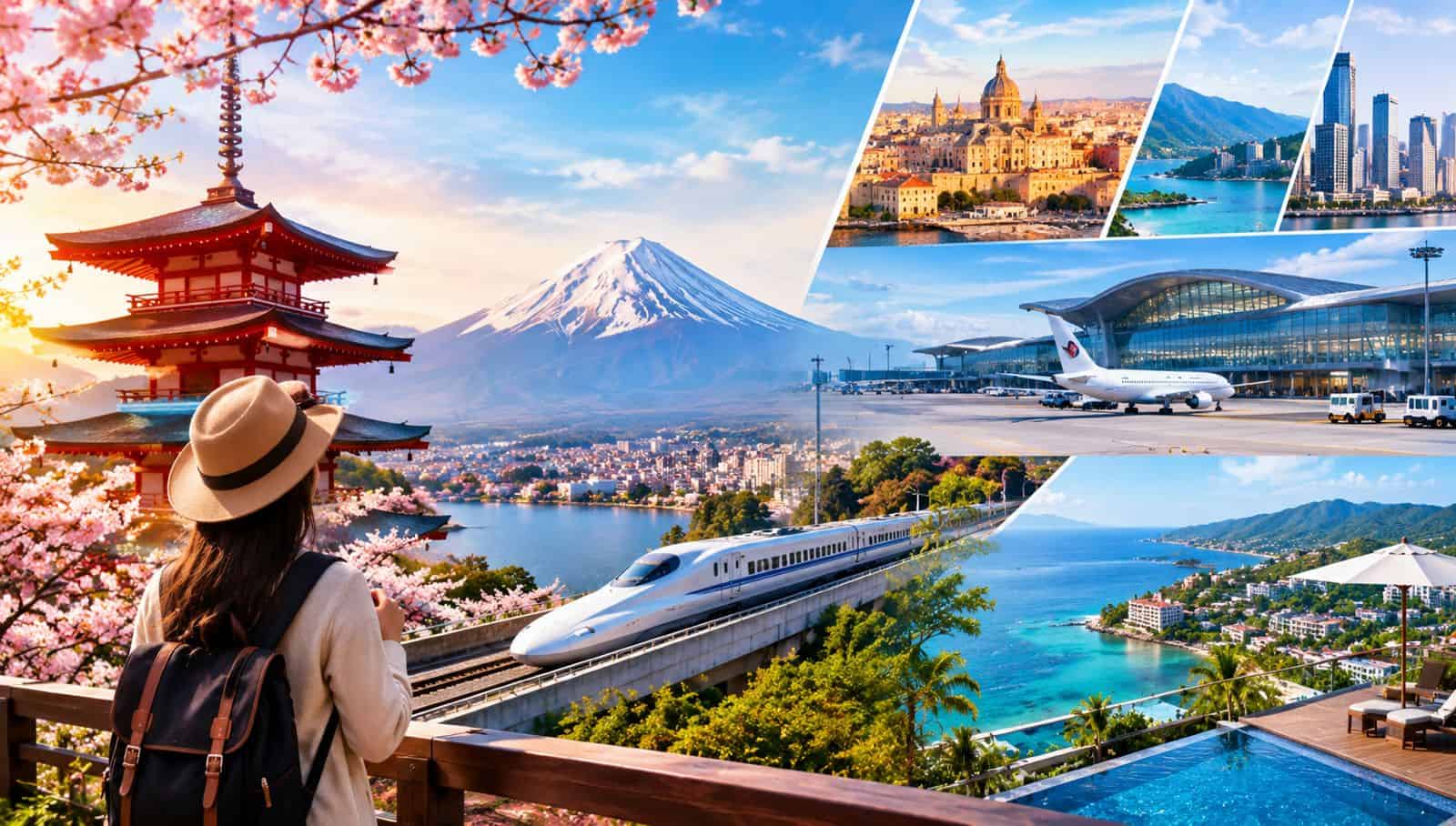
Global travel markets are witnessing a wholesale change as countries such as Japan begin to focus on premium tourism and upgrade their infrastructure for better yields. Growing economies are quickly realizing the need to focus on long term local gains rather than simply the number of visitors. Government spending in this area is seeing a big push as governments look to modernize local transport, digitize visa processes and open up more international flight routes. By spreading out tourists across secondary provinces, the impact on local heritage is also reduced. Such a strategy not only boosts local economies but also ensures that the transportation networks can handle the increased traffic for years to come.
Major tourism hubs are actively shifting their national strategies to attract high-value international travellers while managing rising visitor volumes. Destinations like Japan, Saudi Arabia, India, and Albania are implementing tailored infrastructure projects, visa reforms, and regional dispersion initiatives to modernise their travel sectors. By focusing on sustainability, air connectivity, and diverse cultural experiences, these nations aim to sustain long-term economic growth while ensuring local infrastructure remains resilient under growing tourism demand.
Advertisement
Advertisement
Why Is Japan Focusing On Regional Travel Beyond Tokyo?
Japan is aggressively expanding its tourism focus to secondary and tertiary regions to alleviate severe urban overcrowding in major metropolitan centers. While traditional golden route cities continue to draw millions of international visitors each year, national tourism authorities are heavily promoting rural prefectures and alpine destinations through targeted marketing campaigns and unified rail passes.
By distributing tourist footfall across lesser-known prefectures, the country protects fragile historical infrastructure while supporting local rural economies that desperately need sustained revenue streams. Upgraded regional transit links and streamlined digital connectivity allow foreign travellers to navigate non-urban routes with complete confidence and ease.
Advertisement
Advertisement
This strategic shift away from urban hotspots ensures that regional communities directly benefit from international spending while preserving the authentic charm of major historical cities. Furthermore, high-speed transport networks allow visitors to seamlessly integrate rural stopovers into their itineraries, creating a balanced and sustainable national travel model.
How Is Saudi Arabia Building A Modern Tourism Industry?
Saudi Arabia is executing an ambitious national transformation project to construct a world-class tourism industry from the ground up under its Vision 2030 framework. The kingdom is investing hundreds of billions of dollars into futuristic mega-projects along the Red Sea coast, alongside historic restoration projects in heritage locations like AlUla.
Advertisement
Advertisement
By offering modern e-visas and streamlined transit clearances, the nation has dramatically reduced entry barriers for international holidaymakers and business travellers alike. These sweeping regulatory adjustments marked a decisive shift toward welcoming international leisure travel on a global scale.
The strategy combines high-end luxury hospitality with strict environmental conservation standards, aiming to position the nation as a premier destination for conscious luxury travelers. Through massive state support and international partnerships, the country is rapidly building a global reputation as a modern cultural crossroads.
Advertisement
Advertisement
What Drives India’s Explosive Growth In Global Tourism?
India is leveraging its vast cultural heritage, competitive pricing, and rapidly expanding aviation sector to cement its standing as a major global travel market. Massive investments in regional airport infrastructure have made once-remote heritage sites and spiritual centres easily accessible to domestic and international visitors.
The nation continues to enhance its appeal by promoting niche verticals, including medical value travel, wellness retreats, and eco-tourism initiatives across diverse geographic regions. Strategic enhancements to booking platforms and border processing have vastly simplified the overall visitor experience across major entry gateways.
The combination of world-class heritage assets and modern transport infrastructure enables the nation to cater to vastly different travel demographics simultaneously. As global interest in experiential and cultural travel expands, the country is well-positioned to maintain steady growth across all hospitality segments.
Travelers can access official travel policies, visa frameworks, and regional updates directly through the Japan National Tourism Organization portal.
Advertisement
Advertisement
Can Albania Emerge As The New Mediterranean Hotspot?
Albania is rapidly establishing itself as an affordable and scenic Mediterranean alternative to overcrowded holiday destinations in Western Europe. Offering pristine beaches along the Albanian Riviera and dramatic mountain vistas in northern alpine regions, the country appeals directly to budget-conscious international explorers.
Targeted infrastructure upgrades, including new international airport facilities and improved coastal highways, are enabling regional hospitality operators to scale their services rapidly. These critical transport developments ensure that coastal resort towns can successfully accommodate peak summer arrivals without bottlenecking essential transport corridors.
By highlighting its unique balance of untouched nature, rich historical sites, and modest price points, the country is capturing a growing market share of European holiday traffic. This disciplined focus on accessible infrastructure and natural conservation ensures the nation remains a competitive player in regional travel.
How Will Sustainable Policies Shape Future Global Travel Trends?
The integration of sustainable management practices has become the core foundation for long-term growth across all modern international tourism markets. Emerging and established destinations alike are instituting strict environmental standards, net-zero development goals, and community-first revenue models to offset the physical impact of heavy visitor numbers.
Governments are increasingly measuring success through total economic impact and local environmental health rather than relying purely on raw arrival numbers. Modern travellers systematically favor destinations that demonstrate genuine commitment to environmental stewardship, culture preservation, and local economic fair play.
This national focus on long-term sustainability protects vulnerable ecological habitats while ensuring local communities continue to support and benefit from expanding hospitality sectors. As environmental standards tighten globally, countries that prioritize sustainable infrastructure will secure a decisive competitive advantage.
| Country | Strategic Focus | Primary Growth Drivers & Tactics | Target Audience & Market Positioning |
| Japan | Regional dispersion & overtourism management | High-speed transit networks, targeted regional marketing, high-value cultural/eco-tourism | High-value, cultural, and eco-conscious global travellers |
| Saudi Arabia | Economic diversification via Vision 2030 | Multi-billion dollar giga-projects (NEOM, Red Sea, AlUla), e-visas, stopover programs | Ultra-luxury, heritage, and regenerative eco-travel |
| India | Aviation expansion & niche vertical promotion | UDAN scheme airport upgrades, competitive pricing, medical & wellness travel | Experiential, cultural, spiritual, and medical tourists |
| Albania | Low-cost Mediterranean alternative | Airport modernisations (Vlorë), coastal highway upgrades, eco-lodges | Budget-conscious, nature, and adventure travellers |
The underlying factor behind such changes is the need to create a stable national economy capable of withstanding market fluctuations. High-value passengers are willing to spend more for a longer stay without straining the local infrastructure. Shifting the focus on provinces allows more jobs to be created, and the appeal of traditional industries is not diminished. As a result, a destination that wants to remain attractive for high-end travelers 30-40 years from now will be forced to invest in its transport infrastructure and environment. The bottom line is that forward-thinking destinations make sure that they are built to last and do not put their natural environments at risk. High-value tourists generate much-needed tax revenue that does not strain local resources. In the future, a country or a region that is not geared toward ultra-modern travelers will be left behind. The changes are inevitable, and the market is already witnessing the shift in focus that better prepares economies for post-pandemic realities.
Advertisement
