 Angana Dutta Angana Dutta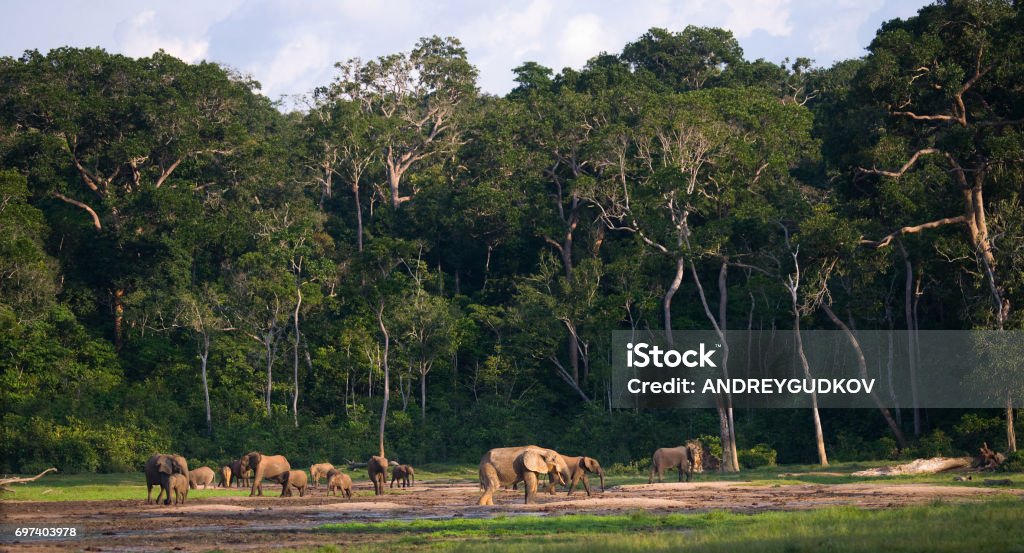
Central African Republic ecotourism is growing, thanks to the Dzanga-Sangha Protected Areas and the Rainforest. Travelers can now visit the heart of the Congo Basin and better understand the value of quality wildlife conservation efforts. This area, in southwest Central African Republic, supports forest elephants and western lowland gorillas, as well as important Indigenous cultures. From community based conservation to eco-tourism, this area is a breath of fresh air in the often exploitative world of African tourism. Conservation and eco-tourism in the area, led by the Central African Republic government and conservation partners, has been successful in demonstrating the synergy between local development and community-based conservation. (World Wildlife Fund
The Central African Republic remains one of Africa’s least explored destinations. While many international travellers know the continent for famous safari locations in East and Southern Africa, the forests of Central Africa offer a completely different experience.
Deep in the southwest of the country lies Dzanga-Sangha Protected Areas, a conservation landscape famous for dense tropical forests, mineral-rich forest clearings and some of the world’s most remarkable wildlife encounters.
The area is part of the larger Sangha River Tri-national landscape, which connects protected areas across the Central African Republic, Cameroon and the Republic of Congo. The wider conservation area was recognised as a UNESCO World Heritage Site in 2012 because of its exceptional biodiversity value. (Dzanga-Sangha)
Advertisement
Advertisement
Unlike traditional savannah safaris, Dzanga-Sangha offers visitors a rainforest journey. Travellers can experience forest elephant gatherings, observe western lowland gorillas and explore one of the last major intact ecosystems of the Congo Basin.
The destination’s importance is not only about tourism. It is also about protecting endangered species, supporting communities and creating a model where conservation and economic opportunities work together.
The story of Dzanga-Sangha began decades ago when conservation authorities recognised the importance of protecting the region’s forests and wildlife.
The Central African Republic formally established the Dzanga-Sangha Special Dense Forest Reserve and Dzanga-Ndoki National Park in 1990. The protected area system created a framework to safeguard endangered species while allowing carefully managed activities such as scientific research and tourism. (Dzanga-Sangha)
Advertisement
Advertisement
Today, the protected area includes different conservation zones with specific management goals.Area Importance Dzanga-Sangha Special Reserve Protects rainforest ecosystems and supports conservation-based tourism Dzanga-Ndoki National Park Protects key wildlife habitats including gorillas and forest elephants Sangha River Tri-national Landscape Cross-border conservation area connecting three countries
The region is recognised as one of the most important wildlife refuges in Central Africa. It provides protection for species that are increasingly threatened across the continent, including African forest elephants and western lowland gorillas. (Dzanga-Sangha)
African tourism has often been associated with open grasslands, large mammals and vehicle-based game drives. Dzanga-Sangha offers another type of adventure.
The destination focuses on rainforest exploration.
Visitors enter a world of:
One of the most famous locations is Dzanga Bai, a natural forest clearing where forest elephants gather because of mineral-rich soils.
These experiences create a high-value tourism model where fewer visitors can contribute to conservation without creating pressure on fragile ecosystems.
The World Wildlife Fund has highlighted that conservation efforts in Dzanga-Sangha also support local communities through employment, healthcare initiatives and protection programmes. (World Wildlife Fund)
The future of Central African Republic eco tourism depends heavily on conservation success.
Dzanga-Sangha demonstrates how protected areas can become more than wildlife shelters. They can also become economic assets for communities living near natural areas.
Conservation programmes in the region focus on:
The management model combines government involvement with support from international conservation organisations.
The Central African Republic Ministry responsible for forests and wildlife participates in the management of the protected area, while conservation organisations provide technical support. (Dzanga-Sangha)
This approach reflects a wider global shift in tourism. Travellers increasingly seek meaningful experiences where their visits contribute to environmental protection and community benefits.
Tourism in Dzanga-Sangha is closely connected with local communities, especially Indigenous Ba’Aka people who have deep knowledge of the forest environment.
Their traditional understanding of plants, wildlife and forest landscapes provides important cultural value for visitors.
Responsible tourism programmes aim to ensure that communities benefit from conservation activities through:
The relationship between people and nature remains central to the destination’s identity.
For international travellers, this creates an opportunity to experience not only wildlife but also the human stories connected with the rainforest.
Despite its extraordinary natural resources, the Central African Republic faces challenges in developing international tourism.
The country’s tourism growth depends on several factors:Challenge Impact on tourism Limited transport infrastructure Makes remote destinations difficult to access Security concerns Influences international traveller confidence Limited tourism facilities Restricts visitor capacity International awareness Destination remains relatively unknown
These challenges mean Dzanga-Sangha is currently suited mainly for experienced travellers, conservation visitors and adventure tourists seeking remote destinations.
The growth of nature tourism requires long-term investment in access, safety, accommodation and destination promotion.
Travellers planning a visit to Dzanga-Sangha need careful preparation.
The destination is located in a remote part of southwestern Central African Republic. Travel usually requires planning with specialised operators familiar with the region.
Visitors should consider:
Because conditions can change, travellers should consult official government travel advisory services before planning a journey.
Although national tourism statistics remain limited, conservation tourism projects demonstrate how protected areas can create economic activity in remote regions.
Nature tourism can support:
In destinations where large-scale tourism infrastructure is not suitable, high-value low-impact tourism can provide an alternative model.
Dzanga-Sangha shows how protecting natural resources can create long-term opportunities.
The Central African Republic’s approach to tourism development is closely linked with environmental protection.
Key priorities include:
The country’s participation in the Sangha River Tri-national conservation initiative shows a regional approach to protecting shared ecosystems. (Dzanga-Sangha)
The destination’s future depends on continued cooperation between government agencies, conservation organisations and local communities.
Global tourism is changing. Many travellers are moving beyond crowded destinations and searching for authentic nature experiences.
This creates opportunities for lesser-known destinations.
Dzanga-Sangha offers several advantages:Tourism trend Dzanga-Sangha opportunity Wildlife experiences Rare rainforest species Sustainable travel Conservation-focused tourism Cultural tourism Indigenous community experiences Adventure travel Remote rainforest exploration
The destination does not compete directly with traditional safari markets. Instead, it offers a different type of African journey.
Travellers should check the latest official travel advice before visiting the Central African Republic. Conditions can vary by region, and preparation is essential.
Visitors may encounter forest elephants, western lowland gorillas, chimpanzees, birds and other rainforest species protected within the area. (Dzanga-Sangha)
The destination is focused on conservation and remote nature experiences rather than mass tourism. Visitors should expect an adventure-based journey with limited infrastructure.
Dzanga-Sangha Protected Areas present an excellent opportunity for eco tourism in the Central African Republic. It focuses on all aspects of ecotourism such as rainforest and wildlife preservation and community engagement. It offers quite the package for eco tourists with the opportunity to interact with forest elephants, gorillas, and other wildlife species in one of the most biodiverse ecosystems in the world. Dzanga-Sangha shows the promise of responsible tourism by balancing the need to protect wildlife and ecosystems with the livelihoods of the local populations. More and more travelers want to have sustainable and engaging experiences, Dzanga-Sangha continues to highlight the CAR’s hidden rainforest, and the incredible natural resources of the country.
Advertisement
Advertisement
Advertisement












Friday, September 4, 2026

Friday, September 4, 2026

Friday, September 4, 2026

Friday, September 4, 2026

Thursday, September 3, 2026

Wednesday, September 2, 2026

Friday, September 4, 2026

Friday, September 4, 2026


