
Switzerland Tourism Holds Near-Record Hotel Stay Levels in 2026

Published
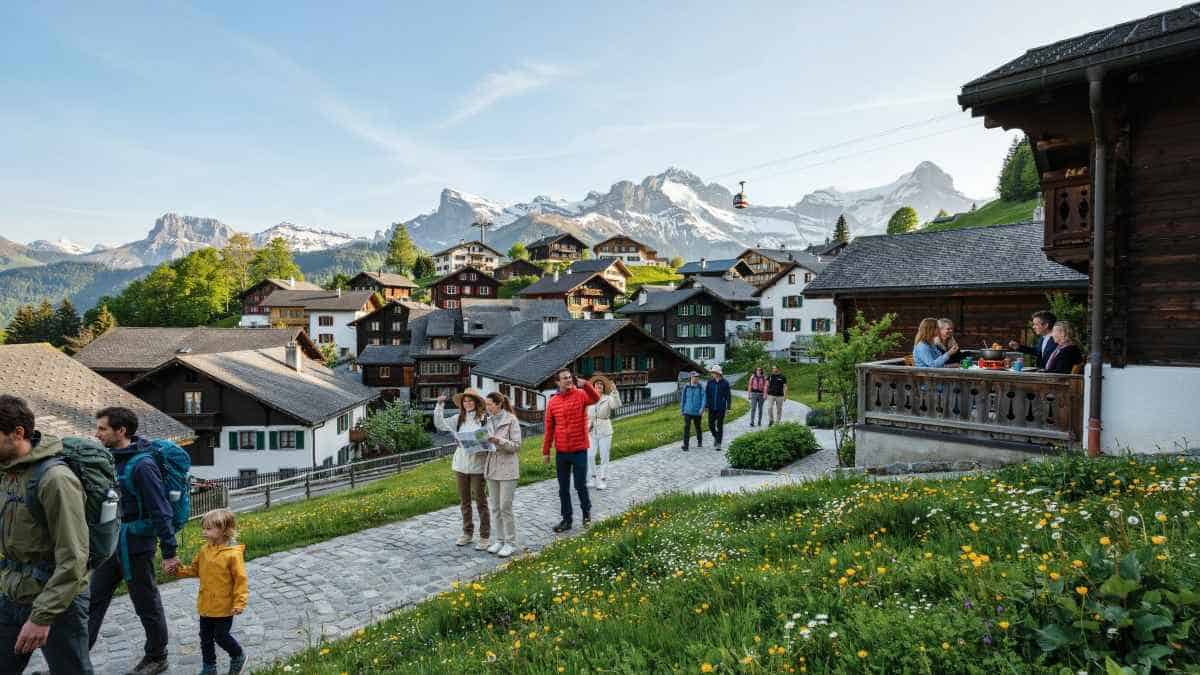
Swiss tourism maintains high hotel accommodation demand in 2026, as hotel overnight stays remain near record levels after the record winter tourism season. The number of overnight stays in Switzerland for the winter season reached 18.7 million, with an increase in foreign demand of 0.5% and an increase in domestic demand of 1.6%, according to figures of the Swiss Federal Statistical Office. The current results ensure Switzerland is one of the well-established destinations in Europe for tourism throughout the year due to demand from international tourists and domestic travellers within Switzerland. Annual hotel overnight stays also remain near record levels, reaching approximately 42 million. The figures indicate high demand for Swiss destinations throughout the winter and summer tourism season. Swiss tourism enters the summer and early autumn season with hotel demand remaining high.
North American Visitors Remain a Major Tourism Market
The North American market continues to provide an important source of demand for Switzerland tourism in 2026. Visitors from North America account for more than 3 million hotel overnight stays annually, placing the market among the strongest international contributors to Swiss accommodation demand. The continued strength of this market supports tourism activity across Switzerland during a period when some other long-haul markets are experiencing slower growth.
Advertisement
Advertisement
Switzerland’s cities, alpine destinations and established leisure regions continue to provide different travel experiences for international visitors. Urban tourism supports stays in major centres, while the Swiss Alps remain a significant draw for visitors seeking mountain landscapes, outdoor activities and seasonal holidays. The strong North American market is therefore helping maintain overall hotel demand as the summer season progresses.
Swiss Franc Influences Travel Demand
Despite strong accommodation levels, the pace of tourism growth is being moderated by several factors.
Advertisement
Advertisement
The Swiss Franc remains strong, influencing the cost of travel and accommodation for international visitors. Higher operating costs within the tourism and hospitality sector are also affecting the wider market.
These conditions are contributing to a normalisation of growth rather than a significant decline in visitor demand.
Advertisement
Advertisement
For travellers, Switzerland continues to offer a broad range of destinations across different regions. The country’s rail connections allow visitors to combine major cities with alpine resorts and lakeside destinations within a single itinerary.
Zurich and Geneva remain important gateways for international travel, while destinations across the Swiss Alps continue to attract visitors during the summer months. The combination of urban, mountain and lakeside tourism provides Switzerland with a diversified visitor offering as the country moves through the 2026 summer season.
Asian Long-Haul Demand Shows Softer Growth
Long-haul tourism from parts of Asia is showing softer growth compared with stronger-performing markets. The change is contributing to a more stable overall tourism environment for Switzerland. Rather than relying on expansion across every international source market, the sector is benefiting from continued demand in established markets while monitoring changing long-haul travel patterns. The summer and early autumn period is therefore expected to reflect a more normalised tourism environment. For hotels, the combination of strong North American demand and steady domestic travel is helping offset weaker growth from selected Asian markets. The resulting pattern keeps overall accommodation activity close to historically high levels.
Summer 2026 Keeps Switzerland on a Strong Tourism Track
Switzerland begins its summer 2026 tourist season with the overnight stays at hotels almost at the top levels. The 18.7 million winter overnight stays and some 42 million overnight stays annually at hotels illustrate the volume of accommodation demand for tourism in Switzerland. Domestic tourists continue to play a crucial role, while foreign visitors are equally important for the industry. North American demand is especially significant, with over 3 million annual overnight stays, while the Swiss Franc, rising operating costs, and weak demand from certain regions of Asia restrict the rate of development. The projections of Switzerland Tourism and HotellerieSuisse expect the level of stabilisation to be very high until the end of summer and autumn. The focus is on the preservation of the high volume of visitors as the market adapts to the changing travel costs and international demand. Switzerland is still well-positioned as a leading tourist destination of Europe during the 2026 summer and autumn periods.
Advertisement
