
Vermont Emerges Alongside Québec Ontario and More for an Unmissable Leaf-Chasing Route

Published
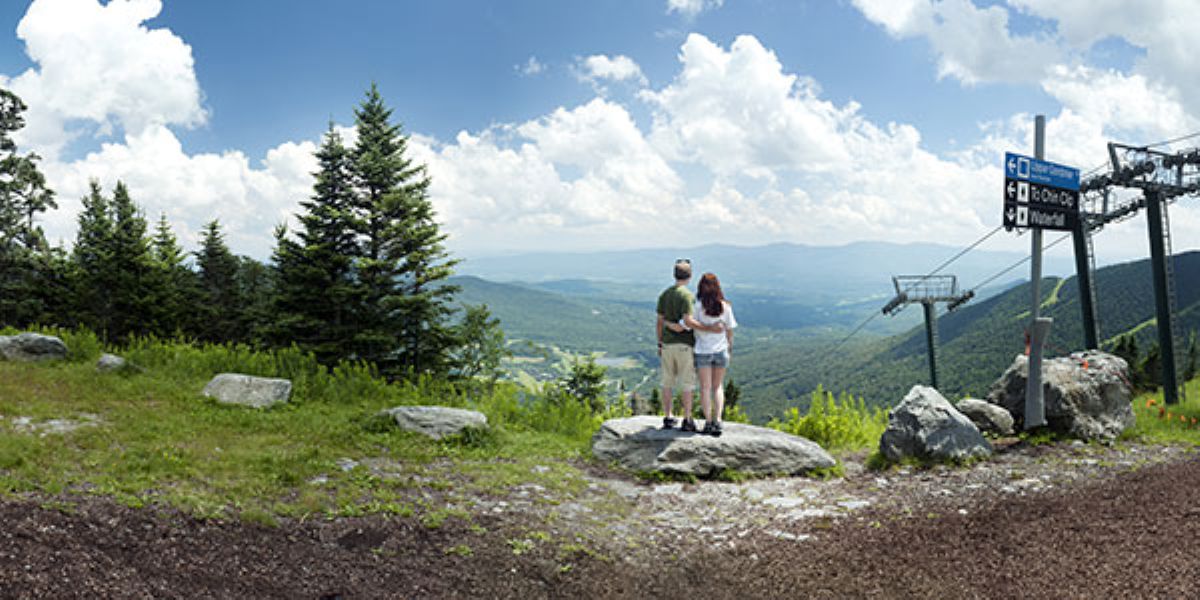
image vermont
October turns North America’s north-east into a moving show of red, gold and orange. This is not one small foliage trip. It is a powerful cross-border road journey through New England, Québec and Ontario. It takes travellers from old Massachusetts villages to Vermont’s maple hills, New Hampshire mountain roads, Maine lakes, Québec’s French-speaking countryside and Ontario’s wild forests.
The best route begins in Boston and finishes in Toronto. It can take around 12 days. Yet the real secret is not speed. It is timing. Autumn colour does not arrive everywhere at once. It moves from high mountains and northern forests towards lower and southern areas. Travellers who follow this natural wave can see the best of the season.
Advertisement
Advertisement
Boston and Massachusetts Start the Journey with History and Colour
Boston is a smart starting point. It has major airport links, city history and easy access to western Massachusetts. Travellers can leave the busy streets behind and head towards Concord, Quabbin Reservoir and the Berkshires.
The Mohawk Trail is one of the finest early drives. This historic road follows Route 2 between Orange and North Adams. It passes forests, rivers, bridges and small towns. The route gives visitors a slower and more traditional view of New England.
Key stops include French King Bridge, Shelburne Falls, the Bridge of Flowers and the hairpin turn near North Adams. Mount Greylock also gives wide views across the Berkshire hills. Massachusetts becomes more important later in October. Its colours often remain strong after northern mountain areas begin to lose leaves.
Vermont Route 100 Brings the Classic Autumn Picture
Vermont is the heart of the route. Route 100 runs through the Green Mountains and connects some of the state’s most famous autumn landscapes. Red barns, white churches, maple trees, country stores and covered bridges make this section feel like a living postcard.
Travellers should explore Woodstock, Killington, Waitsfield, Waterbury and Stowe. These towns offer farm food, cider, maple products and quiet places to stay. The road also passes ski areas, mountain valleys and forested slopes.
Northern Vermont normally turns first. Central Vermont follows soon after. This makes Route 100 a strong choice during the first half of October. However, the route becomes busy at weekends. Travellers should leave early in the morning. They should also book hotels and inns well ahead.
Advertisement
Advertisement
New Hampshire Delivers Big White Mountain Views
From Stowe, the journey can continue east towards New Hampshire. Franconia Notch, Crawford Notch and North Conway are major autumn highlights. The White Mountains offer a dramatic change from Vermont’s softer farmland.
The Kancamagus Highway is the essential road here. This 34.5-mile route crosses the White Mountain National Forest between Lincoln and Conway. It has few commercial stops. That is part of its charm. The road feels wild, quiet and deeply colourful.
Travellers can stop at riverside pull-offs, forest trails and mountain viewpoints. The road is especially strong in the first two weeks of October. But the weather can change fast in the mountains. Visitors should carry warm layers, food, water and offline maps.
Western Maine Adds Lakes and Rugged Beauty
Many visitors rush towards Maine’s coast. But western Maine offers a better link for a foliage road trip into Canada. The Rangeley Lakes region adds water, mountains and open views. It also feels less crowded than some famous New England routes.
The Rangeley Lakes National Scenic Byway is a key section. It winds past lakes and highland forests. The Height of Land viewpoint is the star stop. From here, travellers can look across Mooselookmeguntic Lake and see layers of colourful hills.
Maine’s western roads show a wilder side of autumn. Mobile service may be weak in remote areas. This makes planning important. Download maps before leaving town. Fill the fuel tank early. Give yourself time to stop in small villages, cafés and local museums.
Advertisement
Advertisement
Québec Changes the Mood of the Journey
Crossing into Québec changes the road trip completely. The scenery remains colourful, but the language, food and culture bring a new feeling. The Eastern Townships are the best first stop. They sit close to the border and offer hills, villages, vineyards, farms and forest roads.
The Route des Sommets is one of the region’s strongest drives. It covers 193 kilometres and passes mountains, rivers and 18 villages. Travellers can explore Mont-Ham, Mont-Mégantic National Park and Frontenac National Park.
Mont-Mégantic also offers a special night-time experience. Its international dark-sky reserve gives visitors a chance to see stars after a day of driving through autumn forests. This makes the Eastern Townships more than a daytime foliage destination.
Higher areas such as Mont-Mégantic often peak early in October. Sutton and Mont-Orford can hold colour later. This gives travellers more flexibility if their trip begins in the second or third week of the month.
Charlevoix Gives Autumn a River View
The journey can then continue towards Québec City and Charlevoix. This is where the road trip becomes more dramatic. Forested mountains meet the St Lawrence River. The colours reflect in water. Small towns add art, food and local culture.
Baie-Saint-Paul is a good base. The Route du Fleuve follows Charlevoix’s river edge and offers one of the most beautiful scenic sections in Québec. Visitors can enjoy galleries, old homes, walking paths and local restaurants before returning to the road.
Charlevoix often reaches its best colour in the second week of October. It is a smart choice for travellers who want to extend the trip beyond the early mountain peak.
Advertisement
Advertisement
Ontario Finishes with Algonquin and Muskoka
Ontario gives the road trip a grand natural finish. From Québec, travellers can move west through Ottawa towards Algonquin Provincial Park. Highway 60 runs through the park and offers forests, rocky ridges, lakes and maple-covered hills.
Algonquin is one of Ontario’s best-known autumn destinations. It is ideal for short walks, canoe trips, viewpoints and wildlife watching. The Lookout Trail and visitor centre are useful stops for road travellers.
After Algonquin, the route can continue through Huntsville and Muskoka before ending in Toronto. Muskoka adds calm lakes, resorts, boat culture and cosy autumn stays.
This final section needs careful timing. Algonquin often turns early. Travellers should check live colour reports and reserve park access in advance. A simple day permit can be vital during busy weekends.
A Road Trip That Follows Autumn Itself
This journey is powerful because it is not only about leaves. It connects American history, mountain villages, Maine wilderness, French-Canadian culture, river landscapes and Ontario lake country.
The route works best from early to mid-October. But travellers must remain flexible. Nature decides the exact peak. Those who follow live foliage reports, travel early in the day and stay longer in each region will find more than a road trip. They will find autumn moving across North America.
Advertisement
