
Morocco Embraces A Historic Tourism Boom as Majestic Landscapes Reshape Worldwide Travel Trends

Published
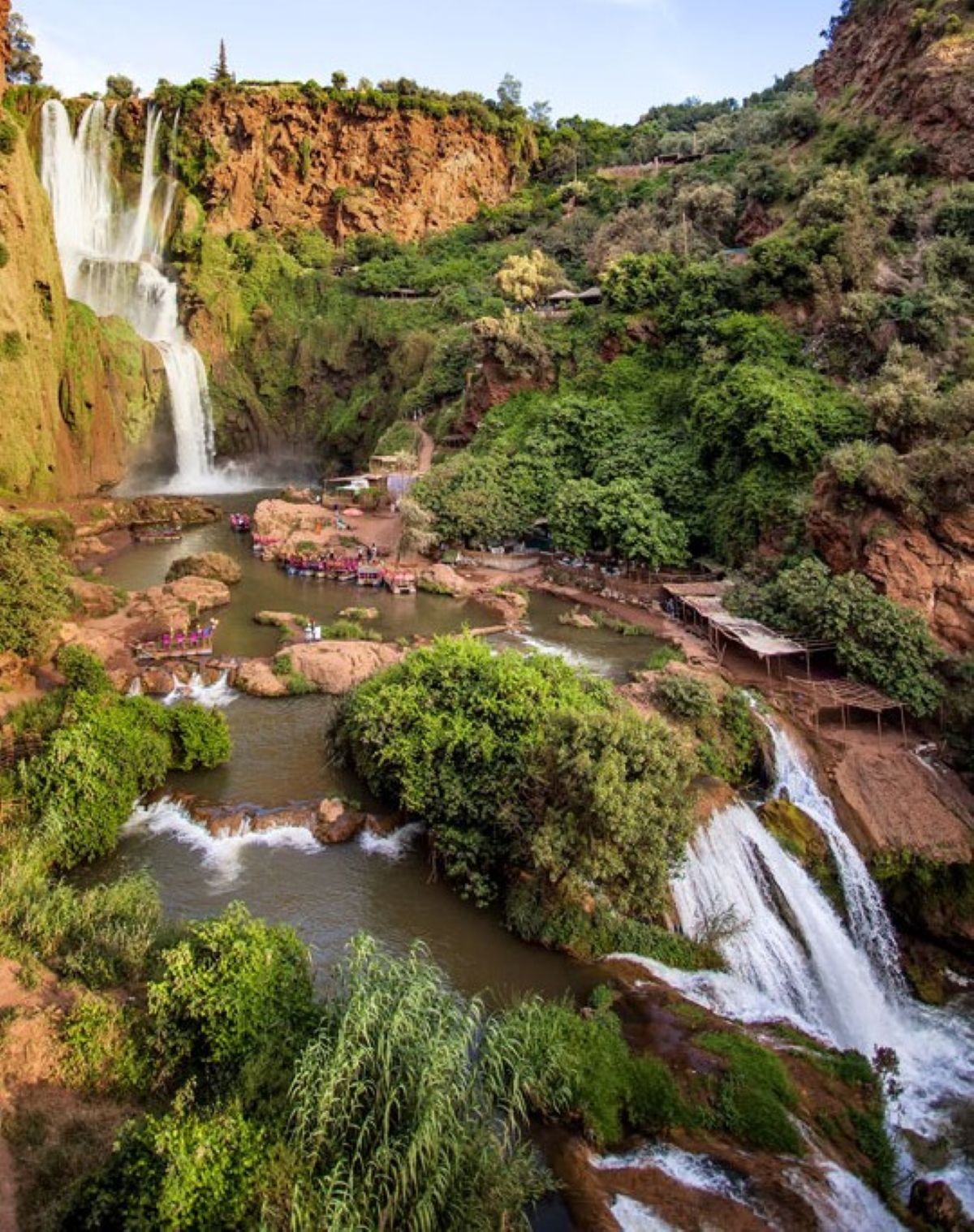
Imagine walking into a place where old medinas shine under the sun, where markets full of spicesre full of energy and where the Atlantic Ocean goes on and on along the coast. Morocco is full of magic now. More and more people are finding out about its beauty, attracted by tales of adventure and amazing things. In the middle of souks, where colors and smells mix together and on the sand dunes of the desert, where time moves slowly there is a strong feeling. It comes from a culture that has a history but is also open to today.
Local people are proud of their ways. They greet visitors with kindness and confidence. Every part of Morocco has a tale to tell. Every road takes you different. People from around the world are falling in love, with Morocco.
Analyzing the Five-Year Financial Expansion and Its Global Travel Industry Impact
Moreover, historical data revealed that tourism earnings experienced an astounding 81.4% surge across a five-year period. Revenues climbed dramatically from MAD 53.97 billion ($5.43 billion) during the first eight months of 2022 to the impressive MAD 97.92 billion ($9.94 billion) figure registered in 2026. This sustained upward trajectory highlights the long-term resilience and strategic investment strategy embedded within Morocco’s broader hospitality infrastructure. In addition, international travel operators have responded to this dramatic five-year expansion by expanding their operational capacity throughout North Africa. Airlines have continually increased flight frequencies to major hubs within Morocco, thereby making global connections seamless for worldwide passengers. This long-term financial boom effectively guarantees that Morocco will remain a dominant destination on international itineraries for years to come.
Advertisement
Advertisement
Examining the comprehensive five-year economic timeline reveals an astounding story of strategic recovery and exponential financial growth. Back in the initial eight months of 2022, Morocco registered MAD 53.97 billion ($5.43 billion) in revenue, a figure that represented a baseline for post-pandemic operational reconstruction. Ascending to MAD 97.92 billion ($9.94 billion) by August 2026 reflects a massive 81.4% surge in total economic earnings over this concise period. Such extraordinary long-term metrics prove that Morocco is not merely benefiting from temporary travel trends, but rather executing a meticulously planned economic evolution. Investors globally have recognized this stability, pouring capital into luxury hotel chains, eco-resorts, and cultural preservation projects spanning the entire geography of Morocco.
This five-year structural transformation has radically altered the operational dynamics of global tour operators and leisure companies. Recognizing the relentless consumer demand for Morocco, major worldwide travel providers have placed the region at the center of their commercial portfolios. Multi-destination African itineraries are increasingly anchored around extended stays within Morocco, driving cross-border economic activity throughout neighboring regional territories. The sustained revenue expansion has also empowered local authorities in Morocco to reinvest heavily into ecological preservation and sustainable tourism initiatives. By ensuring that historic quarters, pristine coastal lines, and mountain sanctuaries remain protected, Morocco balances high-volume international foot traffic with long-term environmental stewardship.
Advertisement
Advertisement
From the perspective of individual travelers residing in far-off continents, this five-year economic boom translates into noticeably elevated service standards and vastly improved itinerary options. The continuous influx of global capital has elevated hospitality training standards across Morocco, ensuring that front-line service personnel deliver world-class experiences. Furthermore, international tourists benefit directly from expanded choices in boutique accommodations, guided excursion varieties, and authentic cultural immersion packages. The dramatic rise from MAD 53.97 billion ($5.43 billion) in 2022 to MAD 97.92 billion ($9.94 billion) in 2026 solidifies Morocco as an enduring gold standard for sustainable global tourism growth.
Historical Visitor Arrival Milestones Achieved During the Peak Summer Season
Significantly, statistical evaluations highlighted that August 2026 achieved an all-time record by exceeding 2 million tourist arrivals within a single calendar month for the very first time. This unprecedented achievement marked a 3% year-over-year increase compared to August 2025. Such unprecedented high-season volume confirms that Morocco’s unique cultural appeal consistently attracts millions of holidaymakers during peak summer periods. Indeed, managing over 2 million arrivals in one month demonstrates the robust operational capacity of Morocco‘s airports and local transport systems. Worldwide travelers benefit directly from these enhanced service capabilities, enjoying smoother transit procedures and upgraded hospitality services across the region.
The single-month milestone recorded in August 2026 stands as a landmark historical achievement for the entire North Africa region. Welcoming over 2 million tourist arrivals within thirty-one calendar days demonstrates the sheer operational scale and logistical maturity of Morocco‘s border authorities and service sectors. A clear 3% year-over-year increase over August 2025 illustrates that even during peak seasonal rushes, demand for Morocco continues to push boundaries upward. Managing this vast volume of human movement seamlessly requires sophisticated digital processing, expanded air-traffic management capacities, and flawless municipal coordination across all primary entry portals throughout Morocco.
For international leisure seekers, the capability of Morocco to handle over 2 million arrivals in a single month guarantees a significantly improved journey experience. High-capacity processing at major international gateways in Morocco minimizes transit friction, allowing tourists to transition smoothly from arrival halls to their final holiday destinations. Furthermore, this intense summer demand encourages local businesses to operate at full operational capacity year-round, expanding employment stability for residents. The record-breaking performance during August 2026 serves as undeniable proof that Morocco possesses the administrative and structural fortitude to support massive global crowd volumes without compromising guest satisfaction.
Moreover, the summer statistics provide invaluable strategic insights for global airline executives and hospitality planners. Achieving unprecedented visitor densities during August 2026 demonstrates that Morocco remains an essential summer vacation priority for families, solo travelers, and cultural enthusiasts alike. The steady 3% growth over August 2025 signals to international investors that demand remains incredibly steady, justifying further private investments in coastal resorts, desert excursions, and urban leisure facilities across Morocco. As consumer interest shows no signs of waning, Morocco continues to break historical benchmarks and set new targets for global destination management.
Advertisement
Advertisement
Strategic Global Implications for International Travelers and Transportation Networks
Consequently, this sustained economic momentum continues to transform how global tourists plan their journeys to Morocco. The strong demand encourages international airlines to establish additional direct routes, which ultimately offers worldwide vacationers greater flexibility, competitive pricing, and convenience. Furthermore, the massive capital inflows foster ongoing improvements in accommodation standards, safety measures, and cultural preservation across Morocco. Ultimately, as Morocco breaks successive performance records, the global travel community experiences a positive ripple effect. Destinations worldwide look to Morocco as an inspiring benchmark for sustainable tourism expansion and financial growth. As a result, travelers from every corner of the globe can anticipate even richer experiences, enhanced connectivity, and world-class hospitality when visiting Morocco.
The broader ramifications of Morocco’s unprecedented MAD 97.92 billion ($9.94 billion) financial success extend deep into the global transportation sector. As international passenger volume reaches 14.1 million visitors, worldwide aviation entities are forced to re-evaluate their long-haul routes and fleet allocations. The constant demand for seat capacity into Morocco motivates transit companies to deploy larger, more modern aircraft models to regional airports. This technological upgrade reduces carbon footprints per passenger while elevating overall onboard comfort for international travelers journeying across continents to reach Morocco.
Additionally, the substantial financial receipts generated within Morocco are systematically funneled back into preserving the nation’s invaluable tangible and intangible heritage. Historic architectural landmarks, ancient market quarters, and delicate natural ecosystems across Morocco receive dedicated funding derived from tourist expenditures. This closed-loop economic cycle ensures that tourism growth directly protects the very cultural assets that attract global vacationers in the first place. Travelers visiting Morocco can take immense pride in knowing that their personal holiday spending contributes directly to community preservation, local artistic traditions, and sustainable municipal developments.
Looking forward toward future travel seasons, the remarkable performance of Morocco during the first eight months of 2026 signals a bright horizon for international tourism. By achieving an 81.4% surge in earnings over five years and managing 2 million arrivals in a single summer month, Morocco has rewritten the playbook for destination management. As global vacationers search for authentic, safe, and culturally rich holiday destinations, Morocco remains uniquely positioned to exceed expectations. The entire international travel community benefits from the elevated standards, expanded connectivity, and vibrant cultural hospitality that Morocco consistently offers to the world.
Summary of Core Tourism Accomplishments Recorded in Morocco
Advertisement
Advertisement
To conclude this detailed economic and operational assessment, the overarching statistical accomplishments recorded across Morocco during the initial eight months of 2026 highlight a historic era of commercial prosperity. Generating MAD 97.92 billion ($9.94 billion) in tourism revenue reflects an impressive 9.7% increase compared to the same timeframe in 2025, while demonstrating a spectacular 81.4% expansion since 2022, when revenues stood at MAD 53.97 billion ($5.43 billion). With total visitor numbers reaching 14.1 million tourists—an additional 608,000 visitors or 4.5% rise year-over-year—and August 2026 making history by welcoming over 2 million arrivals in a single month (+3%), Morocco stands as an undisputed leader in the global travel marketplace.
These statistical achievements confirm that targeted infrastructure investments, strategic air-route expansions, and dedicated cultural preservation efforts yield extraordinary economic dividends. For international tourists, travel operators, and aviation planners worldwide, the remarkable trajectory of Morocco offers a compelling blueprint for how rich historical heritage can be harmoniously integrated with modern global tourism demands. As Morocco continues to break financial and visitor arrival records, the global travel ecosystem will undeniably reap the benefits of increased international connectivity, higher service standards, and enriched cultural exchange opportunities for decades to come.
Regional Distribution of Hotel Accommodations and Overnight Stay Volume Across Primary Urban Destinations
The remarkable economic momentum experienced throughout the national hospitality sector has translated directly into high occupancy rates across primary urban centers and regional municipal hubs. Official performance metrics reveal that classified hotel establishments hosted 25.9 million overnight stays during the primary operational period of the year. This substantial volume represents an 8% year-on-year growth in total guest night registrations across the country’s diverse tourist accommodations.
Regional performance indicators demonstrate that growth has been particularly pronounced in key cultural and commercial destinations. Ouarzazate led the regional expansion with an extraordinary 23% increase in overnight guest nights, driven by its dual appeal as a desert gateway and a major film production venue. Meanwhile, the administrative capital, Rabat, registered a 16% surge, reflecting growing interest in its modernized cultural institutions and urban renewal projects. Agadir recorded an 11% growth rate due to coastal resort expansions, while major metropolitan centers including Casablanca, Marrakech, and Tangier each posted a uniform 10% increase in guest night volumes, underscoring balanced economic gains across all primary geographic corridors.
Diversification of Non-European Source Markets and Rapidly Emerging International Traveler Segments
Advertisement
Advertisement
Beyond its traditional customer base in Western Europe, strategic promotional campaigns have successfully attracted visitors from fast-growing long-haul markets and non-traditional outbound countries. Statistical breakdowns highlight significant growth from North America, where arrivals from the United States reached 308,324 visitors, representing a 7% increase year-over-year. Similarly, market participation from Canada demonstrated steady expansion, accounting for 155,201 total arrivals, which equates to a 3% growth rate over the prior operational cycle.
Concurrently, outbound travel demand from Eastern Europe has emerged as a key driver of international visitor volume. Poland stood out as one of the fastest-expanding source markets, generating 140,172 arrivals, which represents a remarkable 31% surge compared to previous baseline figures. This strategic diversification reduces reliance on single geographic markets, providing the broader hospitality framework with greater economic resilience against localized financial downturns in traditional European source markets.
Long-Term Destination Strategic Infrastructure Goals Leading Toward the 2030 World Cup Horizon
The ongoing financial and structural transformation of the hospitality sector is closely tied to multi-year national development strategies designed to position the country as a top-tier international travel destination. Sector planners have established a primary target benchmark of 26 million annual tourist arrivals by 2030, a goal aligned with major global events and infrastructure roadmaps. A central driver of this long-term investment horizon is the joint international hosting commitment for the 2030 FIFA World Cup, alongside partner nations Spain and Portugal.
Preparing for this global sporting event has accelerated public and private investments into modern transit networks, stadium upgrades, and hospitality infrastructure. Municipal developments are being tailored to host large international delegations, media networks, and sports enthusiasts. By using the 2030 FIFA World Cup as a catalyst for structural modernization, destination managers aim to permanently raise the country’s accommodation capacity and global profile, ensuring sustainable economic benefits long after the tournament concludes.
International Destination Competitiveness and Progression Across Global Index Benchmarks
Advertisement
Advertisement
The systematic improvements made to airport operations, transport networks, and hospitality services are reflected in international performance indexes evaluating global tourism competitiveness. In the latest World Economic Forum Travel & Tourism Development Index, the country achieved a ranking of 70th out of 110 economies. This milestone represents a notable upward climb of 7 full positions compared to the preceding assessment cycle, highlighting tangible progress in policy implementation and infrastructure efficiency.
Overall, the destination achieved an index score of 3.84 out of 7.0, reflecting notable gains in safety protocols, cultural resource promotion, and transport infrastructure readiness. These improved rankings reinforce global travel operator confidence, encouraging multi-national hospitality brands and aviation entities to expand their investments in the region. The upward trajectory on international benchmarks further validates current destination management strategies on a global scale.
Commercial MICE Segment Growth Versus Traditional Leisure Sector Revenue Distribution
While leisure travel remains the primary foundation of overall visitor volume, the corporate travel sector—encompassing Meetings, Incentives, Conferences, and Exhibitions (MICE)—has expanded rapidly. Financial projections indicate that the domestic MICE sector is expanding at a Compound Annual Growth Rate (CAGR) of 11.47%. Industry forecasts project the commercial corporate market to grow from $2.48 billion in 2026 to $3.39 billion by 2031, driven by high-profile international summits and trade exhibitions hosted within the Casablanca-Rabat commercial corridor.
Despite the fast-paced growth of corporate and conference bookings, traditional vacationing continues to generate the vast majority of destination revenue. The leisure segment maintains a dominant 69.85% revenue share across the wider hospitality market. The complementary relationship between high-spending corporate delegates during weekdays and leisure travelers on weekends provides hotel operators with balanced, year-round occupancy patterns.
Film-Induced Tourism and Regional Economic Multiplier Effects in Specialized Destinations
Advertisement
Advertisement
The national film industry continues to serve as an effective driver for specialized regional tourism, generating substantial economic activity outside conventional urban destinations. Cinema-related travel contributes a +0.4% baseline expansion to overall tourism metrics, powered by international film and television productions utilizing regional landscape backdrops. Studio facilities and scenic locations in Ouarzazate, the High Atlas region, and surrounding Sahara desert resort areas draw production crews and film enthusiasts from around the globe.
This film-induced tourism creates significant economic multiplier effects for local communities. Direct expenditures by foreign production companies support local accommodation providers, transportation services, and artisanal suppliers. Furthermore, international film exposure acts as a long-term promotional tool, inspiring worldwide viewers to visit these unique desert landscapes and mountain regions in person.
Integration of Renewable Energy Capabilities Across Regional Hospitality Infrastructure
As visitor numbers scale toward record levels, destination managers are prioritizing environmental sustainability by integrating renewable energy sources into hospitality infrastructure. National energy policy measures have successfully raised operational renewable energy capacity to 46%, significantly reducing overall dependency on imported fossil fuels, which has dropped to 87.9%.
Coastal eco-resorts and hotel properties across Agadir and the broader Atlantic coastline are adopting green building standards and solar energy systems. The implementation of sustainable financial frameworks encourages hoteliers to invest in energy-efficient utilities, water conservation systems, and low-carbon operational models. These ecological initiatives preserve delicate natural environments while meeting the expectations of eco-conscious international travelers.
Mid-Year Quarter Revenue Baselines and Cumulative Nine-Month Growth Milestones
Advertisement
Advertisement
Examining performance metrics across earlier quarters of 2026 highlights consistent, incremental growth leading up to the historic peak season. During the first quarter (Q1), the country welcomed 4.3 million tourist arrivals, marking a 7% increase compared to the same period in 2025. By the end of the first half (H1), cumulative earnings reached MAD 53.8 billion, generated by 7.7 million visitors.
This consistent momentum continued beyond the summer peak, with cumulative nine-month metrics through September reaching 15.7 million tourists. This performance represents a 5% increase year-over-year, equivalent to an additional 717,000 visitors entering the country compared to 2025. Tracking these quarterly baseline figures demonstrates that the hospitality sector’s performance is driven by year-round demand rather than short-lived seasonal spikes.
The Final Verdict
At its heart this milestone is not about impressive figures it is about the magic of human connection. Every alleyway in Marrakech, every sunset, over the Sahara and every warm cup of mint tea shared with a stranger tells a story of unforgettable hospitality. Morocco has shown that true beauty never fades; it only gets richer as the world gathers to embrace it. As travelers leave with memories and full hearts, North Africa’s jewel continues to shine, inspiring dreamers everywhere to pack their bags and embark on a journey that stays with them long after they return home.
Advertisement
