
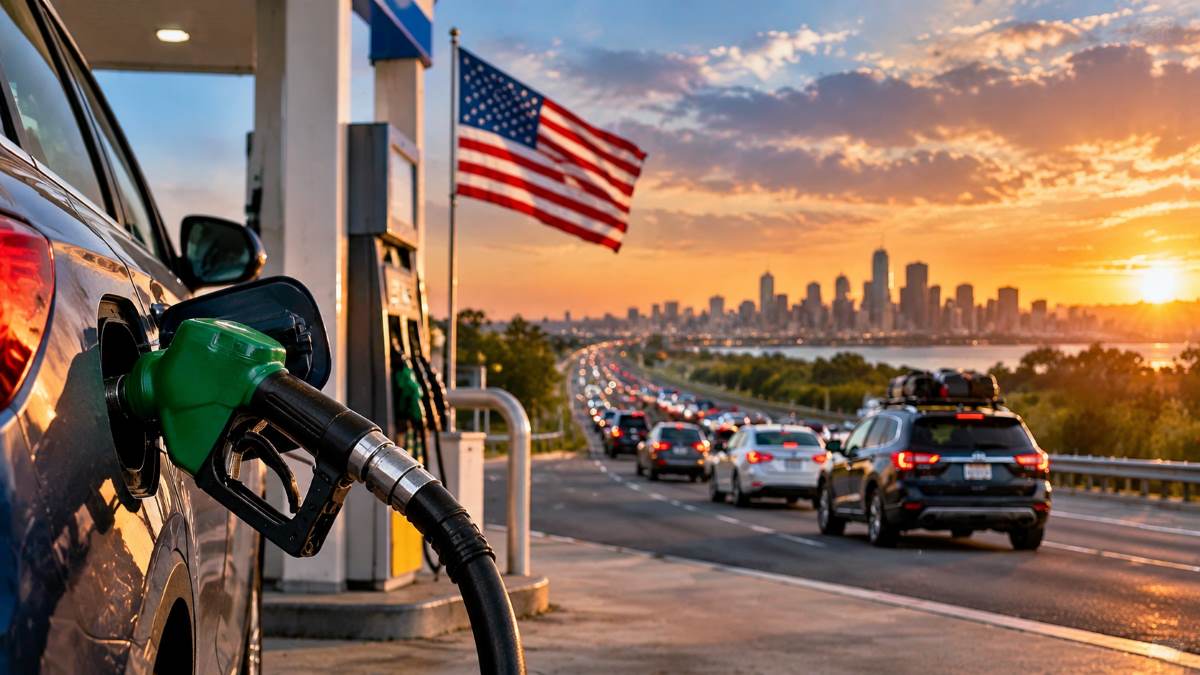
Image generated with Ai
The upcoming Labor Day travel in the United States for 2026 is a record breaker in several aspects. Expensive gas is already burning a big hole in American’s summer holiday budgets and record high growth in gas prices is forecasted for the holiday weekend. Rising global fuel prices, tighter supplies and the Middle East tensions are creating a perfect storm to push gas prices to Labor Day records. While fuel distributors finally enjoy high demand and higher fuel prices, travelers are hit with the additional burden of high gas prices and increased demand on the services. A record high average of $4 per gallon of gas is expected to dampen holiday travel.
Traditionally, Labor Day marks the end of summer and the last opportunity for road trips for families. Long distance travel will be fewer and far between, and more leisure dollars will be dedicated to more local trips as traveling families learn to adjust to fuel price increases this year.
Advertisement
The 2026 Labor Day weekend has become a record-breaking period for US motorists, with gasoline prices surpassing the previous holiday record established in 2012. According to industry data, the national average price for regular gasoline moved above $4 per gallon, marking the first time Labor Day fuel prices have crossed this level. The increase has affected travellers nationwide, although some states are experiencing significantly higher prices than others. States including California, Hawaii, Washington and Colorado are among the areas reporting some of the most expensive fuel markets.
For millions of Americans planning weekend journeys, fuel expenses have become a major part of holiday budgeting. Road trips that were previously considered affordable family escapes are now becoming more expensive, particularly for travellers covering long distances or driving larger vehicles. The increase is also affecting tourism destinations that depend heavily on domestic visitors arriving by car. National parks, coastal resorts, mountain destinations and rural tourism communities may face changes in visitor spending patterns as travellers adjust their plans.
Advertisement
Advertisement
The primary factor behind the fuel surge is the instability affecting global energy markets. The ongoing conflict involving Iran has increased concerns about potential disruptions to crude oil supplies, particularly through important energy transportation routes in the Middle East. Crude oil prices have moved above $90 per barrel as markets react to uncertainty surrounding supply availability. Since crude oil represents a major component of gasoline prices, higher international oil costs have quickly translated into higher prices at American fuel stations.
The situation has created pressure across the wider transportation industry. Higher fuel expenses affect not only private motorists but also logistics companies, rental car operators, airlines and tourism businesses. The energy market disruption demonstrates how international geopolitical events can directly influence travel costs thousands of kilometres away. A conflict affecting global oil supply chains can quickly impact holiday planning, transport expenses and consumer confidence.
Higher gasoline prices are already influencing how Americans approach holiday travel. Many travellers are choosing shorter journeys, reducing spending on accommodation and activities, or selecting destinations closer to home. Domestic tourism in the United States has traditionally benefited from affordable road travel, especially during major holidays such as Labor Day. However, increased fuel costs are forcing travellers to calculate expenses more carefully before committing to longer trips.
Families travelling by car are facing higher fuel bills, while tourism operators are preparing for possible changes in visitor behaviour. Destinations that rely on long-distance driving visitors may experience reduced spending as travellers prioritise essential expenses. The impact extends beyond leisure travel. Higher fuel prices can increase operating costs for hotels, restaurants, attractions and transportation services because businesses must manage increased expenses throughout their supply chains.
The fuel crisis is affecting the aviation sector as well. Rising energy costs have increased pressure on airlines because fuel remains one of the largest operating expenses for carriers. Higher aviation fuel prices can influence airline pricing strategies, potentially affecting ticket costs for travellers during the wider autumn travel period. Airlines may need to balance maintaining affordable fares with managing increased operational expenses.
The transportation sector is also facing challenges from record diesel prices. Diesel is essential for freight networks, delivery services, buses and commercial vehicles. Higher diesel costs can increase logistics expenses, which may eventually affect tourism supply chains and consumer prices.
The gasoline price increase is not only linked to crude oil costs. Additional pressure is coming from fuel supply challenges, including refinery limitations, lower inventories and disruptions affecting refined petroleum products.
Although gasoline demand normally declines after the peak summer driving season, prices have remained unusually high because supply concerns continue to dominate market conditions. The usual seasonal reduction in demand has not been enough to offset broader energy market pressures. The combination of strong holiday travel demand and restricted fuel availability has created a difficult environment for American consumers.
Current high fuel prices are severe for the USA tourism sector as it enters one of the most important months. Most USA holiday vacations rely on the family car, and so the road based tourism sector is particularly at risk. Long distance travel is often required to visit attractions out of the city, scenic highways, national parks and country destinations.
If fuel prices do not drop, travelers will be forced to continue taking shorter vacations and limiting longer vacations to local travel and budget friendly trips. The Labor Day Fuel Crisis in 2026 will show us how integrated global energy markets and travel are, and how the cost of fuel influences the travel economy. The cost of fuel influences every aspect of the tourism sector, from planning family road trips to creating flight schedules. At this time, record gas prices are making every American’s summer travel plans cost more and more.
Advertisement
Tags: American road trips, Fuel Prices 2026, gasoline prices USA, holiday travel, Labor Day travel costs
Advertisement
Advertisement













Saturday, September 5, 2026

Saturday, September 5, 2026
Saturday, September 5, 2026

Saturday, September 5, 2026

Saturday, September 5, 2026

Saturday, September 5, 2026

Saturday, September 5, 2026

Saturday, September 5, 2026



