
South Korea Travel Outlook Enters New Phase as Japan US Talks Highlight Asia Peace and Stability

Updated
Published
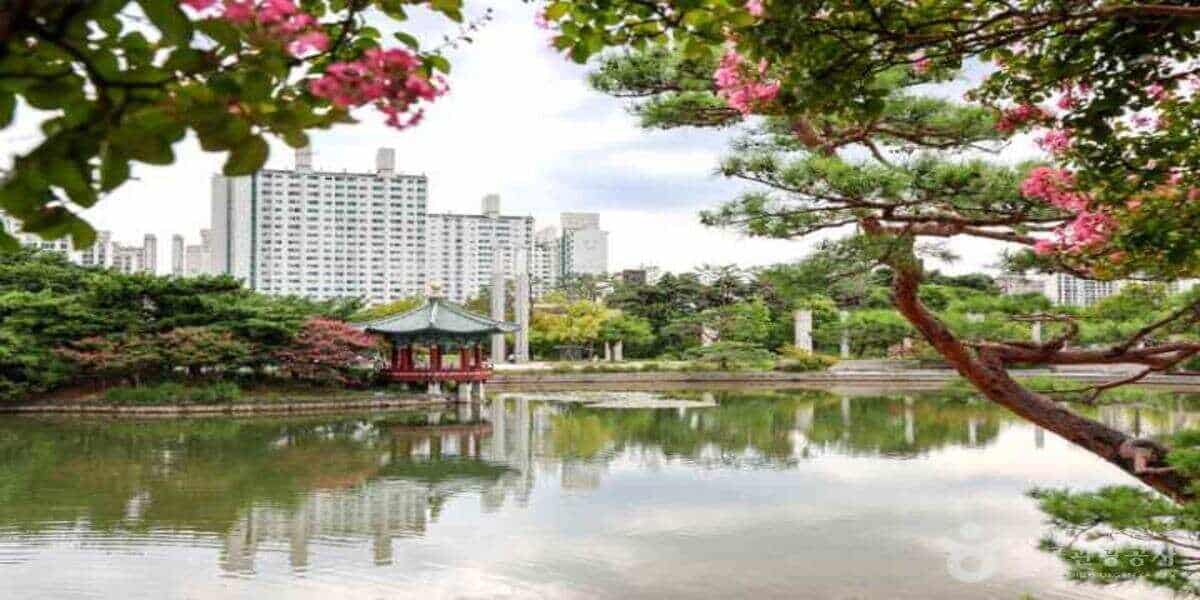
South Korea, Japan, and US regionally is getting attention due to increased coordination in security, which could impact Asia’s tourism confidence by emphasizing more on stability and security. The most recent diplomatic talks revolve around North Korea, maritime stability, supply chain resilience, and economic security. Although the talks do not constitute an agreement for tourism, it indicates the role played by regional stability in international tourism. Travelling in South Korea and Japan is one of the destinations where peacefulness and transportation networks play an important part in the decision-making process.
However South Korea, Japan and the United States have strengthened their cooperation as regional security challenges continue to shape Asia’s future. The three countries reaffirmed their commitment to North Korea’s denuclearisation and called for dialogue while discussing wider issues linked to the Taiwan Strait, economic security, technology and energy resilience.
Although the meeting was not a tourism event, its outcomes could influence travel confidence across Northeast Asia. Stable borders, safe air routes and strong economic links remain important for international tourism.
Korea US Japan Meeting Focuses on Peace and Regional Security
The foreign ministers of South Korea, the United States and Japan held a trilateral meeting in New York on 21 September 2026. The talks focused on security challenges in Northeast Asia and wider global issues.
Advertisement
Advertisement
The three nations highlighted the importance of peace and stability. They repeated their goal of achieving the complete denuclearisation of North Korea. They also encouraged North Korea to return to dialogue.
Advertisement
Advertisement
The discussions came during a period of growing regional uncertainty. Issues around North Korea’s nuclear programme, maritime security and economic competition have remained major concerns for governments across Asia.
The meeting showed that South Korea, Japan and the US want closer coordination on security and economic matters.
| Key Area | Main Discussion |
|---|---|
| North Korea | Commitment to denuclearisation and dialogue |
| Taiwan Strait | Support for peaceful solutions and regional stability |
| Maritime Security | Protection of freedom of navigation |
| Supply Chains | Stronger cooperation and early warning systems |
| Technology | Support for AI, quantum technology and biotechnology |
| Energy | Greater regional energy resilience |
Taiwan Strait Stability Raises Wider Asia Travel Questions
The diplomats also discussed peace across the Taiwan Strait. They supported peaceful solutions and opposed actions that could change the current situation through force or pressure.
The statement also highlighted freedom of navigation and lawful commercial activity in the Indo-Pacific region. These issues matter because Asia depends heavily on safe sea routes for trade, transport and economic activity.
For travellers, regional stability plays an important role. Tourists often consider safety conditions before choosing destinations. Airlines and travel companies also closely watch geopolitical developments when planning routes.
Advertisement
Advertisement
However, the meeting itself did not announce any tourism restrictions, airport closures or travel warnings. There is currently no direct tourism impact from the diplomatic talks.
Economic Security Cooperation Could Support Future Travel Growth
Beyond security issues, the three countries focused on economic cooperation. They agreed to strengthen supply chain resilience and improve cooperation on economic security.
Modern tourism depends on strong supply chains. Airports need fuel. Airlines need aircraft parts. Hotels need reliable food and equipment supplies. Any disruption in global trade can create challenges for the travel sector.
The countries also agreed to continue cooperation on important technologies. These include artificial intelligence, quantum technology, digital infrastructure and biotechnology.
Technology development can influence future tourism through:
Advertisement
Advertisement
- smarter airports
- improved passenger services
- digital travel systems
- safer transport networks
As Asia remains one of the world’s busiest travel regions, economic stability can help maintain tourism confidence.
Energy Security Becomes Another Important Regional Issue
Energy security was another major topic during the discussions. The three countries highlighted the need to strengthen energy supply resilience. They supported cooperation between energy-producing and energy-consuming countries.
Energy stability is closely connected with aviation and tourism. Airlines depend on reliable fuel supplies to maintain international routes. Higher energy uncertainty can increase operating costs and affect travel prices.
The ministers also welcomed cooperation linked to small modular reactors and nuclear safety standards.
While these measures are focused on long-term energy and security goals, they can indirectly support industries that rely on stable infrastructure, including tourism.
Advertisement
Advertisement
What This Means for Travellers Visiting Northeast Asia
For international visitors, the meeting sends a message about continued cooperation between three major travel markets.
South Korea and Japan are among Asia’s most popular destinations. Millions of international visitors travel to both countries each year for culture, business, food and leisure experiences.
Travellers should continue following official travel updates before visiting the region. They should check:
- government travel advisories
- airline announcements
- border information
- local safety guidance
At present, the diplomatic discussions represent a security and foreign policy development rather than a tourism disruption.
Asia Travel Outlook Depends on Stability and Confidence
The South Korea, US and Japan meeting highlights how global politics can connect with travel and tourism. The talks were mainly focused on security, diplomacy and economic cooperation.
Advertisement
Advertisement
Tourism does not depend only on attractions and hospitality. It also depends on peace, reliable transport, energy supplies and economic confidence.
The latest discussions show that regional stability remains a key factor for the future of Asian travel. While no immediate tourism changes have been announced, continued cooperation between major economies can influence how confidently travellers, airlines and businesses operate across the region.
Advertisement
