

Argentina Joins Chile and More Leading Countries as Brazil’s Santana Trail Expands Adventure Tourism

Published
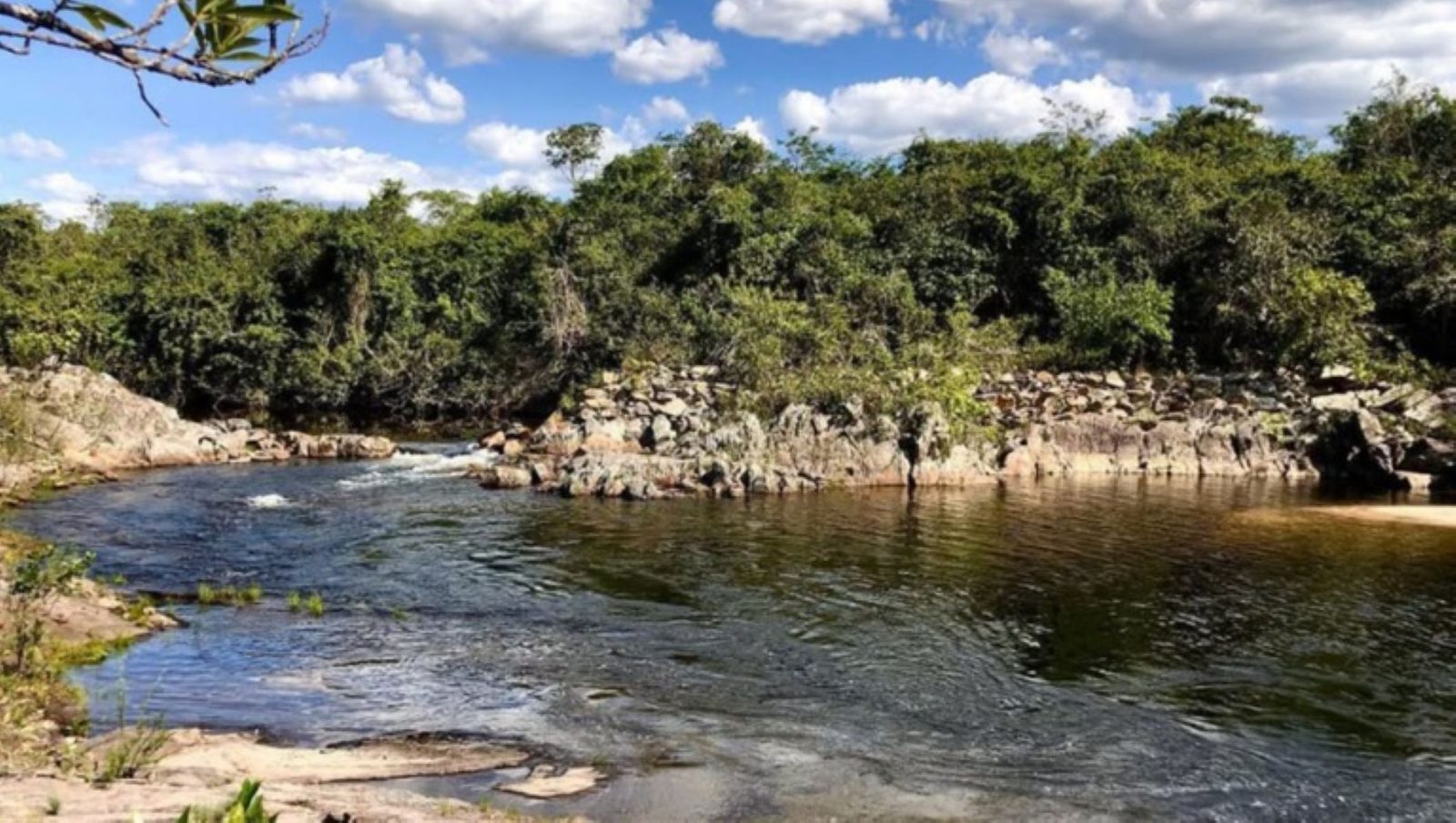
Argentina joins Chile, Paraguay and the US as important international tourism markets with growing relevance to Brazil’s expanding nature tourism landscape. The Santana Trail in Cavalcante, Goiás, adds a distinctive inland experience for travellers seeking mountains, waterfalls, protected landscapes and cultural heritage beyond Brazil’s established coastal destinations. Running through the Chapada dos Veadeiros region, the long-distance route brings hiking, Cerrado biodiversity, conservation areas and Kalunga cultural heritage into one travel experience. Strong international air connectivity is also widening access to Brazil, creating opportunities for visitors from leading countries to combine major gateways with lesser-known nature destinations across the country.
Brazil recorded more than 4 million international tourist arrivals by air between January and July 2026, 12% above the comparable 2025 period, while Argentina and Chile ranked first and second and the United States ranked third among air-arrival source markets.
Santana Trail Puts Cavalcante at the Centre of Brazil Nature Tourism
The Santana Trail gives Cavalcante a strong position within Brazil nature tourism by connecting travellers directly with the landscapes of Chapada dos Veadeiros. The route covers 78 kilometres and can be completed over as many as eight days. It begins and ends at the square of the Sant’Ana Parish Church in Cavalcante’s historic centre. From there, walkers travel through the Rio das Almas basin between the Araras and Santana mountain ranges. Instead of concentrating travel around one attraction, the route creates a broader journey through rivers, valleys, mountain scenery, geological formations and protected Cerrado environments.
Key travel facts
Advertisement
Advertisement
- Santana Trail extends for 78 kilometres
- Full itineraries can take up to eight days
- The journey starts and finishes in historic Cavalcante
- The route crosses the Rio das Almas basin
- Mountains, waterways and Cerrado scenery shape the experience
Chapada dos Veadeiros Gives the Trail a Powerful Conservation Setting
Chapada dos Veadeiros provides the environmental foundation of the Santana Trail experience. Brazil’s Chico Mendes Institute for Biodiversity Conservation identifies Chapada dos Veadeiros National Park as a protected area within the Cerrado biome, covering approximately 240,586 hectares. The wider protected landscape has international significance: Chapada dos Veadeiros and Emas national parks form Brazil’s Cerrado Protected Areas recognised as World Heritage. For travellers, this means hiking around Cavalcante takes place within a region shaped by biodiversity conservation, ancient geology, mountain terrain and important water systems rather than within an isolated recreational trail network.
Key conservation facts
Advertisement
Advertisement
- Chapada dos Veadeiros lies within Brazil’s Cerrado
- The national park covers about 240,586 hectares
- The region contains significant protected habitats
- World Heritage recognition strengthens its international profile
- Nature tourism is closely connected with conservation management
Eleven Protected Areas Turn the Santana Trail into a Wider Ecotourism Corridor
The Santana Trail is connected with 11 protected areas, providing a broad ecological setting for long-distance travel in Goiás. These include public conservation units and Private Natural Heritage Reserves. Official tourism information identifies Chapada dos Veadeiros National Park, Pouso Alto Environmental Protection Area and Lava-pés Municipal Natural Park among the areas linked with the route. Private reserves including Bacupari, Vale das Araras, Ponte de Pedra and Água Santa also form part of this environmental network. This concentration of protected land gives the Santana Trail a broader role within Brazil ecotourism, combining recreation with landscapes managed for biodiversity and natural-resource protection.
Key protected-area features
Advertisement
Advertisement
- The trail connects with 11 protected areas
- Federal and local conservation areas are represented
- Private natural heritage reserves contribute to the network
- Visitors encounter multiple forms of Cerrado landscape
- The route supports a conservation-led travel experience
Brazil Waterfalls Add Another Dimension to the Santana Trail Experience
Waterfalls are central to Cavalcante’s tourism appeal and give travellers several reasons to extend a Santana Trail itinerary. Official Brazilian tourism information highlights Santa Bárbara, Capivara and Candaru waterfalls, alongside the Prata Complex and Ponte de Pedra. Santa Bárbara is especially recognised for its turquoise water, while the Prata Complex combines several waterfalls and natural pools within the Cerrado. Ponte de Pedra adds another geological attraction through a natural stone formation above the São Domingos River. Together, these sites create a varied itinerary in which trekking can be combined with water-based landscapes, geology and wider exploration around Cavalcante.
Key waterfall attractions
- Santa Bárbara is known for turquoise-coloured water
- Capivara expands Cavalcante’s waterfall circuit
- Candaru provides another nature-based excursion
- Prata Complex contains waterfalls and natural pools
- Ponte de Pedra adds an important geological feature
Argentina Travellers Can Look Beyond Brazil’s Established Tourism Gateways
Argentina is Brazil’s largest consolidated international tourism source market in the official 2026 outlook. The Ministry of Tourism’s Tourism Trends 2026 report forecasts approximately 3.63 million Argentine arrivals for the year. Actual aviation figures also show Argentina leading Brazil’s international air markets, with about 1.12 million air arrivals between January and July 2026. This scale of travel creates a substantial potential audience for destinations beyond the best-known Brazilian urban and coastal centres. Cavalcante gives Argentine travellers access to long-distance hiking, Cerrado scenery, waterfalls, conservation areas and local cultural heritage within one destination experience.
What Argentine visitors can explore
Advertisement
Advertisement
- Santana Trail long-distance hiking
- Chapada dos Veadeiros landscapes
- Santa Bárbara and surrounding waterfalls
- Cerrado flora and natural formations
- Cultural experiences connected with Cavalcante
Chile Travellers Gain Access to a Different Side of Brazil
Chile is another major South American market with a strong connection to Brazil. The official Tourism Trends 2026 outlook projects approximately 842,020 Chilean arrivals, while Brazil recorded about 506,000 Chilean visitors arriving by air between January and July 2026. For this market, Cavalcante broadens the image of Brazil beyond major beaches and cities by placing mountain walking, waterfalls and conservation at the centre of the journey. The Santana Trail can therefore form part of a more diversified Brazil itinerary, especially for travellers looking for outdoor landscapes and multi-day walking experiences within the vast Cerrado environment.
What Chilean visitors can explore
- A multi-day Brazil hiking route
- Cerrado mountain landscapes
- Protected nature reserves
- Waterfalls and natural pools
- Geological formations around Cavalcante
Paraguay’s Regional Position Strengthens Access to Brazil Nature Tourism
Paraguay is identified by Brazil’s Ministry of Tourism as one of four consolidated international source markets alongside Argentina, Chile and Uruguay. The 2026 tourism outlook forecasts approximately 555,510 Paraguayan arrivals, representing projected growth over the previous year. Regional aviation cooperation is also developing. In July 2026, Brazil, Argentina, Chile and Paraguay signed a memorandum connected with the South American Air Liberalisation Agreement, designed to advance aviation integration gradually under national regulatory frameworks. For tourism, stronger regional connections can support access to a wider range of Brazilian destinations, including inland nature locations such as Cavalcante and Chapada dos Veadeiros.
What Paraguayan visitors can explore
- Cavalcante’s historic centre
- Santana Trail hiking experiences
- Protected Cerrado environments
- Waterfall circuits
- Chapada dos Veadeiros nature attractions
US Travellers Add Long-Haul Importance to Brazil’s Tourism Mix
The United States remains one of Brazil’s most important long-haul tourism markets. Between January and July 2026, approximately 430,000 US residents arrived in Brazil by air, placing the country behind only Argentina and Chile among the international air markets reported by Brazil’s Ministry of Ports and Airports for the period. This long-haul demand matters for inland tourism because international travellers can increasingly build trips around multiple Brazilian experiences rather than a single destination. Cavalcante adds hiking, waterfalls, biodiversity and cultural heritage to such journeys, while Chapada dos Veadeiros provides a protected landscape that is substantially different from Brazil’s globally familiar beach and metropolitan tourism products.
What US visitors can explore
Advertisement
Advertisement
- Brazil’s Cerrado ecosystem
- Multi-day hiking in Cavalcante
- World Heritage-associated protected landscapes
- Waterfalls and natural pools
- Nature and cultural tourism in the same region
Kalunga Heritage Connects Brazil Nature Tourism with Living Culture
Nature represents only one part of Cavalcante’s tourism identity. The municipality lies within a region strongly connected with Kalunga culture, and the wider quilombola territory extends across Cavalcante, Monte Alegre de Goiás and Teresina de Goiás. Official tourism information highlights traditions, celebrations, local knowledge and ways of life transmitted between generations. This cultural dimension makes the Santana Trail region more than a scenic hiking destination. Travellers can understand the relationship between communities, history and the surrounding landscape while exploring Chapada dos Veadeiros. The combination strengthens Cavalcante’s position within cultural, community-based and environmentally focused tourism in central Brazil.
Key cultural dimensions
- Kalunga heritage is closely linked with Cavalcante
- The territory extends across three municipalities
- Traditions have been maintained across generations
- Local knowledge forms part of the destination identity
- Culture complements hiking and nature-based travel
Brazil’s Cerrado Makes the Santana Trail More Than a Walking Route
The Cerrado shapes the ecological identity of Chapada dos Veadeiros. ICMBio identifies the national park as a major protected area of this biome and records numerous threatened species within the conservation unit, including the maned wolf, giant anteater, jaguar and giant armadillo. The park’s management framework also recognises its mountains, waterfalls, canyons, vegetation types and geological formations as important components of its environmental significance. This gives travellers a more complex natural setting than a conventional walking path. The Santana Trail becomes a route through a functioning ecosystem where conservation, geology, water resources and outdoor recreation intersect.
Key Cerrado experiences
- Distinctive vegetation and mountain environments
- Rivers and freshwater systems
- Geological formations
- Habitats supporting threatened wildlife
- Nature recreation within a conservation landscape
International Air Travel Is Expanding Brazil’s Tourism Reach
International aviation is increasingly important to Brazil’s tourism sector. More than 4 million overseas visitors arrived by air from January through July 2026, representing 12% growth from the same period in 2025. Argentina generated 1.12 million air arrivals, followed by Chile at 506,000 and the United States at 430,000. By August, total international air arrivals had reached approximately 4.47 million, accounting for around 70% of all foreign arrivals through air, land, sea and river entry points during that period. This growing aviation base supports wider opportunities for international visitors to explore Brazil beyond primary gateways.
Key travel trends
Advertisement
Advertisement
- International air arrivals increased in 2026
- Argentina remains the leading air source market
- Chile has a strong regional aviation presence
- The US provides significant long-haul traffic
- Air connectivity supports travel beyond gateway destinations
Santana Trail Can Support Longer Stays and Broader Tourism Activity
A long-distance itinerary can distribute visitor activity across more than one attraction. The Santana Trail takes as many as eight days to complete and can be complemented by excursions to Santa Bárbara, Capivara and Candaru waterfalls, the Prata Complex and Ponte de Pedra. That format allows travellers to build a multi-day Brazil nature tourism itinerary rather than making a short stop at a single attraction. Longer stays can create demand across accommodation, guiding, transport, food and other visitor services. At the destination level, this structure links hiking with conservation, waterfalls, culture and exploration of the broader Cavalcante area.
Potential tourism impacts
- Supports multi-day itineraries
- Distributes visits across several attractions
- Connects hiking with waterfall tourism
- Expands opportunities for local visitor services
- Diversifies Brazil’s nature tourism portfolio
Travel and Tourism Impact Extends Beyond Brazil’s Famous Coastal Destinations
The Santana Trail illustrates how Brazil can use growing international connectivity to spread tourism interest towards inland regions. Argentina, Chile, Paraguay and the US represent different but important source-market opportunities, while Cavalcante supplies a destination product built around hiking, waterfalls, conservation and culture. Brazil’s strengthening international air market gives more travellers access to the country, but the tourism value extends further when those visitors move beyond primary arrival points. Destinations such as Cavalcante can support geographic diversification by encouraging multi-day travel into Goiás and introducing international visitors to the Cerrado, Chapada dos Veadeiros and community-linked cultural experiences.
Key tourism implications
- Broadens Brazil’s international destination portfolio
- Promotes inland nature tourism
- Links international connectivity with regional travel
- Encourages longer, experience-led itineraries
- Combines conservation, recreation and cultural heritage
Brazil Nature Tourism and Source-Market Snapshot for 2026
| Category | Verified 2026 information | Travel relevance |
|---|---|---|
| Santana Trail | 78 km | Long-distance hiking experience |
| Trail duration | Up to eight days | Supports multi-day travel |
| Protected-area network | 11 areas linked with the trail | Conservation-based tourism |
| Argentina | 3.63 million forecast arrivals | Largest consolidated source market |
| Chile | 842,020 forecast arrivals | Major South American market |
| Paraguay | 555,510 forecast arrivals | Established regional source market |
| United States | 430,000 air arrivals, Jan–Jul | Major long-haul market |
| International air arrivals | More than 4 million, Jan–Jul | Expanding international access |
| Main destination environment | Cerrado | Nature and biodiversity tourism |
| Major attractions | Waterfalls, mountains, rivers, cultural heritage | Diversified visitor experience |
Conclusion
Argentina joins Chile, Paraguay and the US in giving Brazil a broad international tourism base that can support exploration far beyond the country’s familiar gateways. The Santana Trail strengthens that opportunity by placing Cavalcante and Chapada dos Veadeiros within the growing Brazil nature tourism landscape. Travellers can explore a long-distance hiking route, waterfalls, protected Cerrado environments, geological features and Kalunga cultural heritage within one region. As international travel connects Brazil with leading countries, destinations such as Cavalcante demonstrate how nature tourism can widen visitor itineraries, encourage deeper regional exploration and present another distinctive side of Brazil to global travellers.
Advertisement
