

Sri Lanka’s Wildlife Tourism Gains New Momentum as Yala National Park Prepares to Reopen Two Safari Zones on 16 October

Published
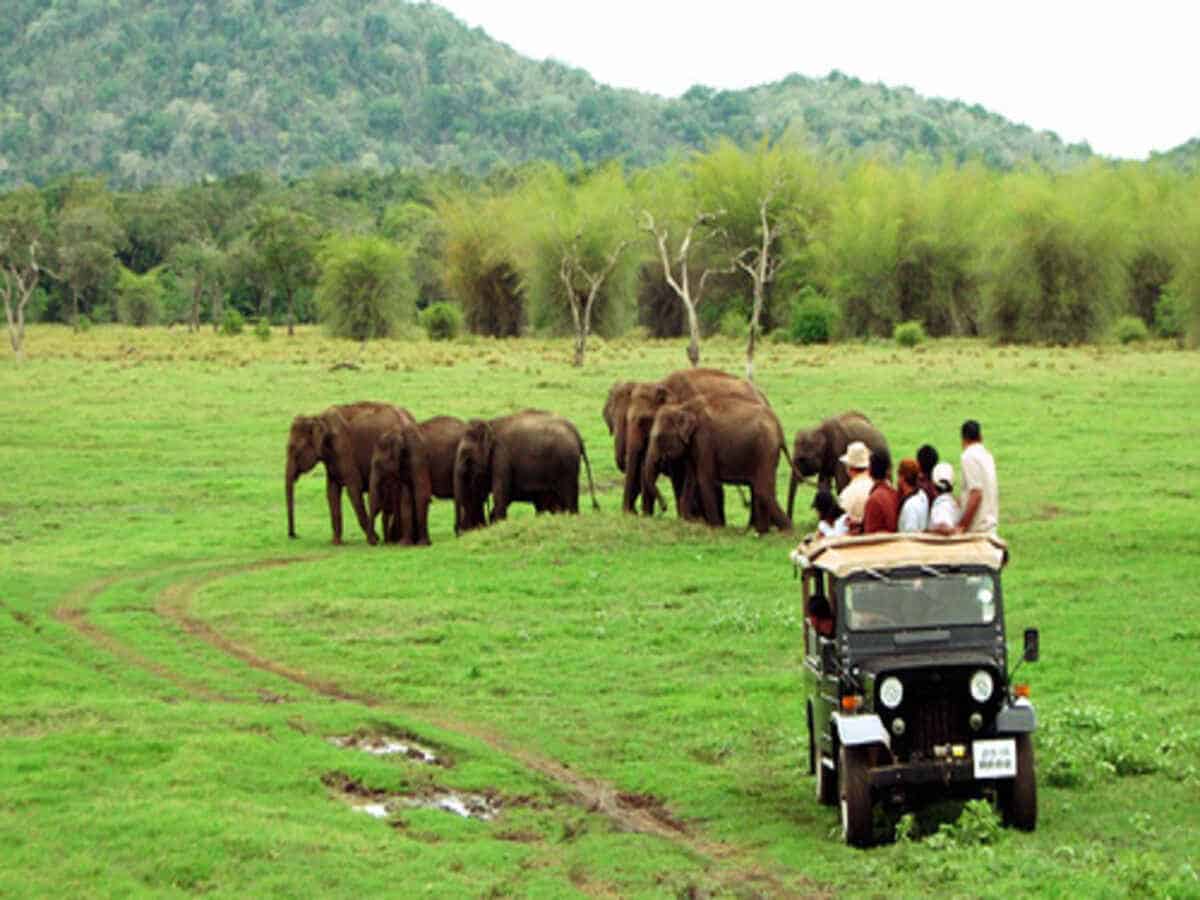
Sri Lanka’s Wildlife Tourism Set for Surge as Ya la readies two safari zones to reopen on 16 October following drought.
Sri Lanka is set to resume tourist visits to two wilderness areas at Ya la National Park from 16 October 2026, after they closed temporarily due to drought conditions. The reopened areas will provide local and international tourists with an opportunity to see wildlife in their natural habitat – a crucial step towards restoring safari tourism in the region. The areas have been closed since 14 September to reduce pressure on wildlife during the dry period. Tourism facilities such as bungalows and campsites are expected to restart services from 1 November, marking a further step towards normalizing the park’s visitor experience.
Advertisement
Advertisement
Ya la National Park Prepares for a Significant Reopening After Drought Restrictions
Ya la National Park is approaching an important stage in its reopening programme as visitor access is scheduled to resume at 6 a.m. on 16 October 2026. The development follows a month-long interruption to tourism activities in affected sections of the park. Authorities introduced the restrictions to protect wildlife during a period of severe drought, when access to natural water sources and vegetation became increasingly difficult for animals. The reopening offers renewed opportunities for wildlife enthusiasts, safari operators and local tourism businesses. However, the return of visitors does not necessarily mean that the park’s environmental conditions have fully recovered.
Severe Drought Forces Temporary Closure of Important Wildlife Areas
The temporary closure began on 14 September and is scheduled to remain in place until 15 October 2026. The restrictions were introduced because prolonged dry conditions placed additional pressure on wildlife habitats. During droughts, water availability can decline, vegetation can become scarce and animals may need to travel farther to find essential resources. Tourist vehicles can create additional disturbance when wildlife is already under environmental stress. Restricting visitor access therefore gives animals greater freedom to move through affected habitats. The measure also demonstrates how conservation requirements can influence tourism operations at one of Sri Lanka’s most recognised natural attractions.
Advertisement
Advertisement
Wildlife Conservation Remains Central to Ya la National Park’s Tourism Recovery
The reopening highlights the importance of balancing tourism development with wildlife protection. Ya la National Park supports a diverse ecosystem where animals depend on natural water sources, grasslands and forest habitats. The park is an important protected landscape containing freshwater lakes, rivers, scrub land, forests and coastal environments. These different habitats contribute to its wildlife diversity and appeal among nature travellers. Temporary restrictions during difficult environmental conditions help reduce human disturbance. As tourism activities resume, responsible visitor management will remain important to protecting the natural environment that makes Ya la a leading safari destination.
Tourist Bungalows and Campsites Set to Reopen from November
The next stage of the reopening programme concerns overnight accommodation facilities inside the national park. Tourist bungalows and designated campsites are scheduled to reopen from 1 November 2026, more than two weeks after the planned resumption of safari access. This phased approach separates daytime wildlife tourism from overnight visitor activities. The return of accommodation services could provide additional options for travellers planning longer nature-focused visits. It may also support tourism businesses involved in safari arrangements and accommodation services. Visitors planning overnight stays should confirm the availability of individual facilities and obtain the necessary reservations before travelling.
Advertisement
Advertisement
Sri Lanka’s Wildlife Tourism Sector Sees Fresh Opportunities for Safari Travel
Ya la National Park plays an important role in Sri Lanka’s nature-based tourism industry. The Sri Lanka Tourism Development Authority’s Annual Statistical Report 2024 identifies Ya la among the country’s most frequently visited wildlife attractions. The report also highlights the importance of international visitors to wildlife tourism revenue. Across the country’s wildlife attractions, foreign visitors accounted for 42.8% of recorded visits and contributed 97.5% of ticket revenue in the reporting data. These figures demonstrate the economic significance of international wildlife tourism. The reopening of Ya la’s affected areas could help restore safari activity, although the actual economic impact will depend on visitor demand.
Ya la National Park Remains a Major Attraction for Nature and Adventure Travellers
Located in southeastern Sri Lanka, near Tissamaharama, Ya la National Park attracts visitors interested in wildlife observation, natural landscapes and outdoor adventures. The park is particularly associated with sightings of leopards, elephants, crocodiles, deer and numerous bird species. Its combination of forest habitats, open grasslands, rocky formations and water bodies creates varied opportunities for wildlife viewing. The reserve covers approximately 979 square kilometres and has a long history of wildlife protection. These characteristics have helped establish Ya la as a prominent destination for domestic and international safari tourism.
Reopening Creates New Planning Opportunities for Domestic and International Visitors
The scheduled reopening gives travellers an opportunity to reconsider safari itineraries affected by the temporary restrictions. Visitors planning journeys from 16 October onwards can prepare for renewed access to the affected areas, subject to the latest operational instructions. Travellers should distinguish between the reopening of safari routes and the later return of overnight accommodation facilities. Those interested in day visits can consult the Department of Wildlife Conservation’s official reservation system, which provides procedures for selecting a national park, entering visitor and vehicle information, and obtaining permits. Advance planning remains important, particularly for travellers arranging accommodation and guided safari experiences.
Responsible Safari Tourism Becomes Increasingly Important as Visitor Access Returns
The reopening also draws attention to the challenges of managing visitor activity within protected wildlife areas. A visitor-management study published by the Sri Lanka Tourism Development Authority in December 2025 identified congestion as a significant concern at Ya la, particularly when safari vehicles gather around popular wildlife sightings. The report noted that as many as 500 safari jeeps could be present in the park simultaneously during busy periods, with activity concentrated heavily in Block 1. These findings underline the importance of responsible safari operations, appropriate vehicle movement and reducing unnecessary disturbance to animals. Protecting habitats remains essential to the long-term sustainability of wildlife tourism.
Ya la’s Phased Reopening Marks an Important Step Towards Restoring Tourism Activities
Sri Lanka’s wildlife tourism is gaining fresh momentum as Ya la National Park prepares to reopen two safari zones on 16 October 2026, following a month-long closure caused by severe drought, restoring access for domestic and international travellers.
The planned return of visitors on 16 October, followed by the scheduled reopening of tourist accommodation on 1 November, represents a gradual restoration of tourism services after the drought-related interruption. The development could benefit safari operators, accommodation providers and other businesses connected with wildlife tourism in the surrounding region. It also reinforces the importance of conservation-led tourism management. Ya la’s long-term appeal depends on protecting the wildlife and natural landscapes that visitors come to experience. As Sri Lanka continues developing its nature-based tourism offering, the park’s reopening illustrates the need to maintain a balance between visitor access, environmental protection and sustainable tourism opportunities.
Advertisement
