
Kiribati Expands Big Fly-Fishing, WWII Heritage and Sustainable Marine Tourism

Published
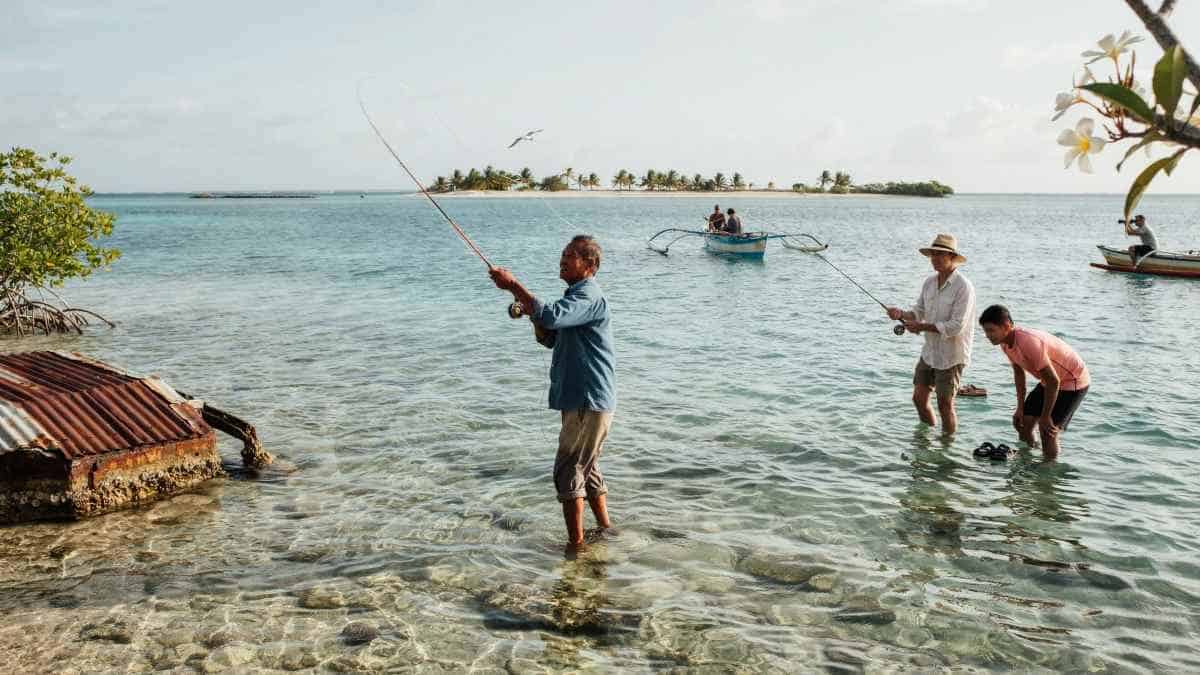
Kiribati is creating a unique niche tourism product through the use of saltwater fly fishing, WWII heritage tours, and eco-friendly marine tours on its scattered Pacific islands. Kiribati, more commonly known as Christmas Island, is attracting fishing enthusiasts with its vast saltwater flats and lagoons for catch-and-release fishing of bonefish and giant trevally, as well as pelagic fishing tours. Historical tourism in Kiribati is growing through shore and diving tours in Betio in South Tarawa, which allow visitors to visit coastal defensive structures, bunkers, and WWII wreckages at sea. In addition, sustainable marine tourism is being done through expedition cruise and scientific diving tours in the Phoenix Islands Protected Area, which is one of the biggest marine protected areas in the Pacific.
Kiritimati Develops Specialist Fly-Fishing Tourism
Kiritimati has become a destination for specialist saltwater fly-fishing, with its extensive flats and lagoon environments supporting targeted fishing experiences for international anglers.
The island’s fishing programmes focus on catch-and-release encounters with bonefish and giant trevally, two species associated with specialist saltwater angling. Pelagic fishing expeditions provide an additional option for visitors seeking offshore fishing experiences.
The availability of different fishing environments allows specialist travellers to build itineraries around flats fishing and open-water excursions. Anglers can travel to remote fishing locations with guides and organised operators, making the activity a dedicated tourism experience rather than an incidental part of a wider island holiday.
Advertisement
Advertisement
Peak bookings for fishing experiences also position Kiritimati within the specialist international angling market. The island’s remote Pacific location and extensive marine environment provide a distinct setting for travellers seeking destination-specific fishing opportunities.
Catch-and-release programmes place the focus on the fishing experience while allowing targeted species to remain within the marine ecosystem. This approach is particularly relevant to specialist tourism models that depend on maintaining healthy fish populations and productive fishing environments.
Advertisement
Advertisement
South Tarawa Expands WWII Heritage Tourism
South Tarawa is developing another specialised tourism segment through historical circuits focused on the Battle of Tarawa and the Second World War.
Betio, at the western end of South Tarawa, contains wartime remains associated with the Pacific conflict. Historical guides have expanded guided shore and dive trails that connect visitors with surviving coastal defence installations, bunkers and other wartime structures.
The tours provide historical enthusiasts with opportunities to explore physical remains linked to the Battle of Tarawa. Shore-based routes can focus on surviving military infrastructure, while dive experiences provide access to underwater wreckage associated with the wartime period.
Underwater heritage tourism adds a different dimension to Kiribati’s historical travel offering. Divers can explore submerged wartime remains while guided interpretation provides context about the military activity that took place across the Tarawa area.
The combination of land-based and underwater experiences allows South Tarawa to offer specialised heritage itineraries for travellers interested in military history, archaeology and the Pacific theatre of the Second World War.
Betio Connects Land and Underwater Heritage
Betio’s concentration of wartime sites makes it a focal point for historical tourism on South Tarawa. Guided circuits can connect coastal remains with dive locations, creating multi-part experiences for visitors interested in the Battle of Tarawa.
Advertisement
Advertisement
The availability of preserved bunkers and coastal defence installations provides opportunities for travellers to see surviving wartime infrastructure directly. Underwater wreckage extends the experience beyond the shoreline and introduces a marine component to historical tourism.
For specialist visitors, these circuits can form the central purpose of a trip rather than simply an additional sightseeing activity. Guided access also provides a structured way to visit heritage locations while receiving historical information about their significance.
PIPA Strengthens Conservation-Led Tourism
Marine conservation is another important element of Kiribati’s tourism development, particularly within the Phoenix Islands Protected Area, or PIPA.
The protected area encompasses a vast oceanic environment containing coral ecosystems and marine habitats. Conservation-focused expedition cruising and scientific diving programmes continue to provide opportunities for visitors to experience protected marine environments while operating under sustainability protocols.
These programmes are centred on low-impact, high-value tourism, limiting pressure on sensitive ecosystems while enabling specialist visitors to participate in marine experiences. Expedition cruises can provide access to remote parts of the protected area, while scientific diving programmes connect tourism with marine research and conservation activities.
The approach places environmental protection at the centre of visitor management. Activities are structured to minimise disturbance to coral ecosystems and other marine habitats, supporting the long-term preservation of the protected area.
Advertisement
Advertisement
Scientific Diving Adds a New Tourism Dimension
Scientific diving programmes provide a specialist form of marine tourism for visitors interested in coral reefs, biodiversity and conservation research.
Rather than relying solely on recreational sightseeing, conservation-oriented programmes can give participants a closer connection with marine ecosystems and the work involved in monitoring protected waters. The scientific focus also supports educational travel and specialist expedition experiences.
For Kiribati, these activities complement its fishing and heritage tourism sectors by creating a broader portfolio of marine-based experiences. Anglers, divers, historians and conservation-focused travellers can each access different aspects of the country’s islands and surrounding waters.
Kiribati Builds a Specialist Pacific Tourism Portfolio
The development of the tourism industry in Kiribati is more and more focused on specialised tourism products based on unique features of the marine environment, wartime heritage and protected natural areas. Tourism in Kiritimati offers destination-based saltwater fly-fishing and pelagic tours, and tourism in South Tarawa and Betio is based on war history tours, which include visits to war sites above and below the waterline. Moreover, Phoenix Islands Protected Area has expedition cruise and scientific diving tours for the sake of conservation. In this way, the tourism industry in Kiribati expands its boundaries and goes beyond beach tourism. Kiribati is providing specialised tourism based on fishing, war history, diving and marine science.
Advertisement
