

London Puts Digital Border Access at the Heart of Premium Travel

Updated
Published
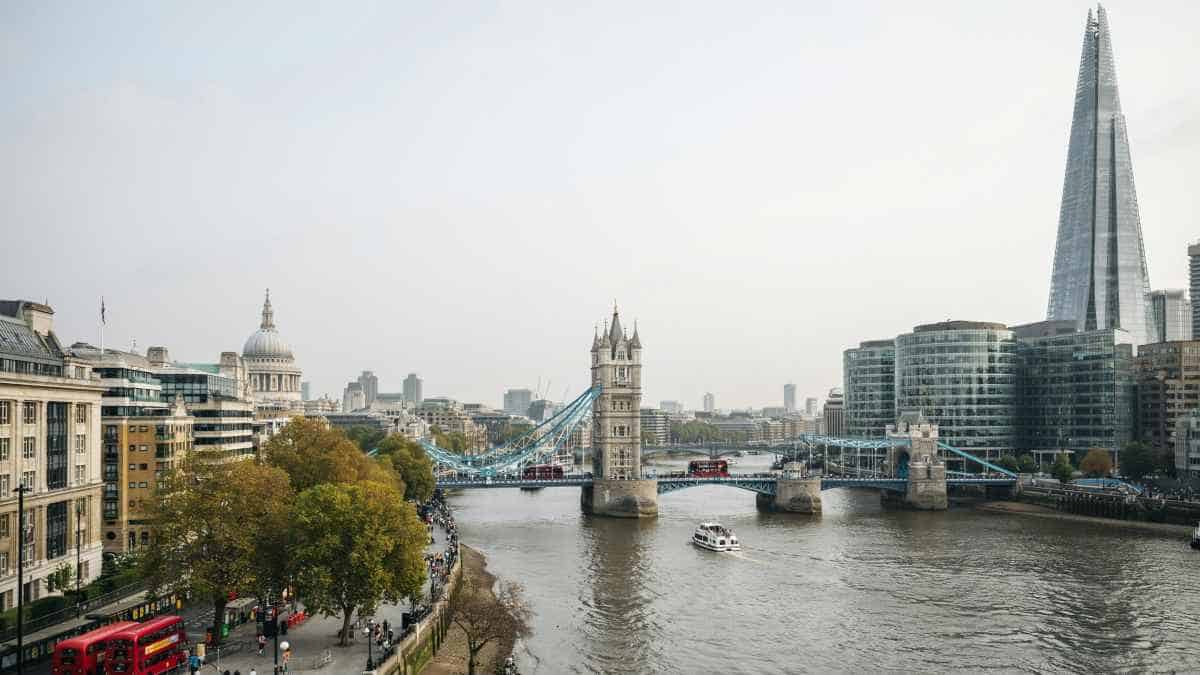
The United Kingdom is reinventing the international journey for passengers through the expansion of its ETA system, with London’s key airports catering to the increasingly important market of premium business and private travellers. Heathrow and Gatwick airports are playing a significant role in this evolving environment by integrating international connections and digital check-in services along with executive lounges and premium airport services aimed at providing a unique traveller experience. The ETA scheme has become an essential component of the UK’s immigration system, where eligible visitors without the need for a visa have to obtain digital authorisation prior to their travel. The gradual launch of the scheme has transformed the requirements for millions of international travellers, including tourists coming to the country for holidays, business trips, or short-term corporate engagements. In addition to that, the premium aviation services in London continue to offer travellers a range of facilities from concierge services to private terminals. These services function independently from the government’s ETA scheme but still are part of the infrastructure for international business travel to London.
UK expands its Electronic Travel Authorisation system
The UK’s ETA scheme represents a significant change in how the country manages travel permission for visitors who do not ordinarily require a visa. The programme was introduced in stages, beginning with selected Gulf nationals in 2023 before expanding to additional nationalities during 2024 and 2025.
From 8 January 2025, eligible non-European visitors from 48 countries and territories were required to obtain an ETA before travelling. The requirement was extended to eligible European visitors from 2 April 2025, following the opening of applications in March that year.
The system is designed to establish whether a traveller has permission to travel to the UK before departure. Applications are submitted digitally, with travellers providing personal details, passport information and a photograph. Once approved, the ETA is electronically linked to the passport used for the application.
Advertisement
Advertisement
The authorisation generally permits multiple journeys to the UK during its validity period, subject to the applicable immigration conditions. It is normally valid for two years or until the associated passport expires, whichever comes first.
Importantly, an ETA is not a visa and does not guarantee admission into the country. It provides permission to travel, while the final decision on entry remains with the UK Border Force. Visitors who require a visa must continue to obtain the appropriate visa rather than relying on an ETA.
Advertisement
Advertisement
British and Irish citizens are exempt from the requirement. The system also has specific exemptions for certain categories of travellers, including eligible individuals with existing UK immigration permission.
Heathrow and Gatwick adapt to digital-first travel
London’s two principal international airports are important gateways for visitors using the ETA system. Heathrow handles extensive long-haul traffic and serves as a major base for international airlines, while Gatwick provides a substantial network of European and international connections.
Advertisement
Advertisement
The introduction of digital travel authorisation has made pre-departure preparation increasingly important. Airlines must establish whether passengers have the necessary permission to travel before allowing them to board, placing greater emphasis on accurate passenger documentation and advance verification.
For international business travellers, this means that travel arrangements increasingly begin before reaching the airport. Corporate travel managers and executive assistants must account for passport validity, visa requirements and ETA approval when organising international schedules.
Digital authorisation can simplify parts of the administrative process, but it does not eliminate conventional border checks. Passengers may still need to provide supporting documents or answer questions from immigration officers when arriving in the UK.
Heathrow and Gatwick therefore operate within a broader system in which airlines, airport operators and border authorities each have separate responsibilities for passenger processing.
Advertisement
Advertisement
London’s premium airport services attract executive travellers
Beyond immigration technology, London has a well-established market for high-end airport services. Heathrow’s Windsor Suite is one of the most recognised examples, offering a private and personalised experience for eligible travellers seeking an alternative to the conventional terminal journey.
The service includes dedicated assistance, private security and immigration arrangements, as well as chauffeur transfers to and from the aircraft where available. Its appeal lies in providing a more discreet and individually managed airport experience for high-profile passengers.
Heathrow also offers premium lounges and other enhanced passenger facilities through airlines and airport service providers. These include dedicated check-in areas, priority security access and private spaces for business travellers requiring additional comfort or privacy.
Gatwick has a different premium offering, with lounges and specialist passenger services designed to provide a quieter environment away from the main departure areas. These facilities cater to travellers looking for upgraded airport experiences without necessarily requiring private aviation arrangements.
Such services are particularly relevant to executives, international investors, corporate delegations and high-net-worth visitors whose schedules often involve several meetings or destinations within a limited period.
However, private suites, airline lounges and concierge services should not be confused with immigration clearance. Access to a premium airport facility does not remove the requirement to hold the correct travel authorisation or comply with UK border regulations.
Advertisement
Advertisement
Digital permission and private aviation serve different needs
The UK’s travel model brings together two distinct developments. ETA provides a government-managed system for assessing eligible visitors before they travel, while premium airport services focus on the comfort, privacy and convenience of the passenger experience.
For corporate travellers, both can influence journey planning. Advance authorisation helps reduce the risk of boarding complications, while dedicated airport assistance can make transfers and departure procedures more manageable.
Private aviation also forms part of London’s premium travel market. Dedicated facilities at London-area airports allow business leaders and private travellers to arrange separate handling, aircraft access and ground transport. These services operate under their own security and immigration requirements and are not automatically linked to ETA approval.
There is no confirmed nationwide arrangement through which British carriers have introduced a universal network of private terminal suites or corporate concierge pathways tied to digital ETA credentials. London’s existing premium facilities and airline services are better understood as separate elements of its broader high-end travel infrastructure.
London competes for the global business travel market
London’s appeal to international business visitors rests on more than its airport facilities. The city remains a major centre for finance, professional services, technology, international events and global corporate headquarters.
Heathrow’s extensive long-haul network provides access to major commercial markets, while Gatwick offers additional international connectivity. Hotels, conference venues, private transport operators and premium hospitality businesses contribute to the wider ecosystem serving corporate visitors.
Advertisement
Advertisement
As international travel becomes increasingly dependent on digital documentation, the UK’s ETA framework adds another layer to the pre-departure process. For visitors, understanding the distinction between an ETA, a visa and permission to enter is essential to avoiding disruption.
London’s premium airport services, meanwhile, continue to target travellers who place particular value on privacy, personalised assistance and time-efficient journeys.
The UK’s evolving approach to premium international access
The growth of ETA has rendered advance travel authorisation a key component of the UK’s scheme for visitors entering the country. Equally, the continued functioning of Heathrow and Gatwick has ensured that London remains an international destination for business and pleasure travel through private aviation. None of these are not integrated components of any VIP border clearance program. On the contrary, these two are separate elements within an ever-changing travel environment where we can find the aspect of a digital immigration control system on one side and high-end travel facilities on the other side. The opportunity that London possesses is in the blend of assured international entry with the hospitality and connectivity provided by the capital.
Advertisement
