
US Spirit Airlines Fleet Restructuring After Bankruptcy Reshapes Low Cost Aviation Future With Major Changes

Published
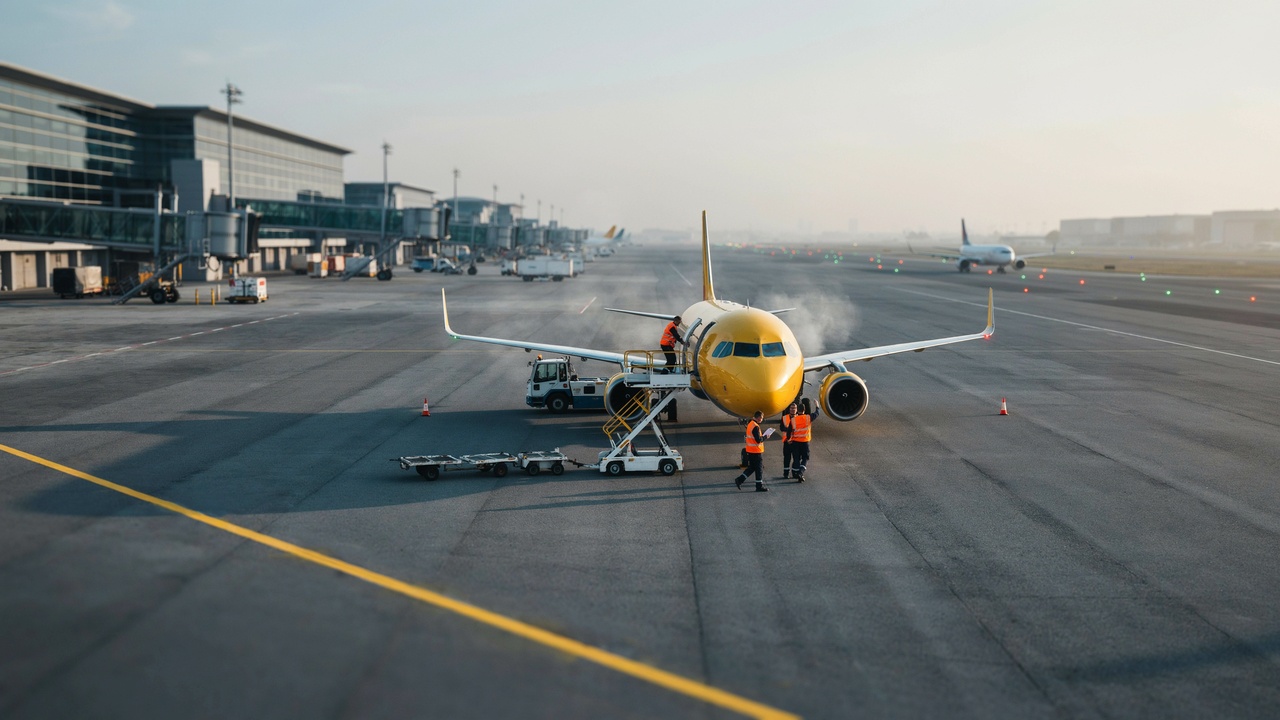
Spirit Airlines is making changes to its plane collection and this is a big deal in the US air travel industry. The airline is going through changes after having money problems and entering Chapter 11. The process of changing the plane collection has included looking at plane contracts, lease deals, costs to run the business and what planes the airline will need in the future. Spirit Airlines is one of the ultra-low-cost airlines in America and it has helped more people get affordable flights to different places in the country and around the world. The latest changes show how airlines are dealing with money issues changes, in what people want to fly and higher costs to run the business. All of this is part of trying to find a way to keep going in an competitive air travel world.
Spirit Airlines Fleet Restructuring Signals Major Shift For US Aviation
Spirit Airlines has entered a new phase of transformation as the carrier restructures its operations, financial obligations and aircraft strategy following its Chapter 11 bankruptcy process.
Advertisement
Advertisement
The airline’s restructuring reflects wider challenges facing the low-cost aviation sector, where carriers are balancing fleet expenses, aircraft availability, labour costs, fuel prices and changing travel demand.
Rather than representing a simple aircraft disposal programme, Spirit’s fleet changes are linked to a broader effort to improve financial stability, reduce obligations and create a more sustainable operating model.
Advertisement
Advertisement
The carrier has historically relied on an all-Airbus narrowbody fleet, operating aircraft from the A320 family to support its low-cost business model. Official company filings have documented restructuring actions involving aircraft-related agreements, creditor arrangements and operational adjustments during the bankruptcy process.
The developments highlight the pressure facing ultra-low-cost airlines in a highly competitive aviation market, where profitability depends on efficient aircraft utilisation, strong route networks and disciplined cost management.
Advertisement
Advertisement
Spirit Airlines Bankruptcy Restructuring And Aviation Recovery Strategy
Chapter 11 Process Drives Business Transformation
Spirit Airlines entered Chapter 11 bankruptcy protection as part of a restructuring effort designed to address financial obligations and reorganise its business operations.
Chapter 11 allows companies in the United States to continue operating while developing a plan to manage debts, renegotiate agreements and establish a stronger financial foundation.
For airlines, restructuring often involves multiple areas, including:
- Aircraft lease negotiations
- Fleet planning adjustments
- Contract reviews
- Debt restructuring
- Cost reduction measures
- Operational efficiency improvements
Spirit’s restructuring process reflects the complex relationship between airline finances and aircraft ownership structures.
Modern airlines frequently operate aircraft through a combination of owned assets and leasing arrangements. During financial restructuring, these agreements can become central to reducing costs and improving flexibility.
The aircraft itself represents one of the largest financial commitments for any airline. Lease payments, maintenance expenses, financing costs and regulatory requirements all influence fleet decisions.
Advertisement
Advertisement
Spirit Airlines Fleet Strategy Before Restructuring
An Airbus Focused Business Model
Spirit Airlines built its identity around the ultra-low-cost carrier model, using a simplified aircraft strategy based primarily on Airbus A320 family aircraft.
This approach allowed the airline to benefit from:
- Common pilot training requirements
- Simplified maintenance operations
- Efficient aircraft scheduling
- Lower operational complexity
Before restructuring developments, Spirit operated a fleet consisting of Airbus A319, A320 and A321 family aircraft, including newer-generation A320neo and A321neo models.
The airline’s fleet strategy supported its low-fare business model by focusing on high-density seating configurations and efficient aircraft utilisation.
Unlike traditional full-service airlines, ultra-low-cost carriers depend heavily on maximising aircraft productivity. Aircraft spend more time flying, enabling airlines to spread fixed costs across more passenger journeys.
However, this model also creates financial sensitivity. When passenger demand weakens or costs increase, airlines with large fixed commitments can face significant pressure.
Advertisement
Advertisement
Aircraft Assets Become Central To Spirit Airlines Restructuring
Fleet Commitments Under Review
Aircraft represent some of the most valuable assets and largest financial responsibilities in commercial aviation.
During restructuring, airlines typically examine:
- Existing aircraft leases
- Future aircraft deliveries
- Maintenance obligations
- Aircraft ownership costs
- Network requirements
Spirit’s fleet restructuring has been connected with reviewing these commitments as part of its broader financial recovery process.
The airline industry has experienced significant fleet adjustments in recent years as carriers respond to changing market conditions.
Aircraft manufacturers, leasing companies and airlines are closely connected through long-term agreements. Changes at one airline can influence aircraft availability and leasing markets worldwide.
A reduction in aircraft commitments can help airlines lower fixed costs, but it can also affect future growth plans and network expansion opportunities.
Advertisement
Advertisement
Impact On The US Low Cost Airline Market
Spirit Airlines has been one of the most recognisable names in America’s low-cost aviation sector.
The carrier expanded air travel access by offering low base fares and additional paid services, a model followed by several budget airlines globally.
The airline’s restructuring has therefore attracted attention across the aviation industry because of its potential impact on:
Passenger Competition
Spirit’s network historically provided affordable options for leisure travellers, particularly on domestic US routes.
Changes to its fleet size or operational structure could influence competition on routes where low-cost carriers play an important role.
Airport Connectivity
Low-cost airlines often provide important links between secondary airports and major metropolitan areas.
Advertisement
Advertisement
Fleet adjustments can influence:
- Flight frequency
- Route availability
- Seasonal capacity
- Regional connectivity
Aircraft Leasing Market
Aircraft leasing companies monitor airline restructuring closely because fleet changes can affect asset values and future placement opportunities.
When airlines return aircraft, reduce commitments or modify agreements, leasing companies may need to find alternative operators.
Why Aircraft Restructuring Matters For Travellers
Potential Effects On Flight Networks
For passengers, airline restructuring does not only involve corporate finances. It can influence travel options, fares and connectivity.
Aircraft availability directly affects airline scheduling capacity.
A smaller fleet may influence:
Advertisement
Advertisement
- Number of flights available
- Route frequency
- Seasonal services
- Airport operations
However, airlines undergoing restructuring often aim to protect core operations while improving efficiency.
Spirit’s transformation demonstrates how aviation companies must constantly adapt to market conditions while maintaining reliable services for passengers.
The airline sector has faced several pressures, including higher operating costs, changing consumer behaviour and increased competition from both traditional carriers and other low-cost airlines.
The Importance Of Efficient Fleet Management
Aircraft Utilisation Remains A Key Priority
For low-cost carriers, fleet efficiency is essential.
Every aircraft must generate sufficient revenue to cover:
- Fuel expenses
- Maintenance costs
- Airport charges
- Crew costs
- Financing obligations
A modern aircraft fleet can provide efficiency advantages through improved fuel performance and lower maintenance requirements.
Advertisement
Advertisement
However, owning or leasing too many aircraft can create financial pressure when demand does not match capacity.
Spirit’s restructuring highlights the importance of maintaining the right balance between fleet size and market demand.
Regulatory Oversight And The Future Of Spirit Airlines Operations
FAA And US Aviation Industry Framework
Spirit Airlines’ restructuring takes place within one of the world’s most closely regulated aviation markets. The Federal Aviation Administration (FAA) oversees airline safety standards, aircraft certification, maintenance requirements and operational compliance across the United States.
While financial restructuring decisions are managed through corporate and legal processes, airlines must continue meeting strict regulatory requirements during any transition period.
For passengers and industry stakeholders, this means that changes to aircraft operations, fleet utilisation and network planning must continue to follow established aviation safety regulations.
The US Department of Transportation (DOT) also monitors airline consumer protection standards, including areas such as passenger rights, flight information reporting and service obligations.
Advertisement
Advertisement
The aviation sector’s regulatory framework ensures that airlines undergoing financial changes continue operating within national safety and consumer protection requirements.
Economic Impact Of Spirit Airlines Fleet Restructuring
Effects On The Ultra Low Cost Aviation Segment
The restructuring of Spirit Airlines represents a significant moment for the US ultra-low-cost airline sector.
Budget airlines have traditionally supported tourism, business travel and regional connectivity by providing lower-cost alternatives for passengers.
Spirit’s operational model helped expand affordable air travel by focusing on:
- Low base fares
- High aircraft utilisation
- Simplified fleet operations
- Additional revenue from optional services
However, the economic environment for low-cost carriers has become increasingly complex.
Airlines have faced pressure from:
Advertisement
Advertisement
- Higher fuel expenses
- Labour cost increases
- Aircraft supply constraints
- Maintenance requirements
- Changing passenger preferences
These factors have encouraged carriers to reassess fleet strategies and operating structures.
For the wider aviation market, Spirit’s restructuring demonstrates the importance of financial flexibility in maintaining competitiveness.
Impact On Aircraft Manufacturers And Leasing Companies
Aircraft restructuring decisions can influence multiple parts of the aviation ecosystem.
Airbus aircraft operators, leasing companies, maintenance providers and airports all monitor airline fleet decisions because they affect future capacity planning.
Aircraft leasing plays a major role in commercial aviation. Many airlines lease aircraft rather than purchasing every aircraft directly.
Leasing provides flexibility because airlines can adjust capacity based on market conditions.
Advertisement
Advertisement
However, during financial restructuring, airlines may renegotiate agreements to reduce long-term financial pressure.
For lessors, airline restructuring can create both challenges and opportunities. Returned aircraft may require remarketing, while demand for efficient narrowbody aircraft remains significant across global aviation markets.
Spirit Airlines And The Changing US Travel Market
Passenger Demand Continues To Shape Airline Strategies
The US travel market has changed significantly in recent years.
Airlines have experienced shifts in:
- Leisure travel demand
- Business travel patterns
- International travel recovery
- Consumer expectations
- Digital booking behaviour
Low-cost carriers have had to adapt as passengers increasingly compare fares, schedules, loyalty benefits and overall travel value.
Spirit Airlines’ restructuring reflects this changing environment.
Advertisement
Advertisement
The airline’s future strategy will depend on balancing affordability with operational reliability and financial discipline.
For travellers, airline restructuring can influence how carriers design routes, manage schedules and compete for customers.
Future Outlook For Spirit Airlines Fleet Restructuring
Building A Sustainable Airline Model
The long-term success of Spirit Airlines will depend on how effectively the company implements its restructuring strategy.
Key factors shaping the future include:
Fleet Efficiency
Maintaining an appropriate fleet size will remain essential.
Airlines must ensure that aircraft availability matches passenger demand while controlling costs.
Advertisement
Advertisement
Network Planning
Future route decisions will influence Spirit’s competitive position.
Airlines continuously evaluate routes based on passenger demand, profitability and operational requirements.
Customer Experience
Low-cost carriers increasingly focus on improving digital services, reliability and customer convenience while maintaining competitive fares.
Financial Discipline
A sustainable airline model requires careful management of debt, operating costs and asset commitments.
Broader Lessons For Global Aviation
Spirit Airlines’ restructuring reflects wider trends affecting airlines worldwide.
The aviation industry has moved beyond simple capacity growth. Airlines are now focusing heavily on efficiency, resilience and adaptability.
Advertisement
Advertisement
The challenges faced by Spirit are not unique. Airlines globally continue reviewing fleet strategies because aircraft represent long-term financial commitments.
Several industry trends are shaping airline decisions:
- More fuel-efficient aircraft
- Digital passenger services
- Flexible fleet planning
- Sustainable aviation initiatives
- Stronger financial controls
These trends are expected to influence aviation strategies for years to come.
Conclusion
Spirit Airlines is changing its airplane plans to deal with money problems ways people are traveling and different conditions in the sky. The airline is looking at its airplane contracts how it runs its business and what it wants to do in the future. This isn’t about getting rid of one plane. As the airline business keeps changing, managing airplanes well is important to keep service and low prices. Spirit Airlines changes show how airplanes, money and getting people to where they need to go are all connected. What happens next will teach airlines in the US and, around the world a lot.
Advertisement
