
Spain Leaves Behind France Along With Other Countries as the Ferocious Mediterranean Extreme Heatwaves Are Mercilessly Scorching European Tourism

Published
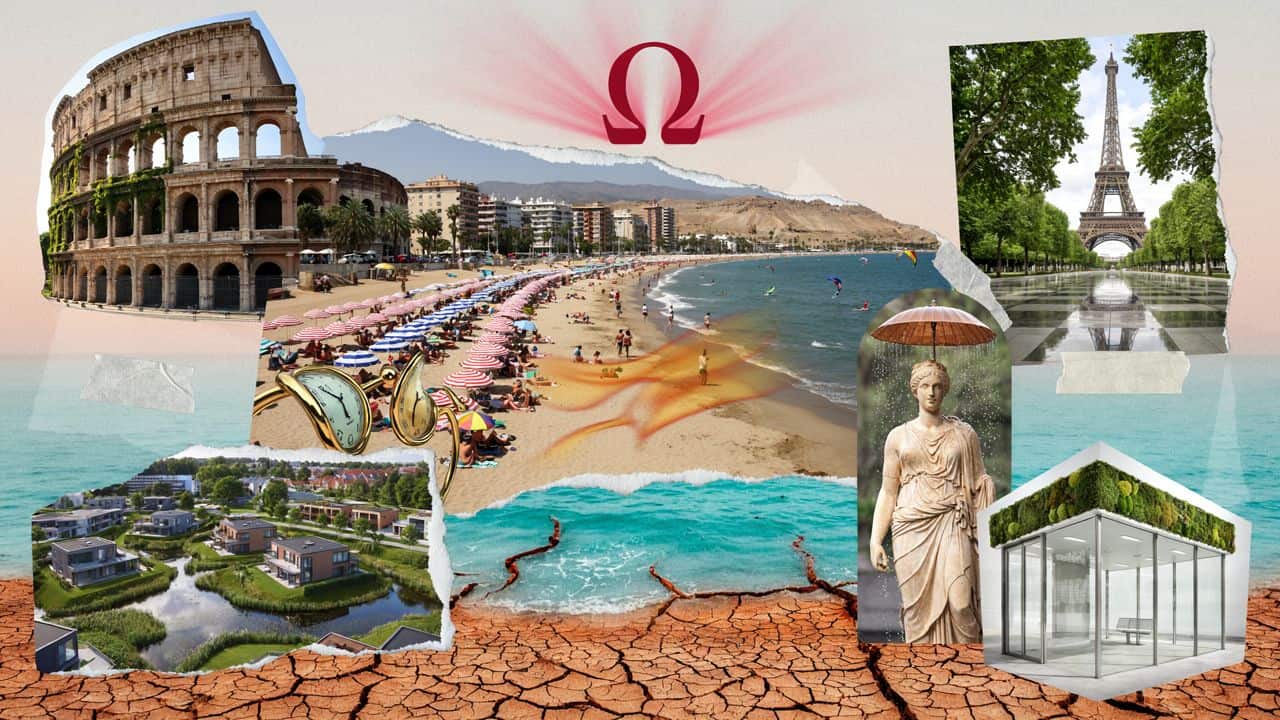
Image generated with Ai
Unprecedented Mediterranean extreme heatwaves fiercely batter Spain, Algeria, France, Italy, Greece, Germany, UK, Denmark, and Austria. However, Spain remarkably leaves behind France, Italy, Greece, Germany, UK, Denmark, Austria, and Algeria in tourist numbers. This unseasonably intense climatic anomaly brings terrifyingly high surface temperatures across coastal areas. Nighttime conditions remain unseasonably and brutally hot across European travel hubs. The World Meteorological Organization recently issued severe public safety warnings. National tourism boards monitor this escalating environmental crisis closely. Government ministries urgently deploy emergency climate adaptation infrastructure globally.
Spain Outpaces Competitors in Tourism Resilience
Despite extreme heat stress warnings, the Spanish travel sector surges. Spain leaves behind its competitors with historic international arrival numbers. Unprecedented Spain tourist arrivals showcase incredible economic resilience this year. Data from the National Statistics Institute confirms this historic surge. Both domestic and international demand drove this massive market increase. According to ENIT, Italy also reported rapidly climbing tourist numbers. However, Spain remains the dominant Mediterranean holiday destination globally.
Advertisement
Advertisement
Table 1: H1 2026 Tourist Arrivals & Sector Growth
| Destination / Sector | Key Tourism Metric (H1 2026) | Source of Official Data |
| Spain | 46.6 million international tourists | National Statistics Institute |
| Iberian Hotel Sector | Over 20 million travellers | WTTC / UN Tourism |
| Italy | Rapidly climbing tourist numbers | ENIT |
Shattered Meteorological Temperature Records
Recent meteorological tracking confirms unprecedented October minimum temperature records. Spain reported shocking nighttime lows in multiple coastal destinations. The Algerian coast faces similarly oppressive nighttime climate conditions. These figures represent a massive regional anomaly across Europe. The Copernicus Climate Change Service continuously monitors these drastic spikes. Western and Central Europe face exceptionally warm nighttime conditions. This severely devastates agricultural yields across the entire continent.
Advertisement
Advertisement
Table 2: Record October Minimum Temperatures
| City / Location | Country | Minimum Temperature Recorded (°C) |
| Almeria | Spain | 23.9 |
| Beni Saf | Algeria | 24.1 |
| Tarifa | Spain | 22.0 |
The Devastating Causes Behind the Heat
Data from the World Meteorological Organization highlights several atmospheric factors. The Copernicus Climate Change Service fully agrees with these findings. Official sources cite three primary causes for these terrifying anomalies:
Advertisement
Advertisement
- The Omega Block Phenomenon: A strong atmospheric ridge has parked over Western Europe. This weather system is shaped like the Greek letter Omega. It functions as a massive, stationary atmospheric heat dome. This high-pressure system completely blocks cooler maritime air from entering. It creates a persistent, devastatingly hot southerly air flow. This flow draws scorching air directly from Northern Africa.
- Escalating Marine Heatwaves: According to the ECMWF, the Mediterranean Sea absorbs massive heat. Severe marine heatwaves push sea surface temperatures to absolute record highs. Unusually warm water keeps nighttime minimum temperatures abnormally elevated. Coastal areas no longer cool down effectively at night.
- Accelerated Continental Warming: The WMO notes Europe is the fastest-warming global continent. Official data reveals Europe warmed by two degrees since 1976. This baseline increase makes extreme heat periods vastly more frequent. Such extreme weather events are now significantly longer-lasting.
Expanding Urban Blue-Green Infrastructure
European and Mediterranean cities are drastically retrofitting their urban environments. Municipal governments aim to mitigate the European urban heat island. Cities aggressively replace asphalt and concrete with living vegetation. They harness natural cooling through evapotranspiration and extensive public shading. The French Ministry of Ecological Transition oversees numerous ecological upgrades.
Notable City Adaptation Strategies:
Advertisement
Advertisement
- Barcelona (Spain): Local government officials actively develop large green axes. These axes, locally known as ejes verdes, connect green spaces. The city installed advanced misting systems in schoolyards and parks.
- Paris (France): Paris operates an initiative known as the Cours Oasis programme. The city actively tears up traditional schoolyard asphalt. Officials replace the tarmac with trees and highly permeable soils.
- Copenhagen (Denmark): The Skt. Kjelds neighbourhood acts as a designated climate district. This district features rain gardens and floodable public parks. These vital areas double as crucial thermal buffers during summer.
- Vienna (Austria): Vienna integrates greenery directly into vital transit infrastructure. The city successfully installs cooling green roofs on public bus stops.
Upgrading Urban Surfaces and Architecture
Dark, impermeable building materials severely absorb and trap heat. Cities must fundamentally adapt built environments to reflect harsh sunlight. This process significantly lowers dangerously high urban surface temperatures. Other major European cities heavily incentivise green roof installations globally.
Table 3: Surface and Architecture Adaptations
| European City | Infrastructural Adaptation Strategy | Verified Environmental Result |
| Rethymno, Greece | Implemented cool, highly reflective pavements across the centre. | Reduced surface temperatures by over eight degrees. |
| Paris, France | Thermally insulating traditional zinc roofs across historical districts. | Prevents severe, life-threatening indoor overheating incidents. |
Establishing Climate Shelters and Cool Streets
Cities urgently require immediate safe zones for vulnerable urban populations. Authorities are creating dedicated public climate refuge networks immediately.
- Active Climate Shelters: Barcelona brilliantly pioneered a vast climate shelter network. The city currently operates over 380 of these crucial facilities. They include libraries, community centres, and heavily shaded public parks. Every single Barcelona resident lives within a ten-minute walking distance. According to municipal reports, Rome and Paris launched similar networks. Tallinn is also establishing these highly necessary life-saving refuge centres.
- Pedestrian Cooling Zones: Vienna successfully introduced temporary pedestrian cooling zones across town. These designated cool streets temporarily ban all motor vehicles entirely. They convert overheated roads into shaded, heavily misted pedestrian zones.
Important Guidance for Global Travellers
This comprehensive news story provides highly crucial information for travellers. Tourists must strictly prepare for abnormally hot conditions during visits. The hospitality industry must urgently adapt its cooling infrastructure immediately.
Advertisement
Advertisement
According to the WTTC, clear communication prevents dangerous tourist emergencies. The UN Tourism agency strongly praises these proactive safety measures.
Traveller Safety Checklist:
- Actively locate designated climate shelters before arriving abroad.
- Check if hotels are currently upgrading their air conditioning systems.
- Review airlines’ strictly implemented heat-related passenger safety operational protocols.
- Read official hotel brand press offices’ new cooling initiatives announcements.
Conclusion
Meteorological institutions will undoubtedly continue monitoring these unprecedented temperature anomalies. Governments must relentlessly pursue robust, long-term urban climate adaptation strategies. Tourist numbers remain consistently high despite these severe environmental challenges. Travellers must prioritise personal safety when planning their summer itineraries. Mediterranean extreme heatwaves will continually redefine the highly resilient European travel sector.
Advertisement
