
Norway’s Nordland Puts Sustainable Tourism at the Centre of Lofoten Growth

Published
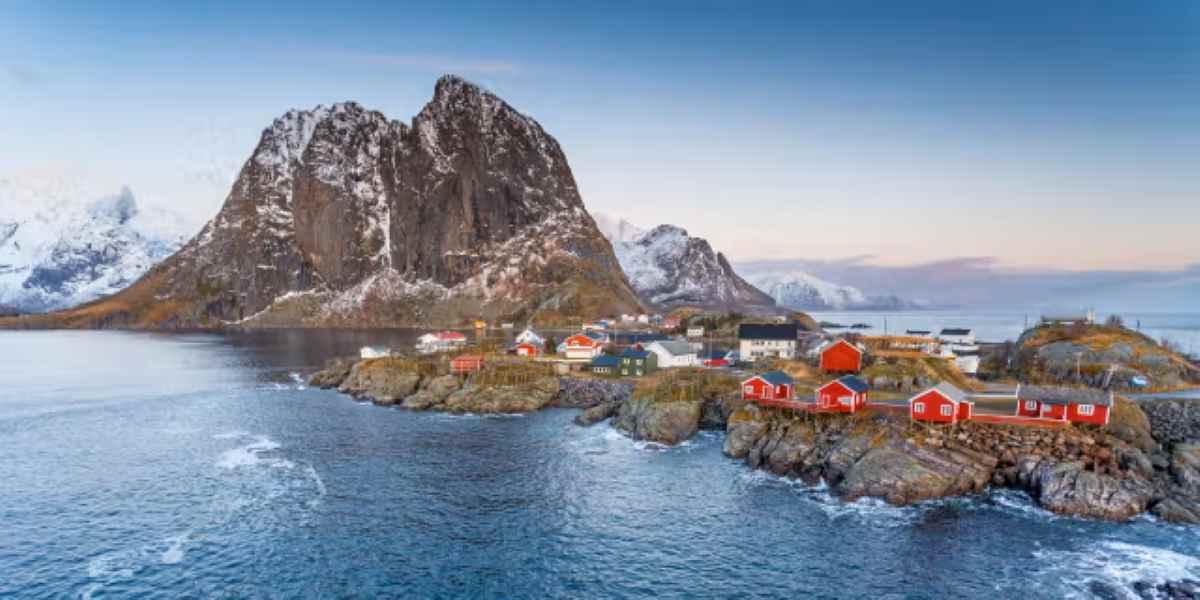
Norway’s Nordland region is entering a more tightly managed phase of tourism development as destinations across Lofoten and the wider Arctic coastline deal with growing pressure on nature, infrastructure and local communities. A September 27–29 briefing describes a new Nordland County framework for wilderness accommodation, including restrictions on permanent utility connections along vulnerable fjord lines, zero-discharge wastewater requirements and closed-loop solar-battery systems for eco-concession operators. The specific concession framework and the September measures described in the briefing could not be independently confirmed in the latest official sources reviewed. Current government and regional material does, however, confirm that Nordland is actively strengthening visitor management, sustainable destination planning and the protection of vulnerable natural areas.
Lofoten Moves Further Into Managed Tourism
The shift is particularly visible across Lofoten. The archipelago has become one of Norway’s most recognisable nature destinations, with Svolvær, Reine and surrounding fishing villages drawing visitors for mountains, beaches, fjords, kayaking, hiking and wildlife experiences.
That popularity brings a difficult balancing act. Visit Norway describes Lofoten’s Arctic landscapes as vulnerable and asks visitors to remain on marked trails, avoid creating new paths, use public toilets and minimise their impact on nature and local communities. Lofoten also holds Sustainable Destination certification, which requires destinations to work systematically to reduce tourism’s negative effects.
Advertisement
Advertisement
The direction is therefore moving beyond marketing. Visitor behaviour, infrastructure and local capacity are increasingly becoming part of the tourism product itself.
Nordland Builds Visitor Management From the Ground Up
Advertisement
Advertisement
Nordland County has been working on visitor management for several years, including dedicated projects covering Lofoten, Vega and the Svartisen/Meløy area.
The Norwegian government says Nordland’s approach has focused on managing visitor traffic while protecting natural and cultural resources and taking local communities into account. The experience from those projects has also informed Nordland’s regional tourism strategy for 2023–2027.
In April 2026, Nordland County brought tourism and outdoor recreation organisations together in Bodø for a dedicated visitor-management forum. The programme included experience from Lofoten, planning for Saltstraumen as a marine protected area and work involving local communities, tourism businesses and environmental authorities.
That suggests a model in which tourism planning is increasingly linked to land management, community needs and environmental protection.
Reine Shows Why Infrastructure Matters
Reine is one of Lofoten’s most photographed destinations, but its popularity also illustrates why visitor infrastructure has become central to the region’s tourism strategy.
Advertisement
Advertisement
In 2026, Norway’s national tourist-trail funding programme allocated NOK 330,000 for a preliminary project to develop Reinebringen as a National Tourist Trail, alongside NOK 600,000 for a trail-watch programme. Funding was also directed to trail improvements between Uttakleiv and Haukland and to visitor-management measures elsewhere in Nordland.
These investments point to a practical approach: instead of simply restricting access, authorities can concentrate visitor movement through properly maintained routes, safety measures and information systems.
Bodø Is Becoming a Regional Sustainability Hub
Bodø adds another layer to the story. As the regional centre of Nordland and the gateway for many journeys into northern Norway, the city is closely connected to the surrounding archipelago and outdoor destinations.
Saltstraumen, near Bodø, is already part of a wider planning process involving the municipality, local businesses, community representatives and the county governor. The area is being considered simultaneously as a tourism attraction, marine protected area and local community environment.
That integrated approach matters because Arctic tourism cannot be managed only at individual attractions. Transport, accommodation, waste, trails, marine environments and community infrastructure are interconnected.
Advertisement
Advertisement
Andenes Brings Wildlife Tourism Into the Equation
Further north, Andenes and the Vesterålen area demonstrate another side of Nordland’s tourism economy. Andenes is a major base for whale experiences, while Vesterålen combines wildlife tourism with beaches, fishing villages, mountains and maritime landscapes.
Visit Norway describes Vesterålen as Norway’s only year-round whale destination, with guided whale safaris forming an important part of its visitor offer. The region also includes sensitive marine and coastal environments where responsible tourism practices are particularly important.
This makes low-impact accommodation and carefully managed visitor activity increasingly relevant beyond Lofoten itself.
Norway Gives Municipalities More Tourism Management Tools
The national system is also changing. Since July 1, 2026, the visitor contribution law was implemented in Norway, giving the possibility for municipalities with large tourism traffic to implement an accommodation tax since 2027. According to the government, the tax revenues will provide a means to finance common infrastructure like toilets, parking and trails. In the case of destinations like Lofoten, it becomes yet another way in which an increasing number of visitors can be tied to the costs related to the maintenance of public infrastructure. The particular restrictions on off-grid accommodations in September 2026 have not been confirmed, but the overall policy trend is evident: Nordland is building up its tourism industry with greater focus on visitor management, active involvement of locals and safeguarding of vulnerable Arctic landscapes. For the tourists visiting Bodø, Svolvær, Reine or Andenes, the visitation experience becomes associated with new expectations. The Arctic is still wide open for travellers; however, the surrounding infrastructure is designed to ensure that the landscapes continue receiving visitors without absorbing infinite pressure.
Advertisement
