
Caribbean Rum Tourism Explosion Is Turning Distilleries and Culture Into Must-Visit Global Travel Experiences: Read to Experience More!

Published
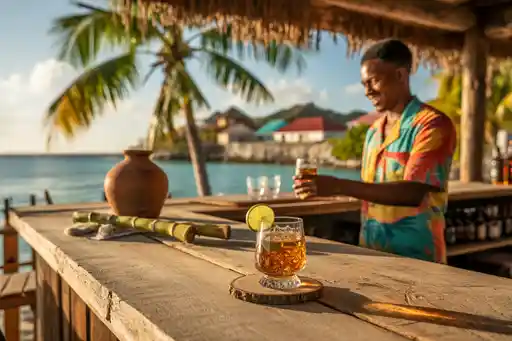
Image generated with Ai
Caribbean rum tourism, Caribbean rum distillery tours, Caribbean cultural tourism, Mount Gay Rum Barbados, Appleton Estate Jamaica, and Caribbean cocktail tourism experiences have been increasingly recognized as key drivers of experiential travel across the region. A growing global interest in immersive tourism has led to rum production sites, historic distilleries, and cocktail culture experiences being transformed into major visitor attractions that connect heritage, storytelling, and local economic development.
Across island nations such as Barbados, Jamaica, and the Bahamas, rum has long been associated with cultural identity, colonial history, agricultural traditions, and social life. Today, that heritage is being repackaged into structured tourism experiences that attract international visitors seeking authenticity, education, and cultural connection.
The Caribbean region, which is home to more than 75 rum producers, has positioned rum not only as a beverage export but also as a cultural tourism asset capable of strengthening national brands and supporting sustainable economic growth.
How Rum Heritage Became a Powerful Tourism Attraction
Rum production in the Caribbean is deeply rooted in centuries of history. Sugarcane cultivation, distillation techniques, and maritime trade routes have all contributed to the development of a cultural legacy that continues to shape island identities.
Advertisement
Advertisement
In destinations such as Barbados, Jamaica, and the Bahamas, rum is no longer viewed solely as an export product. Instead, it has been transformed into an experiential tourism product that allows visitors to engage directly with history and production processes.
Advertisement
Advertisement
Historic brands such as Mount Gay Rum in Barbados and Appleton Estate in Jamaica have played a significant role in shaping this transformation. Distillery tours have been developed to offer guided experiences that explain fermentation, aging, blending, and tasting processes while also sharing stories about local heritage and community traditions.
Visitors are increasingly being drawn to experiences that go beyond passive sightseeing. Instead of simply consuming a product, travelers are being encouraged to understand its origins, cultural meaning, and production journey.
Distillery Experiences Are Becoming Central to Caribbean Tourism
Rum distilleries across the Caribbean have been repositioned as major tourist attractions. Structured tours have been designed to offer visitors an in-depth understanding of how rum is produced, from sugarcane harvesting to barrel aging.
Advertisement
Advertisement
Interactive experiences are being emphasized as a key part of visitor engagement. Tastings, guided walks through aging warehouses, and educational storytelling sessions are being incorporated into tourism offerings to create memorable and immersive experiences.
At Appleton Estate in Jamaica, visitors are exposed to traditional distillation methods combined with modern production techniques, offering insight into how one of the country’s most iconic spirits is crafted. Similarly, Mount Gay Rum in Barbados has been recognized as one of the world’s oldest rum brands, with its heritage playing a central role in attracting cultural tourism.
Advertisement
Advertisement
These experiences are helping to position rum distilleries as cultural landmarks rather than purely industrial facilities.
Economic Impact of Rum Tourism Across Island Communities
The rise of rum tourism has generated significant economic benefits across the Caribbean region. Tourism activity linked to rum production has contributed to job creation, increased visitor spending, and expanded opportunities for local businesses.
Employment opportunities have been created in distilleries, hospitality services, transportation, retail, and tour operations. Rural communities involved in sugarcane farming and agricultural supply chains have also benefited from increased demand linked to tourism activities.
Foreign exchange earnings generated through tourism have strengthened national economies, particularly in countries where tourism plays a central role in economic development.
In Jamaica, the concept of Brand Jamaica has been reinforced through cultural exports such as music, cuisine, and rum, all of which are closely linked to tourism promotion strategies. Rum tourism has therefore been integrated into broader national branding efforts aimed at strengthening international visibility.
Advertisement
Advertisement
Expansion of Caribbean Cocktail Culture Tourism
Beyond traditional distillery tours, rum tourism has expanded into cocktail culture experiences that highlight creativity, innovation, and regional collaboration.
Initiatives such as the Caribbean Cocktail Tour have been developed to connect bars, mixologists, and hospitality venues across multiple islands. Destinations including Grand Cayman and Puerto Rico have become part of this growing network of cocktail-focused tourism experiences.
Bartenders and mixologists are being recognized as cultural storytellers who use local ingredients, traditional recipes, and modern techniques to create drinks that reflect regional identity. Visitors are being encouraged to explore not only the taste of rum but also the cultural narratives behind each cocktail.
This expansion into cocktail tourism has strengthened inter-island cooperation within the hospitality sector while creating new opportunities for culinary and beverage tourism development.
Shift Toward Immersive and Participatory Travel Experiences
Modern tourism trends in the Caribbean have increasingly shifted toward immersive and participatory experiences. Travelers are no longer content with passive observation and are instead seeking meaningful engagement with local culture and traditions.
Advertisement
Advertisement
Rum tourism has aligned closely with this shift by offering hands-on experiences, educational opportunities, and cultural storytelling. Visitors are actively involved in tasting sessions, production demonstrations, and guided discussions that deepen their understanding of Caribbean heritage.
This approach has been recognized as part of a broader transformation in global tourism, where emotional connection and authenticity are becoming key drivers of travel decisions.
By integrating education, participation, and storytelling, rum tourism has positioned itself as a leading example of experiential travel in the region.
Industry Resilience and Global Brand Strengthening
Rum tourism has also played an important role in strengthening the resilience of Caribbean spirits brands in a competitive global alcohol market. As international beverage industries experience fluctuations in demand, experiential tourism has provided an alternative revenue stream and marketing channel.
Distillery experiences have been used to build brand loyalty by allowing consumers to connect directly with production processes and heritage narratives. Visitors who engage in tourism experiences are often more likely to purchase premium products and develop long-term brand preference.
Advertisement
Advertisement
This trade-up effect has contributed to increased sales of higher-end rum products and has strengthened the global positioning of Caribbean rum brands.
By combining tourism, culture, and production, the industry has been able to maintain relevance while adapting to changing consumer behavior trends.
A Growing Global Tourism Segment Rooted in Culture and Storytelling
The expansion of rum tourism across the Caribbean reflects a broader global shift toward culturally immersive travel experiences. Destinations are increasingly being evaluated not only for their natural beauty but also for their cultural depth, authenticity, and storytelling potential.
In the Caribbean, rum has become a symbol of heritage, identity, and community resilience. Through distillery tours, cocktail experiences, and cultural storytelling, tourism has been transformed into a medium through which history and tradition are actively shared with global audiences.
As visitor demand continues to grow, rum tourism is expected to remain a vital component of Caribbean tourism strategies, supporting economic development while preserving and promoting the region’s rich cultural heritage.
Advertisement
