
Uruguay Aligns with Colombia and Argentina Unveiling Massive Cruise Expansion in Q4 2026

Published
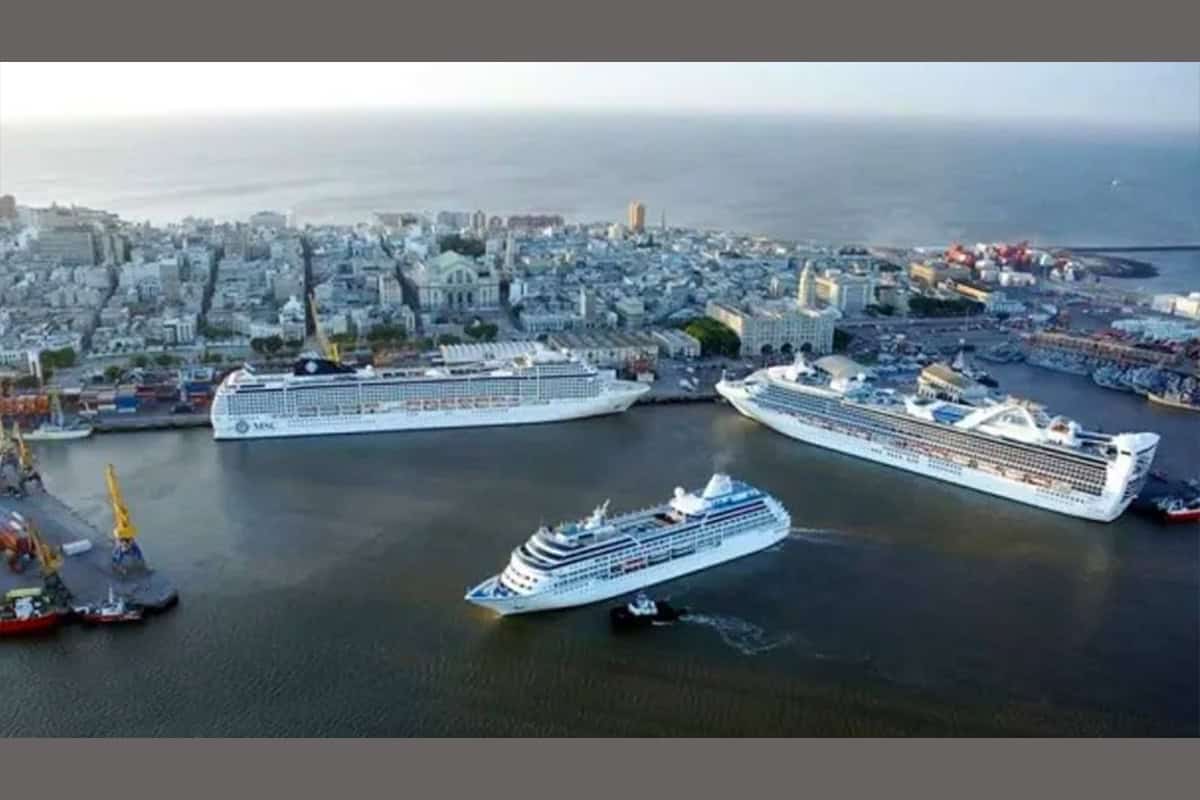
Image generated with Ai
The global maritime tourism landscape is undergoing a phenomenal transformation, and the Uruguay cruise expansion 2026 stands at the epicentre of this maritime renaissance. Following a record-breaking influx of visitors, South America has cemented its status as a premier global destination. By forging strategic alignments with maritime heavyweights Colombia and Argentina, Uruguay is unveiling an unprecedented infrastructure and policy upgrade for Q4 2026. This comprehensive tri-nation collaboration aims to redefine the cruise industry, stimulate billion-dollar economic growth, and introduce sustainable port initiatives. For international travellers, port authorities, and the broader hospitality sector, these latest governmental developments signify a revolutionary leap.
South America has historically maintained a prestigious position within the global cruise industry, attracting vessels eager to navigate the pristine waters of the Southern Cone, the vibrant Caribbean coastlines, and the awe-inspiring Patagonian fjords. Prior to 2026, the region experienced fluctuating arrival metrics dictated by global economic constraints and infrastructural bottlenecks. However, national tourism boards and government ministries recognised the untapped potential of a unified maritime strategy. Countries like Uruguay, Colombia, and Argentina began investing heavily in deep-water dredging, terminal modernisation, and streamlined customs procedures to accommodate the next generation of mega-ships. The foundational groundwork laid over the past five years has culminated in the Uruguay cruise expansion 2026, a highly orchestrated masterplan that shifts the regional paradigm from competition to profound bilateral and trilateral cooperation. By establishing a unified front, these nations are presenting international cruise conglomerates with an irresistible proposition: seamless itineraries spanning multiple diverse cultures, climates, and geographic wonders.
The Strategic Positioning of the Southern Cone and Caribbean
Uruguay, Argentina, and Colombia represent three distinct yet highly complementary maritime environments, creating an unparalleled itinerary loop for major cruise lines. Colombia acts as the northern gateway, possessing world-class Caribbean facilities in the Port of Cartagena and Santa Marta, alongside emerging Pacific capabilities in Buenaventura. Conversely, Uruguay and Argentina dominate the Southern Cone. The Port of Montevideo and Punta del Este offer deep-water access and luxurious resort anchorages, respectively, serving as vital transit hubs before vessels journey further south towards Argentina’s Port of Buenos Aires, Puerto Madryn, and the ultimate gateway to Antarctica, Ushuaia. This geographic synergy allows cruise operators to design extended 14-to-21-day voyages that capture the essence of South America. The Q4 2026 announcements underscore how this natural geographic advantage is finally being leveraged through synchronised port tariffs, shared environmental sustainability protocols, and joint international marketing campaigns spearheaded by respective tourism ministries.
Latest Official Developments in Q4 2026
The Groundbreaking Aviation and Maritime Synergy
One of the most consequential developments enabling the Uruguay cruise expansion 2026 is the historic “Open Skies” bilateral agreement officially signed between Uruguay and Argentina in September 2026. Negotiated by their respective foreign ministries, this landmark aviation treaty dramatically relaxes air transport regulations, effectively multiplying flight frequencies between Buenos Aires and Montevideo. While fundamentally an aviation policy, its direct impact on the maritime sector is immense. It facilitates the highly lucrative “fly-cruise” model, allowing international passengers arriving in Buenos Aires via massive intercontinental flights to seamlessly connect to Montevideo to board their cruise ships. This logistical fluidity mitigates previous bottlenecks and provides cruise lines with the confidence to designate Montevideo not just as a port of call, but as a premier homeport. The synchronisation of aviation and maritime logistics in Q4 2026 is a textbook example of multi-sectoral government planning designed to maximise foreign exchange earnings and elevate the passenger experience.
Advertisement
Advertisement
Colombia’s Strategic Caribbean and Pacific Advancements
Simultaneously, the Colombian government has accelerated its port operations to align with the Southern Cone’s momentum. Official reports from early to mid-2026 highlight that Colombia welcomed a surging number of cruise passengers, driven by the arrival of new vessel classes and a strategic pivot towards emerging ports. While Cartagena remains the undisputed crown jewel of Colombian cruising, government initiatives have heavily promoted Buenaventura on the Pacific coast and the ecological paradise of the Magdalena River for specialised river cruising. The alignment with Uruguay and Argentina is evident in Colombia’s adoption of similar terminal modernisation frameworks. By ensuring that their port facilities can independently handle the massive influx of tourists generated by hemispheric itineraries, Colombia ensures that ships journeying down the Atlantic coast or through the Panama Canal towards Uruguay and Argentina encounter consistent, world-class infrastructure at every stop.
Official Government Announcements Driving the Tri-Nation Agenda
Uruguay’s Ministry of Tourism Declarations
The vanguard of this regional transformation is heavily driven by verified data and ambitious targets set by Uruguayan authorities. According to the Ministerio de Turismo (Mintur) and the Administración Nacional de Puertos (ANP), the previous 2025-2026 season served as a monumental proof of concept, successfully registering the arrival of 132 cruise ships. Breaking down the figures, 98 vessels recalated in Montevideo while 34 anchored in Punta del Este, cumulatively bringing 242,086 cruise passengers to Uruguayan shores. Building upon this extraordinary success, Q4 2026 has witnessed the government unveiling expanded operational blueprints. The national strategy explicitly focuses on maintaining high passenger volumes while simultaneously attracting ultra-luxury and expedition vessels that yield higher per-capita spending. Official announcements confirm that berth allocations for the upcoming seasons have been meticulously mapped out, ensuring that the Port of Montevideo can concurrently host multiple mega-ships without compromising operational efficiency or the passenger embarkation experience.
Advertisement
Advertisement
Argentina’s Port Authority and Bilateral Integration
The Administración General de Puertos (AGP) in Argentina has echoed Uruguay’s expansionist sentiments, establishing a cooperative dialogue that defines the Q4 2026 landscape. Buenos Aires, traditionally one of the busiest passenger ports in the Southern Hemisphere, has committed to extensive terminal upgrades at the Quinquela Martín Terminal. The Argentine Ministry of Tourism and Sports has publicly aligned its promotional strategies with Uruguay, recognising that a robust maritime circuit requires both nations to operate flawlessly. Official announcements in late 2026 have confirmed that Argentina is actively streamlining its immigration and customs protocols for cruise passengers traversing the Rio de la Plata. This bilateral integration ensures that vessels travelling between Buenos Aires, Montevideo, and Punta del Este face zero bureaucratic delays, thereby allowing cruise operators to maximise shore excursion times and enhance overall passenger satisfaction.
ProColombia’s Demographic and Connectivity Insights
In the northern theatre of this alliance, ProColombia—the government agency responsible for promoting non-traditional exports, international tourism, and foreign investment—has released highly illuminating demographic data that shapes the tri-nation strategy. According to the Colombian Association of Travel and Tourism Agencies (ANATO), a staggering 65.2% of international travellers arriving in Colombia during the first quarter of 2026 were aged between 18 and 49. This represents a profound paradigm shift in cruise demographics, pivoting from traditional retiree markets towards younger, highly active demographics seeking gastronomy, adventure, and cultural immersion. Recognising this trend, the tri-nation alignment has adapted its maritime offerings. The government agencies of Colombia, Uruguay, and Argentina are now collectively promoting dynamic shore excursions that cater to this younger cohort, focusing on sustainable tourism, indigenous heritage, culinary tours, and extreme sports, thereby modernising the perception of South American cruising.
Advertisement
Advertisement
Hard Statistics: Verifying the 2026 Cruise Boom
Passenger Volumes and Port Call Metrics
Data fidelity is crucial when analysing the magnitude of the Uruguay cruise expansion 2026. Official records from Uruguay’s national statistics platforms reveal that the 242,086 passengers from the 2025-2026 season injected millions of dollars directly into the local economies of Montevideo and Maldonado. Looking forward, projections for the late 2026 and 2027 seasons indicate robust berth bookings. The ANP has confirmed over 100 scheduled scales specifically for Montevideo, alongside approximately 40 for Punta del Este. These verified figures demonstrate a stabilised, high-yield maritime sector. When combined with Argentina’s projected influx at Ushuaia—the primary gateway for Antarctic expedition cruises—and Colombia’s dominance in the Caribbean basin, the tri-nation alliance commands a substantial percentage of the global maritime tourism market share.
World Travel & Tourism Council (WTTC) Economic Forecasts
The economic implications of this expansion are heavily validated by the World Travel & Tourism Council (WTTC). In their authoritative mid-2026 sector reports, the WTTC provided verified forecasts indicating that Argentina’s Travel & Tourism sector would grow by an impressive 4.9% throughout 2026. Even more striking is the projection for Colombia, which is anticipated to record a phenomenal growth rate of 5.7%. These figures vastly outpace the global average, reinforcing Central and South America’s status as the most dynamic emerging markets in the world. The cruise sector is a massive contributor to these percentages. The coordinated expansion announced in Q4 2026 is deliberately engineered to capture and sustain this growth trajectory. By upgrading port infrastructure and expanding maritime capacities, the governments of Uruguay, Argentina, and Colombia are ensuring that their national GDPs directly benefit from this forecasted economic windfall.
Policy Implications for a Unified Cruise Framework
Infrastructure Upgrades and Environmental Sustainability
A central pillar of the Uruguay cruise expansion 2026 is the rigorous implementation of environmentally sustainable port policies. As global maritime regulations—such as those dictated by the International Maritime Organization (IMO)—become increasingly stringent regarding carbon emissions and waste management, the tri-nation alliance is proactively upgrading its infrastructure. Official policy documents reveal substantial government investments in onshore power supply (OPS) facilities, colloquially known as cold ironing. This allows massive cruise ships to plug into the local electrical grid and shut down their diesel engines while berthed in Montevideo, Buenos Aires, or Cartagena, thereby drastically reducing local air pollution and greenhouse gas emissions. Furthermore, the ministries have introduced strict mandates concerning ballast water management and zero-discharge zones in ecologically sensitive areas, ensuring that the surge in vessel traffic does not compromise the pristine marine environments that attract tourists in the first place.
Customs Harmonisation and Seamless Passenger Transit
Bureaucratic friction has historically hindered multi-country itineraries. To resolve this, Q4 2026 has seen the implementation of unprecedented customs harmonisation policies between Uruguay, Argentina, and Colombia. Leveraging advanced digital biometric scanning and unified pre-clearance protocols, government border agencies are effectively creating a maritime Schengen-style zone for vetted cruise passengers. Once a passenger clears exhaustive security and immigration checks at their initial port of embarkation—be it Cartagena or Buenos Aires—their transit through the subsequent ports of the aligned nations is dramatically expedited. This policy innovation drastically reduces the hours passengers previously spent in immigration queues, directly translating into increased onshore time. Consequently, this maximises passenger spending in local boutiques, restaurants, and cultural institutions, fulfilling the core economic objectives of the respective tourism ministries.
Advertisement
Advertisement
Industry Impact: Cruise Lines Bolster South American Deployments
Mega-Ships and the Mass Market Expansion
The official alignment and the infrastructural readiness announced in Q4 2026 have triggered a massive response from the world’s leading cruise conglomerates. MSC Cruises, long a dominant force in South America, has confirmed the deployment of a formidable five-ship fleet for the late 2026 to 2027 seasons, including the magnificent MSC Seaview, MSC Virtuosa, MSC Divina, and MSC Splendida. Costa Cruises has similarly fortified its regional presence, demonstrating immense confidence in the stability and profitability of the Uruguay-Argentina-Colombia circuit. The deployment of these mega-ships—capable of carrying between 4,000 and 6,000 passengers each—requires ports with immense logistical capabilities, deep draughts, and vast passenger terminal spaces. The successful execution of the Uruguay cruise expansion 2026 assures these corporations that their multi-billion-dollar vessels will be accommodated with world-class efficiency and safety standards.
The Rise of Expedition and Luxury Cruising
Parallel to the mass market explosion, the tri-nation alliance is actively targeting the ultra-luxury and expedition segments. Uruguay inaugurated its recent seasons with the arrival of ultra-luxury vessels like the Scenic Eclipse, while boutique lines such as Explora Journeys and Four Seasons Yachts have earmarked South American ports for their 2026 and 2027 deployments. These vessels carry fewer passengers—typically between 100 and 500—but boast astronomically higher per-capita spending metrics. The policies implemented by Colombia, Uruguay, and Argentina cater perfectly to this demographic by facilitating bespoke, highly exclusive shore excursions. From private tango viewings in Buenos Aires and exclusive vineyard tours in Uruguay’s Garzón region, to private access to Colombia’s walled city of Cartagena, the government-backed infrastructure upgrades ensure that high-net-worth individuals receive frictionless, premium experiences, thereby elevating the region’s prestige on the global luxury travel map.
Economic Implications: Beyond the Ports
Direct Revenue and Foreign Exchange Generation
The economic mechanics of the Uruguay cruise expansion 2026 are staggering in their scale. Cruise tourism acts as a massive generator of foreign exchange, directly injecting hard currency (predominantly USD and Euros) into the national banking systems of Uruguay, Colombia, and Argentina. Port fees, piloting charges, and bunkering (refuelling) services generate massive, immediate revenue for state-owned port authorities like the ANP and AGP. Furthermore, official statistics dictate that the average cruise passenger spends a calculated daily minimum on shore excursions, dining, and retail. When multiplied by the hundreds of thousands of passengers projected to arrive following the Q4 2026 expansion, the direct revenue streams equate to hundreds of millions of dollars annually. This liquidity is crucial for national economic stability, debt servicing, and funding further public infrastructure projects.
Supply Chain and Ancillary Sector Growth
The economic footprint of the cruise industry extends far beyond the immediate port vicinity, creating a vast multiplier effect throughout the national supply chains. Mega-ships require colossal amounts of provisions—fresh produce, meats, dairy, and beverages. Through new government procurement frameworks established in 2026, there is a concerted policy push to mandate that cruise lines source a significant percentage of their provisions from local agricultural sectors in Uruguay, Argentina, and Colombia. This empowers local farmers, logistics companies, and wholesale distributors, integrating them into the lucrative global maritime supply chain. Additionally, the demand for maritime maintenance, waste disposal, and technical servicing has catalysed the growth of specialised maritime engineering firms within these nations, fostering high-skilled job creation and technological transfer.
Tourism, Business, and Public Impact
Empowering Small and Medium-Sized Enterprises (SMEs)
The most palpable, human-centric impact of this tri-nation maritime expansion is felt by the Small and Medium-Sized Enterprises (SMEs) that form the backbone of the local economies. In Montevideo’s Mercado del Puerto, Buenos Aires’ San Telmo, and Cartagena’s historic centre, artisanal craftsmen, independent tour operators, and family-owned restaurateurs are the primary beneficiaries of the increased footfall. The government ministries have actively rolled out training programmes and micro-financing grants in Q4 2026 to help these SMEs elevate their service standards, adopt digital payment gateways, and offer multilingual services. By empowering the local business community, the governments ensure that the economic benefits of the cruise boom are distributed equitably, fostering grassroots prosperity and mitigating the risks of economic monopolisation by massive multinational tour operators.
Cultural Exchange and Community Integration
Beyond mere economics, the South American maritime tourism boom fosters invaluable cultural exchange. The influx of diverse, global demographics into the ports of Colombia, Uruguay, and Argentina promotes a vibrant mingling of cultures, ideas, and traditions. However, the respective governments are acutely aware of the dangers of overtourism. To combat this, the Q4 2026 policy frameworks include stringent carrying-capacity studies and staggered shore excursion schedules. By dispersing tourists across wider geographic areas—such as encouraging visits to Uruguay’s interior estancias rather than congregating solely in Montevideo’s Old City—the authorities ensure that local communities are not overwhelmed. This sustainable approach preserves the authentic cultural fabric of the host nations, ensuring that the interaction between locals and tourists remains genuinely welcoming and mutually enriching.
Advertisement
Advertisement
Expert Perspectives and Verified Official Statements
Insights from National Statistical Offices
The narrative of growth is firmly anchored in empirical data released by national statistical offices. Official spokespersons from the Ministerio de Turismo in Uruguay have frequently highlighted that the recovery and subsequent expansion of the cruise sector is not a product of chance, but of aggressive, calculated state intervention and international marketing. Similarly, ProColombia has published extensively on how their presence in international maritime conventions—such as Seatrade Cruise Global—has successfully positioned the Colombian coast as an indispensable asset for any Caribbean or South American itinerary. These official bodies have categorically stated that the cooperative agreements solidified in late 2026 are intended to permanently lock in market share, insulating the region against global economic fluctuations by offering an undeniably superior tourism product.
Alignment with International Organisations (UN Tourism, ICAO)
The tri-nation strategy has also been meticulously aligned with the frameworks established by major international organisations, including UN Tourism (formerly UNWTO) and the International Civil Aviation Organization (ICAO). The recent Open Skies agreement between Uruguay and Argentina heavily references ICAO’s best practices for regional connectivity, proving that these nations are playing by international gold standards. Furthermore, the sustainability metrics and community integration policies mandated for the port expansions adhere closely to UN Tourism’s Sustainable Development Goals (SDGs). By transparently publishing their data and conforming to these rigorous international standards, Uruguay, Colombia, and Argentina have effectively mitigated investment risk, making their shores highly attractive to foreign direct investment (FDI) aimed at hospitality and maritime infrastructure.
Future Outlook: The Q4 2026 Catalyst for 2027 and Beyond
Preparing for the Next Generation of Ocean Travel
As the immediate ramifications of the Q4 2026 announcements begin to materialise, the focus of port authorities and tourism ministries is already shifting towards the horizon of 2028 and 2030. The maritime industry is rapidly evolving, with vessels becoming increasingly reliant on liquefied natural gas (LNG) and experimental hydrogen fuel cells. The tri-nation alliance is proactively conducting feasibility studies to construct advanced LNG bunkering facilities in Montevideo, Buenos Aires, and Cartagena. By anticipating the technological requirements of the next generation of ocean travel, these nations are ensuring that they do not face infrastructural obsolescence. The commitment to continuous modernisation guarantees that South America will remain a compatible and highly desirable destination for the world’s most advanced and environmentally friendly cruise ships.
Securing Long-Term Regional Dominance
Ultimately, the strategic alignment unveiled in late 2026 transcends mere tourism; it is a profound geopolitical and economic statement. By acting as a unified maritime bloc, Colombia, Uruguay, and Argentina have effectively secured long-term regional dominance in the Southern Hemisphere’s cruise market. The Uruguay cruise expansion 2026 serves as the vital linchpin connecting the vibrant Caribbean offerings to the rugged allure of Patagonia and Antarctica. As global travellers increasingly seek out comprehensive, multi-country experiences that offer both luxury and authentic cultural immersion, this tri-nation corridor stands completely unrivalled. Guided by verified statistics, visionary government policy, and robust infrastructural investment, the future of South American maritime tourism is undoubtedly secure, prosperous, and boundlessly expansive.
Advertisement
