
Tokyo Tourism Overhaul: Shinjuku Targets Short-Term Lodgings Amid Rising Community Complaints

Published
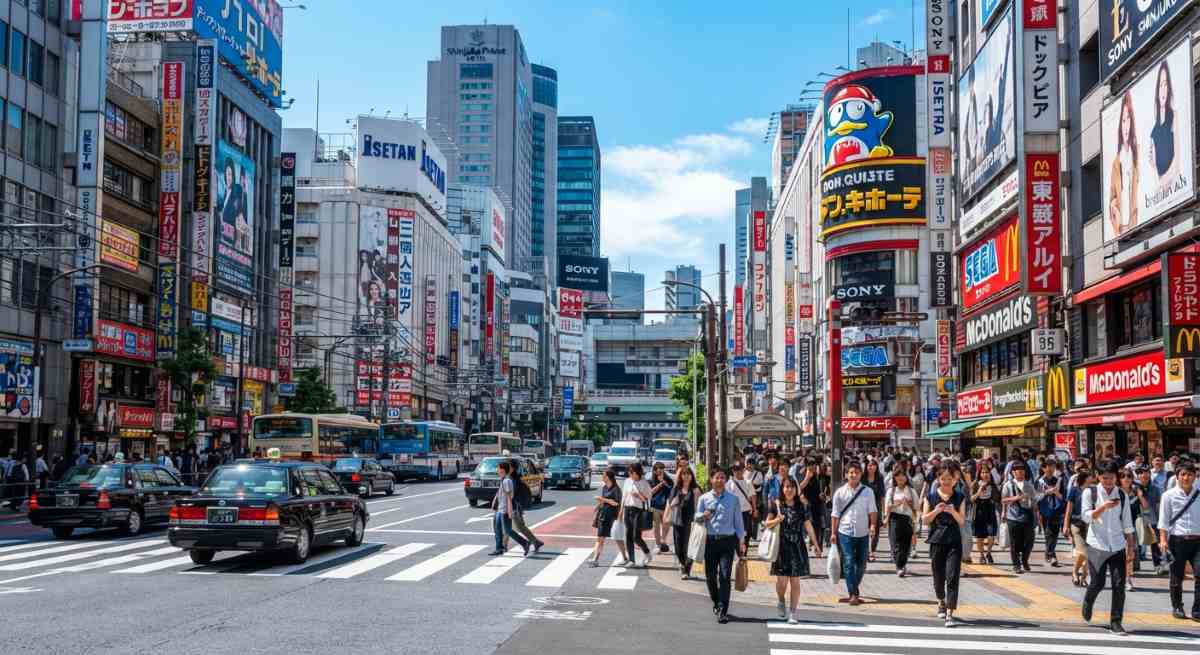
The urban landscape of Tokyo has experienced profound shifts in recent years, largely driven by a remarkable surge in international tourism. As global visitor numbers have reached unprecedented heights across Japan, various municipal authorities have found themselves grappling with the complexities of mass tourism. Within this dynamic environment, Shinjuku Ward stands out as a prominent commercial and entertainment hub, hosting the largest concentration of short-term accommodations in the country. Data compiled by the Japan Tourism Agency indicated that 3,775 registered short-term rental properties operated within the ward as of July 15. However, the coexistence of transient visitors and permanent residents has grown increasingly tense. Local government officials noted that complaints regarding short-term rentals, frequently associated with platforms like Airbnb, escalated by roughly 40 percent during the fiscal year ending in March.
The primary catalysts behind this administrative intervention involve a continuous stream of grievances filed by local inhabitants. These complaints frequently highlight violations of established municipal rules, such as improper garbage disposal, unauthorized trespassing, illicit smoking in non-designated zones, and disruptive noise disturbances during late hours. Because Shinjuku maintains a substantial permanent residential population alongside its bustling tourist attractions, the lifestyle friction generated by temporary guests directly impacts daily community stability. In response to these escalating tensions, the Japan Tourism Agency along with other relevant government bodies issued a notification in July empowering local municipalities to effectively restrict or ban short-term rentals through local ordinances. This policy shift permits local governments to intervene when private lodging businesses are determined to threaten peaceful living and educational environments or hinder the maintenance of permanent local communities.
Advertisement
Advertisement
Impact on Travellers
The impending regulatory transformation within Shinjuku Ward introduces significant adjustments for incoming visitors and international tourists who typically rely on private apartments and short-term home-sharing networks. With the local administration planning to implement a general ban on vacation rentals in residential areas and locations near schools, the availability of these lodging options is anticipated to shrink drastically. Ward estimates suggest that approximately 2,000 out of the 3,775 registered properties may be forced to cease operations under the new policy framework. Consequently, travelers seeking accommodation in Tokyo will encounter a more restricted selection of budget-friendly or apartment-style lodgings, particularly within quieter neighborhoods.
Furthermore, the enforcement of these rules will extend to existing properties already in operation rather than solely restricting future registrations. Visitors who have historically preferred neighborhood-based apartments for extended stays or family travel will need to adjust their lodging strategies, pivoting heavily toward traditional commercial hotels, inns, or designated accommodation providers located outside restricted zones. While the policy aims to restore neighborhood tranquility, it simultaneously redefines the lodging experience for tourists, steering them away from residential quarters and channeling them into designated commercial districts where temporary accommodations remain legally permissible.
Advertisement
Advertisement
Industry insights
From an economic and industrial perspective, the decisive regulatory action taken by Shinjuku Ward highlights a broader global trend where popular tourist destinations are aggressively scaling back unregulated short-term rental markets. Cities across the globe, including New York City and Barcelona, have previously introduced rigorous constraints on platforms like Airbnb to mitigate housing shortages and community friction. Within Japan, the policy shift marks a distinct departure from earlier governmental stances that cautioned against over-regulating the private lodging sector, known locally as the Minpaku industry, for fear of dampening tourism promotion.
Industry observers note that the intervention by the Japan Tourism Agency in July has shifted the legal balance, granting municipalities substantial autonomy to prioritize resident welfare over short-term commercial expansion. Other regional areas, such as Kyoto, are similarly exploring or implementing stricter regulations to curb the proliferation of private lodgings in residential and industrial zones. For property operators and real estate investors within Shinjuku, the impending ordinance signals a challenging operational climate. The forced closure of thousands of listings and potential restrictions on operating days in remaining commercial districts underscore the vulnerability of relying exclusively on short-term rental business models in densely populated urban centers.
Advertisement
Advertisement
Practical information
For prospective visitors, property owners, and stakeholders navigating the changing regulatory terrain of Tokyo, several administrative procedures and timelines dictate the implementation of the new policy. Local officials in Shinjuku plan to solicit public comments on the proposed ordinance amendments before submitting formal changes to the ward assembly. The stricter guidelines are projected to take effect as the policy framework advances through municipal legislative channels.
Under the proposed guidelines, vacation rentals will be fundamentally prohibited in areas zoned exclusively for residential use and designated educational districts. Existing operators affected by the mandate will be provided with specific grace periods following the official enactment to wind down operations. Additionally, municipal authorities are evaluating auxiliary measures, such as reducing the maximum allowable operating days for commercial-zone properties from the current 180 days down to 120 days annually. Operators who continue to function in permitted zones may face rigorous compliance mandates, including the installation of noise-monitoring technology and entrance surveillance cameras to ensure guest adherence to community standards.
Advertisement
Advertisement
Comparison with previous policies or developments
When evaluated against historical precedents, the current regulatory tightening in Shinjuku represents a dramatic pivot in municipal governance. Previously, the expansion of private accommodations was actively encouraged to accommodate surging visitor numbers and diversify lodging infrastructure ahead of major international events. Existing national legislation under the Private Lodging Business Act permitted homeowners to lease properties for up to 180 days annually, with localized restrictions remaining relatively flexible or lenient.
However, as public dissatisfaction mounted—evidenced by a significant rise in municipal complaints—the framework underwent a structural reassessment. Earlier approaches focused heavily on penalizing individual non-compliant operators or managing infractions on a case-by-case basis. Because this enforcement mechanism proved increasingly inadequate against a rapidly growing volume of listings, recent developments have shifted toward preventative zoning prohibitions. By banning rentals entirely in residential and school zones—and applying these bans retroactively to existing listings—Shinjuku Ward has moved beyond mere punitive oversight, establishing a rigorous defensive posture designed to permanently safeguard local residential integrity against the pressures of mass tourism.
Advertisement
