
UK Powers Ahead with France and Germany as Spain Tourism Hits New Heights with 70.4 Million Visitors and Nearly €100 Billion Spending

Published
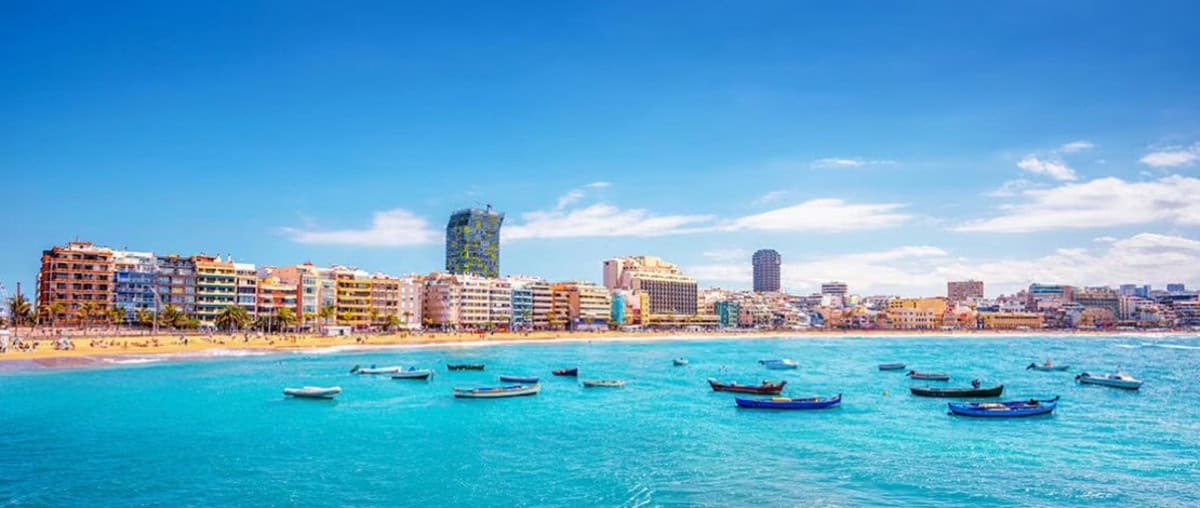
Spain welcomed a record 12.26 million international tourists in August 2026, taking arrivals during the first eight months of the year to 70.36 million, as strong demand from the United Kingdom, France, Germany, the United States and other international markets pushed the country’s tourism economy deeper into record territory. Official data released by Spain’s National Statistics Institute on 2 October show that August arrivals increased 9.2% year on year, while international visitors spent €17.84 billion during the month. Between January and August, foreign tourist expenditure reached €99.89 billion, showing why Spain’s expanding visitor economy remains critical to hotels, airports, airlines, resorts, restaurants, attractions and regional destinations.
The latest numbers reveal an important shift beneath the headline arrival figures. International tourist numbers increased 5.4% during January-August, but visitor expenditure rose 8%. Spain is therefore generating tourism revenue faster than it is adding visitors. That difference strengthens the industry’s economic performance while raising a more complex question for destinations already managing heavy summer demand: how to continue growing tourism value without depending entirely on ever-larger visitor volumes.
Spain’s Latest Tourism Numbers at a Glance
The August figures provide one of the clearest pictures yet of the extraordinary scale of Spain’s international visitor economy in 2026.
| Tourism indicator | August 2026 | Annual change | January-August 2026 |
|---|---|---|---|
| International tourists | 12.26 million | +9.2% | 70.36 million |
| International tourist spending | €17.84 billion | +9.2% | €99.89 billion |
| Average spending per tourist | €1,455 | broadly flat | — |
| Average daily spending | €202 | +1.9% | — |
| Average stay | 7.2 days | -1.9% | — |
| Hotel accommodation users | 8.04 million | +6.6% | 45.52 million |
| Rental accommodation users | 1.57 million | +13.7% | 9.23 million |
The relationship between arrivals and spending is particularly significant for the travel sector. Spain is not merely receiving more travellers. The overall amount of money generated by those international trips is rising at a faster pace. That trend is visible in daily expenditure. Visitors spent an average of €202 per person per day in August, 1.9% more than a year earlier, even though the average length of stay declined 1.9% to 7.2 days.
Advertisement
Advertisement
United Kingdom Keeps Its Commanding Position in Spain’s International Market
British travellers remain central to Spain‘s tourism performance. The United Kingdom generated 2.41 million tourists in August, representing annual growth of 9.3%. France followed with 2.06 million, an increase of 2.1%, while Germany generated 1.36 million visitors, up 4.5%. The UK therefore supplied almost one in five international tourists arriving in Spain during the month.
The pattern becomes even clearer when the first eight months are examined. More than 13.92 million UK residents visited Spain between January and August, an increase of 5.4%. France contributed approximately 9.28 million, while Germany supplied 8.24 million. Those three European markets alone accounted for more than 31 million international visitors during the first eight months of 2026.
Advertisement
Advertisement
Arrivals from the United States surged 31.9% in August to 481,911, making the US one of the most striking high-growth international markets. Switzerland recorded another substantial increase, with arrivals rising 29.3% to 249,032. Other international markets also expanded strongly. The wider group of European markets outside Spain’s individually reported major sources generated more than 1.2 million visitors in August, up 24.3%, while arrivals from the rest of the Americas increased 14.1%. This broadening demand gives Spain greater geographical diversity even as the UK, France and Germany continue to dominate overall volumes.
Balearic Islands Take the August Crown as Spain’s Mediterranean Resorts Fill Up
Spain’s international tourism boom is not distributed evenly. The Balearic Islands were the country’s biggest destination during August, receiving approximately 2.60 million international tourists. Mallorca, Ibiza, Menorca and the other islands collectively captured 21.2% of Spain’s international arrivals. Tourist numbers in the Balearics increased 2.6% year on year.
Catalonia ranked second, attracting 2.38 million visitors, equivalent to 19.4% of Spain’s August total. International arrivals increased a much stronger 9.1%, sustaining demand across Barcelona, the Costa Brava and other Catalan destinations. The most dramatic expansion among the three largest August destinations came from Andalusia.
The southern Spanish region welcomed more than 2.06 million international tourists, an extraordinary 21.3% increase from August 2025. It accounted for 16.8% of all international arrivals into Spain during the month. The figures point towards increasingly powerful tourism demand for southern Spain, where major city destinations, Mediterranean resorts and cultural attractions create a broad tourism proposition.
Catalonia Remains Spain’s Biggest Destination Across the Year
The August rankings change when the entire January-August period is considered. Catalonia remained Spain’s number-one destination, receiving approximately 14.32 million international tourists during the first eight months of 2026. That represented growth of 3.9%. The Balearic Islands followed with 11.76 million visitors, up 2%, while Andalusia reached 11.08 million, representing impressive growth of 10.4%.
The Valencian Community also recorded considerable expansion. It welcomed 1.68 million tourists in August, 9.4% more than a year earlier, and accumulated approximately 9.40 million visitors between January and August, representing 9% growth. Madrid received around 776,900 international visitors in August, an increase of 13.2%, while its January-August total reached approximately 6.59 million, up 10%. The destination figures show that Spain’s tourism expansion is becoming a broader national story rather than one driven exclusively by its famous island and Mediterranean resort markets.
Advertisement
Advertisement
Tourists Spend €17.84 Billion in Spain in Just One Month
The scale of August tourism becomes even more apparent when visitor expenditure is considered. International tourists spent €17.838 billion during August, an increase of 9.2% from the same month in 2025. That lifted cumulative international tourism expenditure during January-August to €99.892 billion, 8% higher year on year. Spain therefore approached the €100 billion mark in international visitor spending before September had even been counted.
Accommodation was the biggest individual expenditure category, accounting for 20.7% of August spending. Visitors spent approximately €3.70 billion on accommodation, an increase of 9.4%. Package holidays represented another 18.5%, generating approximately €3.29 billion, while activities accounted for 18.4%, or around €3.29 billion. International transport represented 18.3% of spending, while food accounted for another 15.2%. Leisure tourism overwhelmingly powered the market. Travellers visiting Spain for leisure generated 91.4% of all international tourism expenditure in August.
British Travellers Lead Spain’s International Tourism Spending
The UK dominates not only arrival volumes but tourism expenditure. British residents generated 18.9% of Spain’s international visitor spending in August, equivalent to approximately €3.37 billion. Spending by British visitors increased 7.6% compared with August 2025.
France accounted for 12.6% of expenditure, generating approximately €2.24 billion, while Germany represented 11.1%, at approximately €1.97 billion. Across January-August, Britain remained Spain’s largest international spending market, generating 17.3% of cumulative expenditure. Germany accounted for 11.2% and France for 8.6%. The concentration illustrates why connectivity between Spain and its principal European markets remains commercially important to the wider visitor economy.
Hotels Dominate but Holiday Rentals Are Growing Much Faster
Hotels remain the foundation of Spain’s international accommodation sector, but one of the most significant developments is taking place outside traditional hotel rooms. Approximately 8.04 million international tourists stayed primarily in hotels during August, an increase of 6.6% from the previous year. Between January and August, hotels accommodated approximately 45.52 million international tourists, 4.2% more than during the equivalent period of 2025. But rental accommodation is expanding substantially faster.
Approximately 1.57 million international tourists used rented homes as their main accommodation in August, representing annual growth of 13.7%. During January-August, rental accommodation attracted approximately 9.23 million tourists, up 11.4%. The difference is striking. August hotel use grew 6.6%, while rented accommodation increased at more than twice that rate.
Advertisement
Advertisement
Overall, approximately 10.20 million tourists used market accommodation in August, including hotels, rented homes and other commercial accommodation. Another 2.06 million used non-market accommodation such as their own homes or properties belonging to relatives and friends. Hotel guests nevertheless generated the greatest spending power. Travellers staying in hotels accounted for 63.4% of total international tourism expenditure, producing approximately €11.32 billion in August, 7.4% more than a year earlier.
Shorter Holidays Are Not Stopping Travellers From Spending More
Another revealing change is taking place in the length and economics of international trips. The most common stay was four to seven nights, selected by more than 5.8 million tourists in August. That segment increased 10.1% compared with the previous year. Overall trip duration nevertheless declined slightly. International tourists stayed an average of 7.2 days, 1.9% fewer than in August 2025.
Yet their average daily expenditure climbed to €202, an increase of 1.9%. Average expenditure per tourist consequently remained almost unchanged at €1,455. For the tourism industry, this suggests visitors are concentrating broadly similar trip budgets into somewhat shorter stays. Hotels, attractions, restaurants, retailers and tourism operators therefore have an opportunity to capture greater expenditure over fewer days.
Air Travel Remains the Essential Gateway to Spain
Air connectivity continues to underpin Spain’s international tourism machine. Approximately 9.23 million of August’s 12.26 million international tourists arrived by air, an increase of 7.3% year on year. Road transport accounted for approximately 2.27 million arrivals, up 3.9%. The most striking proportional increase occurred in maritime travel. More than 720,000 tourists entered Spain by sea, representing growth of 79.1%.
Rail remained comparatively small, with around 35,600 international arrivals, down 13.9%. The numbers demonstrate the continuing importance of airport capacity and international air connectivity to Spain’s tourism economy. Roughly three-quarters of all international tourists entering Spain in August arrived by air.
Spain’s hotel sector also recorded heavy summer demand. Hotel establishments registered more than 48.7 million overnight stays in August, 1.4% higher than a year earlier. Overnight stays by international residents increased 2.8%, while domestic hotel nights declined 1.1%. Mallorca alone recorded more than 8.5 million hotel overnight stays, while Barcelona, Madrid and Calvià ranked among the destinations recording the greatest hotel activity.
Advertisement
Advertisement
Balearics Generate More Than €4 Billion as Madrid Records Premium Daily Spending
Regional expenditure provides another important perspective on Spain’s tourism economy. The Balearic Islands generated approximately €4.07 billion in international tourist spending during August, accounting for 22.8% of Spain’s total. Expenditure increased 4.2%. Catalonia generated approximately €3.33 billion, or 18.7% of the national total, representing 7.2% growth. Andalusia generated approximately €2.80 billion, with spending rising an impressive 18.8%. The Valencian Community generated around €2.39 billion, while the Canary Islands recorded approximately €2.30 billion. Madrid produced around €1.38 billion despite receiving substantially fewer tourists than Spain’s leading Mediterranean destinations.
Its visitors also displayed exceptional spending intensity. Average expenditure reached approximately €334 per tourist per day, the highest among Spain’s principal destination regions in the August figures. Across the first eight months, Catalonia captured the largest proportion of international tourism expenditure at 18.9%, followed jointly by the Balearic and Canary Islands at 16.4% each.
Spain’s Tourism Story Is Increasingly About Value as Well as Volume
Spain’s 2026 tourism performance carries a clear message for the international travel industry. Visitor numbers are continuing to rise, but money flowing through the tourism economy is rising even faster. International arrivals increased 5.4% during January-August, while expenditure increased 8%. That distinction becomes increasingly important as major destinations manage high seasonal demand and pressure on accommodation, transport and local infrastructure.
Spain’s challenge is therefore no longer simply attracting tourists. Its tourism economy already operates at enormous international scale. The greater opportunity lies in generating higher visitor value, spreading tourism more effectively across regions and seasons, and ensuring transport and accommodation capacity can support demand. The latest numbers also show how diversified the market has become. Britain remains the undisputed source-market leader, yet US arrivals are growing rapidly. Mediterranean islands remain enormous tourism magnets, yet Andalusia and Madrid are recording double-digit growth. Hotels continue to dominate accommodation, yet rental homes are expanding much faster.
Spain Heads Into the Final Months of 2026 With Historic Tourism Momentum
Spain has now recorded 70.36 million international tourists and €99.89 billion in international visitor expenditure in only eight months. August alone delivered 12.26 million arrivals and €17.84 billion in expenditure. Those figures leave Spain within reach of another major tourism milestone during the remainder of 2026. However, the official August FRONTUR and EGATUR releases do not themselves forecast a 100-million-tourist year, meaning that threshold should be viewed as a potential outcome rather than a confirmed official projection.
What the data already establish is more significant for the travel industry. Spain’s visitor economy is expanding simultaneously in arrivals and revenue. Britain, France and Germany remain its huge European foundations. The United States and Switzerland are delivering rapid growth. Catalonia remains the leading destination across the year, the Balearic Islands dominate the August peak and Andalusia is accelerating strongly.
Advertisement
Advertisement
As Spain moves beyond the summer peak, the central tourism story of 2026 is consequently no longer just about breaking arrival records. It is about the extraordinary economic scale behind those visitors: nearly €100 billion in international tourism expenditure by the end of August, supported by 70.4 million travellers and a tourism market that continues to expand across destinations, accommodation types and source countries.
Advertisement
