
Qatar Joins Iran, UAE, Jordan, Oman, Lebanon, Bahrain, And All Other Countries Across Middle East As Canada Releases New Travel Advisory To Guarantee Tourists Safety With Guided Air Evacuations, Streamlined Entry Processing, And Round-the-Clock Diplomatic Assistance In Dubai, Manama, Riyadh, Abu Dhabi, Beirut, And Muscat

Published
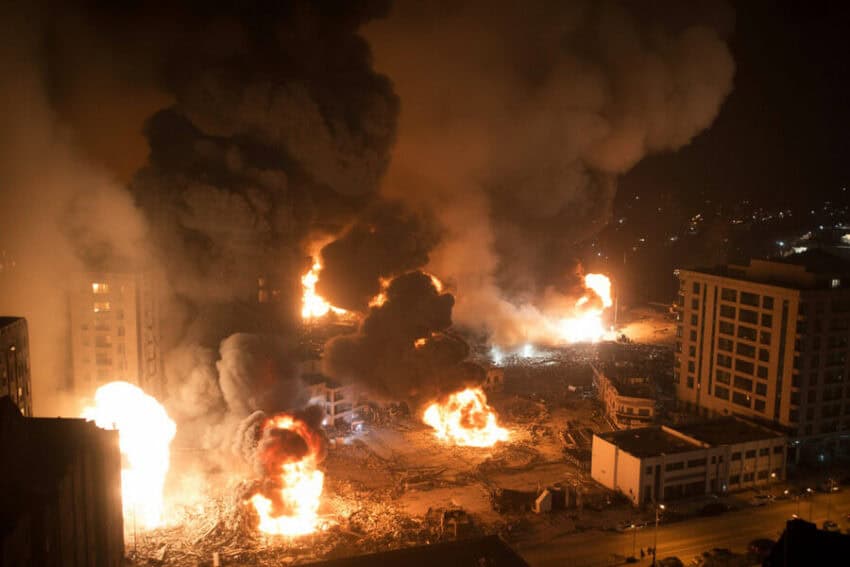
Qatar joins Iran, UAE, Jordan, Oman, Lebanon, Bahrain, and all other countries across the Middle East as Canada releases a new travel advisory to guarantee tourists’ safety due to escalating regional instability, heightened geopolitical tensions, and risks to foreign nationals caused by armed conflicts, infrastructure disruptions, and civil unrest. In early June 2026, Canadians traveling or residing across the region faced sudden flight cancellations, border closures, and limited commercial travel options, leaving many stranded in major cities such as Dubai, Manama, Riyadh, Abu Dhabi, Beirut, Muscat, and Doha. The advisory ensures Canadians can access guided air evacuations, expedited travel documentation, visa facilitation, and 24/7 consular support, while urging constant vigilance, adherence to local authority instructions, and proactive planning to navigate evolving security and logistical challenges in one of the world’s most volatile regions.
The advisory covers Qatar, Iran, UAE, Jordan, Oman, Lebanon, Bahrain, Iraq, Israel, Palestine, Saudi Arabia, and Syria, highlighting major urban hubs where Canadians are most concentrated, including Dubai, Manama, Riyadh, Abu Dhabi, Beirut, Muscat, and Doha. Canadians in the region are now facing unprecedented travel disruptions, including sudden flight cancellations, temporary airspace closures, and limited commercial options, leaving many unable to return home or transit safely to secure third countries. These challenges are compounded by heightened security threats to civilian infrastructure, public spaces, and critical transport routes, as well as the potential for civil unrest and targeted disruptions affecting hotels, banks, and communications networks.
Advertisement
Advertisement
In early June 2026, Canada released a comprehensive and highly detailed new travel advisory covering all major countries across the Middle East. The advisory is strategically designed to guarantee the safety and well-being of Canadian tourists and residents in the region through guided air evacuations, expedited travel documentation, priority consular services, and round-the-clock diplomatic support. With heightened regional instability, including escalating armed conflicts, sudden border disruptions, widespread civil unrest, and deliberate attacks on critical civilian infrastructure, Canadians are being strongly urged to exercise extreme vigilance and caution in all their movements and activities.
The advisory explicitly covers Qatar, Iran, UAE, Jordan, Oman, Lebanon, Bahrain, Iraq, Israel, Palestine, Saudi Arabia, and Syria, and incorporates key urban centers and cities where Canadian travelers are heavily concentrated: Dubai, Manama, Riyadh, Abu Dhabi, Beirut, and Muscat. It further emphasizes that Canadians may encounter unexpected travel restrictions, abrupt flight cancellations, sudden airspace closures, and temporary border shutdowns at any time, making continuous monitoring and immediate preparedness essential.
Advertisement
Advertisement
The Canadian government has stressed that its ability to assist may be limited in case of sudden escalations, making early registration and proactive planning critical. Canadians abroad are being guided to stay informed, register with the Government of Canada’s Registration of Canadians Abroad, and follow local authority instructions.
Iran: Complete Travel Ban Amid Heightened Conflict
Iran has been designated as “avoid all travel” due to significantly elevated risks, including attacks on foreign interests, strategic energy infrastructure, and public facilities, as well as the potential for sudden unrest and unpredictable security incidents across the country. In early June, multiple Canadian travellers were left stranded in Tehran and Isfahan after commercial flights were abruptly disrupted or cancelled due to sudden airspace restrictions and escalating regional tensions, leaving many with uncertain departure timelines, limited travel options, and serious logistical challenges. The situation underscores the urgent need for Canadians in Iran to remain vigilant, monitor local conditions continuously, and follow government guidance for safe movement or evacuation.
Advertisement
Advertisement
The Canadian government responded by providing:
- Guided air evacuations via safe third-country hubs
- Expedited passport and visa processing to enable immediate travel
- 24/7 consular assistance, including phone, email, SMS, and secure messaging
- Continuous updates through the Registration of Canadians Abroad service
Travelers were advised to avoid public gatherings, monitor local news, and follow instructions from authorities. Consular staff coordinated with airlines and regional governments to ensure Canadians could leave as soon as safety and logistics allowed.
Advertisement
Advertisement
Iraq: Travel Completely Restricted
Iraq remains a high-risk destination with an official “avoid all travel” advisory issued by the Canadian government. Canadian tourists and residents in Baghdad, Basra, and Erbil faced increasingly precarious and stranded situations in early June, as sudden border closures, unexpected curfews, and widespread security checkpoints were imposed without prior warning. The rapidly changing security environment, including heightened conflict zones, potential threats to civilian areas, and limited access to essential services, left many Canadians unable to move freely or access commercial transportation, creating critical challenges for safe travel and evacuation planning.
The Canadian government assisted travelers through:
- Emergency coordination with local authorities to secure safe transit routes
- Temporary shelters near airports and embassies for stranded citizens
- Facilitated travel documentation renewals for those whose passports or permanent resident cards were expiring
- Real-time travel alerts sent via the Registration of Canadians Abroad system
These efforts ensured that Canadians could navigate complex logistics, secure flights when available, and avoid high-risk areas.
United Arab Emirates: Stranded Canadians in Major Cities
In Dubai and Abu Dhabi, Canadian tourists and residents faced stranded situations in early June 2026 due to sudden commercial flight suspensions, limited airspace availability, and abrupt changes in airport operations. Many Canadians were confined to hotels, business districts, and temporary accommodations, struggling to access safe travel routes. The UAE remains under Canada’s “avoid all travel” advisory, highlighting the severity of security and logistical risks in the region.
Advertisement
Advertisement
The Canadian government provided critical support to those affected by:
- Coordinating airline seat allocations and guided departures to help Canadians leave safely
- Establishing direct communication channels to update travelers on flight availability, border access, and safe transit routes
- Assisting with emergency passport renewals and travel documentation to ensure smooth departures
- Offering 24/7 consular support through phone, email, SMS, WhatsApp, and secure messaging for Canadians in distress
These measures allowed stranded travelers to navigate the disruption, remain informed, and access safe travel options despite the unpredictable situation in UAE urban hubs.
Qatar: Canadian Travelers Face Challenges in Doha
In Doha, Canadians were similarly impacted by sudden and widespread flight cancellations, temporary airspace restrictions, and severely limited commercial travel options, primarily due to escalating regional tensions and ongoing military and security operations in surrounding areas, leaving many unable to return home or transit safely to secure third countries. A significant number of travelers found themselves stranded in hotels, transit areas, and residential districts, navigating logistical challenges amid evolving security conditions and uncertainty about available evacuation routes. Qatar is also included in Canada’s “avoid all travel” advisory, reflecting ongoing regional instability, heightened geopolitical tensions, and potential threats to foreign nationals, including risks associated with regional conflicts, targeted infrastructure disruptions, and civil unrest. Canadians in the country were strongly advised to remain vigilant, follow local authorities’ instructions, and maintain constant communication with Canadian consular services.
To assist, the Canadian government implemented:
- Guided departures and reserved airline seats to ensure Canadians could travel safely despite limited flight availability
- Priority consular communication to provide real-time guidance on safe areas and movement within the city
- Emergency travel documentation and visa facilitation for Canadians whose documents were near expiry or required updates for transit
- Continuous 24/7 support from consular officials, including advice on shelter, transportation, and evacuation options
These steps ensured that Canadians in Doha were kept safe, informed, and able to make timely decisions about their movement under challenging conditions.
Jordan and Oman: Non-Essential Travel Advisory
Jordan and Oman are considered “avoid non-essential travel” destinations. Canadian tourists in Amman, Muscat, and surrounding areas faced challenges in early June due to heightened regional tensions and logistical delays.
Advertisement
Advertisement
The Canadian government implemented:
- Guided departures using commercial and chartered flights where available
- Priority passport renewal and entry facilitation to allow Canadians to move to safe locations
- Continuous government oversight ensuring travelers received updates every hour
- Coordination with local authorities for safe transit through checkpoints and airports
Despite the non-restrictive status, Canada emphasized vigilance and readiness to depart if conditions deteriorated.
Lebanon: Avoid All Travel
Lebanon continues to face extreme instability, including security threats to infrastructure and civilian areas. Canadians stranded in Beirut and Tripoli were impacted by flight cancellations and sudden security restrictions.
Canada’s response included:
- Emergency air evacuations coordinated with multiple airlines
- Assistance with travel documentation and visas for onward travel
- Registration-based alerts to provide real-time instructions
- Continuous consular contact through email, phone, SMS, and secure messaging apps
Travelers were instructed to avoid areas of public congregation, including government buildings, schools, and commercial centers.
Bahrain: Complete Travel Avoidance
Bahrain was also included in the “avoid all travel” category. Canadian citizens stranded in Manama and surrounding areas faced challenges with border restrictions and flight disruptions.
Advertisement
Advertisement
Canada offered support through:
- Guided air evacuation plans with priority boarding
- Consular coordination for accommodation and safety
- Emergency documentation services, including passports and eTAs
- Real-time government advisories through multiple communication channels
Israel and Palestine: All Travel Suspended
Israel and Palestine have avoid all travel advisories due to heightened conflict zones. Canadian tourists in Jerusalem, Tel Aviv, and Ramallah faced immediate restrictions and airport closures.
Government support included:
- Rapid relocation coordination to safe zones
- Assistance with urgent travel documents
- Continuous emergency consular support and guidance
- Facilitated movement through regional corridors when possible
These measures allowed Canadians to minimize exposure to active conflict areas.
Saudi Arabia: Non-Essential Travel Advisory
In Riyadh and Jeddah, Canadians were advised to avoid non-essential travel. Early June incidents included commercial flight delays and restricted road access.
Canada provided:
Advertisement
Advertisement
- Coordination with local airports to prioritize Canadian travelers
- Assisted documentation and visa facilitation for safe departures
- Emergency consular support 24/7 to guide travelers through disruptions
This enabled Canadians to safely plan their exit or adjust travel itineraries while avoiding high-risk zones.
Syria: Avoid All Travel
Syria remains a high-risk zone. Canadians were stranded in Damascus and Aleppo due to conflict escalation and complete airspace closures.
Canada’s assistance included:
- Emergency evacuation planning via safe third-country hubs
- Rapid issuance of passports and travel documents for immediate movement
- Consular guidance for navigating road and airport checkpoints
- Continuous alerts through the Registration of Canadians Abroad service
Travelers were strongly advised to stay indoors, follow local authority instructions, and avoid all high-risk locations.
How Canadian Government is Helping Travelers Across the Region
Canada’s approach to protecting citizens in early June 2026 has been multi-faceted and comprehensive:
- Guided Air Evacuations: Canadians stranded in cities like Dubai, Doha, Beirut, and Riyadh were prioritized for commercial and chartered flights.
- Travel Documentation Support: Passport and permanent resident card renewals were expedited to enable safe transit.
- Visa Facilitation: Assistance with visas and entry requirements to third countries ensured Canadians could leave conflict zones.
- 24/7 Consular Assistance: Global Affairs Canada provided round-the-clock support via email, SMS, phone, WhatsApp, and Signal.
- Registration-Based Alerts: Travelers received real-time safety updates and guidance directly from government authorities.
- Emergency Shelter and Transit Guidance: Canadians were provided with temporary safe accommodations near airports or embassy locations.
- Coordination with Local Authorities: Canadian officials liaised with local governments to ensure safe movement and transit.
These measures collectively ensured that Canadians stranded in the Middle East were able to navigate complex logistical challenges, maintain safety, and depart when possible.
Advertisement
Advertisement
Tips for Canadians in the Middle East
- Register with the Government of Canada’s Registration of Canadians Abroad.
- Monitor local news and official advisories continuously.
- Ensure passports and travel documents are valid for immediate departures.
- Follow instructions from local authorities at all times.
- Avoid high-risk locations such as embassies, places of worship, schools, banks, and key infrastructure.
- Plan exits proactively, as consular support may be limited during escalations.
The new Canadian travel advisory for the Middle East underscores the severity of the regional situation and emphasizes proactive, government-supported measures for traveler safety. By combining guided air evacuations, streamlined travel documentation, visa facilitation, and continuous consular assistance, Canada has created a robust safety net for its citizens, ensuring that even those stranded in early June 2026 can navigate disruptions and remain safe.
Qatar joins Iran, UAE, Jordan, Oman, Lebanon, Bahrain, and all other Middle Eastern countries as Canada issues a new travel advisory to guarantee tourists’ safety due to escalating regional instability, armed conflicts, and risks to civilian infrastructure.
For Canadians considering travel, or those already in the region, it is critical to act immediately, stay informed, and leverage all government resources available. The advisory is a clear signal that regional tensions are significant, travel risks are high, and safety cannot be compromised.
Advertisement
