
India Travel Guide to Amarnath Yatra 2026 as Jammu & Kashmir Introduces Strict NH-44 Navyug Tunnel Timings, RFID Entry Rules and Route Control Across Srinagar, Pahalgam and Baltal Corridors

Published
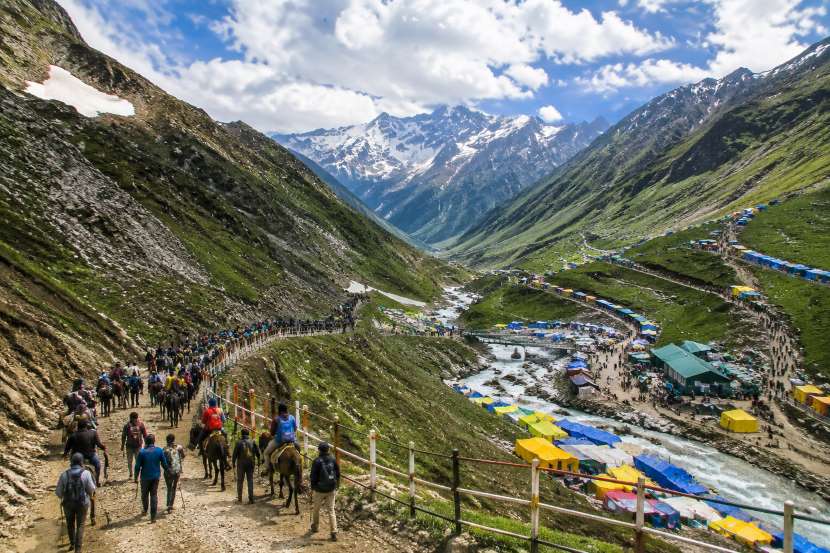
The Shri Amarnath Ji Yatra 2026 in Jammu & Kashmir, India, scheduled from 3 July 2026 to 28 August 2026 (57 days), has triggered one of the most tightly regulated pilgrimage mobility systems ever implemented across the Kashmir Valley. With lakhs of devotees expected to travel through Srinagar, Anantnag, Pahalgam, Baltal and the critical NH-44 highway corridor, the Jammu and Kashmir Police and the Shri Amarnathji Shrine Board (SASB) have activated a multi-layered security and traffic framework aimed at separating civilian movement from high-security pilgrim convoys.
The system introduces strict tunnel timing controls, valley checkpoint cut-offs, mandatory RFID tracking, biometric verification, and regulated daily quotas, reshaping how travel operates across the entire Kashmir Himalayan belt during the pilgrimage season.
Advertisement
Advertisement
NH-44 Navyug Tunnel Under Strict Timed Lockdown for Civilian Traffic Movement
The Navyug Tunnel, a crucial lifeline connecting Jammu and Kashmir along NH-44, has been placed under time-regulated access rules to prioritise official Yatra convoys.
Tunnel Movement Restrictions (Daily Schedule)
- Kashmir → Jammu direction: No civilian traffic allowed before 11:30 AM
- Jammu → Kashmir direction: No entry allowed after 3:00 PM
This controlled movement ensures uninterrupted convoy flow for registered pilgrims and prevents congestion along the only all-weather highway linking the Kashmir Valley with the rest of India. The regulation is also designed to manage emergency response access and security screening during peak Yatra days.
Advertisement
Advertisement
Kashmir Valley Turned Into Multi-Layer Traffic Control Zone With Strict Cut-Off Timings
A grid-based checkpoint system has been activated across southern and northern Kashmir routes, including Srinagar, Anantnag, Ganderbal, Baramulla and Baltal corridors. Any vehicle missing cut-off timings is redirected to designated transit camps for overnight halts.
Southern Route (Anantnag – Pahalgam Axis)
- Mir Bazar:
- Northbound (towards Srinagar/Anantnag): before 4:00 PM
- Southbound (towards tunnel): before 5:00 PM
- Panthachowk (Srinagar):
- Southbound movement: before 3:00 PM
Northern Route (Ganderbal – Baltal Axis)
- Panthachowk (Srinagar):
- Northbound movement: before 3:00 PM
- Shadipora (Sumbal):
- Movement towards Manigam/North Kashmir: before 3:30 PM
- Manigam Base Camp:
- Towards Baltal: allowed up to 5:00 PM
- Toward Srinagar/North Kashmir: before 12:00 Noon
- Direct Manigam → Srinagar exit: before 1:00 PM
Key Objective
- Prevent mixed civilian and convoy congestion
- Ensure emergency access clearance
- Maintain controlled pilgrim mobility through fragile terrain
Mandatory RFID Tracking System Becomes Gateway to Entire Yatra Access
The 2026 pilgrimage introduces strict digital identity enforcement through RFID-based movement tracking, making it impossible to access the Yatra route without verified credentials.
Advertisement
Advertisement
Core Requirements
- Valid registration through SASB system
- Compulsory Health Certificate issued after 8 April 2026
- Biometric eKYC authentication at authorised banks
- Physical RFID card issued only at Jammu or Kashmir transit camps
Entry Enforcement Points
- Domel checkpoint
- Chandanwari checkpoint
Without an active RFID tag, entry into either Baltal or Pahalgam route is strictly denied, ensuring complete traceability of each pilgrim movement.
Eligibility Rules and Daily Cap Shape Controlled Himalayan Pilgrimage Flow
The pilgrimage is tightly regulated to ensure safety at extreme altitude conditions.
Advertisement
Advertisement
Mandatory Eligibility Conditions
- Age limit: 13 to 70 years only
- Pregnancy restriction: More than 6 weeks pregnancy not allowed
- Compulsory medical clearance via authorised institutions
Daily Capacity Control
- Maximum 15,000 pilgrims per day across both routes
- Registration closes 7 days before travel date
- Online registration window began 14 April 2026
This structure ensures controlled density along narrow Himalayan paths prone to weather disruptions and altitude-related health risks.
Baltal vs Pahalgam Routes Define Two Contrasting Pilgrimage Experiences
Two primary corridors operate for the Amarnath Yatra, each designed for different physical capabilities.
| Feature | Baltal Route (North) | Pahalgam Route (South) |
|---|---|---|
| Distance | ~14 km | 36–48 km |
| Duration | 1–2 days | 3–5 days |
| Terrain | Steep, narrow, high difficulty | Gradual, scenic, extended climb |
| Suitable for | Fit, experienced pilgrims | Families, elderly, acclimatisation seekers |
| Key Entry Point | Domel | Chandanwari |
The Baltal route prioritises speed and direct access, while the Pahalgam corridor offers safer acclimatisation across longer distances through scenic valleys.
Upgraded Medical, Insurance and Connectivity Infrastructure Across Yatra Route
To support the large-scale movement of pilgrims across high-altitude terrain, major safety upgrades have been implemented.
Advertisement
Advertisement
Medical Infrastructure Enhancements
- Fully operational 100-bed hospitals at Baltal and Chandanwari base camps
- Dedicated treatment for AMS, HAPE and emergency trauma cases
- Emergency response units stationed along key trek points
Insurance Protection
- Accidental insurance cover increased to ₹10 lakh per pilgrim
Connectivity Expansion
- Mobile and telecom networks strengthened across entire route
- Communication coverage extended up to Holy Cave zone
These measures aim to ensure rapid response capability in extreme weather and terrain conditions.
Mandatory Travel Preparedness Measures for Pilgrims Across Kashmir Himalayas
Official advisories highlight strict preparedness protocols for all participants.
Essential Requirements
- Thermal wear, woollens and waterproof jackets
- High-grip trekking footwear
- Rain protection gear including ponchos
- Portable oxygen kits
- Basic AMS medication (as advised by doctors)
Operational Safety Rules
- Maintain fuel readiness before entering NH-44 corridor
- Avoid roadside halts in convoy zones
- Follow real-time instructions from traffic and security forces
- Monitor daily official traffic bulletins before travel
Conclusion: One of India’s Most Controlled Pilgrimage Systems Enforced Across Jammu & Kashmir
The Shri Amarnath Ji Yatra 2026 represents a highly structured mobility operation across Jammu & Kashmir, combining digital identity verification, strict highway timing control, valley-wide checkpoints, and regulated pilgrim quotas. With NH-44 Navyug Tunnel restrictions, RFID-based tracking, and tightly managed Baltal and Pahalgam access corridors, the pilgrimage reflects a coordinated security and tourism management system designed for one of the most challenging high-altitude travel environments in India.
Advertisement
