
Riyadh Aligns with Dubai and More Nations as GCC Overnight Tourism Expands Over 8% in 2026 Through Strong Travel Demand

Published
As of September 2026, the Middle Eastern travel sector has reached a historical milestone with official statistics showing the GCC saw an overnight tourism increase of 8% in 2026 primarily due to travel demand. This proves the GCC can successfully shift its economy from oil to a sustainable, diverse travel economy. One of the Gulf countries’ historic plans to change travel and supported with the investment of billions of dollars on sustainable hospitality makes the Gulf region the focus of travel globally. Knowing which GCC cities are the focus and how these enormous changes will impact the global economy is an important focus for all international investors, policymakers, and travel industry stakeholders.
Background: The Strategic Pivot to a Tourism-Driven Economy in the GCC
The macroeconomic landscape of the Gulf Cooperation Council (GCC) has undergone a profound transformation over the past decade. Historically, the six member states—Saudi Arabia, the United Arab Emirates (UAE), Qatar, Oman, Bahrain, and Kuwait—relied overwhelmingly on hydrocarbon exports to fund public infrastructure and maintain sovereign wealth. However, recognising the inherent volatility of global oil markets and the accelerating worldwide shift towards renewable energy sources, regional governments embarked on aggressive economic diversification programmes. At the very forefront of these diversification efforts is the travel and hospitality sector, which has rapidly evolved into a primary engine for non-oil gross domestic product (GDP) growth.
National blueprints, such as Saudi Arabia’s Vision 2030, the UAE’s We The UAE 2031, Qatar’s National Vision 2030, and Oman’s Vision 2040, have structurally repositioned the Gulf from a transit hub into a premier global destination. These frameworks have channelled billions of dollars into mega-projects, airport expansions, smart city developments, and sustainable ecotourism initiatives. The overarching goal is not merely to increase footfall, but to extend the average length of stay and maximise the yield per visitor. As a result, the region is witnessing an extraordinary structural shift in how it accommodates, entertains, and retains international and domestic visitors. Tourism, worth an estimated $247.1 billion annually to the Gulf region, is now universally recognised as a cornerstone of the region’s economic survival and expansion strategy in the post-oil era.
Latest Official Developments: Decoding the Over 8% Growth Metric
The latest verified statistics for 2026 paint a picture of extraordinary resilience and strategic success. Official data confirms that GCC overnight tourism expands over 8% in 2026 through strong travel demand, a figure that heavily relies on a dynamic mix of surging domestic travel and strategically targeted inbound international tourism.
Advertisement
Advertisement
Taking Saudi Arabia as a primary regional bellwether, data from the Ministry of Tourism for the first quarter of 2026 demonstrated that total combined tourism trips—encompassing both inbound arrivals and domestic resident travel—rose by 8% year-on-year to reach 37.2 million visitors. While there was a slight recalibration in international inbound tourists (down to 8.3 million in Q1 2026), this was overwhelmingly offset by a massive 16% surge in domestic trips, which reached 28.9 million. Crucially, the economic yield remained incredibly robust. Tourism spending in Saudi Arabia alone hit SAR 82.7 billion ($22.1 billion) in the first quarter of 2026. Furthermore, spend per inbound visitor actually rose by roughly 6% year-on-year, indicating that the region is successfully attracting high-net-worth individuals who stay longer and spend significantly more.
Advertisement
Advertisement
This growth is mirrored across the border. In the UAE, Dubai’s Department of Economy and Tourism (DET) reported that the emirate welcomed 2.00 million overnight visitors just in January 2026, representing a solid 3% increase compared to January 2025. When aggregating the domestic resilience of Saudi Arabia with the steady international influx into the UAE and Qatar, the structural reality becomes clear: the region has insulated its tourism sector against global macroeconomic headwinds by cultivating a highly mobile, high-spending regional demographic.
The Game Changer: 2026 Rollout of the GCC Unified Tourist Visa
Perhaps the most significant policy catalyst ensuring that GCC overnight tourism expands over 8% in 2026 through strong travel demand is the highly anticipated launch of the GCC Unified Tourist Visa. Often referred to as the “GCC Grand Tours Visa,” this Schengen-style framework allows eligible tourists to seamlessly visit all six GCC nations on a single application.
Originally slated for a 2025 release, officials prioritised a meticulous, phased rollout for 2026 to ensure the flawless harmonisation of security frameworks, biometric data sharing, and real-time database integrations across sovereign borders. Approved formally by the GCC Secretariat, this unified permit represents a monumental leap forward for regional connectivity.
Advertisement
Advertisement
Key Features of the GCC Unified Visa
- Validity and Flexibility: The visa offers varying tiers, ranging from a 30-day single entry permit to a 90-day multiple entry visa, catering to both short-break travellers and long-haul explorers.
- Cost Efficiency: By consolidating application processes, the unified visa reduces the financial burden on tourists who previously had to pay multiple separate entry fees for multi-country itineraries. The fee is expected to range between USD 30 to USD 50.
- Target Demographics: The policy heavily targets vast outbound markets such as India, which was the single largest outbound market for the GCC unified visa programme, sending 2.59 million arrivals to Dubai in 2024 and 1.6 million to Saudi Arabia.
By removing bureaucratic friction, the unified visa fundamentally alters how international tour operators package the Middle East. Visitors flying into Doha for a cultural weekend can now effortlessly take a short flight to Oman for a nature retreat, before driving across the border into the UAE for luxury shopping. This multi-destination capability directly increases the volume of overnight stays and drives unprecedented cross-border travel demand.
Understanding Which GCC Cities Are the Driving Force
To fully grasp the mechanics behind the region’s tourism boom, one must conduct a granular city-by-city analysis. It is within these hyper-developed urban centres that one sees exactly how GCC cities are driving force behind the overarching national strategies.
Advertisement
Advertisement
Riyadh: Cultural Reawakening and Tech-Driven Business Travel
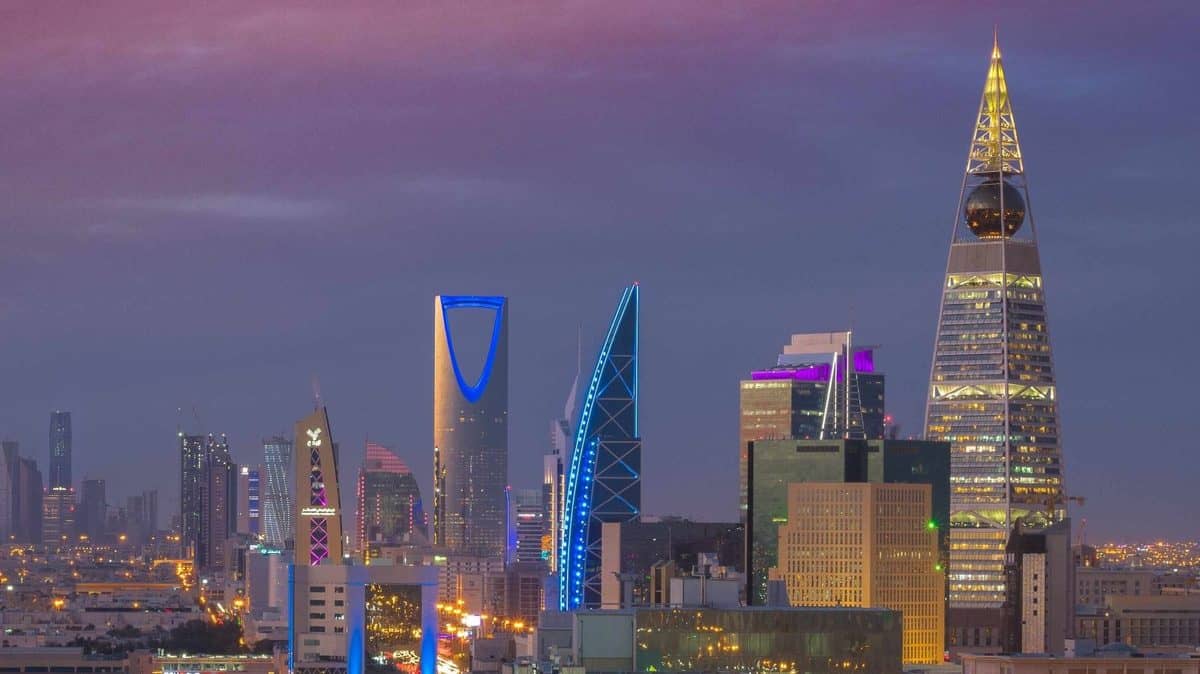
Riyadh, the political and financial capital of Saudi Arabia, is shedding its historically conservative, business-only reputation to become a dynamic global metropolis. The city is the epicentre of Vision 2030’s cultural reawakening. Massive sovereign investments are being poured into giga-projects like Diriyah—the historic birthplace of the Saudi state—and Qiddiya, the upcoming entertainment and sports capital. Beyond leisure, Riyadh is rapidly becoming a hub for global conferences and investments. Events such as LEAP 2026 have brought billions in international tech investments across artificial intelligence, gaming, and infrastructure to the city. This potent mix of high-profile global business summits and newly opened cultural heritage sites ensures a constant, year-round influx of high-spending overnight visitors.
Dubai: The Unstoppable Pillar of Global Hospitality
Dubai remains the undisputed tourism anchor of the Middle East. Driven by the ambitious D33 economic agenda, which aims to double the size of the emirate’s economy over the next decade, Dubai has perfected the art of repeat visitation. Welcoming 2.00 million overnight visitors in January 2026 alone, the city’s hospitality infrastructure operates at an elite level of efficiency. Dubai is continuously diversifying its appeal beyond luxury retail and beaches. It is heavily investing in medical tourism, world-class gastronomy (cemented by the expansion of the Michelin Guide), and digital nomad visas. The ongoing expansion of Al Maktoum International Airport further signals Dubai’s intent to completely dominate global aviation and transit, ensuring that a significant percentage of transit passengers convert into lucrative overnight stays.
Doha: Sustaining Post-World Cup Momentum
Doha has successfully leveraged the monumental infrastructure built for the 2022 FIFA World Cup to sustain long-term tourism growth. According to official 2026 statistics, Qatar welcomed 2.338 million visitors in the first eight months of the year, with August arrivals alone rising by 6.3%. Crucially, GCC travellers accounted for 41% of these arrivals, underscoring Doha’s immense popularity as a premium regional getaway. Mabrian analysis indicated that Doha is among the top GCC destinations gaining massive market share in global travel intent for early 2026. Through heavy investments in world-class museums, high-end retail, and family-friendly leisure complexes, Doha has established itself as an indispensable stop on any comprehensive Gulf itinerary.
Abu Dhabi: Expanding Cultural Heritage and Premium Tourism
As the capital of the UAE, Abu Dhabi has charted a slightly different course from its neighbour Dubai, focusing intensely on high-end cultural, heritage, and sustainable tourism. The emirate’s cultural sites, libraries, and museums—including the globally renowned Louvre Abu Dhabi—recorded over 5.5 million visits in recent years, proving a massive international appetite for paid premium cultural exhibitions. Abu Dhabi is actively courting luxury travellers and art enthusiasts, providing a serene, culturally rich counterweight to the hyper-paced entertainment of other regional cities.
Jeddah: The Historic Gateway Adapting to Modern Demands
Jeddah has long been the traditional gateway for millions of religious pilgrims journeying to Mecca and Medina. However, modern Jeddah is rapidly expanding its identity into a cosmopolitan coastal retreat. The rejuvenation of Historic Jeddah (Al-Balad), a UNESCO World Heritage site, is a central pillar of the city’s tourism strategy. By integrating its rich historical architecture with modern waterfront developments along the Red Sea coast, Jeddah is capturing both domestic holidaymakers and international tourists seeking a blend of authentic Arabian heritage and modern coastal luxury.
Advertisement
Advertisement
Muscat: Leading the Charge in High-Value Eco-Tourism
Oman’s capital, Muscat, alongside its surrounding regions, serves as the epicentre for the GCC’s booming ecotourism sector. Governed by the Tourism Strategy 2040, Oman is deliberately avoiding mass tourism in favour of low-impact, high-yield sustainable travel. The country is channelling substantial funds into eco-sensitive destinations, such as the Jebel Akhdar eco-retreats. This approach caters specifically to high-net-worth individuals and environmentally conscious European and Asian tourists seeking culturally immersive, nature-based experiences.
Manama: The Accessible Hub for Short-Haul Connectivity
Bahrain’s capital, Manama, leverages its geographical proximity and the King Fahd Causeway to serve as a vital short-haul destination, particularly for Saudi Arabian residents. It is the smallest GCC state but boasts a highly accessible, liberal tourism environment that thrives on weekend getaways, culinary tourism, and sporting events like the Bahrain Grand Prix.
Ecotourism and Heritage: Emerging Pillars of the 2026 Travel Market
Beyond the glittering skylines of the major cities, a massive shift in consumer preference is driving the region’s overall growth. The GCC ecotourism market is witnessing explosive growth, valued at USD 655.3 million in 2026, and is projected to expand at a compound annual growth rate (CAGR) of 9.3% to reach USD 1,220.8 million by 2033.
The demand is heavily skewed towards immersive, nature-based experiences. In 2026, the nature segment accounted for roughly 60% of the total ecotourism market volume, with tourists seeking out desert exploration, mountain trekking, and visits to protected reserves. Consequently, hotel stays dominated market contributions with a 40% share, driven by aggressive regional investments in eco-lodges, luxury glamping facilities, and carbon-neutral resorts.
Saudi Arabia holds a dominant 40% share of this ecotourism market in 2026. This dominance is fuelled by mega-projects like the Red Sea Global initiatives and the AlUla natural heritage corridor, which integrate ecological sustainability directly into their foundational architecture.
Advertisement
Advertisement
Similarly, heritage tourism is experiencing a golden age. Heritage-motivated trips across the GCC hit 34.5 million recently, with the average attributable spend rising to approximately USD 400 per trip. By packaging historical site admissions with expert guides, local dining, and premium accommodations, GCC cities are successfully converting free public heritage assets into highly lucrative economic engines.
The Power of Regional Travel Demand
It is impossible to understand how GCC overnight tourism expands over 8% in 2026 through strong travel demand without acknowledging the overwhelming power of the intra-regional market. In 2026, regional GCC travellers accounted for an estimated 55.0% of total traveller demand.
This massive internal market relies on short-haul breaks, weekend getaways, and repeat visitation, providing a vital baseline of year-round utilisation for the region’s hospitality sector. Seasonal factors play a major role; for instance, the extreme summer temperatures across the lower Gulf push residents to travel to cooler, mountainous regions within Oman or Saudi Arabia, or alternatively, to engage in the booming outbound tourism market, which is estimated to be valued at USD 88.52 billion in 2026.
The expansion of the GCC middle class, rising disposable incomes, and a youthful demographic (with over 60% of the GCC population under the age of 30) have created a highly mobile society that views frequent leisure travel as a standard lifestyle component.
Industry Impact: Aviation Connectivity and Hospitality Expansion
The ambitious targets set by Gulf governments are heavily supported by unparalleled investments in transport and hospitality infrastructure. Fitch Ratings expect air passenger traffic in the region to show material growth, with GCC infrastructure plans designed to double air traffic by 2030. A sample of GCC airports demonstrated that traffic had already surpassed 2019 pre-pandemic levels by 8% as early as 2023.
Advertisement
Advertisement
Airlines like Emirates, Qatar Airways, Saudia, and the newly launched Riyadh Air are rapidly expanding their global flight networks, ensuring that major cities remain hyper-connected to both Western markets and emerging Asian economies. Modern transit hubs—such as Dubai International Airport, Doha’s Hamad International Airport, and Jeddah’s King Abdulaziz International Airport—are scaling their operations to handle hundreds of millions of passengers collectively.
Simultaneously, the hospitality pipeline is expanding at a breakneck pace. Across the GCC, hotel occupancy rates have shown incredible resilience, with Saudi Arabia averaging 66.3% occupancy in early reporting periods despite massive influxes of new room inventory. The trend is aggressively shifting towards LEED and Green Star-certified properties. The implementation of smart tourism technologies—including AI-powered visitor management systems, augmented reality nature trails, and IoT-enabled wildlife monitoring—is elevating the visitor experience while actively minimising ecological footprints.
Economic Implications: Diversification and Job Creation in a Post-Oil Era
The economic implications of this tourism boom cannot be overstated. Fitch Ratings projects that the GDP contribution from the GCC tourism sector will surge dramatically, tripling from around $130 billion in 2023 to over $340 billion by 2030. By the end of this decade, tourism is expected to account for more than 10% of the entire region’s GDP.
This financial injection is creating profound ripple effects across secondary and tertiary industries. Tourism generates immense economic activity in adjacent sectors such as retail, real estate, ground transportation, and entertainment. Most importantly, it serves as a massive engine for job creation. By fostering an expansive ecosystem of small and medium-sized enterprises (SMEs)—ranging from boutique tour operators to local culinary businesses—Gulf governments are actively empowering their youth populations and reducing the public sector wage burden.
Furthermore, these developments serve a crucial geopolitical purpose. By opening their borders, hosting global sporting events, and promoting cultural exchange, GCC nations are exercising significant soft power, reshaping global perceptions, and cementing their status as indispensable nodes in the global economy.
Advertisement
Advertisement
Expert and Official Statements on the Gulf’s Travel Transformation
The commitment to this sector is echoed at the highest levels of government. Nicolas Mayer, PwC Middle East Partner and Global Industry Leader for Tourism, noted that the impact of tourism extends far beyond visitor numbers alone, stating, “Tourism creates economic activity across multiple industries, which is why its contribution extends beyond visitor numbers alone”.
Mayer further emphasised that the “opportunity lies in the visitor experience itself,” pointing out that hotels, airlines, attractions, and operators all play a critical role in strengthening destination reputation and encouraging future demand.
Similarly, the delay and subsequent 2026 rollout of the GCC Unified Tourist Visa reflects a mature, calculated approach by regional interior ministries. By prioritising the meticulous alignment of security frameworks over a rushed launch, GCC authorities have demonstrated a commitment to long-term systemic stability.
Future Outlook: Shaping the 2030 Global Tourism Landscape
Looking forward, the trajectory for GCC travel remains overwhelmingly positive. As long as geopolitical stability is maintained, the region is well on its way to achieving its ambitious 2030 national vision targets. The integration of the unified visa will eventually normalise the concept of the “Grand Gulf Tour,” transforming the GCC into a cohesive tourism bloc akin to the European Schengen area.
The focus will increasingly shift towards sustainability, smart destination management, and the hyper-personalisation of luxury travel. As mega-projects in Saudi Arabia reach completion, as the UAE continues to iterate on its world-leading hospitality models, and as Qatar and Oman carve out highly lucrative niches in culture and ecotourism, the Middle East will not merely participate in the global tourism market—it will lead it.
Advertisement
Advertisement
The verified data clearly outlines a region that has successfully engineered a post-oil economic miracle. By understanding that GCC cities are driving force behind this massive infrastructural and cultural pivot, global investors can confidently participate in what is undeniably the most dynamic travel growth market of the 21st century.
Advertisement
