
Greece Leads Global Travel Boom As Greatest Beach Destination Crown Shifts Mediterranean Vacation Booking Trends

Published
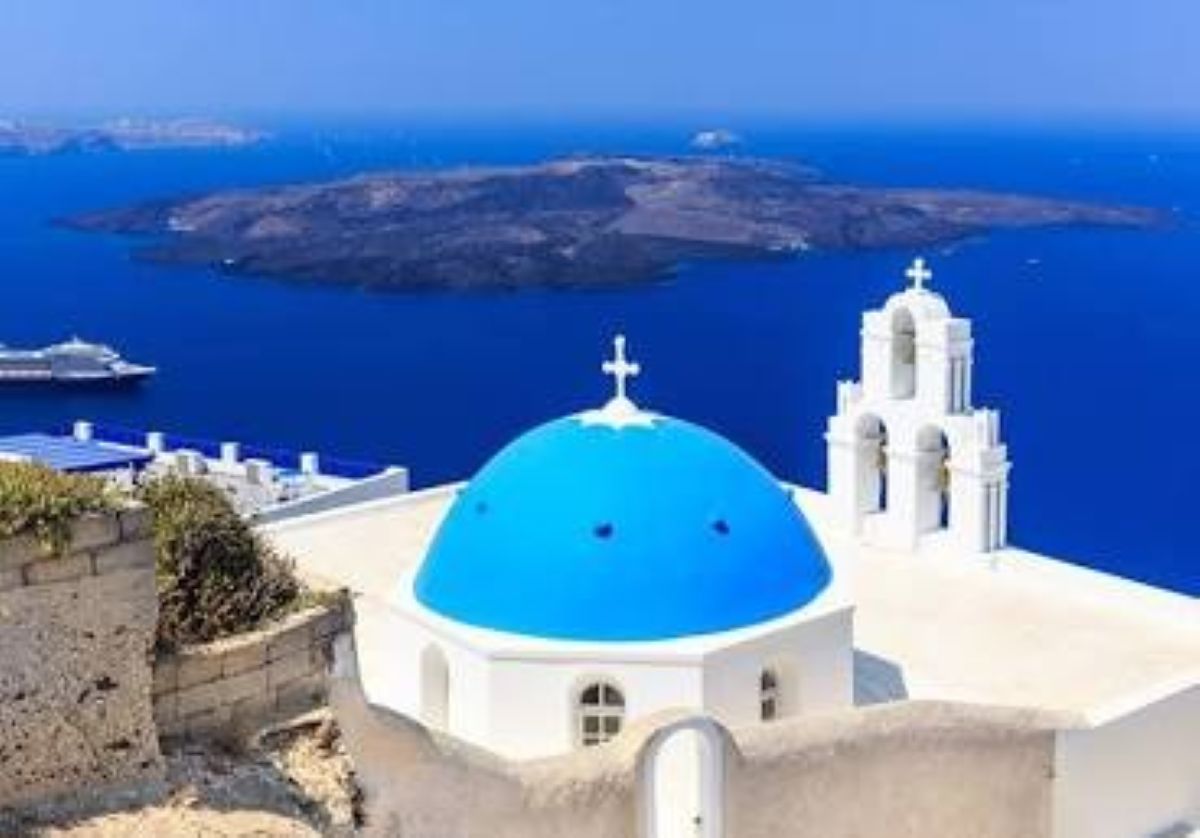
Image Credit antoperla
There is a mystique associated with stepping onto the sand that the Mediterranean had been baking under the sun. The memories you will have from stepping into the Mediterranean will outlast the vacation breezes you will bring back with you. Greece deserves their Best Beach Destinations of 2026 award, and the sunsets over the Aegean will second that. This golden crown is based on the feelings that those who have woken up to the smell of fresh sea salt, and those who have walked the paths of olives that have been the home of a civilization much older than our own and felt truly alive, will appreciate. These shores offer you an escape and give you refuge. For travelers who seek true wonder, Greece has gone above and beyond to reshape the world of travel and have set new benchmarks. Greece has made us understand that there are places to go to that do not hold on to your vacation but will alter your view of the world in ways that you could not even envision.
Advertisement
Advertisement
Redefining Global Travel Dynamics Through Extraordinary Geographical Diversity Across Coastal Ecosystems
Industry reporting highlights that Greece encompasses an astonishing network of more than 6,000 islands and islets, representing a degree of marine diversity that remains unmatched across the globe. Observers noted that this immense geographical footprint provides an endless variety of environments for international visitors seeking unique seaside escapes. Travelers can explore the famous, dramatic volcanic dark sands of Santorini, or navigate toward the peaceful, secluded inlets hidden throughout Zakynthos. This exceptional range of natural settings ensures that coastal vacationing in the region remains endlessly appealing, vibrant, and highly competitive within the global market.
Advertisement
Advertisement
Analysts pointed out that this vast natural variety is currently driving a massive reallocation of capital across the international travel sector. Hospitality providers worldwide are forced to adapt as consumer preferences shift heavily toward diverse, multi-destination coastal trips. Furthermore, maritime operators anticipate a unprecedented surge in private vessel rentals, inter-island ferry bookings, and regional marine conservation projects. By balancing fragile natural wonders with high-capacity tourism, the nation has set a brand-new standard for sustainable coastal management that other maritime economies must now strive to match.
Integrating Historical Heritage, World-Class Gastronomy, and Vibrant Lifestyle Experiences into Coastal Tourism
Advertisement
Advertisement
Reports emphasized that this coveted international distinction extends far beyond idyllic ocean views and crystal-clear waters. The region’s pristine beaches are deeply intertwined with centuries of cultural history, legendary culinary traditions, and vibrant evening entertainment. Vacationers can easily tailor their journeys to match specific personal desires or family requirements. For example, large families can enjoy enriching, multi-generational holidays along the expansive shores of Crete, while adventurous travelers can pursue thrilling outdoor excursions across Rhodes. Meanwhile, couples seeking high-end romantic escapes routinely gather along the glamorous coastlines of Mykonos.
This multifaceted cultural integration is reshaping operational strategies across the global hospitality landscape. Local service providers, dining establishments, and excursion firms are moving away from basic beach access toward rich, experiential packages. Global travelers increasingly demand holistic vacations that seamlessly combine physical relaxation with historic exploration, authentic local cuisine, and immersive social activities. Consequently, hospitality managers worldwide are re-engineering their core offerings to mirror this highly successful, multi-generational model that fuses leisure with authentic cultural engagement.
Advertisement
Advertisement
Strengthening International Transit Routes and Transforming Long-Haul Tourism Connectivity
Market observers highlighted that the rising prominence of Greece as a premier coastal haven reflects a broader surge in demand for Mediterranean travel across distinct global markets. In particular, Indian tourists are demonstrating an extraordinary desire to visit these famous historic shores in record numbers. This dramatic growth in long-distance travel is strongly supported by expanding direct flight networks, simplified transit agreements, and expertly coordinated island-hopping itineraries tailored specifically for long-haul visitors.
As a direct consequence of these upgraded transit corridors, global transportation networks are undergoing significant modernization to accommodate flexible, multi-stop passenger journeys. Major international airlines are expanding flight frequencies to regional transit hubs, while maritime transport companies are upgrading their fleets to handle growing passenger volumes efficiently. Ultimately, this seamless infrastructure connectivity makes complex Mediterranean island exploration vastly more accessible to international travelers, effectively raising the global standard for effortless, interconnected travel across the globe.
Catalyzing Economic Growth and Driving Infrastructure Investments Across the Hospitality Sector
Advertisement
Advertisement
The global recognition achieved by Greece is generating significant economic momentum that extends far beyond immediate resort revenues. Financial analysts report that foreign direct investment into regional hospitality projects has accelerated rapidly, with funding directed toward modernizing luxury accommodations, expanding boutique harbor facilities, and upgrading digital infrastructure across remote islands. This capital injection is creating thousands of specialized jobs in eco-tourism management, culinary arts, and high-end maritime services, thereby boosting local economies and setting high operational standards for host communities worldwide.
Beyond local economic development, this investment wave is forcing international hospitality brands to rethink their long-term growth strategies. Tourism boards and private developers in competing coastal regions are closely studying these operational enhancements to upgrade their own infrastructure. As high-value global travelers demand higher standards of sustainability, seamless digital check-ins, and bespoke concierge services, the entire international hospitality sector is being elevated, ensuring that future tourism infrastructure remains resilient, technologically advanced, and environmentally conscious.
Elevating Environmental Stewardship and Sustainable Marine Management on a Global Scale
The worldwide attention focused on these popular island destinations has placed environmental conservation at the forefront of the tourism industry’s agenda. Marine scientists and policy experts stress that managing over 6,000 islands and islets requires rigorous ecological protections to preserve delicate coastal habitats from the pressures of heavy seasonal foot traffic. In response, local authorities are implementing advanced waste management systems, strict regulation of coastal construction, and protected marine zones to ensure that natural wonders like the volcanic beaches of Santorini and the clear waters of Zakynthos remain unspoiled.
This heightened focus on ecological preservation is establishing an essential precedent for international travel destinations around the world. As eco-conscious vacationers increasingly choose destinations based on environmental credibility, global travel operators are prioritizing eco-friendly accommodations and low-impact transportation options. Consequently, the success of Mediterranean coastal management demonstrates to the global travel industry that long-term economic profitability and strict environmental stewardship must go hand in hand to protect the planet’s most vulnerable natural treasures.
Surging Inbound Revenues and National Economic Multipliers Across Coastal Destinations
Advertisement
Advertisement
Financial performance indicators reveal that the expansion of coastal tourism during 2026 generated unprecedented economic gains for the national market. Overall travel receipts surpassed €5.32 billion during the initial five months of the year, representing a remarkable 25.8% year-on-year increase. This substantial financial inflow was propelled by a massive rise in international arrivals, with more than 13.5 million inbound international visitors reaching the country in the first half of 2026. This volume reflects a 15.4% growth trajectory when compared directly with performance metrics from 2025.
The overall macroeconomic impact of these visitor flows continues to serve as a foundational pillar for the broader economy. Combined direct and indirect contributions from travel and leisure activities currently generate between 28% to 34% of Greece’s total GDP, providing structural support for approximately 900,000 jobs across the nation. This employment figure indicates that roughly 1 out of every 5 positions nationwide remains tied to the broader hospitality infrastructure. Furthermore, daily yield metrics experienced a positive shift as the average expenditure per overnight stay climbed to €86.60, demonstrating a clear transition toward premium market consumption despite subtle reductions in average trip durations.
Skyrocketing Demand from Long-Haul Outbound Markets and Emerging Asian Hubs
Outbound travel from long-haul origin markets demonstrated exceptional strength, characterized by high spending profiles from intercontinental travelers. Financial flows originating from US travelers recorded a remarkable 55.1% surge during single-month comparisons, pushing cumulative American tourist spending past €797 million across the first six months of 2026. Individual allocation metrics further highlight the lucrative nature of these long-haul arrivals, as average spending per trip for American travelers reached €1,022. This expenditure figure stands 78% higher than the general national average recorded across all incoming visitor demographics.
Simultaneously, long-distance engagement from emerging Asian commercial centers expanded significantly, particularly following major transit infrastructure enhancements. Flight bookings originating from India experienced a rapid upward surge following the inauguration of 4 new direct flight routes establishing seamless connections from major urban centers like Mumbai and Delhi straight into Athens. This expanded air connectivity has simplified long-haul itineraries, unlocking new streams of high-value tourism and expanding the geographic diversity of international arrivals.
The Cruise Sector Revolution and Maritime Port Modernization
Advertisement
Advertisement
High-capacity maritime leisure witnessed substantial operational expansion, setting new benchmarks for port arrivals and shore-side revenue generation. Overall cruise passenger entries surged to 4.74 million visitors, delivering more than €847 million in direct economic contributions to local harbors and excursion operators. Major maritime facilities positioned across Santorini, Mykonos, and Heraklion in Crete recorded a collective 64% increase in cruise vessel dockings when benchmarked against recent historical averages.
To mitigate the environmental pressures associated with rapid maritime scaling, local authorities introduced targeted regulatory mechanisms to safeguard coastal infrastructure. Flagship destinations established a specialized peak-season €20 cruise passenger transit fee per individual visitor at high-density ports, most notably across Santorini. The capital raised through this localized fee structure is directly dedicated to municipal harbor preservation, environmental monitoring, and sustainable infrastructure management designed to handle heavy seasonal vessel traffic.
Massive Private Sector FDI and High-End Luxury Hospitality Investments
Capital deployment into high-end accommodation infrastructure reached historical highs as global investors sought exposure to expanding coastal destinations. More than €5.0 billion in foreign direct investment flowed into domestic resort assets and commercial leisure infrastructure. This massive capital injection funded the ground-up development and comprehensive transformation of over 60 new 5-star luxury resorts and specialized eco-lodges situated in prime resort destinations, including Rhodes, Mykonos, and the scenic Peloponnese region.
The expansion of premium real estate options has significantly restructured nightly rate structures and operational capabilities across the island chains. High-end wellness retreats and all-inclusive luxury properties expanded their footprints, commanding average seasonal room tariffs ranging from €450 to €1,200 per night. This shift toward ultra-luxury accommodations continues to attract ultra-high-net-worth individuals, solidifying the destination’s global standing as a world-class luxury sanctuary.
Environmental Sustainability Frameworks and Climate Resilience Tariffs
Advertisement
Advertisement
Environmental governance frameworks were comprehensively updated to protect fragile marine ecosystems against the pressures of elevated tourist volumes. Central to this regulatory initiative was the rollout of a mandatory seasonal Climate Resilience Fee, imposing charges reaching €15 per night for guests staying in premium 5-star accommodations during high-occupancy months extending from April to October. These green levies generated an estimated €570 million, creating a dedicated financial pool explicitly earmarked for beach restoration, coastal erosion countermeasures, and municipal waste treatment systems.
These rigorous ecological management protocols yielded measurable quality improvements across coastal environments. More than 625 Greek beaches were officially granted the prestigious Blue Flag certification, honoring exceptional water purity, stringent public safety standards, and sustainable shoreline stewardship. This eco-label recognition reassures international travelers that high visitor volumes are being managed alongside strict ecological safeguards.
Expanding Cross-Border Road Tourism and Regional Land Route Transfers
Overland cross-border travel emerged as an increasingly prominent access channel, supplementing standard aviation networks across northern coastal areas. Inbound border arrivals via road infrastructure recorded extraordinary growth rates ranging between 49.3% and 64.5%, significantly outperforming traditional airport entry growth. Regional automotive border checkpoints processed over 3.2 million automotive entries, delivering a substantial influx of road travelers into northern coastal destinations, including Halkidiki.
This expansion in land-based transit fostered broader geographical distribution of visitor spending beyond traditional island hubs. Independent European road trippers spent an average of 6.2 nights traveling through mainland coastal routes, visiting secondary villages and lesser-known beaches. This trend has supported regional economies, extended average stay durations, and diversified the national tourism portfolio away from exclusive reliance on island air hubs.
Shifting European Source Market Preferences and Regional Expenditure Metrics
Advertisement
Advertisement
Core European origin markets demonstrated robust growth, maintaining their position as essential foundations for total inbound volumes. Incoming arrivals from the United Kingdom climbed by 35.9% to reach 965,700 visitors, while total UK travel expenditures experienced a sharp 50.9% rise to €736.3 million. Simultaneously, Germany reinforced its standing as the primary source market by volume, supplying 1.23 million visitors who collectively generated €760.8 million in localized commercial revenue.
Inbound entries originating from France likewise maintained a strong upward trajectory, rising by 13.7% to total 389,200 visitors. This French market segment contributed €284.5 million directly to regional hospitality operators and dining establishments. The synchronized growth across these core European markets highlights sustained broad-based consumer confidence and resilient regional demand for Mediterranean leisure stays.
Digital Nomad Expansion and Long-Term Off-Peak Coastal Occupancy
Strategies designed to extend the traditional operational season into autumn and winter yielded significant results through targeted remote-work initiatives. State agencies issued over 15,000 active Digital Nomad Visas, authorizing international professionals to establish remote residences along island coastlines year-round. These long-term residents recorded an average length of stay reaching 42 days, contributing a stable monthly expenditure averaging €2,400 per worker directly into local island supply chains.
This structural shift toward long-stay remote working successfully altered traditional seasonal occupancy patterns across major destinations. Off-season winter occupancy levels across major islands like Crete and Rhodes rose by 22%, successfully smoothing out historic seasonal declines. Local businesses were consequently able to maintain year-round operations, supporting stable employment and preventing off-season economic contraction.
Island-Hopping Transportation Upgrades and Fleet Decarbonization
Advertisement
Advertisement
Commercial transport networks underwent comprehensive modernizations to optimize island-hopping connectivity and reduce total environmental impact. Regional airport systems managed by Fraport Greece across 14 regional island airports handled an expanded passenger footprint, recording a 7.3% year-on-year increase in air traffic. On the water, maritime booking platforms processed over 12.8 million inter-island ferry tickets, facilitating seamless transit from Athens (Piraeus) across the extensive Cyclades and Dodecanese archipelagos.
To align passenger growth with strict environmental standards, maritime operators invested heavily in fleet decarbonization programs. A fleet of 18 high-speed hydrofoil vessels was retrofitted with hybrid-electric propulsion systems, reducing maritime carbon emissions by 25% within protected island reserves. These technological upgrades ensure high-speed inter-island transit while preserving delicate marine environments.
Gastronomic Tourism Integration and Culinary Coastal Capitalization
Culinary experiences became a major driver of economic yield, transforming local food and wine traditions into valuable tourist attractions. Overall spending on food and beverages represented 28.5% of total visitor expenditure, generating more than €1.5 billion in direct revenue for seaside tavernas, local producers, and fine-dining establishments. Agritourism initiatives saw similar gains, as over 120 coastal wineries featuring indigenous grape varieties like Assyrtiko in Santorini reported a 34% rise in guided tasting tours and vineyard visits.
This focus on authentic culinary experiences elevated the global standing of coastal gastronomy. Michelin-recognized restaurants and farm-to-table dining venues spread across Mykonos, Santorini, and Athens registered a 40% year-over-year increase in advance table reservations. By blending local agricultural heritage with high-end hospitality, the region successfully established gastronomy as a central pillar of its premium travel offerings.
The Final Verdict
It is to the credit of Greece’s land and its people that Greece manages to charm any and everyone who visits. Greece is like Crete – an open threshold to the past. The island’s mountains and its beaches harbor a mystique and beauty that could rival the Mona Lisa. In fact, that is one of the easier comparisons to make. Rhodes and its ancient stones leave a person feeling tranquil and so do Greece’s other islands. Greece’s shores feel like they offer a room of their own, while Greece’s sunsets are Greece’s own. Zakynthos and its lost paradise deserve to be explored. Greek waters offer the blue that Santorini and Mykonos are both famous for. Greece has that, but Greece is about the things it has given you. Especially Crete’s simple seafood meals. From Greece, you will take a little more than forever. Greece will welcome you home to its golden beaches.
Advertisement
