
Japan Is Changing How We Experience International Travel Forever Through Ultra-Seamless Smart Tourism Innovations

Published
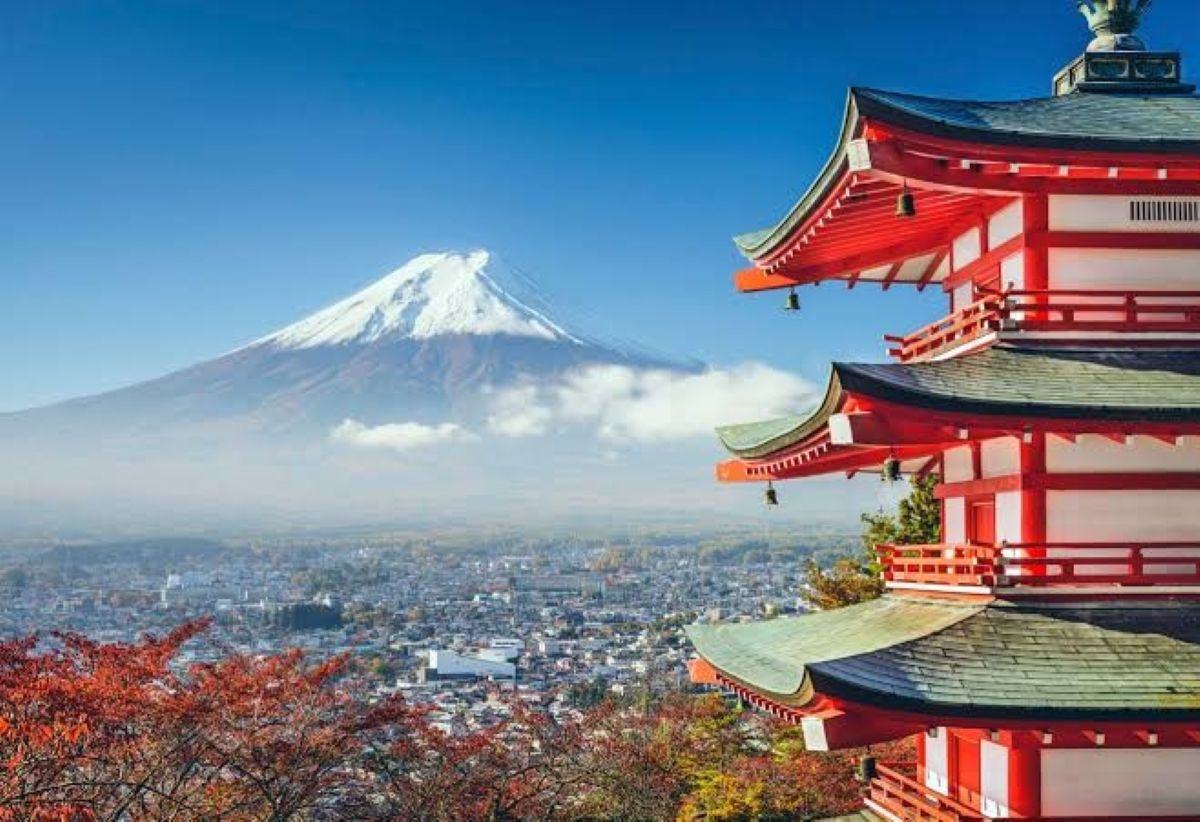
Image Credit GaijinPot Travel
Every traveler’s first experience at a new country’s airport has its own specific energy. They have excitement, anxiousness, and perhaps, a bit of the unknown. Luckily, for the ones who have done this many times, the issues of dealing with unlabeled maps and the cash-only postcard shops in the quieter areas of the Himalayas have become energy drinks. Now, traveling to Japan is a come down in energy, and even with the Tokyo lights and the early walks of the streets of Kyoto, there’s a bit of peace. Yes, there may still be distance, but the technology, with its Japanese convenience like the Bullet Train, has the unique ability to take us back in time and give a piece of the convenience of the past. Anything that helps relieve people of the pains of the modern travel planning will help remind them how Jolphophil of travel is and how powerful a tool it can be to shake off stress and give people a much needed sense of peace.
Unlocking Unprecedented Financial Valuation and High-Speed Growth Trajectories Across Regional Destinations
It was reported that the total economic valuation of the smart travel sector across Japan would undergo incredible financial expansion throughout the designated eight-year evaluation period. Market researchers indicated that a continuous influx of international sightseers into famous centers such as Tokyo, Kyoto, and Osaka had created an urgent demand for high-capacity digital frameworks. Consequently, the rapid financial ascent from $150 Billion in 2025 to $660 Billion by 2033 demonstrated that substantial capital was being funneled into software development, sensor hardware networks, and automated hospitality management tools.
Advertisement
Advertisement
Furthermore, industry experts noted that this extraordinary 20.5% annual compound expansion rate would significantly outpace traditional global tourism performance metrics. They highlighted that as modern travelers demand more responsive, mobile-first itinerary planning, legacy management solutions will rapidly become obsolete. This immense investment surplus ensures that regional destinations across Hokkaido, Okinawa, and the Chugoku region receive vital technological upgrades to manage large influxes of visitors both smoothly and sustainably!
Driving Core Market Transformation Through Comprehensive Digitalization and Next-Generation Urban Planning Systems
Advertisement
Advertisement
It was explained that the foundational pillars of this nationwide market transformation rested upon broad digital integration and forward-thinking municipal cooperation. Industry observers pointed out that the accelerated adoption of artificial intelligence (AI), the Internet of Things (IoT), augmented reality (AR), and big data analytics was fundamentally restructuring the entire visitor journey. They detailed how municipal governments, technology innovators, and private hospitality networks were joining forces to incorporate destination tools directly into broader smart city initiatives across bustling hubs like Nagoya and Fukuoka.
Moreover, researchers reported that making destination sites effortless to navigate for non-native visitors remained an urgent priority for municipal planners across Japan. They noted that international travelers were deriving immense value from high-speed 5G connectivity, real-time multilingual translation applications, unified mobile payment gateways, and seamless QR-code electronic ticketing. Consequently, these comprehensive infrastructure upgrades were effectively breaking down language barriers, mitigating physical crowding in high-density corridors, and removing operational friction for millions of incoming tourists.
Advertisement
Advertisement
Harnessing Artificial Intelligence, Augmented Reality, and Internet-of-Things Architectures for Elevated Visitor Experiences
It was documented that major technological milestones were actively altering how international sightseers interact with historical, cultural, and environmental landmarks throughout Japan. Researchers emphasized that interactive AI concierges were delivering highly tailored travel itineraries, while immersive AR smartphone applications were projecting detailed historical reconstructions directly over ancient heritage sites in destinations like Nara and Kamakura. They observed that these non-intrusive digital tools allowed historic artifacts and ancient architecture to come alive without physically disturbing delicate preservation sites.
Additionally, industry specialists noted that sophisticated IoT sensor arrays had been widely installed across crowded national parks, high-altitude alpine routes, and world-renowned UNESCO World Heritage locations such as Mount Fuji. They reported that these integrated monitoring devices tracked real-time foot traffic and crowd density to prevent over-tourism, protect delicate ecological systems, and maximize visitor safety. The automated management systems successfully redirected human movement by offering dynamic, real-time schedule adjustments and suggesting lesser-known scenic routes to curious travelers.
Modernizing Mobility Networks, In-Room Hospitality Services, and Advanced Data Security Solutions for Tomorrow’s Travelers
Advertisement
Advertisement
It was confirmed that modernized mobility networks and updated accommodation standards were drastically changing daily travel routines for international visitors. Market analysts noted that regional railway operators had implemented unified, touchless ticketing systems, while remote mountain regions were testing drone-based delivery platforms to move local crafts, food, and supplies to isolated alpine accommodations. Furthermore, boutique hotel properties across major metropolitan regions were installing voice-activated room controllers, automated environment adjustments, and personalized multimedia suites directly into guest accommodations.
Finally, experts stressed that the wide deployment of transparent data security platforms was playing a critical role in safeguarding traveler privacy across complex, multi-provider travel itineraries. They explained how decentralized blockchain frameworks were securing personal identification details and financial transactions across diverse booking services. At the same time, regional destination management boards were utilizing centralized data dashboards to study visitor spending behavior and demographic patterns, ensuring that future municipal tourism campaigns remain incredibly target-focused, cost-effective, and welcoming to all!
Strategic Growth Trajectories for Overseas Inbound Volumes and Financial Metrics Across Japanese Territories
Official hospitality sector evaluations confirmed that Japan recorded a historic benchmark in 2025 by welcoming 42.68 million international travelers. This unprecedented influx generated a massive ¥9.45 Trillion ($63.2 Billion USD) in direct foreign expenditure across local markets. Recognizing the critical economic momentum of this sector, national tourism administrators established a bold target to attract 60 million foreign tourists annually by 2030, while driving total inbound spending to an extraordinary ¥15 Trillion ($100 Billion USD).
Accommodating this monumental volume without overwhelming municipal services requires a radical overhaul of traditional transit hubs and municipal infrastructure. High-density urban centers such as Tokyo, Kyoto, and Osaka face the double burden of managing extreme daily visitor foot traffic while preserving local quality of life. Consequently, national and local government agencies are accelerating investments in smart digital architecture to streamline customs processing, distribute tourist density across rural prefectures, and maintain world-class service standards across all transportation networks.
Capital Allocation of International Tourist Departure Tax Revenues for Regional Digital Transformation
Advertisement
Advertisement
To directly fund smart infrastructure initiatives, administrative authorities increased the national International Tourist Tax from ¥1,000 to ¥3,000 per departing traveler. This dedicated revenue stream is reinvested directly into regional destination development through a strategic funding mechanism. Government agencies selected 14 designated model destinations—including key regions across Hokkaido, Setouchi, and Kagoshima—to serve as regional innovation hubs for advanced digital transformation.
By allocating tax proceeds directly to regional administrative bodies, destination management organizations are rapidly modernizing non-metropolitan tourism ecosystems. These funds directly finance the rollout of high-speed regional broadband networks, multilingual digital concierge platforms, and automated transit passes usable across regional bus and rail lines. This targeted financial strategy ensures that secondary and tertiary prefectures build the digital capabilities necessary to attract and support international travelers beyond the traditional golden route.
Market Capitalization and Operational Expansion of Artificial Intelligence Across the Hospitality Industry
Comprehensive market analysis revealed that the specialized market for artificial intelligence applications within Japan‘s tourism sector is projected to grow from $214.7 Million in 2026 to $687.5 Million by 2033. This robust trajectory reflects a remarkable Compound Annual Growth Rate (CAGR) of 18.1% over the forecast period. Hospitality groups operating in major commercial hubs such as Nagoya and Fukuoka are aggressively incorporating generative AI and predictive algorithms into their daily workflows to maximize operational efficiency.
These intelligent systems handle complex operational responsibilities, ranging from automated customer interactions in multiple languages to dynamic pricing models that adjust room rates in real-time based on local event schedules and demand patterns. Furthermore, advanced sentiment analysis tools scan global feedback in real-time, allowing hotel operators to rapidly identify and correct service deficiencies. By leveraging automated systems for routine management tasks, hospitality brands reduce operational costs while providing immediate, highly tailored service to international guests.
Mitigating Labor Shortages in Accommodation Operations Through Integrated Internet-of-Things Architectures
Advertisement
Advertisement
Despite hosting a record 177.87 million foreign overnight stays in 2025, approximately 70% of accommodation providers across Japan reported ongoing labor shortages. To prevent service disruptions, hotel operators and traditional Japanese inns (ryokans) across popular destinations like Shizuoka and Okinawa have turned to integrated Internet of Things (IoT) technologies. These smart systems bridge critical staffing gaps while upholding traditional hospitality standards (omotenashi).
Property managers are deploying IoT-enabled self-check-in kiosks, automated room-management sensors, and robotic luggage handling systems to streamline physical check-ins and check-outs. In-room sensors automatically manage climate control and lighting based on guest presence, significantly lowering energy consumption while keeping guests comfortable. These technological integrations allow both high-rise urban hotels and rural boutique inns to operate at full capacity without compromising service quality or overworking onsite personnel.
Edge-Computing Networks and Multilingual Interactive Signage Deployment in High-Traffic Hubs
Municipal transit authorities across Kanagawa and historical destinations such as Kamakura have installed high-performance edge-computing nodes to power interactive street displays. Unlike legacy static signs, these modern digital displays leverage real-time processing to adapt information based on immediate environmental conditions, public transit updates, and emergency notifications. The edge-computing architecture processes heavy visual data locally, ensuring rapid display updates with minimal latency.
These smart displays dynamically present transit maps, landmark descriptions, and emergency guidance in over 12 global languages. By delivering instant, accurate translations at primary bus terminals and train stations, local transport networks ensure non-native travelers navigate complex travel routes confidently. This infrastructure upgrade dramatically reduces transit confusion and lowers the need for bilingual physical help desks at high-traffic regional junctions.
Decentralization of Contactless Payments and Cashless Travel Metrics Across Rural Prefectures
Advertisement
Advertisement
Financial regulators highlighted significant progress toward achieving an 80% cashless transaction rate among small and medium-sized tourism businesses nationwide. Historically, international visitors traveling through rural regions were forced to carry physical Japanese Yen due to limited credit card acceptance. However, the nationwide expansion of unified QR-code payment platforms and contactless mobile gateways has transformed payment acceptance across non-metropolitan areas.
Overseas tourists exploring regional territories like Tohoku and Shikoku can now use mobile wallets and contactless cards to pay for local artisan goods, dining, and rural bus fares. This digital payment ecosystem removes financial friction for international travelers while encouraging direct spending within local micro-economies. Small local businesses benefit from faster transaction processing, simplified foreign currency exchange, and reduced administrative overhead.
Dispersing Traveler Foot Traffic in Saturated Heritage Sites Using Big Data Analytics
Destination management organizations in culturally sensitive cities like Kyoto and Nara have introduced centralized big data analytics platforms to tackle over-tourism. These advanced management platforms aggregate anonymized cellular location data, public transport usage metrics, and historical visitor patterns to map pedestrian density in real-time. By monitoring foot traffic at major temples and historical sites, municipal managers can identify early signs of crowd congestion before overcrowded conditions develop.
When high density is detected around primary heritage landmarks, the automated system sends real-time push notifications to tourists’ smartphones through regional travel apps. These alerts provide live updates on crowd levels, suggest alternative visiting times, and offer incentive vouchers or discounts for nearby, lesser-known historical sites. This proactive approach disperses foot traffic evenly across urban districts, protecting delicate heritage environments and ensuring a pleasant experience for all visitors.
Preserving Ecological and Cultural Heritage Sites via Immersive Augmented Reality Platforms
Advertisement
Advertisement
Environmental management agencies across Japan have implemented augmented reality (AR) technologies to protect sensitive natural ecosystems and cultural heritage locations. Protected sites, including Mount Fuji and the Seto Inland Sea, host high volumes of hikers and eco-tourists every year, creating potential environmental risks. By delivering digital experiences directly to tourists’ smartphones, management boards provide rich educational content without altering the physical landscape.
Visitors scanning outdoor landmarks with their smartphones unlock interactive AR overlays detailing regional geology, flora, fauna, and local history. These digital guides offer deep cultural context without requiring physical signage or invasive infrastructure on protected land. By combining digital innovation with environmental conservation, local authorities preserve fragile natural heritage sites for future generations while delivering engaging, educational experiences to global travelers.
The Final Verdict
Some things cannot be purchased, and the best of these is a memory. Some memories of your trip might be the smiles of the vendors you saw in Osaka, or the peaceful feeling you had at the shrine in Nara that had fog. Sure, the walks are memories too, but so are the times you laughed until you forgot how to talk. The memories will stick with you more than anything you could have bought to bring back with you. There is a lot of technology out there that helps you keep the memories you have made and Japan is not trying to make up for the cold and the tediousness of software with the ruination of travel, they are trying to help you erase and alleviate the worries that come with travel. Now, you do not have to worry about the Foreign Land’s que systems. They take care of the travel burdens. With travel aids that are now intelligent, deep travel becomes possible. With intelligent travel aids, we can look up the world.
Advertisement
