
Antigua And Barbuda Leads A Surprising Global Travel Revolution With Unprecedented Eco Park Restoration Upgrades, Here’s The Update

Published
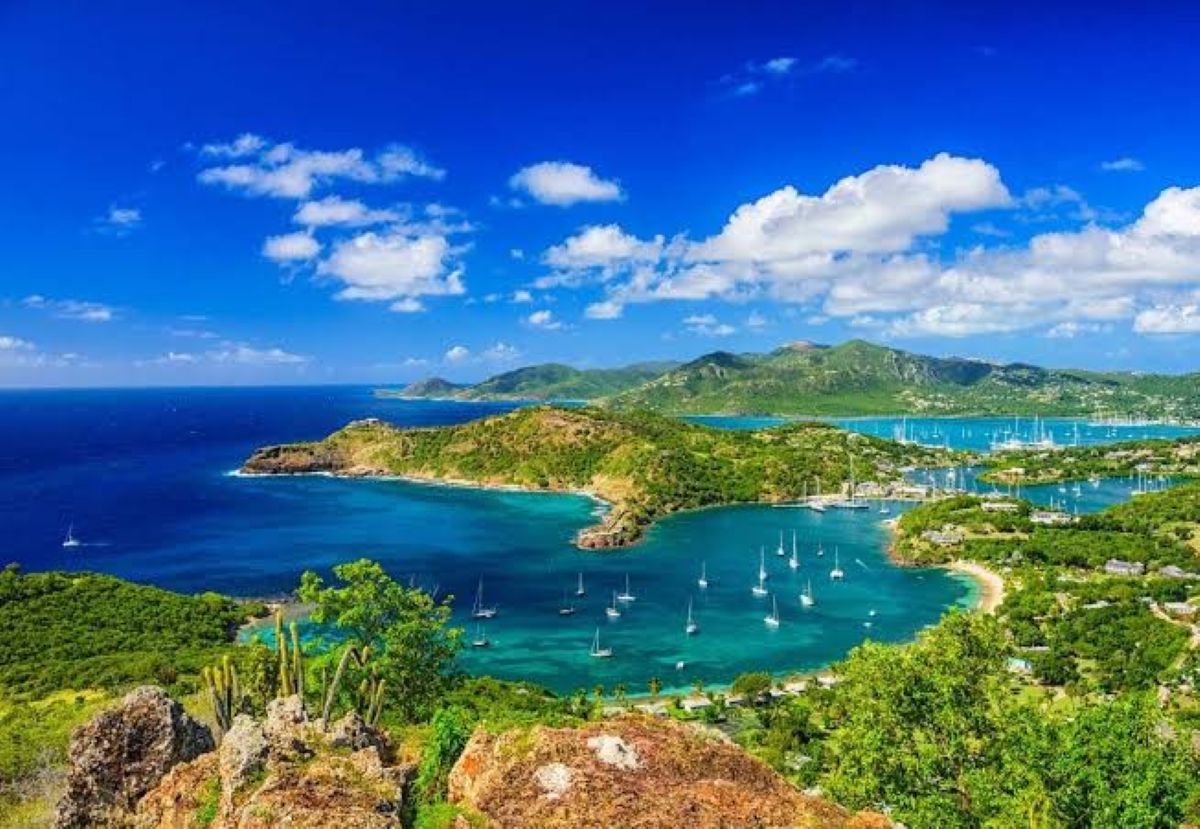
Image Credit nationalparksantigua
Some will return for the Shirley Heights evenings with swaying palms. These draw our patrons to visit for the first time, but there are other reasons for their trip. These climate patterns would have coaxed our ancestors to journey to our lands with exposed and lost territory. We are now fighting to keep the first of many battles to protect our ancestral lands. This is the first of many battles we will fight in this way. Our goal is to direct our resistance to protect our resources and create a new economy that is sustainable and is backed by parks and conservation along our shores. In the Barbuda Sanctuaries of Redonda and Dianthus we will defend our habitats and communities through the practice of sustainability.
Advertisement
Advertisement
How Is Antigua and Barbuda Transforming Its Economy Through Green Infrastructure Investments in Saint John’s?
The capital city of Saint John’s oversaw an unprecedented fiscal shift where national funding prioritised climate resilience, ecological restoration, and nature-based tourism assets over traditional urban expansion projects. Official public records released during the IMF 2025 Article IV Consultation revealed that national capital expenditure expanded to roughly 3.5% of GDP in 2025.
Advertisement
Advertisement
By decoupling economic expansion from resource depletion, government authorities ensured that public investments yielded measurable ecological and financial returns for local communities. State procurement mandates now require rigorous climate risk audits, protecting coastal infrastructure against extreme weather events while establishing a durable foundation for international investment.
Why Is Climate Resilience Essential For The Antigua and Barbuda Travel Industry Across English Harbour?
Advertisement
Advertisement
The coastal sanctuary of English Harbour demonstrates why climate resilience is vital for protecting the primary financial engine of the national economy. Ocean warming, coral bleaching, and severe coastal erosion pose constant threats to natural harbors, prompting state agencies to construct living shorelines and restore delicate coral reefs.
Protecting coastal assets ensures that environmentally conscious travelers continue visiting the islands, generating reliable foreign exchange revenue. Healthy reefs and intact mangrove ecosystems act as natural storm barriers, saving millions of dollars in structural repairs for public utilities and private resort operators.
Advertisement
Advertisement
How Did Nelson’s Dockyard National Park Adapt To Climate Risks In Falmouth Harbour Throughout 2025?
As the centerpiece of the nation’s cultural heritage, Nelson’s Dockyard National Park near Falmouth Harbour underwent comprehensive structural and environmental upgrades throughout 2025. The National Parks Authority led initiatives such as the “Climate Change in a Continuous Cultural Landscape” workshop alongside global heritage experts to establish dynamic vulnerability matrices. Preservation initiatives stabilized historic stone masonry, improved drainage paths along Shirley Heights, and regulated mooring placements to protect delicate seabed habitats. Managed entry fees were re-invested into park conservation, ensuring that high tourist volumes do not compromise ecological integrity.
What Role Does The Redonda Ecosystem Reserve Play In Biodiversity Leadership Across The Offshore Islets?
Located off the main island coast, the Redonda Ecosystem Reserve represents one of the most successful island restoration projects in the entire Caribbean region. Following the complete eradication of invasive pests, 2025 marked a crucial operational phase focused on scientific monitoring, vegetation expansion, and rare reptile protection. Botanical surveys documented rapid re-vegetation and expanding seabird colonies, establishing Redonda as an international model for ecological recovery. Strict protective mandates prevent commercial development, turning the island into an exclusive sanctuary for scientific research and controlled eco-tours.
Advertisement
Advertisement
How Is The OECS 30×30 Target Shaping Protected Area Policy Across Dickenson Bay?
During high-level environmental summits attended by regional delegates near Dickenson Bay, government ministers reaffirmed their commitment to the global “30×30” biodiversity target. The strategic goal aims to conserve at least 30% of terrestrial, freshwater, and marine habitats by the year 2030. The conference established plans for an OECS Regional Conservation Center to standardize spatial mapping, share environmental data, and create green bonds. Establishing unified protection zones guarantees that fragile marine ecosystems are preserved alongside sustainable economic development.
How Are Marine Reserves Protected Within The North East Marine Management Area Around Green Island?
Encircling delicate offshore islets, coral reefs, and seagrass meadows near Green Island, the North East Marine Management Area received enhanced regulatory oversight in 2025. Marine wardens enforced strict sanctuary boundaries to protect essential fish breeding areas from illegal harvesting and pollution. Controlled buffer zones allow guided kayaking, snorkeling, and diving tours under licensed local supervision. These conservation measures protect marine life while creating reliable, eco-friendly business opportunities for coastal communities.
What Financial Mechanisms Fund Multilateral Green Initiatives Across Jolly Harbour?
Financing eco-resilience projects across commercial centers like Jolly Harbour requires a well-structured combination of international climate grants and domestic capital allocations. This hybrid financing structure ensures long-term operational stability without increasing the national public debt burden. The Green Climate Fund has committed over $53.9 million in total funding to support coastal defense and early warning systems across the country. Additionally, the Caribbean Biodiversity Fund provides continuous grants for habitat maintenance and park ranger training.
Advertisement
Advertisement
How Does The Barbuda Codrington Lagoon National Park Balance Conservation And Ecotourism In Codrington?
On the island of Barbuda, near the settlement of Codrington, the Codrington Lagoon National Park protects one of the largest Frigatebird sanctuaries in the world. Throughout 2025, park administrators introduced strict visitor guidelines to prevent human interference during peak avian nesting seasons.
Visitors are required to explore the lagoon accompanied by certified local boat guides trained in environmental safety standards. Entrance fees are retained locally to support community wardens, educational programs, and wildlife research.
What Is The Broader Economic Impact Of Travel And Tourism On National Parks Near Devil’s Bridge?
The travel and tourism sector serves as a primary source of conservation funding for iconic landmarks like Devil’s Bridge National Park. Entrance permits and commercial licensing fees generate direct revenue for infrastructure repairs, trail maintenance, and waste management.
Tourism spending directly supports local businesses, artisan markets, and guided excursion providers in nearby villages. This economic integration encourages community members to actively protect their local natural assets.
Advertisement
Advertisement
What Future Strategies Will Shape Antigua and Barbuda’s Ecotourism Path Around Half Moon Bay?
Looking ahead, coastal areas like Half Moon Bay will benefit from expanding solar energy installations and digital environmental monitoring systems within protected park boundaries. Future planning emphasizes installing real-time water quality sensors and expanding blue carbon investments.
By linking public capital investments with international environmental commitments, Antigua and Barbuda continues to strengthen its economic resilience. These proactive initiatives safeguard fragile natural ecosystems while maintaining a strong, sustainable eco-tourism economy.
How Is Solar Microgrid Infrastructure Powering Off-Grid Eco-Reserves Across Darkwood Beach and Valley Church?
Across the sun-drenched stretches of Darkwood Beach and Valley Church, Antigua is pioneering a clean energy transition within its protected coastal zones. State environmental initiatives are replacing legacy diesel generators with autonomous solar-plus-storage microgrids to power ranger facilities, public amenities, and eco-lodges. This strategic shift directly supports a national target to achieve an 86% renewable energy share in the electricity sector. By eliminating reliance on fossil fuels in ecologically sensitive areas, the project mitigates the risk of fuel spills while reducing carbon emissions by an estimated 133,300 metric tonnes of CO₂ equivalent annually.
A dedicated asset capital deployment of USD 3.5 million has accelerated the installation of high-efficiency solar pumping systems, battery storage banks, and microgrid distribution networks across the western coast. These decentralized energy systems guarantee uninterrupted operational power for park conservation monitoring while preventing acoustic and chemical pollution near fragile marine habitats. By establishing energy independence along key coastal reserves, local authorities are setting a regional benchmark for low-carbon park operations.
Advertisement
Advertisement
What Advanced Hydrological Strategies Safeguard Critical Watersheds Around Body Ponds and the Wallings Nature Reserve?
Nestled within the lush interior of Antigua, the forest catchments around Body Ponds and the Wallings Nature Reserve serve as indispensable hydrological buffers for the entire nation. Because these inland watersheds supply 80% of the island’s groundwater and 90% of the surface water collected in municipal reservoirs, preserving upland soil stability is vital for maintaining drinking water supplies and preventing downstream siltation. Unmanaged rainwater runoff carries severe risks for coastal fringing reefs, making upper catchment forestry management a central pillar of national environmental policy.
To address climate-induced drought cycles and intense tropical rainfall, a comprehensive USD 5 million infrastructure upgrade was designated for stormwater system rehabilitation, groundwater extraction enhancement—adding 0.3 million gallons per day (MGD) in production capacity—and climate-proofing reverse osmosis distribution channels. Furthermore, the initiative encompasses the physical restoration of 10 community cisterns, securing reliable freshwater reserves for over 3,000 rural households, representing approximately 10% of the national population. These integrated hydrological measures effectively shield sensitive marine parks from destructive sediment plumes while guaranteeing clean water for both eco-tourists and residents.
How Are Multi-Hazard Early Warning Networks Safeguarding Low-Lying Coastal Eco-Resorts in St. Mary’s Parish?
Low-lying coastal sanctuaries and eco-resorts distributed across St. Mary’s Parish and Johnson’s Point face heightened exposure to sudden storm surges, tropical squalls, and sea-level rise. To protect localized eco-tourism assets and coastal communities, state agencies integrated these areas into a comprehensive multi-hazard early warning network. Supported by the broader USD 53.9 million cumulative Green Climate Fund (GCF) portfolio under the regional Early Warnings for All (EW4ALL) framework, this deployment connects real-time sensory data directly to national emergency response centers.
The technological modernization program includes the strategic installation of advanced meteorological radar stations and automated tide gauges covering 100% of designated coastal protected zones. These automated weather stations provide localized, real-time climate telemetry, enabling park wardens, vessel captains, and resort managers to execute timely evacuation protocols during sudden extreme weather events. By institutionalizing risk-reduction technologies across marine parks, Antigua ensures the safety of visitors while protecting high-value coastal infrastructure.
Advertisement
Advertisement
Can Blue Carbon Credits and Seagrass Mapping Monetise Ecosystem Restoration Near the Cades Reef Marine Park?
Spanning extensive sub-aquatic meadows off the southern coast, the Cades Reef Marine Park is emerging as a primary site for innovative environmental finance. State researchers and marine biologists are conducting comprehensive spatial mapping of dense seagrass beds and coral cover to support the regional OECS 30×30 target, which mandates the protection of 30% of coastal and marine habitats by 2030. By verifying the carbon sequestration capacity of native mangroves and seagrass beds, the government aims to issue certified sovereign Blue Carbon credits on international environmental exchanges.
This scientific monetization strategy leverages global market momentum, aligning with an international ecotourism sector that reached a valuation of USD 208.31 billion. Revenue derived from verified carbon credits creates a dedicated, non-tax funding channel specifically earmarked for continuous marine park patrols, water quality testing, and reef restoration. Consequently, preserving the sub-aquatic ecosystems of Cades Reef yields direct financial dividends that continually reinforce national marine conservation efforts.
How Do Community Heritage Grants Empower Local Artisans and Eco-Guides Around Bethesda and Freetown?
In the eastern interior communities of Bethesda and Freetown, national park policy actively integrates local residents into the broader eco-tourism supply chain. Recognizing that community-led ventures represented a dominant 79.3% global ecotourism market revenue share, state administrators expanded micro-grant programs funded through the Critical Ecosystem Partnership Fund (CEPF). These targeted investments provide direct capital to local entrepreneurs, craft artisans, heritage guides, and agro-tourism operators situated within key biodiversity areas.
By re-investing a structured percentage of national park visitor admission fees into neighborhood heritage projects, the government creates viable economic alternatives to resource extraction. Local residents receive formal training and certification as conservation guides, leading specialized hiking tours along historical trails and managing indigenous craft markets. This decentralized economic model ensures that rural populations derive direct, measurable financial benefits from keeping neighboring terrestrial ecosystems intact.
Advertisement
Advertisement
How Are Low-Emission Transit Fleet Incentives Revolutionizing Visitor Transport Between V. C. Bird International Airport and Protected Parks?
Establishing a seamless, low-carbon transit corridor between V. C. Bird International Airport near Coolidge and distant national parks is a key priority for national transport planners. To curb transport sector emissions, the government enacted aggressive fleet electrification targets, mandating that 100% of all new vehicle sales be electric vehicles by 2030. Concessionary financing mechanisms and standardization budgets totaling USD 1.22 million were allocated to accelerate the adoption of electric shuttles, charging networks, and low-emission commercial vehicles.
Replacing traditional diesel-powered tour buses with quiet, zero-emission electric vehicles significantly reduces roadside emissions and noise pollution along scenic parkways leading to protected reserves. Charging infrastructure powered by grid-tied solar arrays ensures that eco-tourists travel from their point of arrival to remote nature trails with a minimal carbon footprint. This transportation transition aligns national transit logistics with the environmental standards championed within the parks themselves.
What Zero-Waste and Plastic-Free Protocols Are Shielding Marine Ecosystems Near Runaway Bay and Fort James?
The popular coastal zones encompassing Runaway Bay and Fort James operate under stringent municipal circular economy frameworks designed to eliminate land-based marine pollution. Local commercial establishments, beachside venues, and eco-lodges inside protected buffer zones must comply with mandatory single-use plastic bans, on-site rainwater harvesting requirements, and commercial organic composting protocols. These zero-waste regulations divert tons of solid waste away from coastal landfills every year, preventing marine debris from entering vulnerable coastal waters.
Complementing solid waste management, broad energy-efficiency drives across the area resulted in the distribution of 20,000 high-efficiency LED light bulbs and 10,000 compact fluorescent lamps (CFLs) across 5,000 properties. This widespread utility upgrade lowers peak electrical demand on municipal power grids, reducing localized thermal emissions. By enforcing strict waste diversion protocols, coastal authorities keep urban shorelines clean, protecting marine fauna from plastic ingestion.
Advertisement
Advertisement
How Are Sustainable Architecture and Luxury Glamping Models Transforming Low-Impact Hospitality Near Rendezvous Bay?
Along the secluded, forested slopes overlooking Rendezvous Bay, low-impact hospitality developments are demonstrating how luxury accommodation can coexist with strict conservation mandates. Capitalizing on a global glamping and eco-lodge sector expanding at a projected 15.9% Compound Annual Growth Rate (CAGR), local planners approved timber-framed eco-structures that sit on elevated pilings. This design philosophy eliminates heavy concrete foundations, allowing natural groundwater movement to continue uninterrupted while preserving local wildlife movement corridors.
Architectural guidelines enforce passive design principles, such as roof pitch angle optimization, to maximize natural cross-ventilation and structural wind resistance against severe weather events. Combined with localized rainwater harvesting, composting toilets, and independent solar arrays, these luxury glamping sites operate completely off-grid without causing canopy deforestation. Rendezvous Bay thus serves as a practical model for ultra-low-impact eco-tourism, proving that high-value hospitality can flourish without disturbing fragile island biology.
The Final Verdict
If you were able to filter out the bureaucratic travel, financial travel, and policy travel reports, you would see the green travel journey of Antigua and Barbuda is more about something personal. It is about our love for our islands and our commitment to the future. Soaring frigate birds above the lagoons of Barbuda. The crashing of the waves against Nelson’s Dockyard wall. The regrowth of Redonda, which was once a barren wasteland, shows this journey is not for us a simple transfer to a new business. It is a pledge to our children.
In Antigua and Barbuda, with our small nation and our living reefs along with our solar parks and resilient coastal communities, we show that strength is much more about our commitment than it is about land mass. The charm of our lands will capture the hearts of the visitors, and we are determined to preserve the beauty and our way of life of our islands. The future will contain more extreme weather and wilder seas, but as a people committed to protecting our land, we will show the world that hope will not just endure, but will grow.
Advertisement
Advertisement
Frequently Asked Questions
- What proportion of national GDP was directed toward public capital investments during 2025?
Public capital expenditure expanded to approximately 3.5% of GDP in 2025, prioritizing climate resilience, national park maintenance, and coastal protection infrastructure.
- Which national parks form the core of the island’s ecotourism model?
Primary reserves include Nelson’s Dockyard National Park, Codrington Lagoon National Park, the Redonda Ecosystem Reserve, and the North East Marine Management Area.
- What key conservation goals were established during the OECS 30×30 Roundtable?
Regional leaders pledged to implement effective conservation frameworks across at least 30% of marine, freshwater, and terrestrial habitats by 2030.
- How do visitor expenditures support ongoing environmental protection?
Park entry fees and permit revenues directly fund habitat restoration, ranger patrols, and structural preservation projects managed by national park authorities.
- Which international institutions provide funding for national park resilience?
Major financial support is provided by the Green Climate Fund, the Caribbean Biodiversity Fund, and the Critical Ecosystem Partnership Fund.
Advertisement
