
United States Colorado Tourism Finds New Hope In Breckenridge As Summer Travel Demand Turns Positive After Snow Struggles

Updated
Published
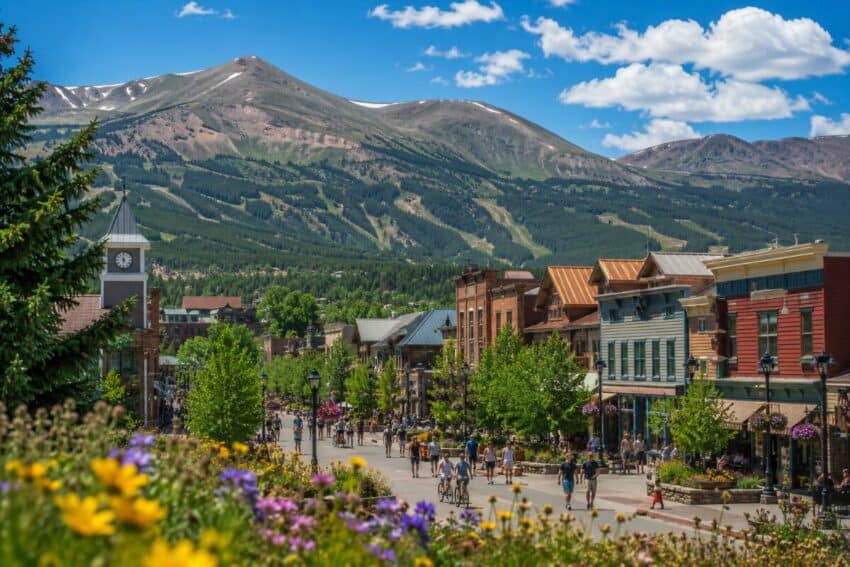
United States mountain tourism is showing a fresh recovery signal in Breckenridge, Colorado, after a difficult ski season hit winter demand. Official tourism data shows that winter guest nights on the books were down 10 percent year over year, while revenue was also down 10 percent. Yet the same official forecast shows a brighter summer pattern. July guest nights on the books were up 5.6 percent. August was up 7.4 percent. September was up 3.2 percent.
This makes Breckenridge one of the most closely watched mountain destinations in Colorado. The town is not only a ski resort base. It is also a summer travel hub built around hiking, biking, Main Street shopping, events, outdoor recreation, short-term lodging and family holidays.
The recovery is not yet complete. June remained weak in the official forecast. The wider summer season was still pacing behind 2025 and sharply behind 2024 at the time of the March 31 report. But the positive late-summer months show why Breckenridge tourism is moving from winter pressure to summer hope.
Why Breckenridge Matters To United States Mountain Tourism
Breckenridge is a major mountain destination in the United States because tourism shapes daily life, local business and town finance. The Town of Breckenridge reports a permanent population of about 4,863 residents. During peak tourism periods, including winter ski season and summer holidays, the population can rise above 39,000 when visitors, overnight guests, day visitors and second-home users are included.
Advertisement
Advertisement
That gap shows the scale of the visitor economy. A small mountain town becomes a large temporary travel centre during high-demand periods. This creates jobs in lodging, restaurants, retail, outdoor recreation, events, real estate services and guest operations.
Tourism and hospitality are described by the town as the cornerstone of the local economy. Outdoor recreation also plays a key role. Skiing, snowboarding, hiking and mountain biking support a long chain of local work. This includes equipment rental, guides, property managers, transport services, restaurant workers and event staff.
Advertisement
Advertisement
For this reason, any movement in Breckenridge lodging demand matters. A weak ski season does not affect only lift tickets. It touches rooms, shops, dining, tax receipts, staffing, transport and local confidence.
The Difficult Ski Season Behind The Recovery Story
The pressure on Breckenridge followed a difficult Colorado snow year. Official federal snow data showed record-low snowpack across many Colorado basins heading into 2026. Later in the season, statewide snowpack remained far below normal. By April 9, 2026, Colorado snowpack stood at 22 percent of median, according to federal snow survey reporting.
Advertisement
Advertisement
This snow weakness created a hard setting for ski-led mountain travel. Snow quality and snow confidence matter because winter travellers often plan around ski conditions. When snowpack is low, visitor behaviour can shift. Some guests shorten trips. Some delay booking. Some move travel to later dates. Some wait for better weather signals.
Official Breckenridge tourism data reflects that pressure. The March 31 occupancy forecast reported winter season guest nights on the books down 10 percent compared with the previous year. Revenue was also down 10 percent. April was especially weak, with guest nights on the books down 29 percent against each of the past two years.
This was the challenge Breckenridge had to carry into spring and summer.
Summer Bookings Bring A Stronger Signal
The summer outlook is more mixed, but it contains a clear positive signal. The official Breckenridge occupancy forecast showed the summer season as a whole pacing 3.5 percent behind summer 2025 and 27 percent behind summer 2024. That means the town was not fully back to the high levels seen earlier.
Advertisement
Advertisement
However, the monthly pattern was more encouraging. June 2026 guest nights on the books were down 23 percent year over year. The report noted a difficult comparison because June 2025 included a large Colorado Municipal League event that added more than 3,000 midweek guest nights.
After June, the trend changed. July guest nights on the books were up 5.6 percent year over year. August was up 7.4 percent. September was up 3.2 percent. These positive months are the core of the rebound story.
| Breckenridge Indicator | Official Reported Position |
|---|---|
| Winter season guest nights on the books | Down 10 percent year over year |
| Winter revenue | Down 10 percent year over year |
| April 2026 guest nights on the books | Down 29 percent versus each of the past two years |
| Summer 2026 guest nights on the books | Down 3.5 percent versus summer 2025 |
| Summer 2026 guest nights versus summer 2024 | Down 27 percent |
| June 2026 guest nights | Down 23 percent year over year |
| July 2026 guest nights | Up 5.6 percent year over year |
| August 2026 guest nights | Up 7.4 percent year over year |
| September 2026 guest nights | Up 3.2 percent year over year |
Why July, August And September Are Important
The positive July, August and September numbers matter because Breckenridge has become a four-season destination. It is not only dependent on winter snow. Summer travel gives the town another powerful route to protect visitor spending.
Official Colorado destination material highlights Breckenridge as a place with hiking trails, mountain biking, summer activities, historic Main Street, cooler mountain air and easy local transport. These are not minor add-ons. They are key parts of the destination economy.
Summer guests travel for different reasons than ski-season guests. They may come for trails, biking, events, food, shopping, scenery, wellness, family time and cooler weather. This broad mix helps Breckenridge reduce its exposure to weak snow years.
Late summer also helps businesses extend staffing and revenue beyond the winter peak. If July, August and September continue to strengthen, restaurants, lodgers, retailers and activity providers can recover part of the winter gap.
Advertisement
Advertisement
Lodging Remains The Key Measure
Lodging is the clearest signal for Breckenridge because overnight stays create wider local spending. Visitors who stay overnight usually spend more on restaurants, shops, transport, activities and services than day visitors.
The Town of Breckenridge uses lodging and occupancy data to help local businesses plan staffing, inventory and visitor operations. The official demographic page notes that BTO tracks about 2,900 of the roughly 4,100 licensed lodging units within town limits through key lodging data.
Short-term rental rules also show how important lodging is to town management. A valid accommodation unit licence is required for any property rented for fewer than 30 consecutive days. Town lodging sales are tied to sales and accommodation tax rules.
The lodging tax system connects tourism directly to public finance. The town requires hotels, motels, bed and breakfasts, property managers and short-term rental owners to collect sales tax and public accommodation tax on lodging services.
| Lodging And Tax Factor | Official Position |
| Short-term rental licence | Required for rentals under 30 consecutive days |
| Public accommodation tax | 3.4 percent remitted to the Town |
| Town sales tax on lodging | 2.5 percent remitted to the Town |
| Lodging tax structure | Part of wider sales and accommodation tax collection |
| Occupancy forecast use | Helps businesses plan staffing and inventory |
Wider Colorado Tourism Supports The Recovery
Breckenridge is part of a much larger Colorado travel economy. The Colorado Tourism Office reported 28.2 billion dollars in visitor spending in 2023. It also reported 93.3 million travellers and 187,710 direct travel-generated jobs.
Colorado’s outdoor recreation economy is also large. The Colorado Office of Economic Development and International Trade reports 37 billion dollars in annual consumer spending from outdoor recreation and 511,000 jobs linked to the outdoor recreation economy.
Advertisement
Advertisement
This wider base helps Breckenridge. Travellers already see Colorado as a major outdoor state. Breckenridge can benefit when travellers want mountain scenery, cooler summer weather and active holidays. It can also benefit from Colorado’s broader brand as an adventure destination.
Still, the recovery depends on execution. Summer demand must convert into bookings, longer stays and local spending. The positive late-summer indicators are promising, but the destination must still manage affordability, staffing, housing pressure and environmental strain.
What This Means For Travellers
For travellers, the Breckenridge rebound means more reasons to plan beyond winter. Summer may offer strong value because visitors can enjoy the same mountain setting without relying on snow. The destination offers hiking, biking, alpine views, shopping, food, events and cool-weather escapes.
Travellers should plan early for July, August and September because those months are showing stronger demand. They should also check lodging rules, event dates, parking information, weather, altitude guidance and local transport options before arrival.
Breckenridge is walkable in many areas, and official Colorado destination material notes that getting around town is easy because of free transport options and a walkable layout. This can help visitors reduce parking pressure and improve the local experience.
For families, summer Breckenridge can be easier than winter. There is no need to manage ski gear, lift access or snow conditions. For active travellers, the trail network and biking scene create strong outdoor options. For softer travellers, Main Street, events, spa services and scenic views offer a slower pace.
Advertisement
Advertisement
What This Means For Local Businesses
For local businesses, the main message is preparation. The official forecast exists to help businesses plan staffing, inventory and operations. When July, August and September are pacing ahead, businesses can adjust stock levels, staffing rosters and marketing campaigns.
Restaurants can prepare for stronger dinner and weekend demand. Retailers can plan for outdoor gear, family products and summer gifts. Activity providers can promote hiking, biking, guided tours and cultural experiences. Lodging operators can manage pricing, minimum-night rules and last-minute offers with more confidence.
The weak winter also gives a clear lesson. Breckenridge cannot rely on one season alone. A resilient mountain economy needs winter, summer, autumn, events, conferences, outdoor recreation and local culture working together.
A Recovery Signal, Not A Full Victory Yet
The latest official data does not show a simple full recovery. It shows a shift. Winter was difficult. June remained weak. The wider summer season was still behind the previous year in the March 31 forecast. But July, August and September moved into positive territory.
That is why the Breckenridge story matters. It shows how a United States mountain town can absorb a weak ski season and look to summer demand for relief. The destination has the ingredients: a famous ski brand, strong outdoor identity, a historic town centre, major lodging stock, official visitor planning tools and Colorado’s wider tourism strength.
The rebound is fragile but real in the official late-summer indicators. If the positive booking pattern holds, Breckenridge could turn a difficult snow season into a broader four-season tourism recovery story for Colorado mountain travel.
Advertisement
