
Spain Joins Italy and Netherlands as Major Tourist Tax Changes Sweep Across Europe in 2026–2027, Bringing New Costs for Travellers

Published
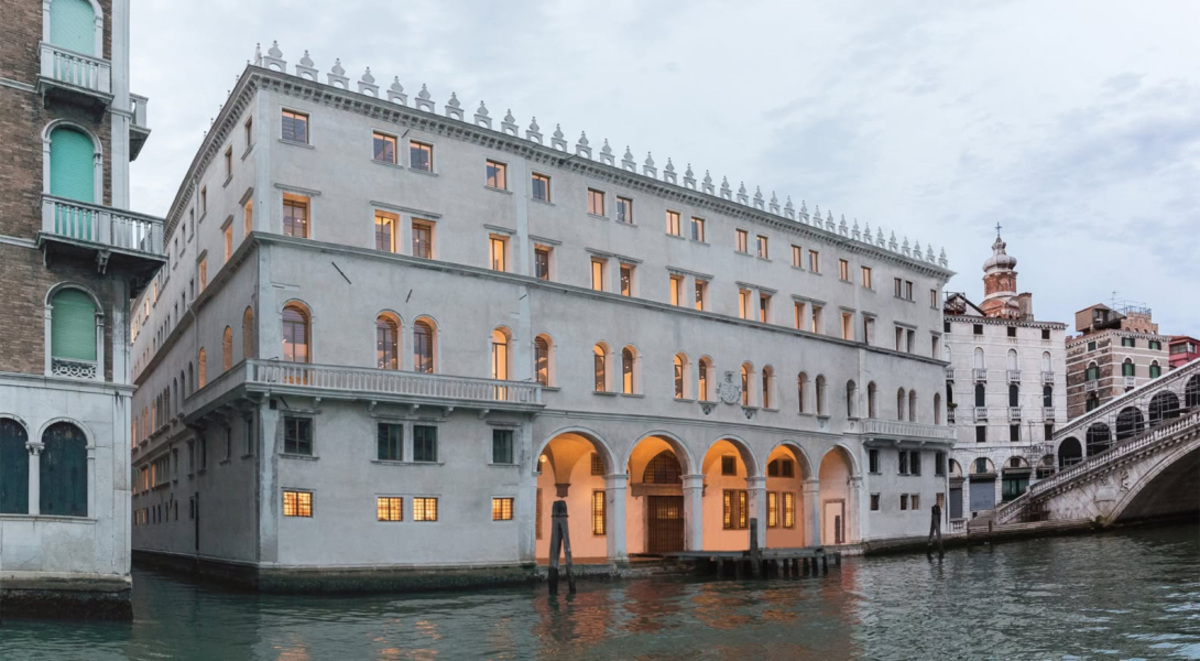
Spain, Italy, the Netherlands, Austria, the United Kingdom, France, Greece and Belgium are reshaping the cost of European travel through accommodation taxes, visitor levies and revised tourism-related charges in 2026 and 2027. From Spain’s new 10% VAT rules for qualifying short-term holiday rentals starting on 1 December 2026 to Vienna’s scheduled 8% accommodation tax from July 2027, the changes are creating new financial considerations for international tourists, hotels, travel agencies and holiday rental operators. Barcelona continues to adjust its layered visitor tax system, Venice maintains a day-tripper access fee, Amsterdam charges a substantial percentage-based accommodation tax, and Edinburgh has introduced a citywide visitor levy. These measures reflect growing efforts to finance public services, maintain tourism infrastructure, address destination pressures and support sustainable visitor management.
Spain’s New 10% Holiday Rental VAT Brings Important Changes for European Tourism
Spain is introducing a significant change to the taxation of short-term tourist accommodation from 1 December 2026. Under the new framework, qualifying furnished holiday rentals for stays of no more than 30 nights by the same tenant will become subject to 10% VAT. An exception applies to qualifying rentals of a landlord’s usual residence. The measure is particularly relevant to popular destinations such as Barcelona, Madrid, Málaga, Seville, the Balearic Islands and the Canary Islands.
Advertisement
Advertisement
The change does not represent a new 10% tourist tax on every hotel or holiday booking. Instead, it concerns the VAT treatment of specified accommodation transactions. Holiday rental operators may adjust prices to reflect the tax, although the final effect on travellers will depend on existing tax arrangements and pricing decisions. Spain’s regional and municipal visitor levies will continue to operate separately, creating different tax obligations depending on where visitors stay and the accommodation they choose.
Spain’s Barcelona Moves Towards Higher Visitor Charges as Tourism Costs Rise
Barcelona continues to operate one of Europe’s more complex tourist tax systems. Visitors staying in qualifying accommodation can face both Catalonia’s regional tourism tax and an additional municipal surcharge. The total amount varies according to accommodation category, with luxury hotels and tourist apartments potentially attracting higher charges than budget properties. The system is intended to help fund public services and respond to the demands associated with large visitor numbers.
Advertisement
Advertisement
Plans for further increases have included a progressive rise in the municipal surcharge towards €8 per person per night by 2029. Combined charges of around €12 to €12.50 have also been reported for certain accommodation categories, although these are not universal rates. Barcelona’s separate property-tax discussions, including percentage changes affecting some hotel premises, should not be confused with the nightly visitor levy. For travel businesses, the key requirement is to calculate regional and municipal charges using the rates applicable to the actual dates of accommodation.
Italy’s Venice Continues Its Day-Tripper Fee as Visitors Face Different Entry Costs
Venice remains a leading European example of visitor management through a dedicated day-tripper access fee. During its 2026 programme, qualifying visitors entering the historic centre on selected dates paid €5 when booking sufficiently early or €10 when paying within four days of their visit. The system applied on 60 selected days between April and July, during designated daytime hours, rather than throughout the year.
Advertisement
Advertisement
The scheme is designed to encourage advance planning and help manage busy periods in the historic city. Visitors staying overnight in qualifying accommodation within Venice are generally exempt from the day-visitor access charge, although they may still need to pay a separate accommodation tax. Suggestions of a possible €30 peak-period fee have attracted attention, but this amount was not an implemented rate under the official 2026 programme. Cruise excursion organisers and short-stay visitors must therefore distinguish confirmed charges from future proposals.
Netherlands’ Amsterdam Maintains a 12.5% Tourist Tax as Hotel VAT Adds Further Costs
Amsterdam applies a municipal tourist tax of 12.5% of the overnight accommodation price, excluding VAT. The percentage-based system covers qualifying hotels, hostels, apartments, bed and breakfasts and short-stay properties. Unlike a fixed fee per visitor, the amount increases with the taxable price of accommodation. A room costing €200 before the local tourist tax, for example, generates an additional €25 in municipal tax.
The Netherlands also increased VAT on qualifying hotel accommodation from 9% to 21% on 1 January 2026, creating another important consideration for accommodation pricing. Amsterdam separately charges a €15 day-tourist tax per passenger on qualifying cruise stopovers. This is not a general entry fee for everyone visiting the city for the day. Although higher municipal tourist tax rates of 16% and 20% have been discussed, the city’s published 2026 rate remains 12.5%. These distinctions are important for accurate hotel quotations and travel budgeting.
Austria’s Vienna Confirms an 8% Accommodation Tax for July 2027
Vienna has established a phased schedule for increasing its local accommodation tax. The Austrian capital raised the rate from its previous 3.2% level to 5% on 1 July 2026. A further increase to 8% is scheduled for 1 July 2027. The calculation is based on the relevant accommodation payment, excluding VAT and breakfast, making the taxable room price an important factor in determining the final charge.
The timetable is especially relevant to international visitors booking accommodation well in advance. Hotels, travel agencies, conference organisers and corporate travel providers must account for the difference between the 2026 and 2027 rates. Longer stays and higher accommodation prices may produce larger absolute tax amounts. Vienna’s confirmed implementation schedule provides clarity for businesses preparing future packages, although the applicable rate must be calculated according to the actual period of stay.
United Kingdom’s Edinburgh Introduces a 5% Visitor Levy for Overnight Stays
Edinburgh introduced its visitor levy on 24 July 2026, becoming the first Scottish city to implement a citywide charge of this kind. The levy applies at 5% of the eligible accommodation cost for a maximum of five consecutive nights. It covers qualifying hotels, guest houses, bed and breakfasts, hostels and other paid overnight accommodation within the City of Edinburgh Council area.
Advertisement
Advertisement
The booking date is an important part of the rules. The levy generally applies to eligible stays beginning on or after 24 July 2026 when the reservation was made on or after 1 October 2025. Certain bookings made and paid for before that date fall outside the scheme. The revenue is intended to support services and infrastructure connected with the visitor economy. For travel agencies handling festival accommodation, group travel and advance reservations, the levy introduces an additional cost that must be included in booking calculations.
France’s Paris Applies Higher Tourist Taxes to Luxury Hotels and Premium Accommodation
Paris operates a category-based tourist tax system, with charges varying according to hotel classification and accommodation type. Under the published 2026 schedule, palace hotels attract a charge of €15.93 per adult per night, while five-star hotels are charged €11.70, four-star properties €8.45 and three-star accommodation €5.53. These figures include the applicable local and regional components of the visitor tax.
The differences can significantly affect the cost of luxury travel. Two adults staying for four nights in a palace hotel would pay €127.44 in tourist tax, assuming both guests are liable. The city also provides exemptions for eligible groups, including minors. Paris’s accommodation tax system therefore requires hotels and travel agencies to consider the property category, number of liable guests and length of stay. The published 2027 schedule is expected to remain aligned with 2026 unless subsequent legislation changes the applicable rates.
Italy’s Milan Revises Tourist Taxes Following Major International Sporting Events
Milan introduced revised tourist tax arrangements during 2026, with the Milano Cortina Winter Olympic and Paralympic Games forming part of the wider tourism and infrastructure context. Under the initial January schedule, four- and five-star hotels were charged €10 per person per night, three-star hotels €7.40, two-star hotels €5 and one-star hotels €4. Short-term rentals and bed and breakfasts were generally placed in a €9.50 category.
A further municipal schedule took effect on 1 April 2026, introducing rates ranging from €3 to €12 depending on accommodation classification. This means the January figures should not automatically be applied to stays later in the year. The changes demonstrate how event-related tourism demand and local infrastructure requirements can influence visitor taxation. Hotels, tour operators and event travel organisers must verify the rate applicable to each reservation, particularly when preparing group packages or accommodation contracts.
Greece’s Climate Crisis Resilience Fee Raises Peak-Season Accommodation Charges
Greece operates a Climate Crisis Resilience Fee that varies according to accommodation category and season. During April to October, the charge is €2 per night for one- and two-star hotels, €5 for three-star properties, €10 for four-star hotels and €15 for five-star establishments. Qualifying short-term rentals generally face an €8 nightly fee, while certain larger detached properties and tourist villas attract €15.
Advertisement
Advertisement
Unlike many European city taxes, Greece’s fee is normally calculated per room or accommodation unit rather than per person. Lower charges apply during November to March, creating different costs for peak-season and off-season travel. The system forms part of Greece’s broader climate resilience funding framework. For holidaymakers visiting Athens, Crete, Rhodes, Corfu, Santorini and other destinations, the final charge depends on the type of accommodation and the travel period.
Belgium’s Brussels Maintains Local Accommodation Taxes as European Travel Costs Change
Brussels also applies visitor-related accommodation taxes, although the relevant charge depends on the applicable local and regional rules. The supplied information identifies reported increases of €1, with indicative figures of €5 for hotels and €4 for camping accommodation. These amounts should not be treated as a single confirmed tariff for every property across Brussels without checking the relevant authority’s current schedule.
The Belgian capital’s accommodation sector includes international business hotels, short-term rentals and other visitor properties, each potentially subject to different requirements. Registration, local tax compliance and accommodation classification remain important considerations for operators. For international travel agencies, Brussels demonstrates the need to verify destination-specific taxes rather than applying a general European hotel tax assumption.
Europe Tourist Tax Comparison 2026–2027: Key Charges Across Major Destinations
| Country | Destination | Tourist tax or accommodation charge | Implementation / status |
|---|---|---|---|
| Spain | Nationwide qualifying rentals | 10% VAT on specified short-term furnished rentals | 1 December 2026 |
| Spain | Barcelona | Regional tourist tax plus municipal surcharge | Existing system; further increases planned |
| Italy | Venice | €5 advance or €10 later day-visitor fee | Selected dates, April–July 2026 |
| Netherlands | Amsterdam | 12.5% of overnight accommodation price, excluding VAT | Published 2026 rate |
| Netherlands | Nationwide hotels | VAT increased from 9% to 21% | 1 January 2026 |
| Austria | Vienna | 5% accommodation tax, rising to 8% | 8% from 1 July 2027 |
| United Kingdom | Edinburgh | 5% of eligible accommodation cost, maximum five nights | 24 July 2026 |
| France | Paris | Up to €15.93 per adult per night for palace hotels | 2026 schedule |
| Italy | Milan | €3–€12 per night depending on accommodation category | Revised 1 April 2026 schedule |
| Greece | Nationwide | Seasonal climate resilience fee, reaching €15 for five-star hotels | Existing framework |
| Belgium | Brussels | Accommodation taxes vary by applicable jurisdiction and property | Current local rules require verification |
How Europe’s Tourist Tax Changes Will Affect Hotels, Holiday Rentals and International Travellers
The expanding range of tourist taxes is creating new pricing considerations across the European hospitality industry. Hotels must calculate applicable local charges, while holiday rental operators need to account for national VAT rules and destination-specific levies. Travel agencies and online booking platforms must also distinguish between charges included in the advertised accommodation price and those collected separately during check-in or checkout.
The financial impact varies considerably. Percentage-based taxes can increase the absolute cost of premium accommodation, while per-person charges may become more significant for families and groups. Seasonal fees create further differences between summer and winter holidays. Booking dates, accommodation classifications and exemption rules can also influence the final amount payable. These variations make transparent pricing increasingly important for international tourism businesses preparing travel packages across several European countries.
What Travellers Need to Know Before Booking European Holidays in 2027
Visitors planning European holidays should check whether local tourist taxes are included in their accommodation price. They should also confirm whether charges apply per person, per room or as a percentage of the nightly rate. Travellers visiting Venice must distinguish between the day-tripper access fee and overnight accommodation taxes, while those booking Greek properties should consider seasonal differences.
Advertisement
Advertisement
For 2027, Vienna’s scheduled 8% accommodation tax is a particularly important confirmed change. Spain’s revised VAT treatment for qualifying holiday rentals will also affect accommodation pricing after December 2026. Meanwhile, Barcelona’s future surcharge plans and Venice’s subsequent access fee arrangements will require continued attention as authorities publish or confirm applicable rules.
Europe Prepares for a New Era of Tourist Taxation as 2027 Approaches
Europe’s changing visitor tax landscape reflects a wider shift in how destinations finance tourism-related services and manage visitor demand. Spain’s rental VAT reform, Vienna’s phased accommodation tax increases, Edinburgh’s new visitor levy and the established charging systems in Amsterdam, Venice, Paris, Milan and Greece demonstrate the different approaches being used across the continent.
For international tourists, the central issue is the total cost of accommodation and destination access. For hospitality businesses, the challenge is maintaining accurate prices while complying with changing local rules. As 2027 approaches, confirmed tax schedules, implementation dates and exemptions will remain essential information for travellers, hotels, holiday rental operators and travel agencies planning journeys across Europe.
Advertisement
