
Nepal Tourism Revolution Begins as New Tourism Bill Advances With Historic Everest Climbing Rules, Boosts 7,000-Metre Peaks, Tougher Mountaineering Standards and a Powerful Push to Transform Himalayan Adventure Travel

Published
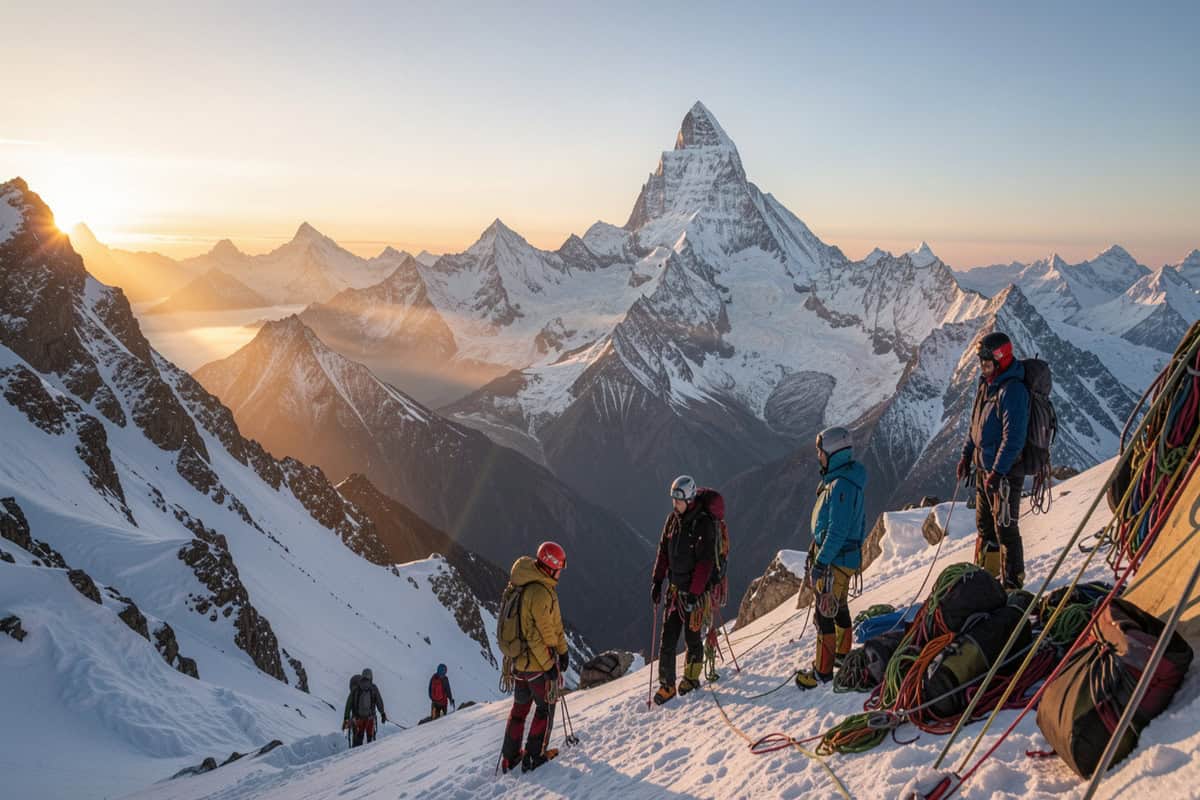
Nepal is set to transform its mountaineering future as the new Tourism Bill moves closer to becoming law, introducing a major Everest permit reform that requires climbers to first conquer a peak above 7,000 metres in the country. The move aims to improve climbing safety, reduce overcrowding on Mount Everest, promote Nepal’s lesser-known Himalayan peaks and create a more sustainable adventure tourism model. By replacing the decades-old tourism framework, the new legislation could reshape how global climbers experience Nepal’s mountains while strengthening the country’s position as the world’s leading high-altitude adventure destination.
Nepal Tourism Bill Moves Forward With Historic Everest Rule as Country Plans Major Mountaineering Reform
Advertisement
Advertisement
Nepal has taken a major step towards transforming its mountaineering and tourism sector after the new Tourism Bill was officially sent to a parliamentary committee for detailed review. The proposed legislation introduces several important changes to the existing tourism framework, including a landmark rule that could reshape how climbers qualify for an Everest expedition permit.
The bill was forwarded to the International Relations and Tourism Committee of the House of Representatives after lawmakers unanimously approved further clause-by-clause discussions. The committee will now examine each provision before returning the legislation to the House for final approval.
Advertisement
Advertisement
Once passed by parliament and approved by the President, the new law will replace Nepal’s decades-old Tourism Act of 1978, creating a modern legal structure for the country’s rapidly growing tourism and adventure travel industry.
Nepal Tourism Bill Enters Detailed Parliamentary Review for Major Industry Transformation
The movement of the new Tourism Bill into the committee stage marks a crucial phase in Nepal’s effort to update its tourism regulations. The legislation aims to introduce new policies that address changing global travel trends, improve tourism management and strengthen Nepal’s position as a leading adventure tourism destination.
Advertisement
Advertisement
The International Relations and Tourism Committee will conduct detailed discussions on individual clauses of the bill before submitting its recommendations to the House of Representatives. After the committee completes its review, the bill will return to parliament for final voting.
If approved, the legislation will move to the final constitutional process before becoming law. The replacement of the 1978 Tourism Act represents one of Nepal’s biggest tourism policy updates in decades and reflects the country’s growing focus on sustainable and organised mountain tourism.
Everest Permit Rules Set for Major Change Under New Nepal Tourism Law
One of the most significant provisions in the proposed Tourism Bill focuses on Everest climbing eligibility. Under the new rule, mountaineers would need to successfully climb a mountain above 7,000 metres inside Nepal before receiving permission to attempt Mount Everest.
The policy aims to encourage climbers to explore Nepal’s other high-altitude peaks while reducing pressure on the world’s tallest mountain. Everest has experienced increasing congestion during peak climbing seasons, creating concerns about safety, environmental impact and overcrowding.
By requiring previous experience on Nepal’s challenging high-altitude mountains, authorities hope to improve climber preparation and create a safer expedition environment on Everest.
The new requirement is expected to be implemented from the spring 2027 climbing season if the Tourism Bill becomes law on schedule.
Advertisement
Advertisement
Nepal’s 7,000-Metre Peaks Could Gain Global Attention Under New Policy
Nepal is home to dozens of mountains exceeding 7,000 metres, although many remain closed or have limited climbing access. The proposed Everest qualification rule could significantly increase international interest in these lesser-known Himalayan giants.
Among the peaks that climbers may attempt before applying for an Everest permit are Himlung Himal at 7,126 metres, Baruntse at 7,129 metres, Tilicho Peak at 7,134 metres, Putha Hiunchuli at 7,246 metres, Annapurna South at 7,219 metres and Nuptse at 7,861 metres.
These mountains offer demanding technical challenges and high-altitude experiences while providing alternatives to Everest. The new regulation could help distribute climbing activity more evenly across Nepal’s Himalayan region.
The country currently has 72 peaks above 7,000 metres, creating significant opportunities for adventure tourism growth beyond the traditional Everest route.
Nepal Opens Wider Mountaineering Opportunities Before Everest Expeditions
The proposed legislation does not limit climbers only to 7,000-metre peaks. Experienced mountaineers may also complete climbs of Nepal’s higher 8,000-metre mountains before seeking an Everest permit.
Some of the world’s most famous Himalayan peaks, including Manaslu, Annapurna, Dhaulagiri, Kanchenjunga, Lhotse and Makalu, are located in Nepal and provide some of the most challenging climbing experiences on Earth.
Advertisement
Advertisement
This approach could strengthen Nepal’s reputation as a complete mountaineering destination rather than a country known only for Everest. It may also encourage climbers to spend more time exploring different regions, supporting local communities, mountain guides and tourism businesses.
New Everest Policy Targets Safety, Sustainability and Better Tourism Management
The proposed Everest climbing requirement is designed not only to promote alternative mountain destinations but also to address the growing challenges surrounding Everest expeditions.
The world’s highest peak attracts thousands of climbers, guides and support staff every year. During busy seasons, overcrowding on climbing routes has become a major concern, with long queues, environmental pressure and increased safety risks reported in recent years.
Encouraging climbers to gain experience on other Himalayan peaks could reduce the number of inexperienced climbers attempting Everest and improve overall expedition standards.
The policy also supports Nepal’s broader goal of developing responsible adventure tourism while protecting fragile mountain ecosystems.
New Tourism Act Expected to Replace 1978 Law After Parliamentary Approval
The government expects the legislative process to move forward after committee discussions are completed. The bill will then return to the House of Representatives for final approval before being submitted for presidential authentication.
Advertisement
Advertisement
Once approved, the new Tourism Act will officially replace the Tourism Act introduced in 1978, marking a historic change in Nepal’s tourism governance system.
The updated law is expected to provide a stronger foundation for managing tourism activities, regulating mountaineering operations and supporting future growth in Nepal’s travel sector.
With the Everest qualification rule at its centre, the new legislation could reshape Nepal’s mountaineering landscape by promoting wider Himalayan exploration, improving safety standards and creating a more sustainable future for adventure tourism.
Advertisement
