
Spain Follows Netherlands and more in fuelling holiday price fears as tourist levies force travellers to rethink their budgets

Published
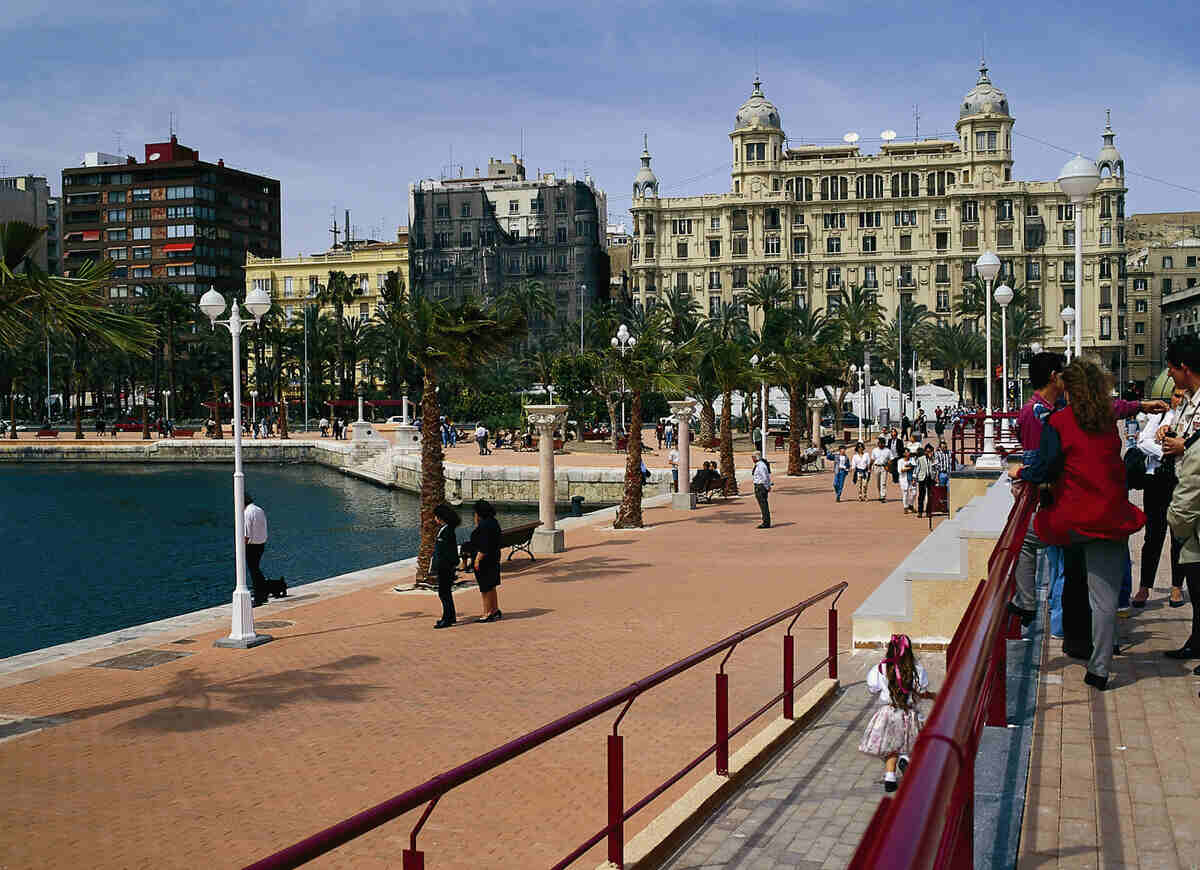
Spain and the Netherlands fueling fears of price hikes over holidays Spain has now joined the Netherlands and a number of other hot destinations in seeing an uptick in fears about the cost of holidays. As tourist taxes, accommodation levies and visitor charges add further pressure to budgets, holiday breaks across Europe and parts of Asia are being forced to make further additions to the expenses of trips and, in some cases, reconsider their very value to visitors. From Spanish holiday rentals and Dutch hotels to Japanese departures and Greek resorts, tourists are being invited to rethink how much their break will cost them. While the measures taken in different areas can vary significantly, increased accommodation costs and additional visitor fees are becoming increasingly important considerations when making plans for overseas trips over 2026 and 2027.
Tourist Taxes Are Creating Fresh Financial Pressure Across Popular Holiday Destinations
The cost of international holidays is being influenced by more than airfares and hotel prices. Tourist levies, accommodation taxes and destination-specific charges are increasingly being included in travel budgets.
Several governments have adopted these measures to support tourism infrastructure, manage visitor numbers and address pressures affecting local communities. In some destinations, additional revenue is being directed towards services used by tourists. Elsewhere, taxation is being linked to housing concerns and the growth of short-term rentals.
The financial impact varies considerably. Some charges are collected per person, while others are calculated through accommodation prices or nightly room rates. As a result, longer holidays and expensive stays can be affected more significantly.
Advertisement
Advertisement
Spain Faces Growing Holiday Price Concerns Amid Proposed Rental Tax Changes
Spain remains one of Europe’s most popular holiday destinations, particularly among British travellers. However, concern is growing over the potential cost of short-term accommodation.
A reported 10% VAT measure affecting certain furnished holiday rentals has been associated with a proposed implementation date of 1 December 2026. Stays lasting 30 nights or less have been identified in the reporting, alongside possible exemptions and distinctions involving owners’ main residences and hotel-style services.
Advertisement
Advertisement
The precise legal scope and implementation date require official confirmation before the measure can be treated as final.
If additional VAT becomes payable, holidaymakers visiting Mallorca, Ibiza, the Canary Islands, Barcelona, Málaga and Alicante could face higher rental bills.
The proposed changes have been discussed against a wider housing crisis. Short-term tourist accommodation has attracted increasing attention as local residents face rising rental costs and limited housing availability.
For travellers, greater attention may be paid to the full advertised accommodation price, including taxes, cleaning fees and booking charges.
Nine Countries Where Tourist Charges Are Reshaping Holiday Spending
A growing range of visitor-related taxes is being applied across major tourism markets. However, not every measure represents a newly introduced tax, and some charges are limited to particular cities or seasons.
- Spain – Short-Term Rental Taxes Raise Accommodation ConcernsHoliday spending could be affected by the reported 10% VAT proposal for certain short-term furnished rentals. Popular coastal destinations and island resorts may be particularly sensitive to changes in accommodation pricing. Holidaymakers booking apartments or private rental properties are being encouraged to examine whether additional taxes are included in advertised prices. The policy debate is closely connected to housing affordability, local accommodation shortages and concerns over overtourism.
- Netherlands – Hotel VAT Increase Creates a Major Price ChallengeA substantial accommodation tax change was introduced on 1 January 2026, when VAT on most hotel stays, holiday homes and short-term accommodation increased from 9% to 21%. The higher rate can increase the final price paid by visitors, depending on how accommodation providers adjust their charges. In Amsterdam, an additional 12.5% municipal tourist tax is also applied. Consequently, travellers planning city breaks or longer stays may face considerable accommodation expenses.
- Japan – Higher Departure Taxes Add to International Travel CostsJapan’s international departure tax was increased from ¥1,000 to ¥3,000 per traveller in 2026. This charge is generally incorporated into eligible departure fares. Meanwhile, Kyoto introduced a higher accommodation tax structure, with charges reaching ¥10,000 per person per night for the most expensive rooms. These measures mean that travellers visiting Japan’s major cultural destinations may need to account for both transport-related taxation and accommodation charges when preparing their budgets.
- United Kingdom – Edinburgh Introduces an Overnight Visitor LevyA 5% visitor levy was introduced in Edinburgh for qualifying paid overnight accommodation from 24 July 2026. The charge is calculated on accommodation costs and is limited to the first five consecutive nights of a stay. Hotels, guesthouses and eligible short-term rentals are covered by the system. Travellers visiting Scotland’s capital for cultural events, sightseeing or extended city breaks may therefore find additional expenses reflected in their accommodation bills.
- France – Paris Accommodation Taxes Increase Holiday ExpensesVisitors staying in Paris face tourist taxes that vary according to accommodation classification. Under the 2026 schedule, the charge reaches €8.45 per adult per night in four-star hotels and €11.70 in five-star hotels. These fees are generally collected alongside accommodation payments. Families and groups booking several nights may notice a greater overall impact, particularly when higher-category hotels are selected for their stay.
- Italy – Venice Uses Visitor Charges to Manage Tourism PressureVenice operated a day-visitor access fee on designated dates during 2026. Eligible visitors were charged €5 or €10, depending on payment timing. The 2026 charging period concluded in July, and arrangements for 2027 remain subject to confirmation. The measure was designed to manage visitor pressure in one of Europe’s busiest historic destinations. Travellers planning future day trips should check whether an access fee applies to their selected date.
- Greece – Seasonal Climate Charges Affect Hotels and Holiday RentalsGreece applies a climate resilience fee that varies by accommodation category and season. During the April-to-October high season, the charge reaches €15 per room per night for five-star hotels. Many short-term rentals are subject to an €8 nightly fee during the same period. These charges can increase the total cost of holidays in Athens, Crete, Rhodes, Santorini and other destinations, especially during peak summer months.
- Portugal – Lisbon and Porto Add Municipal Tourist ChargesPortugal’s leading city destinations continue to apply overnight visitor taxes. Lisbon charges €4 per person per night, subject to a maximum of seven nights. Porto applies a €3 nightly tourist tax. The charges are separate from ordinary accommodation prices and may be collected by hotels or other eligible providers. Although these are established municipal measures rather than new nationwide taxes, they remain important expenses for travellers organising city breaks and multi-destination holidays.
- Norway – New Municipal Levy Could Raise Costs From 2027Norway has authorised a framework allowing eligible municipalities experiencing significant tourism pressure to introduce an overnight accommodation levy of 3%. Collection may begin from 1 January 2027, subject to municipal decisions and the required approvals. The measure is intended to help tourism-dependent communities address infrastructure demands associated with high visitor numbers. Its effect will depend on which destinations introduce the charge.
Why Governments Are Increasing Visitor-Related Charges
The expansion of tourist taxation is being driven by several economic and social pressures.
Advertisement
Advertisement
In Spain, attention has been concentrated on housing affordability and the availability of residential accommodation. In the Netherlands, higher VAT has changed the tax treatment of many tourism accommodation services.
Meanwhile, visitor management and destination infrastructure have become important policy considerations in Venice, Edinburgh and Norway.
Environmental concerns have also influenced taxation. Greece’s climate resilience fee reflects the growing importance of funding measures connected to environmental pressures.
Although different approaches are being used, a common objective can be identified: part of the financial burden associated with tourism is increasingly being transferred to visitors.
How Higher Tourist Taxes Could Change Holiday Booking Decisions
Additional fees are not necessarily expected to stop international travel. However, booking behaviour may be affected as travellers compare the total costs of competing destinations.
Families may choose smaller apartments, lower-category hotels or shorter stays. Travellers with flexible schedules may consider off-peak holidays, when accommodation prices and certain seasonal taxes are lower.
Advertisement
Advertisement
Price transparency is also becoming increasingly important. A hotel room advertised at an attractive nightly rate may become more expensive once VAT, local visitor taxes and other compulsory charges are considered.
Consequently, comparison between destinations may increasingly be based on the final payable amount rather than the original advertised price.
What Travellers Should Check Before Booking Their Next Holiday
Travellers are being advised to review accommodation conditions carefully before completing reservations.
Particular attention should be given to tax-inclusive prices, mandatory local charges, seasonal fees and accommodation classifications.
For longer holidays, the number of taxable nights can have a significant effect on total spending. Families should also check whether taxes are calculated per room or per individual.
In destinations such as Venice, official visitor access arrangements should be reviewed before travel dates are finalised.
Advertisement
Advertisement
Currency exchange rates and international card charges may create additional expenses, particularly when bookings are made in foreign currencies.
Tourist Levies Signal a Changing Future for International Holidays
The growing use of tourism-related taxation is expected to influence how holidays are planned throughout 2027 and beyond.
Spain’s reported rental tax changes, the Netherlands’ higher accommodation VAT and established visitor charges across Japan, France, Italy, Greece and Portugal highlight the different ways in which destinations are managing tourism-related costs.
Edinburgh’s visitor levy and Norway’s planned municipal framework also demonstrate how local governments are being given greater roles in tourism taxation.
Spain and the Netherlands were added to the list of countries where the prices for tourists increased in recent months. Accommodation taxes and visitor charges for popular destinations are driving some to reconsider their summer plans as concerns mount about overtourism, housing shortages and costs to host nations.
For international travelers, value, value and value will likely factor more into the decision-making process, as these popular destinations continue to see a surge of visitors seeking to balance the value of their vacation with increasing costs in the areas they visit.
Advertisement
